

.jpg) IC Correspondent
IC Correspondent
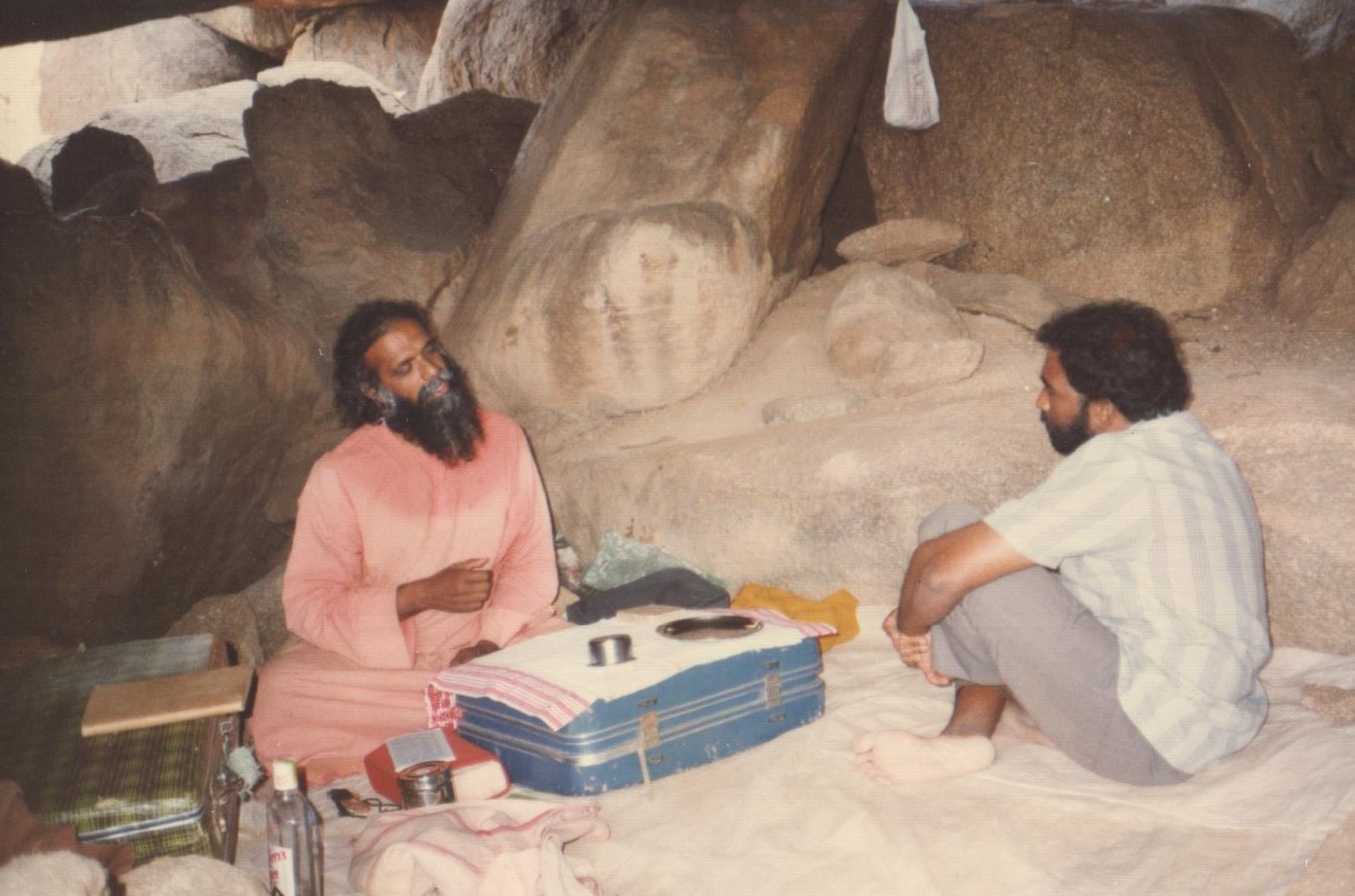
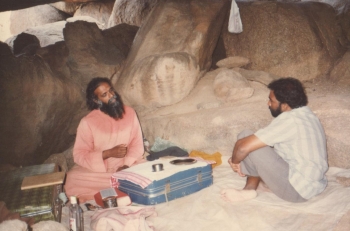
Swamy Dayanand was a bare-footed friar minor. He was clad in saffron robe. He lived on the food people gave him as a pilgrim. He slept on the steps of a shop, verandas of the houses and the temple precincts. He even blessed those who let their dogs out on him. He was a Gospel missionary in the diocese of Bellary and its surrounding areas for more than 45 years. He breathed his last on 22 January 2023 in Bengaluru.
An OFM Franciscan Friar Priest, hailing from Kerala, baptized as Jose Malekudiyil changed his name to Swamy Dayanand and formally adopted the mendicant life like early Friars. It was a Call within the call. It was a courageous and daring step to live the Gospel, as a true son of St. Francis of Assisi. He was born on 19 June 1950, entered the Franciscan way of life as Novice on 29 May 1970 and was ordained a priest on 13 December 1975.
Swamy Dayanand walked barefoot on the streets in Raichur, Vijayawada, Guntur and elsewhere. For the one convinced of the Call, neither the language nor the weather was a stumbling block. He was fluent in Malayalam, Telugu, Kannada, Tamil and English. People flocked in huge crowds to listen to Swamy’s message of the Gospel. He welcomed those attracted to Christ with a Papa-Parihara-Snana (Sin-redeeming-bath). i.e., Baptism. Swamy emphasised the importance of making Christ the centre of their lives.
As the Gospel ministry of Swamy Dayanand spread in fervour and vigour, the Bishop of Bellary gave a piece of land where now stands the present Dharmodaya Seva Ashram. People came there with the Bible in one hand and offerings of rice, grains and vegetables in the other. He used to explain the scriptures from his copy of the Jerusalem Bible marked with personal notes and cross-references. He wore a Crucifix around the neck. Many, rich and poor alike, saw Swamy Dayanand as a man of God and sought his guidance for their life.
He used to frequent a hill close to the Ashram for prayer, fasting, meditation and to seek God’s will. He called it “Dharmodayabette”. It is here, like his master St. Francis, he spent his time alone in prayer and solitude. As he was there rapt in prayer, people began to visit him, the holy man, there. With his presence and spirit of prayer radiating in the hill, people flocked there to join Swamy in his prayers. He also accompanied and guided those suffering from alcoholism and helped them transform their lives.
Swamy Dayanand was a stalwart of Indian Christian Franciscan Spirituality that was concretized in the streets of Bellary. He was an inspiration to many – Friars, Religious men and women, Priests, Professionals across all spectrums, old, young and children. No one who has met Swamy will forget the face that exuded the Daya and Anand (Compassion and Joy) of God.
Swamy Dayanand was ailing for a couple of weeks because of heart-related issues before his passing away. Since then, he gradually lost his memory and his health became weak. He had to frequently undergo treatment. Even in his ill-health, he continued to remain in the Ashram and minister towards the people. As his health worsened, he suffered a stroke on 8 January 2023 in Dharmodaya Seva Ashram, Bellary. After a couple of days of treatment in Bellary, he was shifted to St. John’s Hospital, Bengaluru. He embraced the Supreme Daya-ananda. He is buried in the priests’ cemetery in Bellary. May Swamy Dayanand rest in Peace!
.jpg)
.png) Cedric Prakash
Cedric Prakash
 ICPA
ICPA
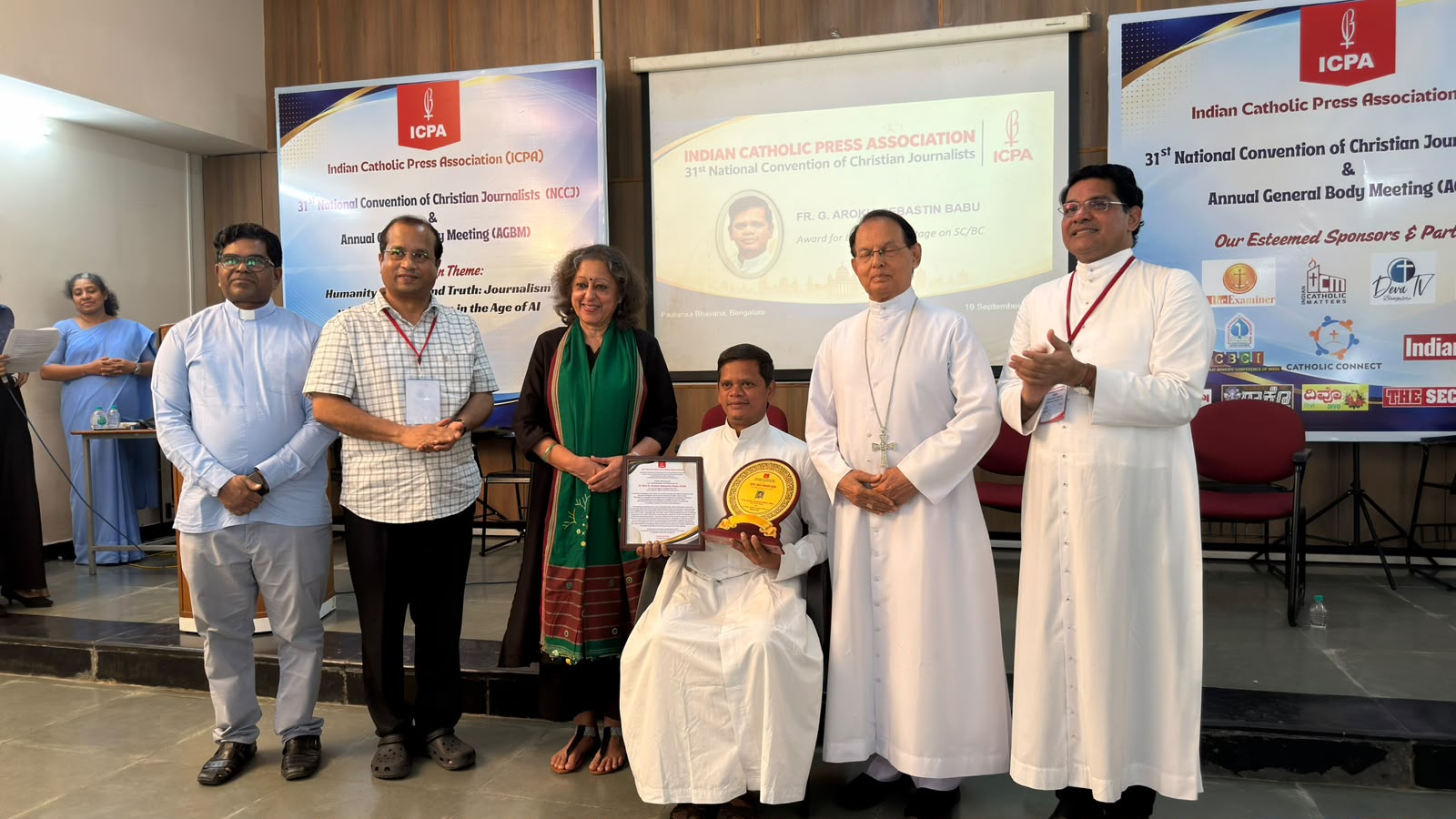 ICPA
ICPA
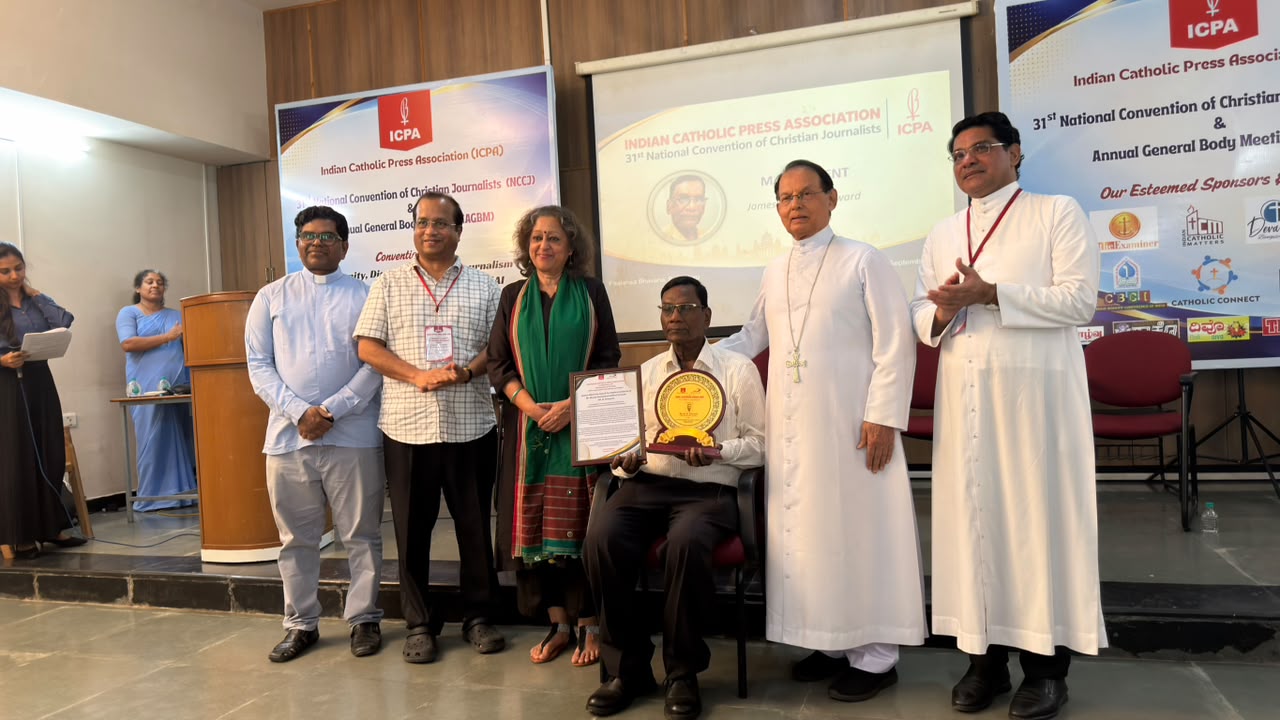 ICPA
ICPA
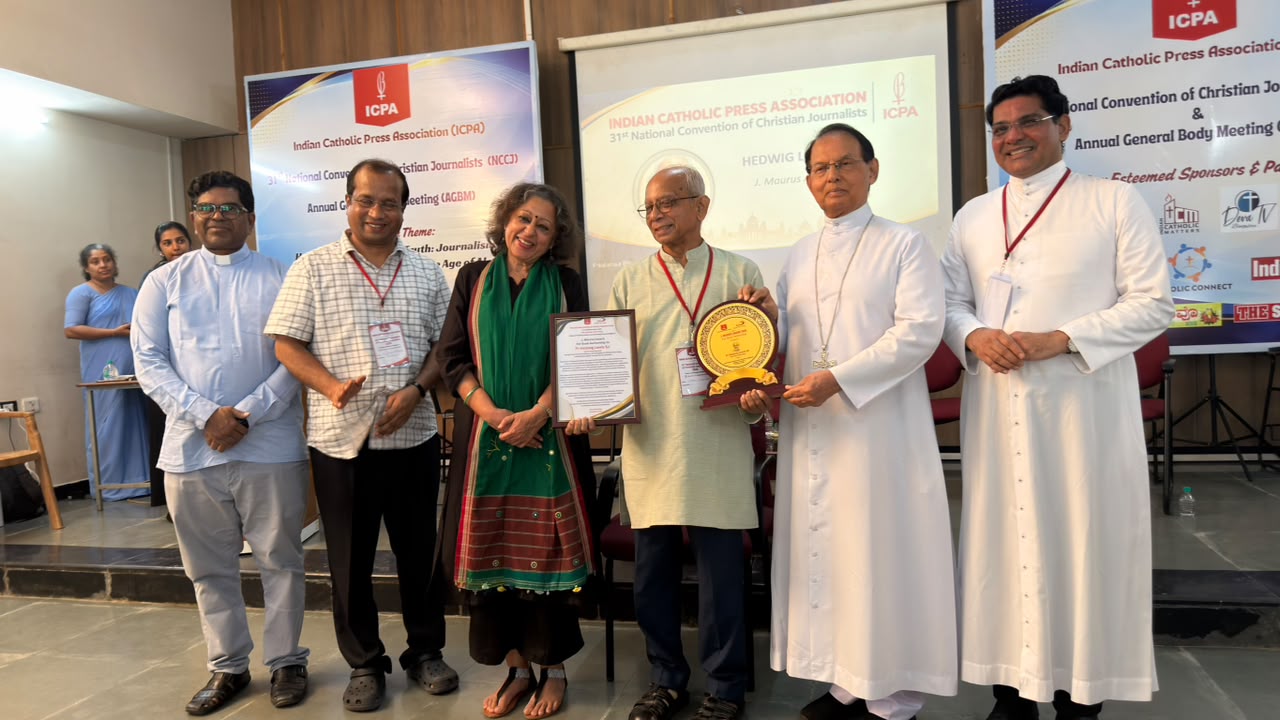 ICPA
ICPA
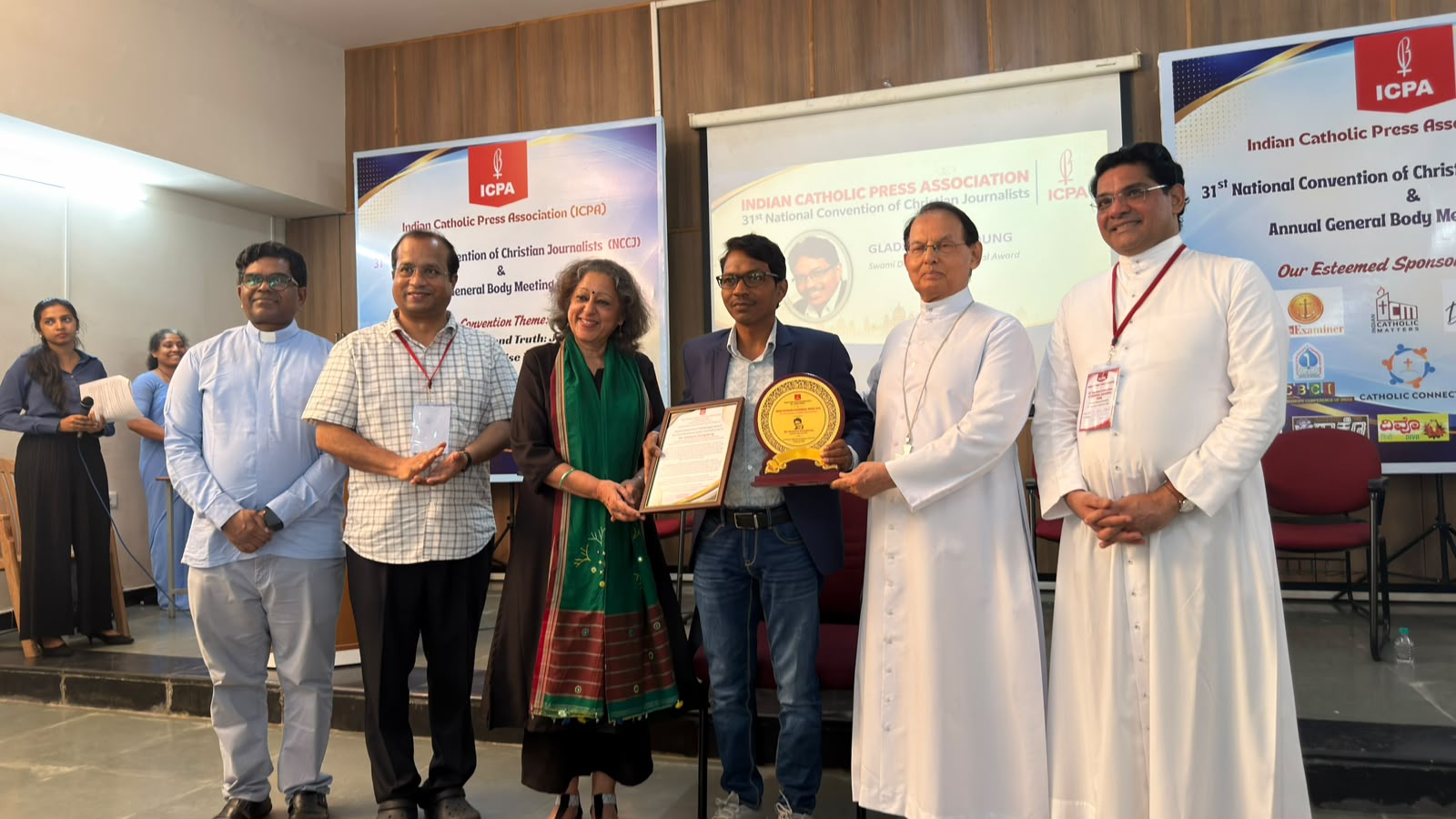 ICPA
ICPA
 ICPA
ICPA
.jpg)
 A. J. Philip
.jpg)
.png) Jacob Peenikaparambil
Jacob Peenikaparambil
.jpg)
.png) John Dayal
John Dayal