

.png) Jacob Peenikaparambil
Jacob Peenikaparambil
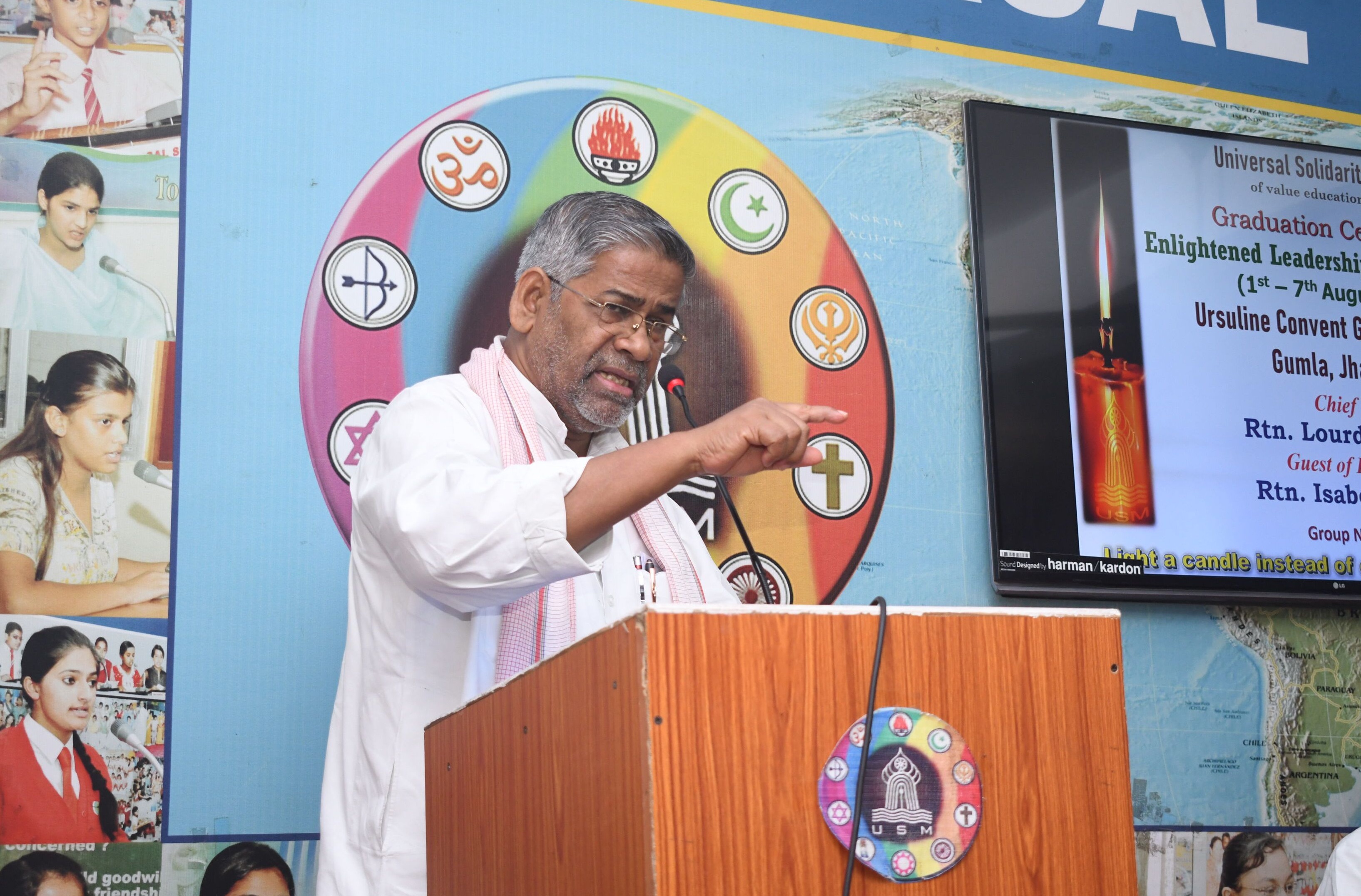
On January 12, 2024, a couple came to the USM to invite the community to their daughter's wedding. While sitting and talking, the conversation turned to Fr. Varghese Alengaden. I noticed tears rolling down the cheeks of one of them. This is not the first time I have seen Fr. Varghese's friends become emotional. Many wipe tears when they recollect their fond memories of Fr. Varghese.
I have taken part in the funerals of many priests, but never have I seen people becoming so emotional with teary eyes as it happened on the funeral day of Fr. Varghese, when hundreds of them gathered in the Red Church in Indore to pay homage to Fr. Varghese on March 28, 2023. He was charismatic, and anyone who met and conversed with him would not forget him.
While taking sessions on 'Vision Formulation', Fr. Varghese asked his audience three questions: 1) How many people should remember you? 2) How long should they remember you? 3) How should you be remembered? Even a year after his death, if hundreds of people remember him and speak about him with much love and admiration, he has left an indelible mark on them and is a visionary.
His vision and passionate mission was building a Civilization of love through promoting peace and harmony. He founded the Universal Solidarity Movement (USM) of Value Education for Peace in 1993 based on this vision. He left no stone unturned to realise his vision and mission. He was a man of hard work and determination. "Struggle, Smile, Stay" was his motto.
Fr. Varghese initiated many innovative programmes and activities to realise the vision of USM. Prominent among them are a One-week Enlightened Leadership Training for young people in USM Community Indore, Seminars for teachers as mentors, Seminars for parents on the Role of Parents in the Education of their Children, Orientation for high school students in schools on USM value education programme, Knit India programme, a four-days live-together of students, teachers and principals from different states of India to promote unity in diversity and National Peace Conventions in various cities of India in collaboration with the National Peace Movement to promote peace and harmony.
Fr. Varghese conducted more than 300 seminars for school teachers and addressed 2,15,600 parents in 235 schools and thousands of students in about 500 schools all over India during the last 30 years to realise the USM vision. He organised 9 National Peace Conventions, in which an average of 300 people from different parts of India participated, to motivate people to work for peace with the ideals of Mahatma Gandhi. Most of the 30 books he wrote were meant to promote his vision of building a civilisation of love.
Fr. Varghese used to tell the participants of his training sessions that visionary people leave a legacy after their death. If 600 students and teachers came to USM for leadership training within a year after his death, it is because of the network of relationships he had established with many educational institutions. If USM received generous financial assistance from many individuals within a year after his death, it is because of the friendships he had built up with many people. If USM can continue its mission without any land and building and any regular source of income, it is because of the spirituality of total faith in the providence of God. If the books written by Fr. Varghese are still in demand, it shows his ideas continue to influence people.
As part of editing a book on Fr. Varghese Alengaden, I read 77 articles by his friends and admirers. While reading the articles, my understanding of Fr. Varghese's personality and the legacy he has left deepened. I wish to share some aspects of his personality and legacy on his first death anniversary on March 26, 2024.
First, Fr. Varghese had an extraordinary capacity to build and maintain friendships with hundreds of people. Every friend of Fr. Varghese felt that he uniquely loved them. He would spend almost an hour every day calling his friends over the phone and talking to them, which he termed phone ministry. He had a particular concern for people who were aged and who were suffering from serious ailments.
Secondly, his hospitality was outstanding. He would be at the gates of USM to welcome and send off guests, friends, or participants of the training programmes, irrespective of the time they arrived or departed. "Best for the guest" was his motto in this regard. He spent his valuable time with the guests, having interesting conversations with them. "I am busy, I have time for you" is the sentence written and kept on his table.
Thirdly, Fr. Varghese had utter faith in God's providence. He insisted that USM should not have its own land and buildings. The movement he started has been functioning in rented buildings for more than 30 years. The current building from which USM functions is the third one. Similarly, he did not apply for government or donor funds. At the same time, many individuals who know the mission of USM and its way of functioning contribute to supporting the USM mission. On average, twenty per cent of the annual income of USM has been contributed by institutions and individuals familiar with its mission. The rest of the income has been in the form of fees for the various training programmes and seminars conducted by the USM and the sale of USM publications. Fr. Varghese believed in living by one's hard work. "God will provide as long as the mission is relevant and we work hard" was his firm belief. Fr. Varghese used to say, "we must be satisfied with the daily bread". Once, a close friend of Fr. Varghese suggested that he create a corpus fund to sustain the USM. Fr. Varghese vehemently opposed the suggestion and reasserted his total faith in the providence of God.
Fourthly, he was a diehard optimist. He was not afraid of failures, setbacks, or negative criticism. "Ho jayega" was his mantra. The title of his last book is Ho Jayega. Fr. Varghese's quote has been a source of great inspiration for thousands of students, teachers, and others.
"Everyone should believe that nothing is impossible; the more the problems, the greater should be our determination; the more the darkness, the greater the need for us to be the light; the more the indifference, the greater should be our sensitivity".
Fifthly, Fr. Varghese dared to express his views through speeches or writings. While he was a critic of Hindu communalism and Islamic fundamentalism, he minced no words on the corruption, ritualism, legalism, divisions and conflicts in the name of liturgy and rites within the Catholic Church. His criticism of the Church emanated from his love and concern for the Church to make it relevant and purposeful in the context of India.
Above all, Fr. Varghese was a spiritual person who understood the core values of all religions and practised them. Some of these core values are forgiveness and reconciliation, compassion with courage, justice and deep respect for every human being. For him, God was not in worship centres, statues and rituals but in every living being especially human beings. He used to tell students, "Realise God within you, actualise God within you and maximise God within you". His role models of spirituality were Jesus of Nazareth, Mahatma Gandhi and Baba Amte. His talks and writings clearly reflect his spirituality based on contemplation, introspection and learning from the Book of Life.
The vision of Fr. Varghese is enormously relevant today when the world is plagued by division, exclusion, violent conflicts and wars. In India, communities are losing faith and confidence in each other. Hate speeches and fake news threaten harmony among communities and the nation's unity.
Fr. Varghese has left his creative ideas, core values, principles, and beliefs in 30 books, 33 songs, hundreds of articles, and many video speeches. Let us take inspiration from him and put into practice some of his noble ideals. That would be the most excellent homage to Fr. Varghese. Let us carry forward his vision and mission of building a civilisation of love by promoting peace, harmony, and justice.
.jpg)
.png) Cedric Prakash
Cedric Prakash
 ICPA
ICPA
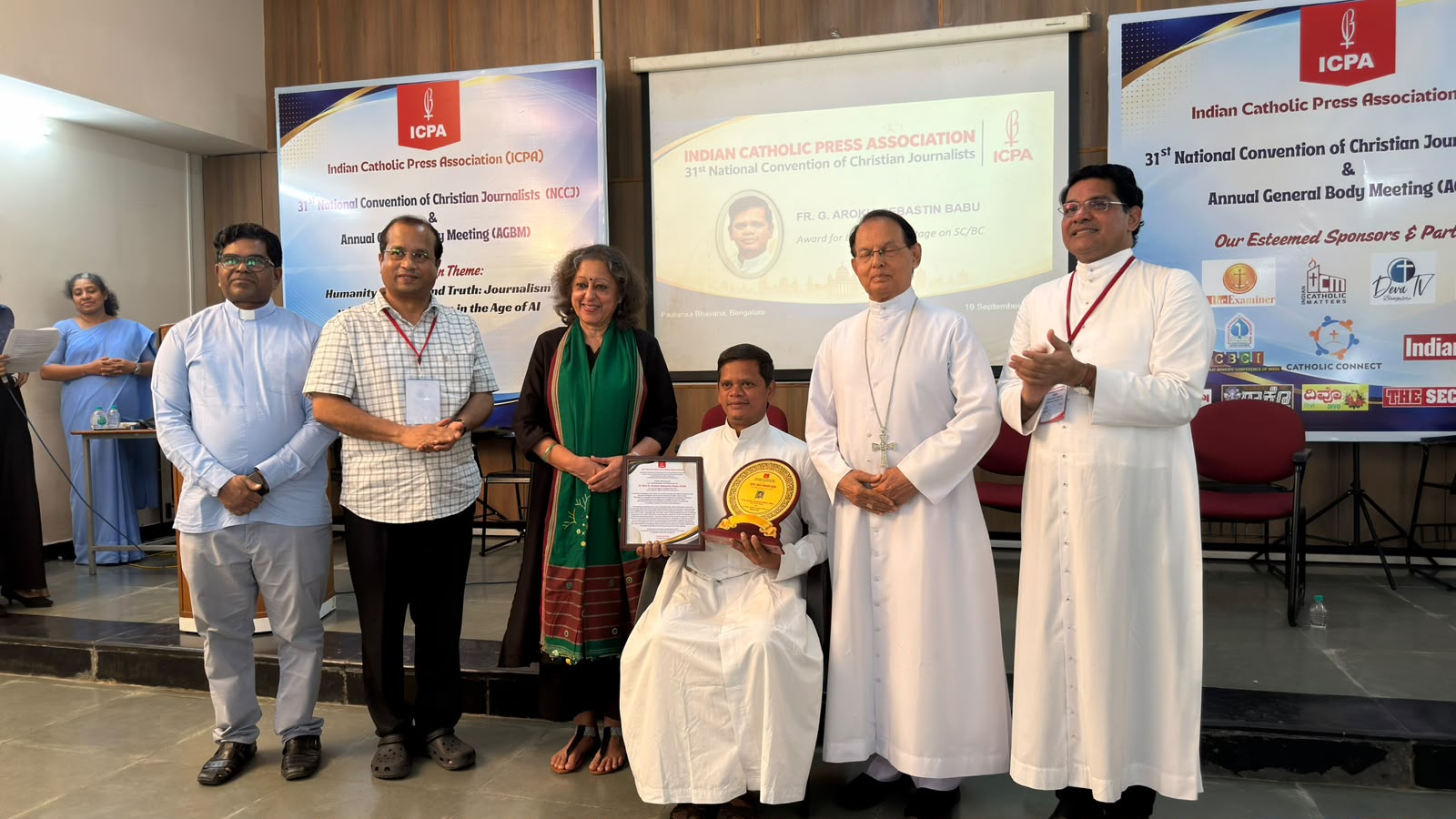 ICPA
ICPA
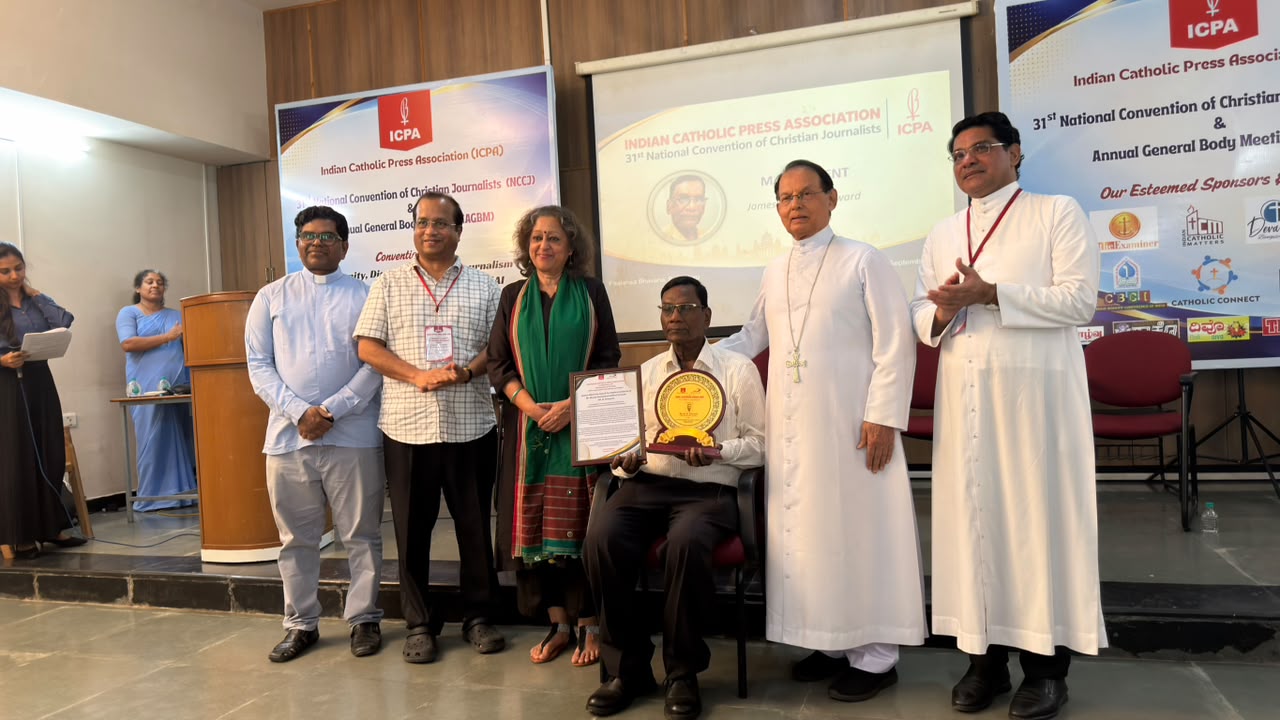 ICPA
ICPA
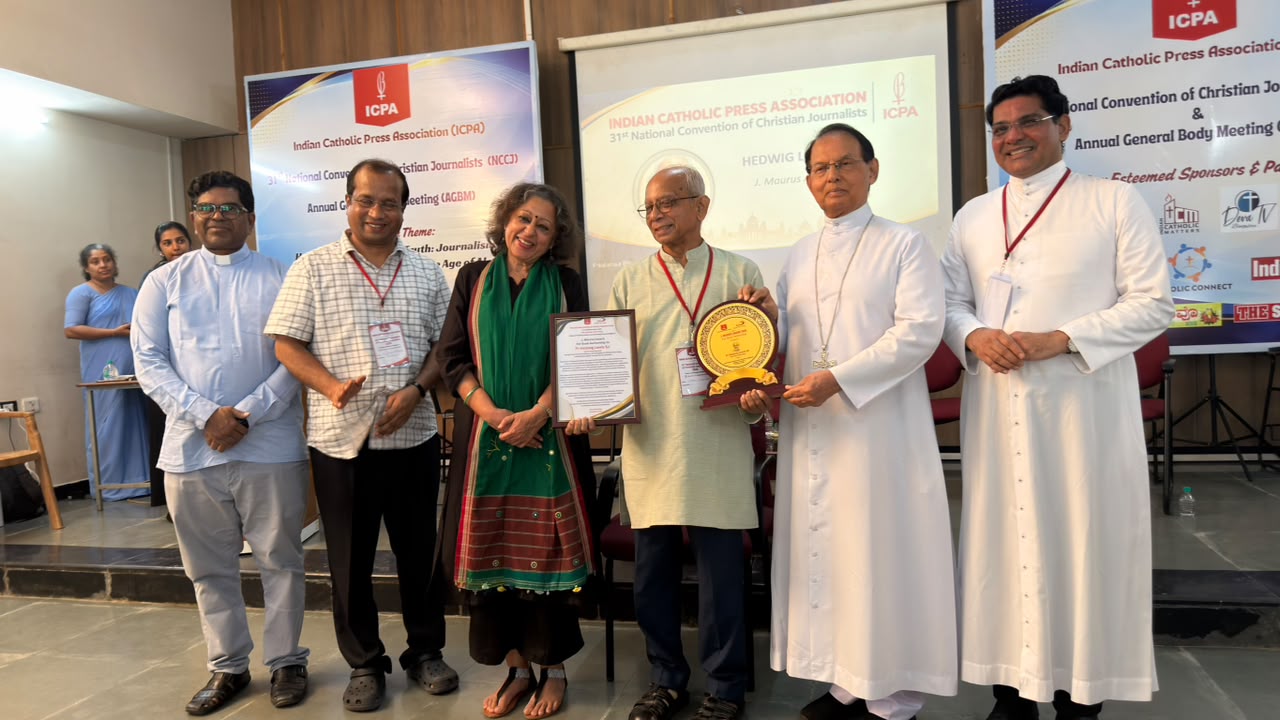 ICPA
ICPA
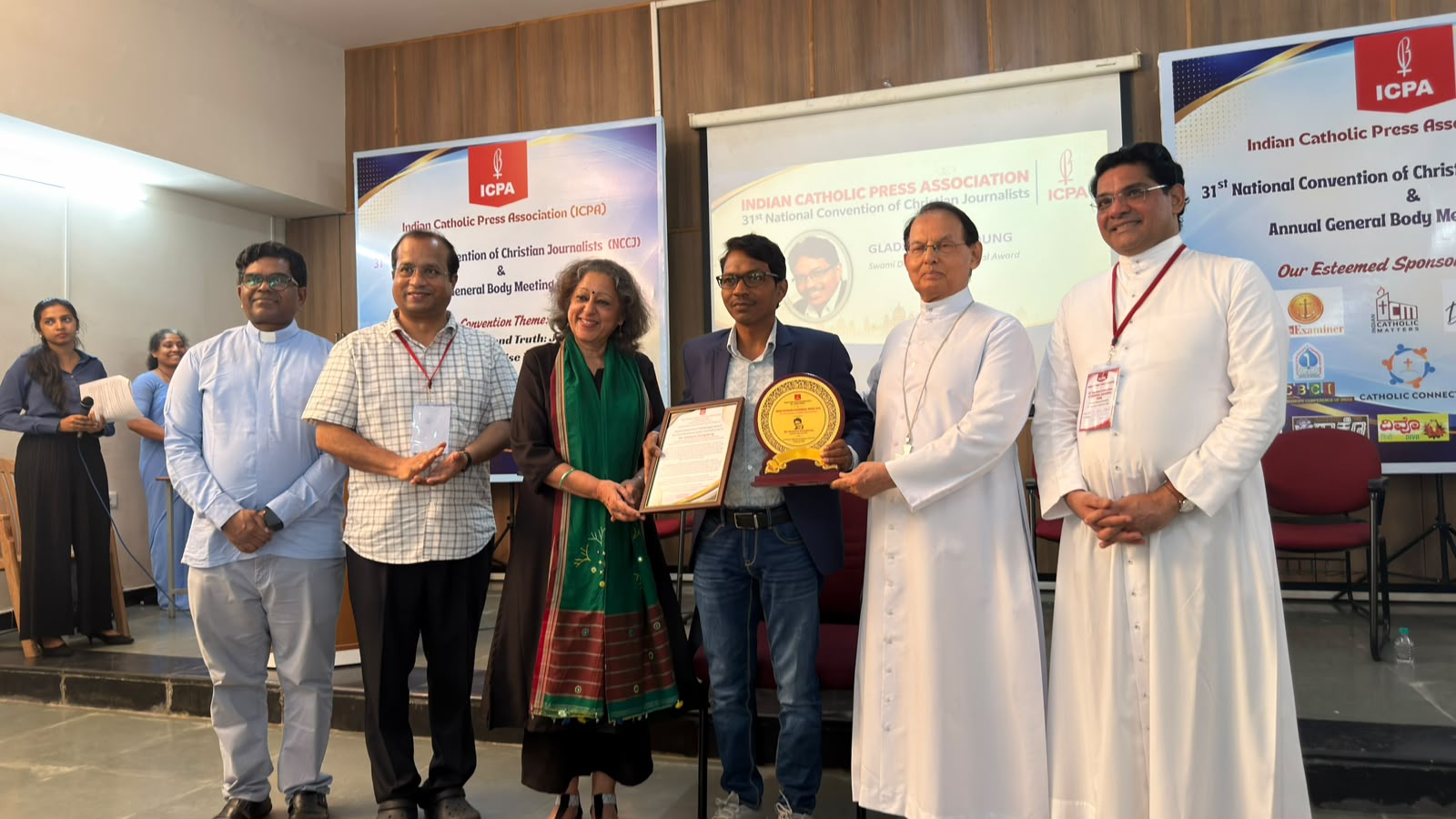 ICPA
ICPA
 ICPA
ICPA
.jpg)
 A. J. Philip
.jpg) Jacob Peenikaparambil
Jacob Peenikaparambil
.jpg)
.png) John Dayal
John Dayal