
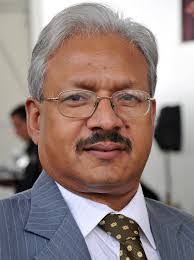
.png) Dr J. Felix Raj
Dr J. Felix Raj
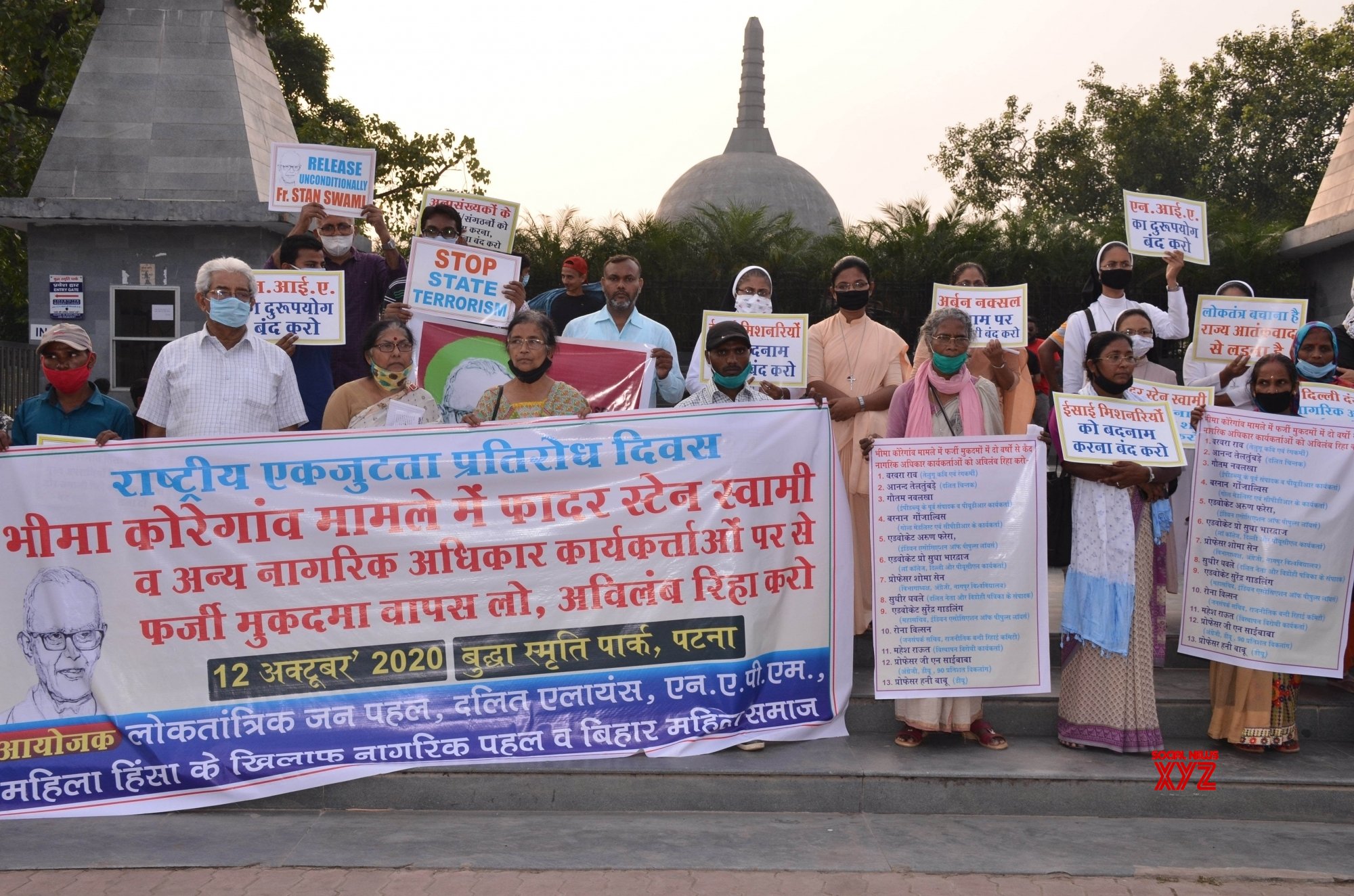
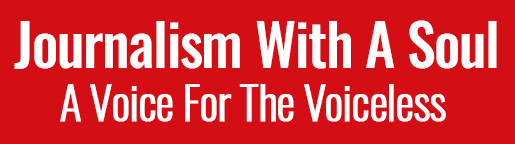
The arrest of Fr Stan Lourduswamy, 83, is a violation of human rights. Arrested in Ranchi on October 8 and taken to Mumbai the next morning, he has been sent to judicial custody till October 23.
INDIAN CURRENTS
We are distressed and troubled. We express our deep concern over the arrest and demand his immediate release considering his age and Parkinson disease. Fr Stan committed his entire life for the uplift of the tribals and Dalits in India, particularly in Jharkhand.
I have known Fr Stan Swamy for many years. He is a veteran fearless tribal rights activist who has worked for over five decades in Jharkhand, fighting for the rights of the Adivasi community. He was part of the Jharkhand Organisation against Uranium Radiation (JOAR), a campaign against Uranium Corporation India Ltd in 1996.
Looking at the shameful way this senior Jesuit priest has been arrested, I find myself failing to repeat the words of Christ on the Cross: “Father, forgive them; they do not know what they are doing.” The arrest is politically motivated. As a true Jesuit who follows Christ, Fr Stan Swamy is sharing in the sufferings of Christ for the sake of justice and truth.
Fr Stan Swamy has often raised his voice against alleged police excesses in Jharkhand, and what he describes as the government’s failure to properly implement the Fifth Schedule of the Constitution in the state.The Fifth Schedule stipulates that a “Tribes Advisory Council (TAC)”, composed solely of members from the Adivasi community, advise governors of tribal-inhabited states on their well-being and development.
Fr Stan Swamy has claimed that none of the governors — the discretionary heads of these councils — has ever reached out to the Adivasis to understand and work on their problems.Fr Stan Swamy has also been a vocal advocate for the release of undertrials. He says they have been unfairly lodged in jails and labelled Maoists. In 2010, he published a book about this, titled Jail Mein Band Qaidiyon ka Sach (The truth of undertrials).”
In the book, he states that the family income of the youths arrested was less than Rs 5,000 in 97 per cent of the cases, and they could not afford lawyers to represent them. He claimed 98 per cent of those arrested were falsely implicated and had no links to the Naxalite movement.
Fr Stan Swamy has sought to represent those who are yet to get rights to land under the Forest Rights Act (FRA), 2006, which seeks to recognise forest-dwelling communities’ claim to land they have inhabited for generations.
It is time now for all academicians, thinkers, philosophers, theologians and the like to come out openly and speak out against the arrest of activists and acts of injustice. Our intervention at this juncture will definitely put the wheels of our country on the right track.
What German Bishop Niemoler said about the situation under Hitler might teach us something: “When Nazis put communists in the concentration camp, I did not protest because I was not a communist; when they persecuted the social democrats, I did not protest because I was not a social democrat; when they massacred the Jews, I did not protest because I was not a Jew; When they banned all political parties and trade unions, I did not protest because I was not one of them; when they came for me, there was no one to speak for me.”
Rev. Fr J. Felix Raj, SJ, is vice-chancellor of St. Xavier’s University
.jpg)
.png) Cedric Prakash
Cedric Prakash
.jpg) Elsa Lycias Joel
Elsa Lycias Joel
.jpg)
 A. J. Philip
.png) Jacob Peenikaparambil
Jacob Peenikaparambil
.jpg)
.png) John Dayal
John Dayal
.jpg)
.jpg)
.png) Joseph Maliakan
Joseph Maliakan
.png)
.png) Robert Clements
Robert Clements
.jpg) Cedric Prakash
Cedric Prakash
 ICPA
ICPA