

hidden image

In Her, Tribals Saw a New Face

Mohan Sivanand Mohan Sivanand
02 Oct 2023

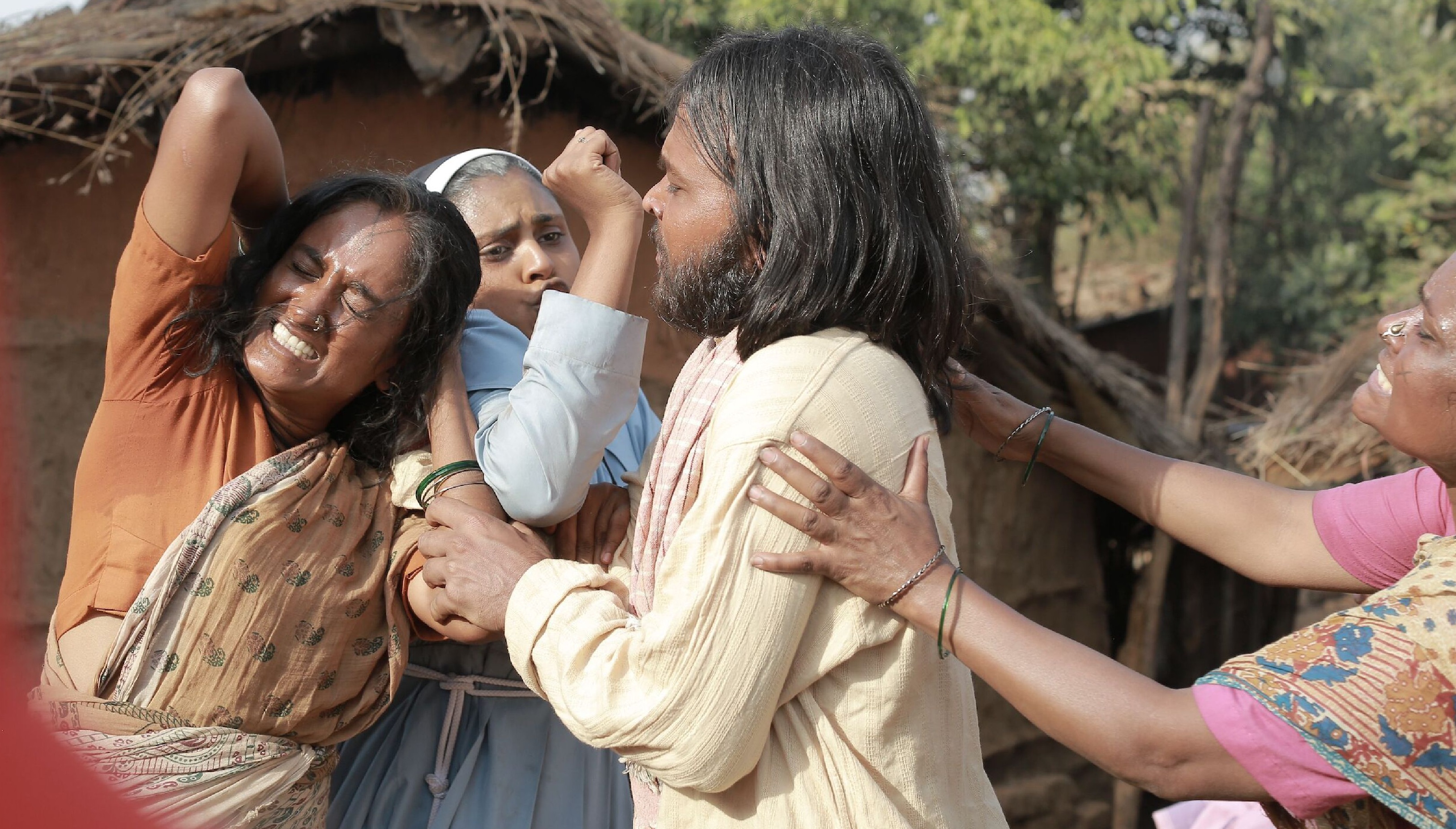
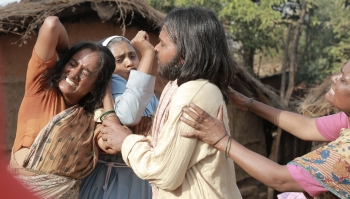
This is among the most outstanding films I watched recently. I caught a preview last week. It’s the true-to-life story of a young nun, Rani Maria, who worked among tribals in rural Madhya Pradesh. Even so, this film is not about religion -- don’t let its posters lead you.

For Shaison P Ouseph, its director, this is his first film, and what a powerful debut! Sister Rani Maria is played by Vincy Aloshious, a rising star from Malayalam cinema. The soft-spoken Dr Ouseph teaches film-making at St Xavier’s College in Mumbai. The film’s producer, Sandra Rana, is Dean at St Xavier’s.

For those who don’t know much about the way tribals are suppressed, tortured, even killed by landlords in northern India, this movie says it all. India has a reprehensible position as a ringleader of modern slavery. Successive governments have not done enough to eliminate this.

Focusing on a group of villages in Indore district, you witness the hell these debt-ridden tribal farming communities endure. In the mid-1990s, Rani Maria was posted in an outstation convent, joining a cheerful sisterhood of nuns from Kerala. So, this Hindi movie has some Malayalam dialogue as well, and English subtitles.

She took on the responsibility, by herself, to right injustices and soon many tribals were no longer dependent on a tyrannical zamindar. He made it his mission to eliminate Maria when his income took a hit. Seniors at the convent, too, found fault with the young nun for going beyond her call.

It’s also a saga of forgiveness, as you will see. Mahesh Aney's camera work doesn’t have a single bad shot. Sister Rani Maria, who died in 1995, has recently been beatified by the Vatican.

(The writer is a former Editor-in-Chief of the Indian edition of Reader's Digest)

Recent Posts

From Somnath to Ayodhya, history is being recast as grievance and revenge as politics. Myths replace evidence, Nehru and Gandhi are caricatured, and ancient plunder is weaponised to divide the present
apicture Ram Puniyani
19 Jan 2026
When leaders invoke "revenge" and ancient wounds, politics turns supposed grievances into fuel. From Somnath to Delhi, history is repurposed to polarise, distract from governance, and normalise hate,
apicture Jacob Peenikaparambil
19 Jan 2026
As Blackstone and KKR buy Kerala's hospitals, care risks becoming a balance-sheet decision. The state's current people-first model faces an American-style, insurance-driven system where MBAs replace d
apicture Joseph Maliakan
19 Jan 2026
Christians are persecuted in every one of the eight countries in South Asia, but even prominent religious groups, Hindus and Muslims, and smaller groups of Sikhs and Buddhists, also find themselves ta
apicture John Dayal
19 Jan 2026
"The Patronage of 'Daily-ness': Holiness in the Ordinary"
apicture Rev. Dr Merlin Rengith Ambrose, DCL
19 Jan 2026
Pride runs deeper than we often admit. It colours the way we see ourselves, shapes the circles we move in, and decides who gets to stand inside those circles with us. Not all pride works the same way.
apicture Dr John Singarayar
19 Jan 2026
India's problem is no longer judicial overreach but executive overdrive. Through agencies, procedure and timing, politics now shapes legality itself. Courts arrive late, elections are influenced early
apicture Oliver D'Souza
19 Jan 2026
India is being hollowed out twice over: votes bought with stolen welfare money, and voters erased by design. As politics becomes spectacle and bribery becomes policy, democracy slips from "vote chori"
apicture Thomas Menamparampil
19 Jan 2026
Oh my follower, You named yourself mine. To gain convenience Personal, professional, political Without ever touching
apicture Dr Suryaraju Mattimalla
19 Jan 2026
Our chains are more sophisticated. They are decorated with religion. Polished with patriotism. Justified with fear of 'the other.' We are told someone is always trying to convert us. Someone is always
apicture Robert Clements
19 Jan 2026