

.jpg) P. A. Joseph
P. A. Joseph
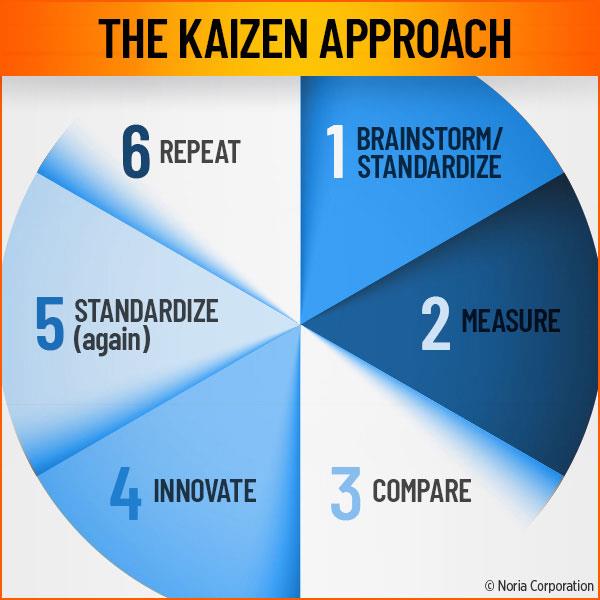
Kaizen is a Japanese ideology and methodology of action and living. It is a practical philosophy and spirituality discovered, experienced and being lived by the Japanese people. It bears grant success. In short it forms and instructs for better ways of living in all circumstances. As an ideology it speaks volumes of struggle for success. It is a philosophy deeply praxis-oriented. As a spirituality it looks for the best way of performing and hence it takes you to that which is beyond oneself. It gives a divine and human power for the best.
Ultimately, we live what we believe. Hence our life is not mere functioning and it goes beyond. It is constantly in search of improvement and hence it is limitless and in a way infinite. Hence it constantly searches for needed change to discover the next step. The search for change is not for change’s sake. It demands to identify practical goals both short- term and long-term ways of living. It always believes in making small and manageable steps to achieve the goals perceived. It always enforces changes to be taken step by step. Even a small step is significant, as every step looks to the next one ahead. It also demands to restart as we are bound to make mistake or prone to divert from the goal ahead.
When I say Kaizen is a process, it speaks of movement: physical, mental, psychological, environmental or even emotional; in one word: human. Similarly, any process, advance, progress, evolution, any operation, any undertaking, speaks of movement and action. In this process, or dynamism, I do not/should not fall into routine. For routine is unintelligent, irrational, and not really attuned to what is human. Animals can be trained in routine way of doing. When I follow routine, the role of intelligence in me collapses. If humans go routinized, he/she is less human and go close to being animalised. Every action must be guided by intelligence and not by habits and routine. In this context, I need to amend my life with small actions that are transformative. Hence, I should look at even small things, events, omissions, procedures, etc. as really significant. Little things are incremental with transformative effects.
Another dynamism of Kaizen-mode is the wisdom to prioritize. We deal with number of issues important and less important, casual and urgent, traditional and progressive, conservative and modern, and such issues. My approach must be to negotiate what is relevant as the saying goes: “Need of the time is the will of God” (Theodosius Florentini). In this endeavour I need to analyse as to what is the priority in my procedure. Ability to prioritise is wisdom. Yet another aspect is to avoid toxic situation and be relaxed in the approach in confronting issues. This demands the Kaizen method of silence and reflection. There is much to learn from/in silence-culture than noise-culture. Kaizen-method well understood and followed, maximises possibilities in any one’s life situations with all its negative and uphill milieu. Its dynamism is its positive approach to tough life situations.
The Kaizen philosophy assumes that our way of life -- be it our working life, our social life, or our home life -- deserves to be constantly improved (Mr Masaaki Imai).
Kaizen-method is a PASSPORT and VISA to be clearly and easily approved in my life even in a just few days and adopting new challenges. Kaizen will make me transparent.
.jpg)
.png) Cedric Prakash
Cedric Prakash
 ICPA
ICPA
 ICPA
ICPA
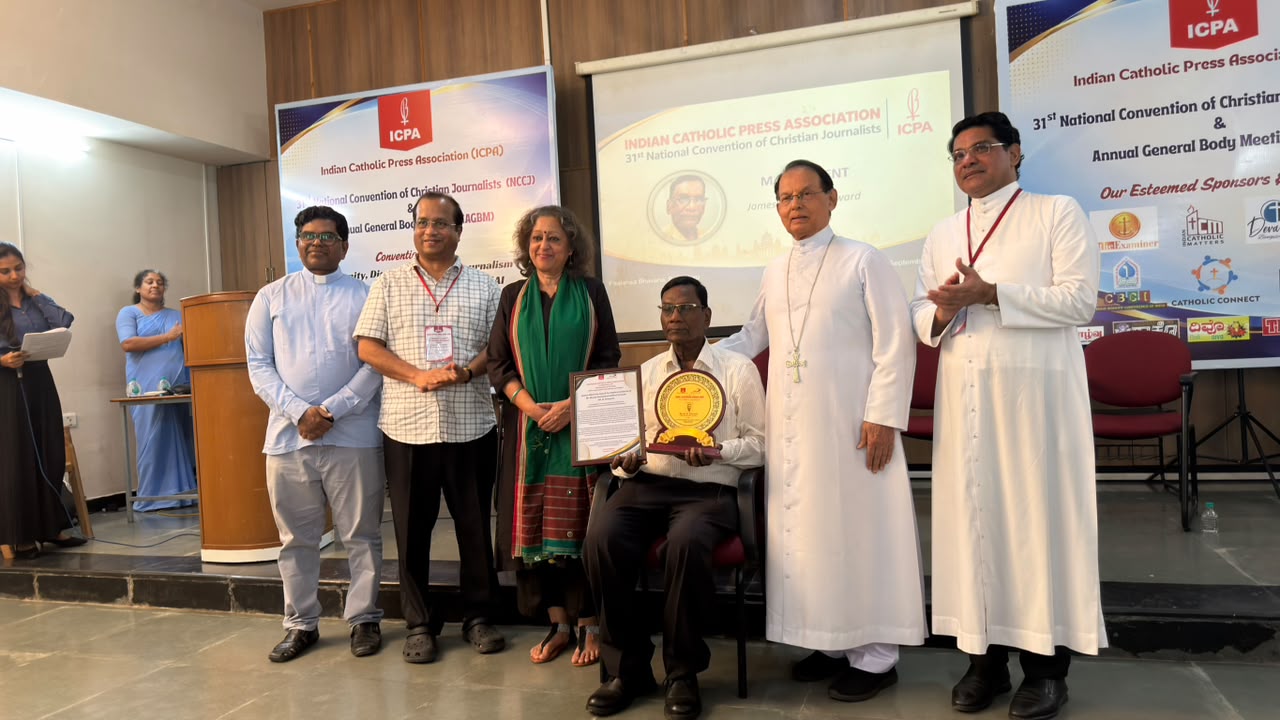 ICPA
ICPA
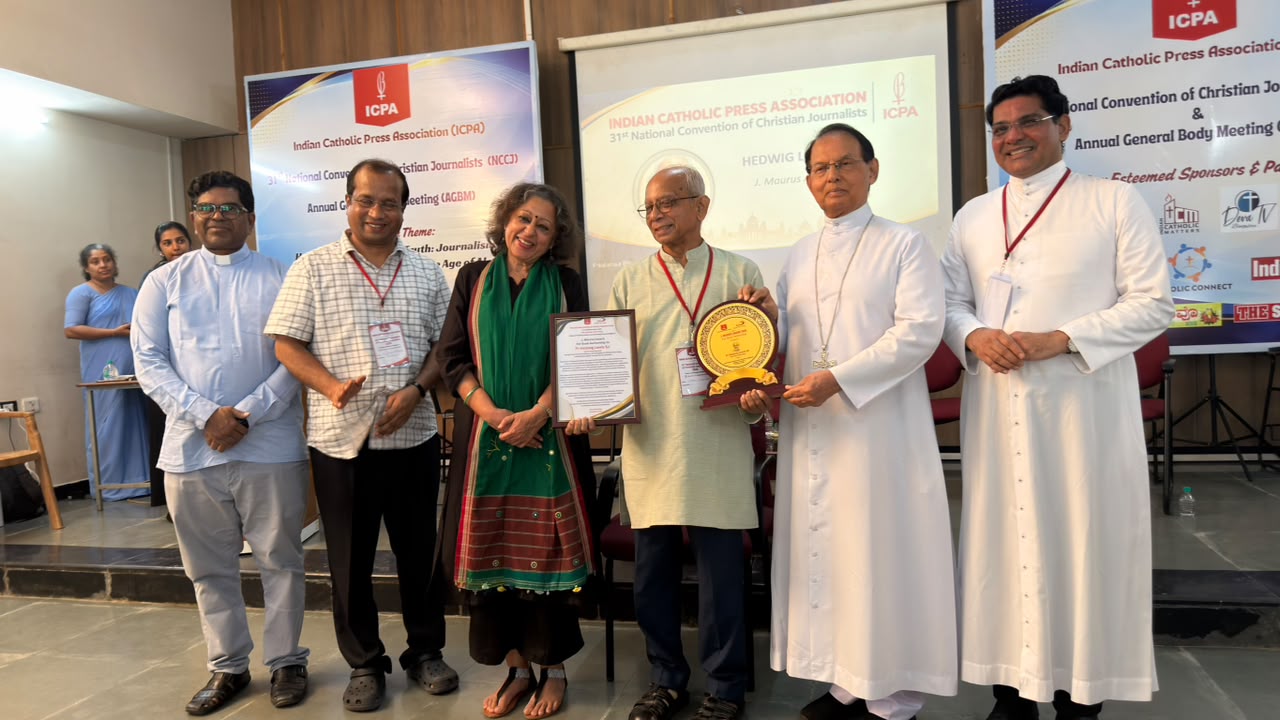 ICPA
ICPA
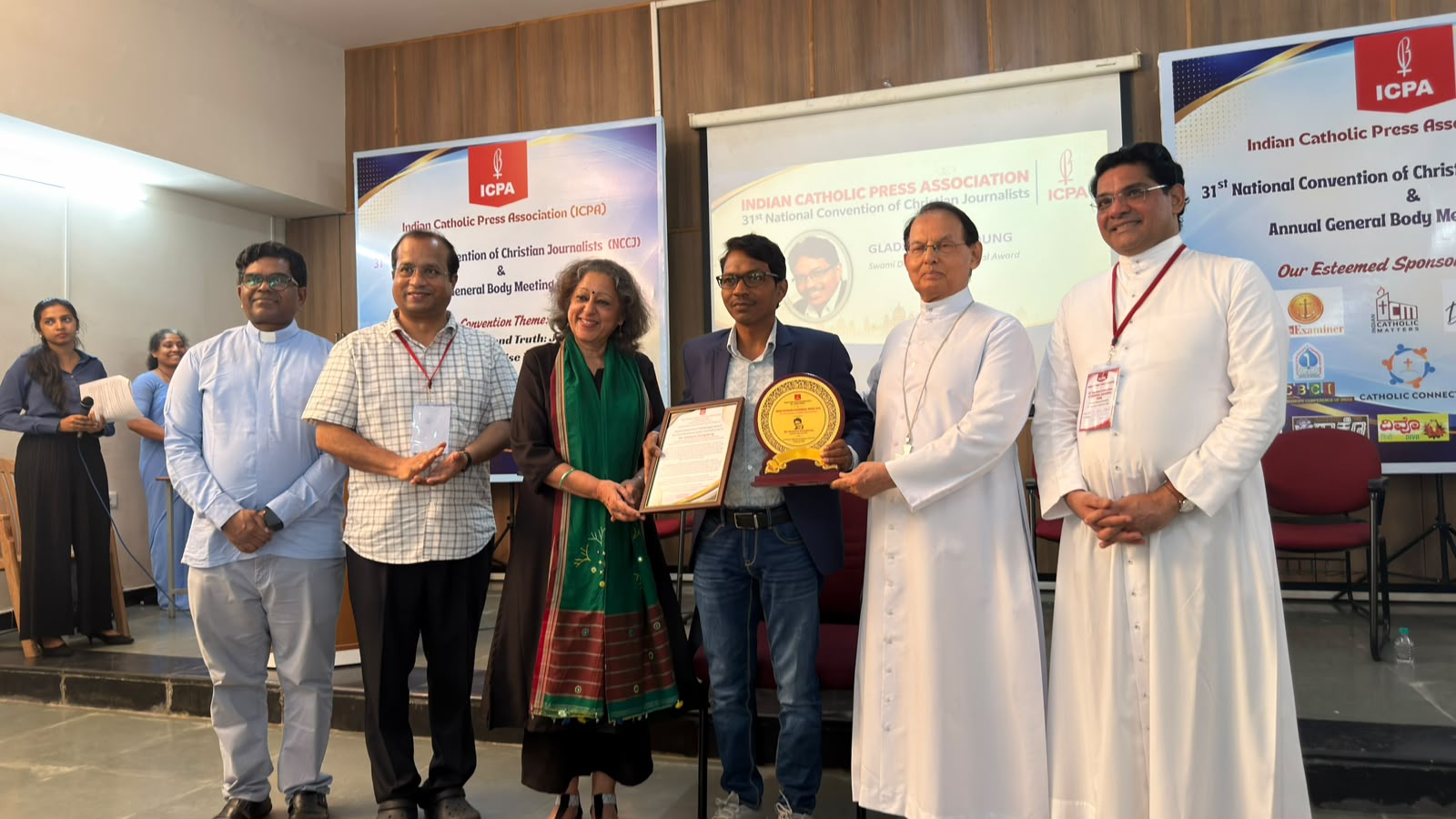 ICPA
ICPA
 ICPA
ICPA
.jpg)
 A. J. Philip
.jpg)
.png) Jacob Peenikaparambil
Jacob Peenikaparambil
.jpg)
.png) John Dayal
John Dayal