

.jpg) T.M. Joseph
T.M. Joseph
The rate, spate and type of crimes taking place in India are alarming. Those who read newspapers and watch TV news are aware of the extent of crimes in India. Just mention a few, Sonali Phogat’s death in Goa, Ankita Bhandari’s in Uttarakhand, Lakhimpur girls’ rape and murder in U.P. and indiscriminate firing in Bihar.
If the society is plagued by so much of violence and corruption in public life, it is to a great extent due to the absence or lackadaisical handling of character and value education in the educational institutions. For a democratic society to grow and flourish, moral and ethical values are a must. Devoid of them, no democratic society can last long. O’Shea says, “Character development is the great, if not the sole, aim of education.” John Ruskin, the great educationist, says, “All education must be moral primarily, intellectual secondarily.”
Education is the life-oriented integral formation of the students that enables them to develop their God-given potentialities and thus grow into persons physically fit, intellectually well-trained, morally persons of conscience, right values, sound principles and committed to doing justice, socially service-minded, spiritually inspired, personally mature, loving and open to lifelong growth. So, education is the training and integration of one’s physical, intellectual, emotional, moral, social, spiritual and aesthetic potentialities and capabilities.
Education is supposed to build up character and preserve the moral and spiritual values of the society, but the atmosphere prevailing in our schools and colleges seems to contribute to moral decadence and depravity. Educational institutions have become mere shopping centers of knowledge and information and their primary purpose, namely character formation is given a back seat or completely ignored. Winston Churchill said, “The first duty of a university is to teach wisdom, not trade; character, not technicalities.” According to Jackson Dirs, “Truthfulness is the cornerstone of character, and if it is not firmly laid in youth, there will ever after be a weak spot in the foundation.”
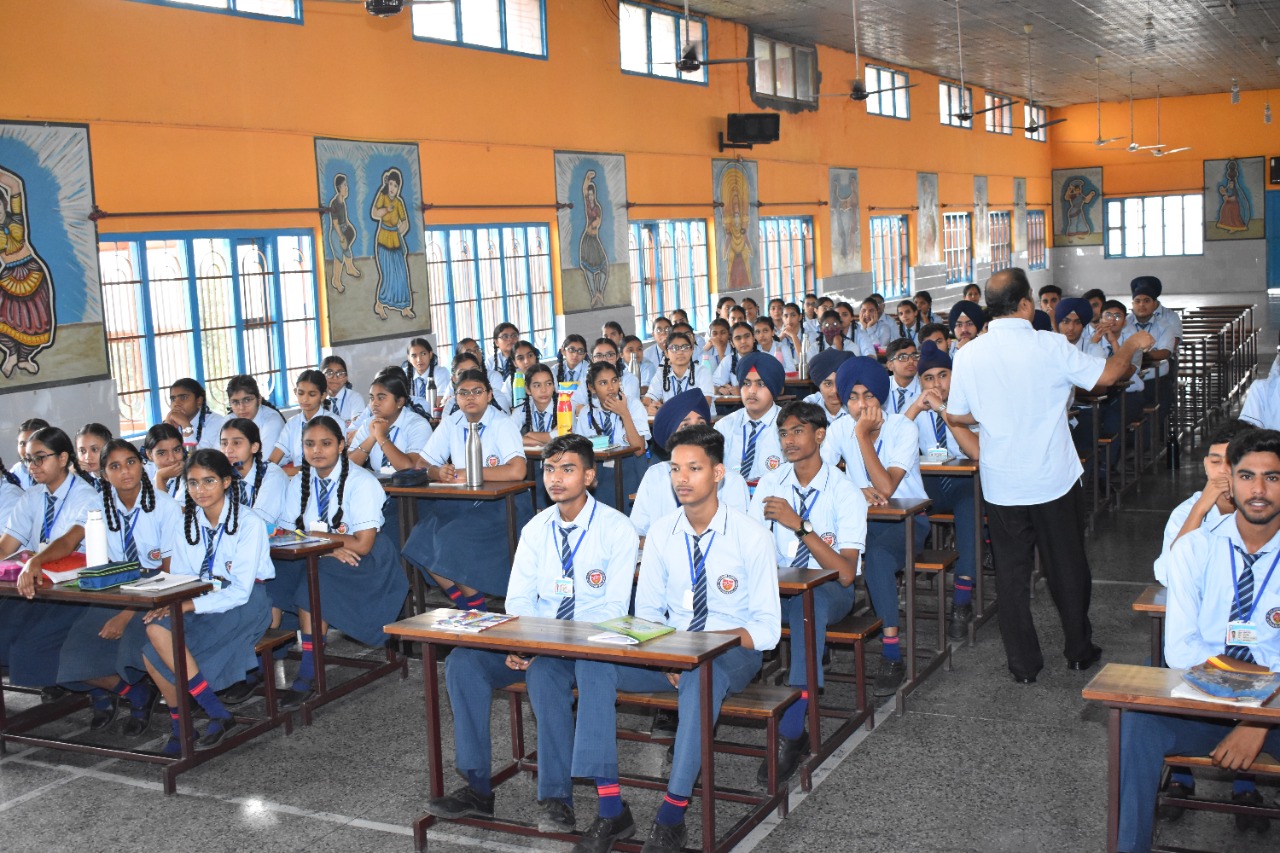
Schools should instill in students worthwhile habits of mind and heart and should shape their character and personality. They should foster creative and critical thinking, human relationship and values, self-esteem and self-confidence. The schools should see that the students really absorb the values of brotherhood, tolerance, honesty, truthfulness, justice and fairness. The students should be equipped to build human communities of love, fellowship, freedom, justice, peace and harmony.
A teacher’s job would be much simpler if he or she has to teach only academic subjects. Teaching academic subjects is only just one aspect of the multifaceted job of a teacher. Education should help the students to organize their physical, intellectual, emotional, moral, social and spiritual activities, aptitudes, tendencies and habits. When they are well organized, we have a mature, wholesome personality. A teacher has to address the whole child, his or her mind and heart. He or she has to teach the children to care about themselves, their classmates, their school, the society in which they live and the world at large. So, the aim of education is the integral formation of the student and not just equipping him or her with a lot of information.
At present, the sole objective of education has become the gathering of a lot of information and knowledge and vomiting them out in the examination. This is not at all education. The famous Greek biographer and essayist Plutarch said, “Mind is not a vessel to be filled, but a fire to be kindled.” William Butler Yeats says, “Education is not the filling of a pail, but the lighting of a fire.” Education does not consist in mere acquisition of knowledge; it should go far beyond that and enter into one’s very character and personality. A true education should instill in students worthwhile habits of mind and heart. It should inculcate in students systematic hard work, accurate observation, good concentration, excellent planning, unwavering perseverance, an optimistic and mature outlook and the cultivation of virtues and genuine human values.
Since values are not so much taught as they are caught or imbibed by the students through osmosis from the prevailing atmosphere in the school, the principal and the teachers have the bounden duty to create a suitable environment in their educational institutions.
This can be done by making the institution student-centered. In a student-centered school or college, there will be good discipline, but this discipline is enforced in a civilized and humane manner and not through fear, threat or hefty fine. Preventive discipline will be the hallmark of such an institution. Teachers prepare their lessons well and make the class interesting and meaningful and do the corrections promptly and properly.
Every student is praised for his or her achievement and encouraged to do better and is made to feel that he or she is a success. Various co-curricular activities are organized so that the students can develop their talents. The students experience joy and freedom in such an institution and are increasingly involved in its running. In short, the institution exists for the good of the students and anything that goes against it is not tolerated.
The key figure in a school is the principal. He or she is the chief administrator of the institution. “Administration has been defined as the guidance, leadership, and control of the efforts of a group of individuals toward common goals.” (Arthur J. Jones) The achievement of the common goals, to a great extent, depends on the caliber of the principal. The principal should be a person of character, sound spirituality, wisdom and learning with the ability to lead and guide both the teachers and the students. “In order to teach, it is enough to know something. But to educate one must be someone. A true education consists in giving oneself as a living model, an authentic lesson,” said Saint Alberto Hurtado. The principal should be a living model both to the teachers and the students.
In conclusion, I would like to mention a few sine qua non leadership qualities of a principal. He should possess the ability to motivate and inspire others, take sound decisions, plan and organize things and communicate with the staff, the students and the parents clearly and in a pleasant way. He should possess the spirit of service, and should be self-confident, enthusiastic, optimistic and easy to get along with. A principal should be fully aware that his or her character and spirituality, whether he or she likes it or not, will permeate the entire school and the school in turn will reflect on them. So, a principal should be a person with integrity of character and sound spirituality.
.jpg)
.png) Cedric Prakash
Cedric Prakash
 ICPA
ICPA
 ICPA
ICPA
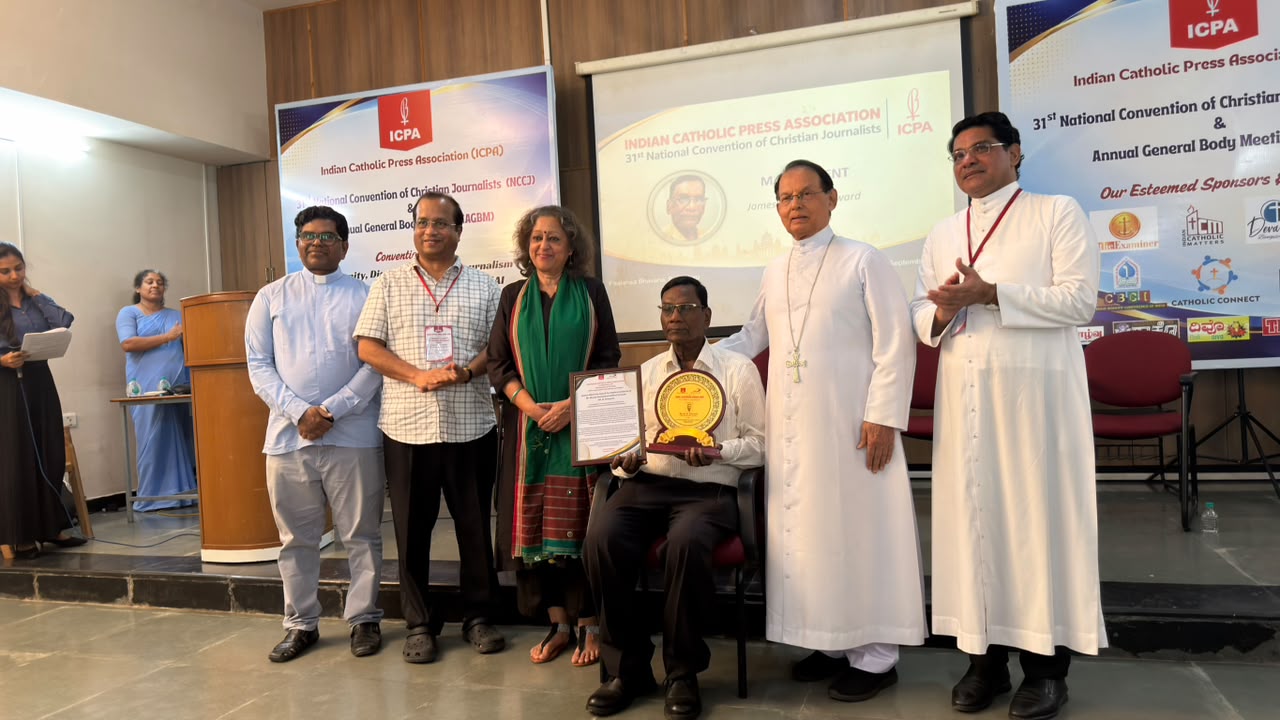 ICPA
ICPA
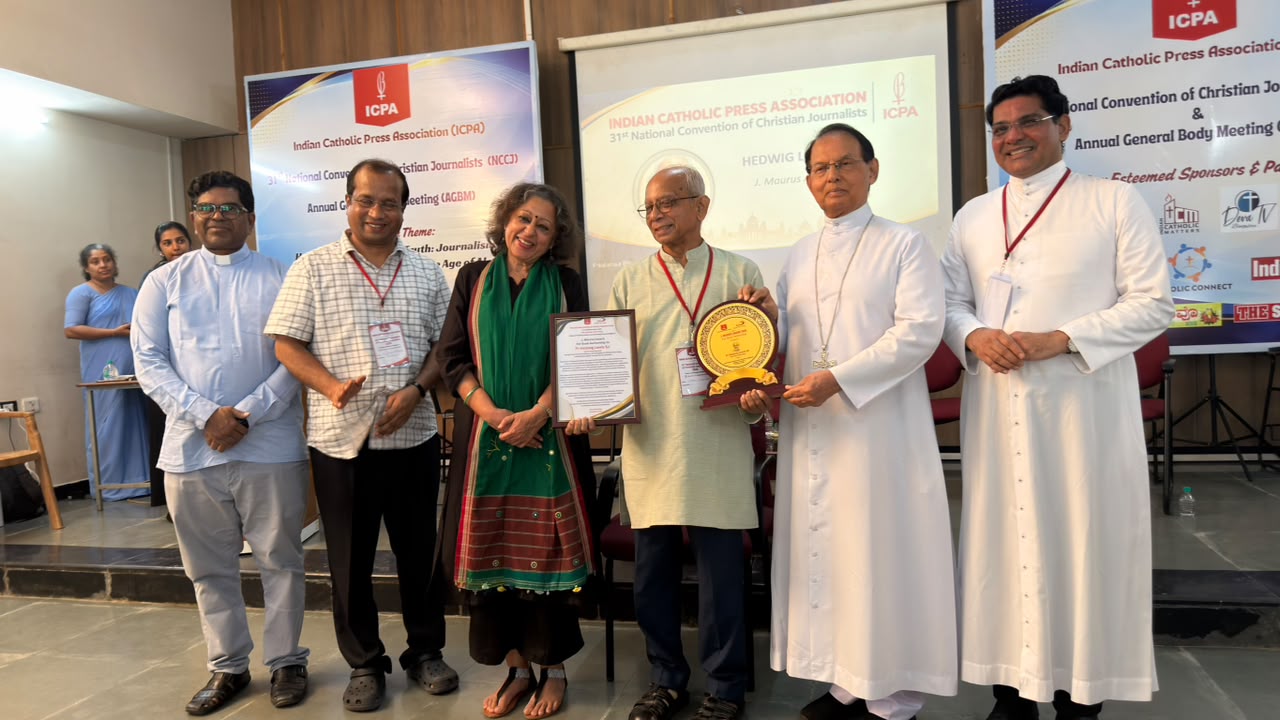 ICPA
ICPA
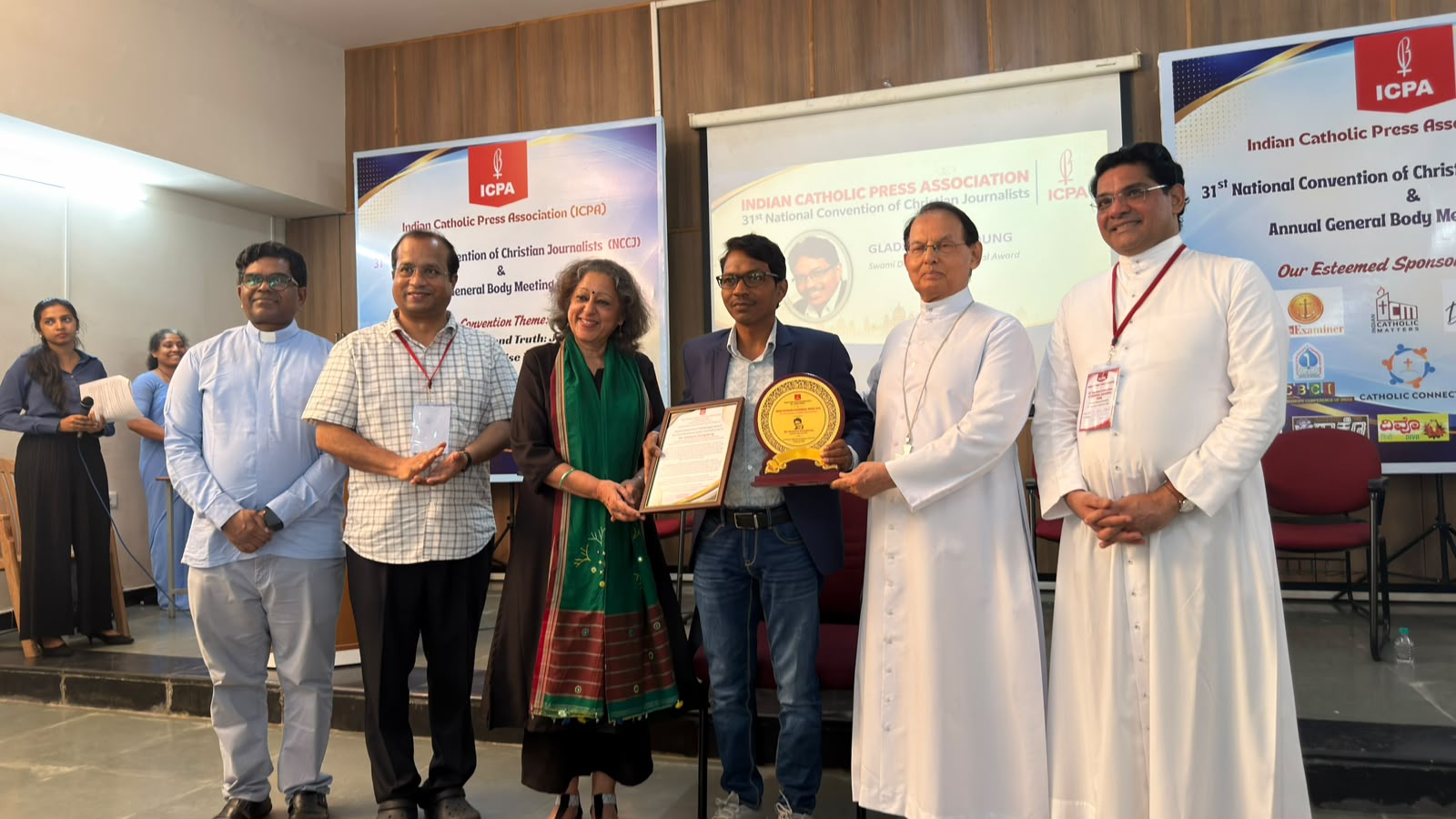 ICPA
ICPA
 ICPA
ICPA
.jpg)
 A. J. Philip
.jpg)
.png) Jacob Peenikaparambil
Jacob Peenikaparambil
.jpg)
.png) John Dayal
John Dayal