

.png) Joseph Maliakan
Joseph Maliakan
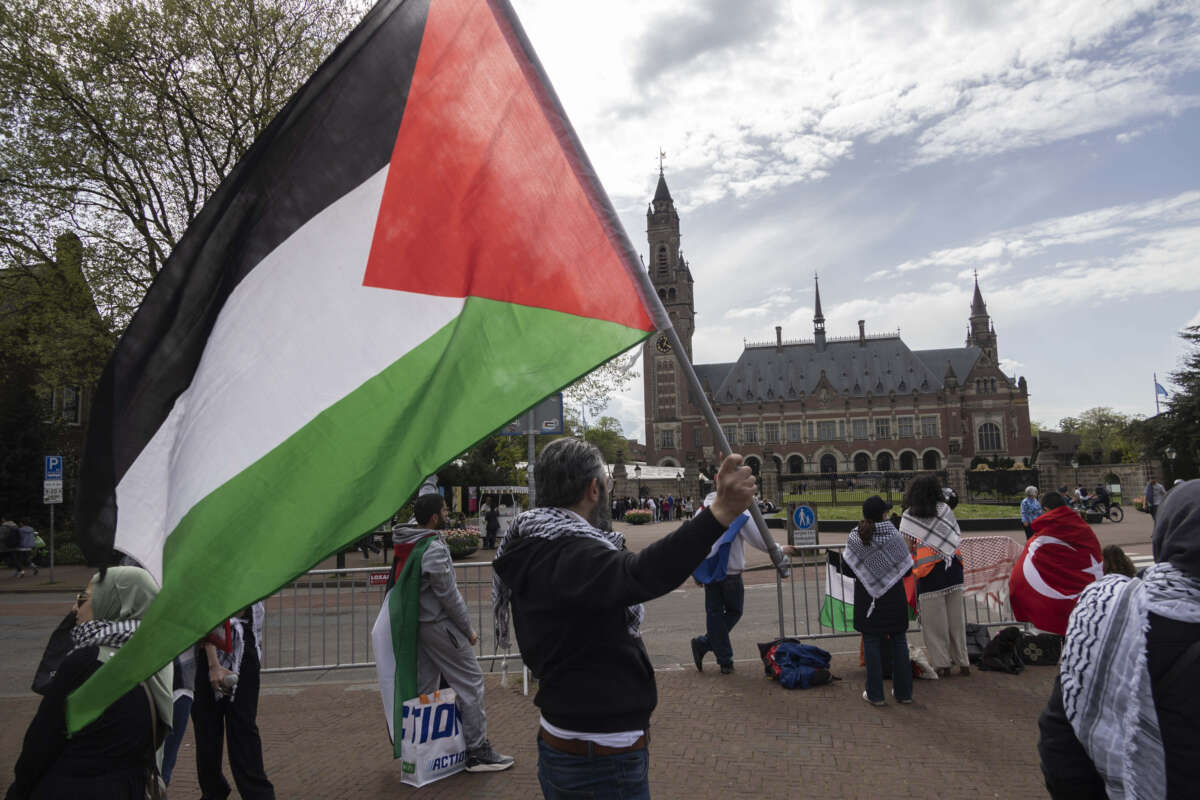
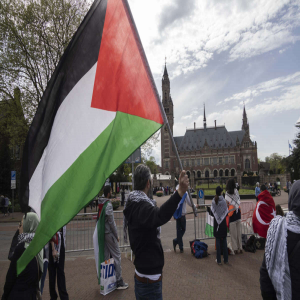
The International Court of Justice (ICJ), on January 26, 2024, ordered provisional measures against Israel for violations in the Gaza Strip of obligations under the Convention on the Prevention and Punishment of the Crime of Genocide. It included an immediate halt to all killings and destruction that is being perpetrated by Israel on the Palestinian people.
In light of the judgement, the United Nations warned member states against the transfer of weapons and ammunition to Israel, which may constitute a violation of human rights and International Humanitarian Law (IHL) and risk state complicity in international crimes, including genocide.
Further, on July 19, 2024, the ICJ, in a detailed order, held that the sustained abuse by Israel of its position as an occupying power, through the use of disproportionate violence on the Palestinian people, violates fundamental principles of international law and renders Israel's presence in the occupied territory unlawful.
IHL obligates countries to recognise that wars have limits and regulates the conduct of states. India is bound by various international laws and treaties that obligate India not to supply weapons or ammunition to states guilty of war crimes. India is obligated under the Genocide Convention to take all measures within its power to prevent genocide. India, therefore, cannot export any military equipment or weapons to Israel when there is a risk that these might be used to commit war crimes. Article III of the Genocide Convention makes complicity in genocide a punishable offence.
The obligation not to supply weapons to States possibly guilty of war crimes is an obligation directly based on Article I of the Geneva Convention, which India has signed and ratified. Despite this, the Indian government has granted licenses for the export of arms and ammunition to Israel to various companies, including a public sector company. At least three companies in India dealing with the manufacture and export of arms and ammunition have been granted licences for the export of their products to Israel even after the ICJ ruling on genocide by Israel.
A petition pointing out the gross violation of IHL and the Convention on Genocide by the Government of India was filed in the Supreme Court of India on September 9, 2024. The petition's signatories included former civil servants, eminent academics, and social activists. However, a three-judge bench of the Supreme Court of India, comprising Chief Justice of India, Dr Dhananjaya Y Chandrachud, and Justices JB Padiwala and Manoj Misra, dismissed the writ petition filed under Article 32 of the constitution without even issuing notice to the Union of India.
The Supreme Court, in its dismissal order, said, "Supporting the submissions of the petitioners, Mr Prashant Bhushan, counsel has relied on the rulings of the International Court of Justice allegedly into the conduct of Israel in Palestinian territories. The submission said India is bound by international treaties which disallow the supply of military weapons to States who have engaged in war crimes/genocide. In other words, the submission is that the continuation of the export licences would constitute action complicit against the Genocide Convention and other international obligations that India has assumed."
First, the use of the word allegedly about the ICJ ruling on Israel's conduct by the Supreme Court is intriguing. The ICJ ruling was very detailed and firmly established war crimes committed by Israel in the occupied territories. The Supreme Court has erroneously treated the petition as the Indian Government's foreign policy matter. Here, what is at stake is the International Human Rights Law and Convention on Genocide, which India has signed and ratified. The Government of India is bound to abide by the Convention and the rulings of the ICJ.
Further, the Supreme Court has taken the supply of arms and ammunition to Israel as a simple business deal. After the ICJ found Israel guilty of genocide, how could any member state of the United Nations supply arms and ammunition to Israel under normal business rules?
In this context, it is pertinent to point out details of the conduct of other countries in the matter of supplying arms and ammunition to Israel following the ICJ indictment of Israel's conduct in the occupied territories of Palestine.
On September 3, 2024, the United Kingdom suspended arms exports to Israel over humanitarian law concerns. In March 2024, Canada's parliament passed a non-binding motion on the Gaza conflict, calling on the government to cease the further authorisation and transfer of arms exports to Israel. The motion states on the transfer of arms: "the House calls on the government (b) cease the further authorisation and transfer of arms exports to Israel to ensure compliance with Canada's arms export regime and increase efforts to stop the illegal trade of arms , including to Hamas." In response to the motion, the Ministry of Foreign Affairs responded: "All permits issued for the export of military goods and technologies destined to Israel between October 7, 2023 and January 8, 2024 - as well as all previously approved permits which remain in effect - are for non lethal items. The government has not approved any new permits since January 8, 2024. The government is also fully engaged in responding to the provisions of the motion passed by the House of Commons on March 18 2024."
Similarly, Spain also stated that no arms sales to Israel have been authorised since October 7, 2023. A statement issued by the Ministry of External Affairs, Spain, on February 2, 2024, said, "In response to reports in some media, the Ministry for Foreign Affairs, European Union and Cooperation informs that no arms sales operations to Israel have been authorised since October 7, 2023."
Japan-based ITOCHU Corporation announced on February 5, 2024, that it will end its partnership with Israeli weapons manufacturer Elbit Systems by the end of February. According to a Reuters report, ITOCHU Chief Financial Officer Tsuyoshi Hachimura said, "ITOCHU plans to end the collaboration after the World Court ordered Israel last month to prevent acts of genocide against Palestinians and do more to help civilians."
As reported by the Business and Human Rights Resource Centre, the local government of the Walloon Region in Belgium suspended arms export licenses to Israel, citing an ICJ ruling ordering Israel to prevent genocide.
However, India carries on unmindful of the "alleged" International Court of Justice finding on Israeli genocide in Palestine!
.jpg)
.png) Cedric Prakash
Cedric Prakash
 ICPA
ICPA
 ICPA
ICPA
 ICPA
ICPA
 ICPA
ICPA
 ICPA
ICPA
 ICPA
ICPA
.jpg)
 A. J. Philip
.jpg)
.png) Jacob Peenikaparambil
Jacob Peenikaparambil
.jpg)
.png) John Dayal
John Dayal