

.png) Joseph Maliakan
Joseph Maliakan
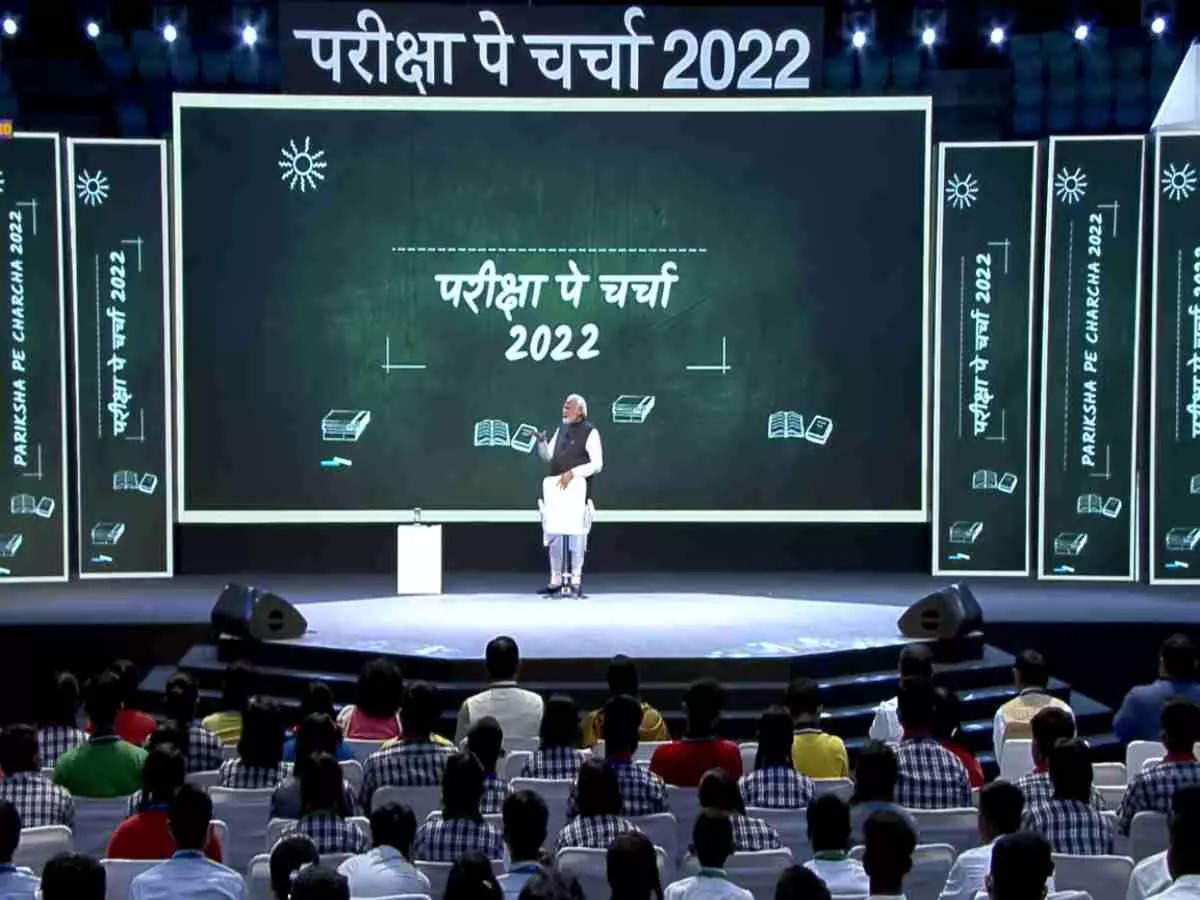
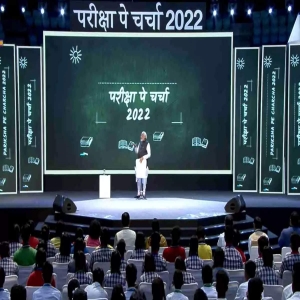
The National Talent Search Examination, conducted by the National Council of Educational Research and Training (NCERT) to select 2,000 schoolchildren from all over the country for scholarships, has been abandoned. The Scheme has been replaced with Pariksha Pe Charcha, an annual event at which Prime Minister Narendra Modi advises students on how to prepare for various examinations!
The National Scholarship Scheme, started by the Union Education Ministry in 1963, was a much sought-after scholarship scheme by school students in the country. The examination used to be held in two phases. In the first phase, the states screened the students. Those selected by the states were examined by the NCERT, and 2,000 students were awarded national scholarships every year. Each student selected for the scholarship would receive Rs 1,250 a month in Classes XI and XII. Each scholar would receive Rs 2,000 a month at the undergraduate and postgraduate levels. The scholarship at the PhD level became equivalent to the value of the Junior Research Fellowship given by the University Grants Commission, Rs 37,500 a month for five years.
For at least two decades after its introduction, the National Talent Examination was considered a real test of talent. However, with the introduction of more and more national-level tests for admission to engineering, medicine, management, and the CUET for admission to any undergraduate course, etc., and the mushrooming of coaching institutes, the effectiveness of the talent search has also been declining.
The Union Education Ministry asked NCERT to review the Scheme in 2021. The review committee submitted its report in September 2022. The report said the influence of coaching institutes had reduced the effectiveness of the examination in locating real talent.
Prime Minister Narendra Modi's novel educational programme, Pariksha Pe Charcha (PPC), an event at which Modi advises school children on how to tackle examinations with ease, began in 2018-19. The PPC is usually held in Delhi in January. School children from across the states are brought to Delhi in winter. Modi, the Prime Minister turned school teacher, answers select questions at the event. The Union Ministry of Education organises and funds the event.
For the six PPCs held from 2018 to 2024, the Union Education Ministry spent Rs 78.83 crores. In 2018-19: 4.93 crores, 2019-20: 5.70 crores, 2020-21: 6 crores, 2021- 22: 8.16 crores, 2022-23: 10 crores and 2023-24: 16 crores. In 2022-23, "appreciation" letters on Prime Minister Modi's letterhead were sent to all the 38 lakh "paticipants" who had registered on the PPC portal and watched the event online. The task undertaken by the National Book Trust cost Rs 28 crores, 17.6 crores more than the event itself! Mercifully, in 2023- 24, the Union Education Ministry sent the "appreciation" letters online, saving scarce resources.
The last National Talent Search Examination was held in October 2021. In December 2021, the NCERT issued a notice saying that the Talent Search Examination for 2021-22 had been "postponed" due to administrative reasons. After that, the NCERT remained silent on the matter. In other words, the Scheme that was sought after and which benefitted ordinary students has been given a quiet burial.
The yearly expenditure on the NTS scholarship used to be around Rs 13 crores, three crores less than the Rs 16 crores spent on PPC in 2023-24. Can the PPC, a one-day event held in Delhi, substitute a scholarship scheme that has stood the test of time? Prime Minister Modi has already published a book titled "Exam Warriors," which contains the "entire wisdom available to humankind." The annual PPC event is a total waste of energy and time. To remove anxiety and tension before facing an examination, all one has to do is read Exam Warriors!
The purported goal of PPC is to cultivate an environment that celebrates, encourages and enables each child to fully express their unique individuality. Further, the programme claims to address the concerns and anxieties faced by students during exam times and provide them with guidance and motivation.
So far, no attempt has been made to systematically study the impact of PPC on the students who participated in the event. Academics and parents have described the event as a public relations event to glorify Prime Minister Modi's image.
Talking to the Telegraph, Ashok Agrawal, President of the All India Parents Association, said it was unfortunate that the Union government was spending massive amounts on a self-glorification programme like the PPC and discounting a National scholarship programme that actually benefitted the students.
The glorification of a figure with a controversial past, especially one who fosters divisive ideologies, can have deeply troubling impacts on students. By centring educational discourse around such a personality, the emphasis shifts from nurturing critical thinking and intellectual rigour to promoting adulation and conformity. Instead of addressing challenges in education, students are now subjected to curated narratives that glorify one individual.
Such a shift sends a disturbing message to students: that excellence and intellectual achievement matter less than aligning with a pre-determined ideological framework. The abandonment of the National Talent Search Examination in favour of initiatives like PPC deprives countless talented students of opportunities for advancement, especially those from disadvantaged backgrounds who relied on these scholarships to further their future.
.jpg)
.png) Cedric Prakash
Cedric Prakash
 ICPA
ICPA
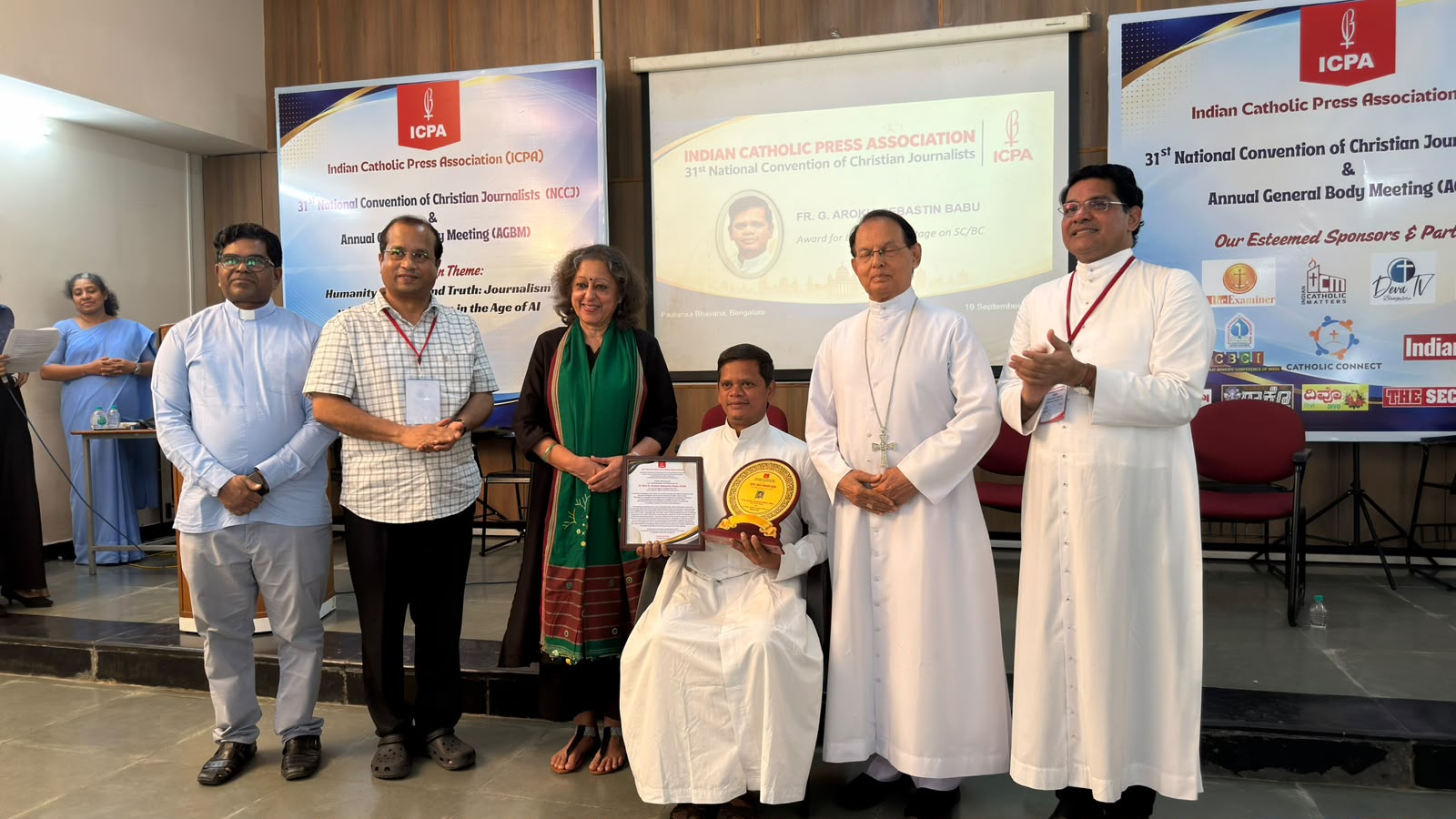 ICPA
ICPA
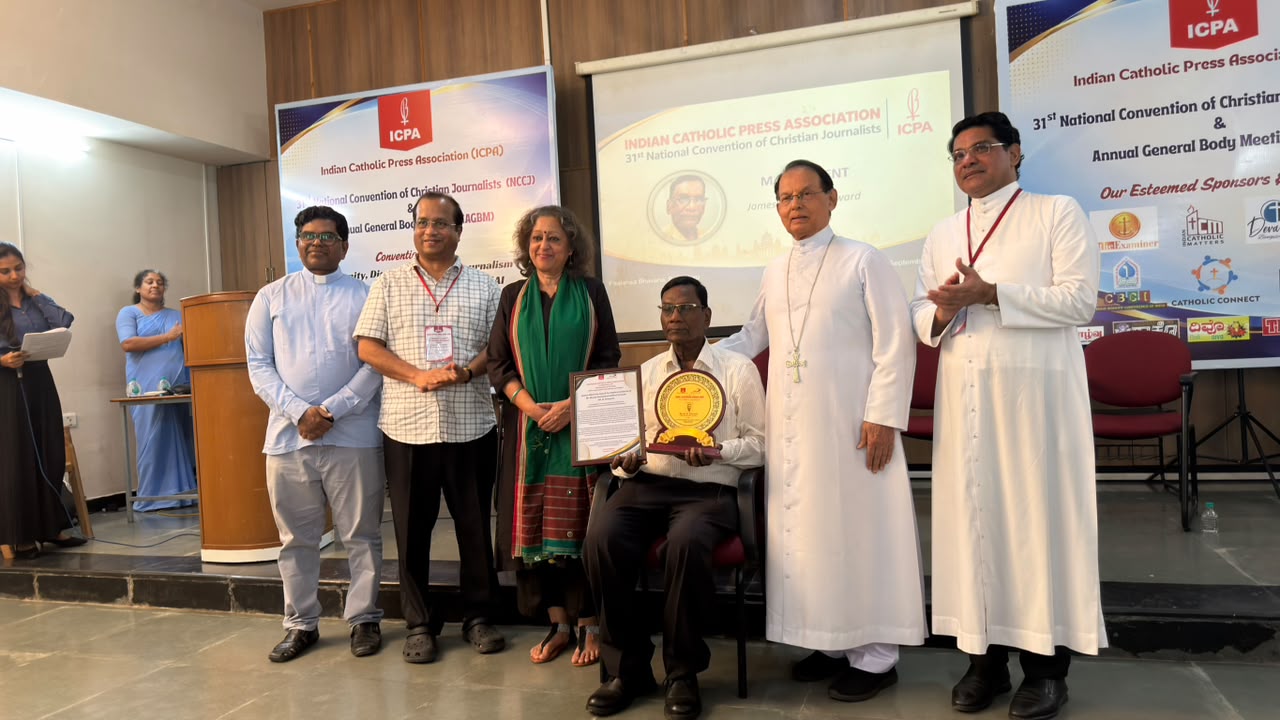 ICPA
ICPA
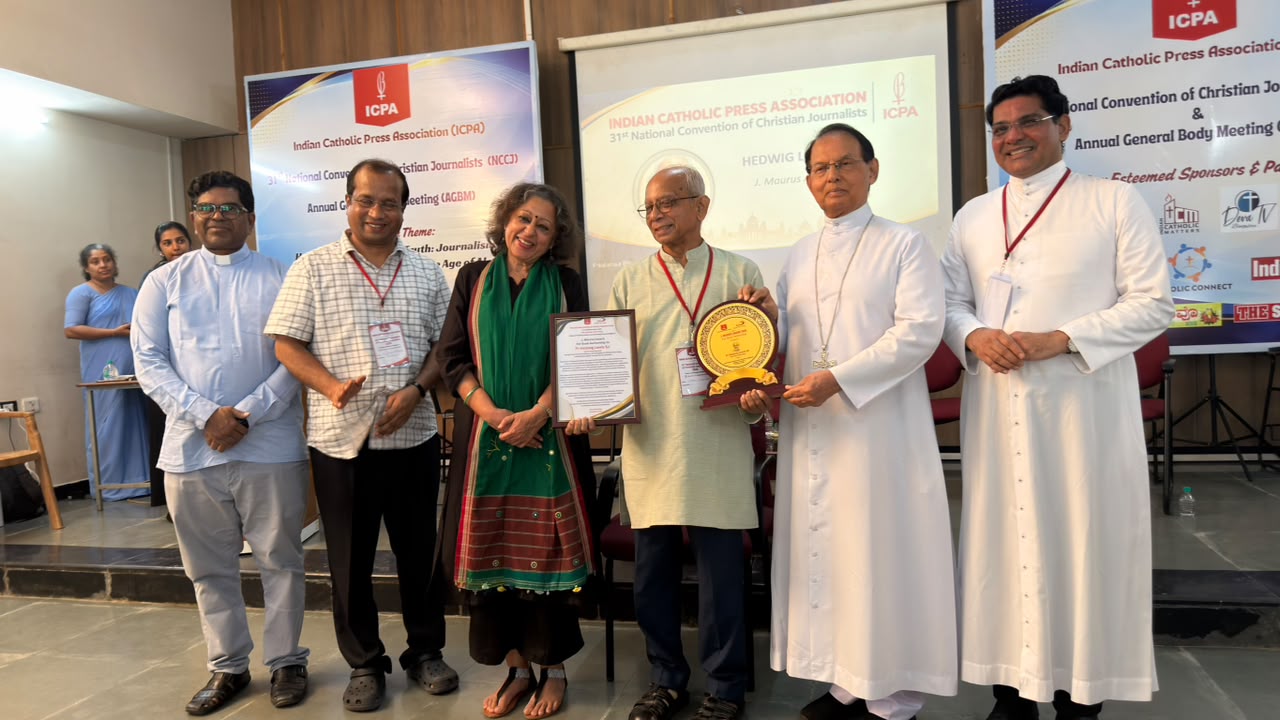 ICPA
ICPA
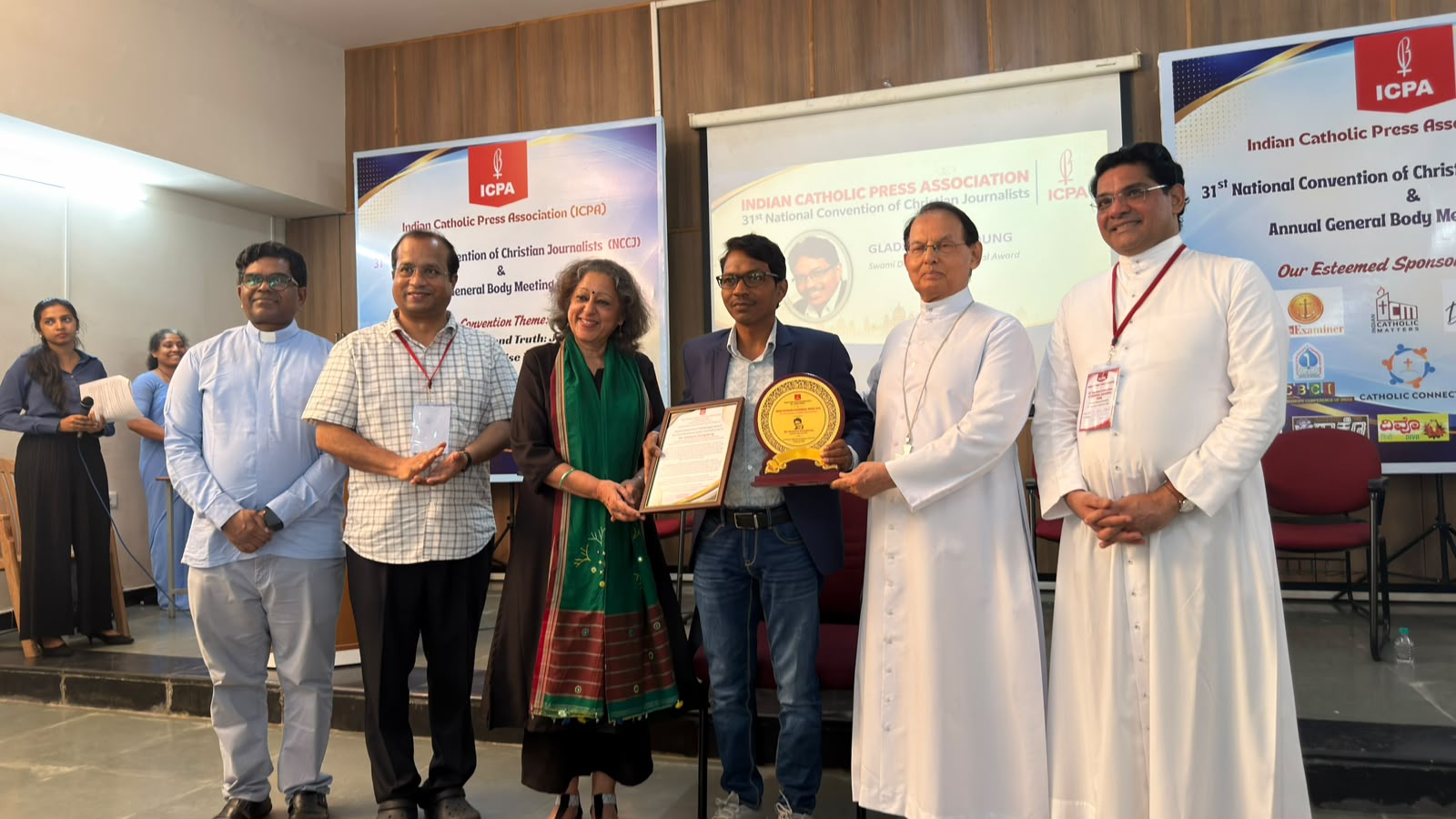 ICPA
ICPA
 ICPA
ICPA
.jpg)
 A. J. Philip
.jpg)
.png) Jacob Peenikaparambil
Jacob Peenikaparambil
.jpg)
.png) John Dayal
John Dayal