

.png) Chhotebhai
Chhotebhai
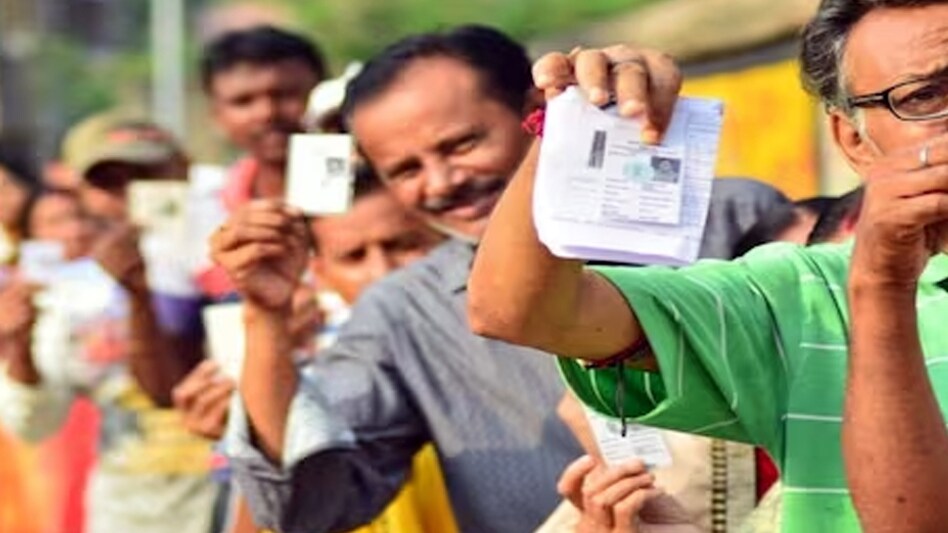
1. NOTIFICATION: For such an important issue that could have a significant impact on the future of the nation, the notification, in a small newspaper advertisement and the small window afforded to the public for submitting written submissions, is grossly inadequate, raising a fundamental question, "Is the government really serious about ascertaining public opinion"?
2. OBJECTIONS: The Indian Catholic Forum hereby submits and raises serious objections to the idea of "One Nation One Election" (ONOE) for the reasons given below.
3. LOGIC: The main logic/reason given for the ONOE is that it will reduce costs and limit the repeated abeyance of Government schemes because of the Model Code of Conduct. This does not hold water as the difference in expenditure if at all, will be minimal. Whether elections are held simultaneously or at different times, the Model Code of Conduct will remain in force. In fact, a nationwide halt at all levels, down to the Municipal/ Panchayat/ Cantonment levels, would pose a GREATER DANGER to the nation, bringing it to a STANDSTILL.
4. SECURITY: At present, elections in large States like the U.P. are staggered over several phases because of security constraints. In a recent judgement on Article 370, the Supreme Court asked for elections in J&K to be held, preferably with the Lok Sabha elections in 2024. However, the Government rejected the proposal for SECURITY REASONS! This flies in the face of its own convoluted logic for simultaneous polls.
5. COMMON ELECTORAL ROLL: This may seem good on paper for Parliament, Assemblies, Municipal and Panchayat elections. What about the 62 Cantonments that have a separate electoral roll that excludes those in municipal limits and vice versa. Cantonment Boards also have an unenviable record of postponing elections indefinitely. Hence, this is NOT FEASIBLE.
6. TERMS OF OFFICE: It is a reality that various elected bodies have differing terms of office that begin and end at different times, sometimes even years apart. It would, therefore, be grossly unfair to curtail or extend the terms of such bodies just to accommodate a notional ONOE. Some corrupt, criminal and incompetent representatives would get more time for their nefarious activities, while on the other hand, some honest and competent representatives could find their good work abruptly cut short. This would amount to a FRAUD on the electorate.
7. ISSUES: The issues at municipal/panchayat/cantonment levels would vary from those at the state or national levels. Hence, the ONOE would only OBFUSCATE, CONFUSE AND COMPOUND issues affecting the electorate.
8. COLLAPSE OF ELECTED BODIES: In the recent past, we have seen elected bodies having their majority reduced by allurement or coercion of the representatives. This is making a MOCKERY of the electoral mandate. How will the ONOE respond to such scenarios? Will the Governor's/ Administrator's rule be perpetuated ad infinitum? Besides, the role of Governors has become much more partisan and politicised in recent times.
9. COALITION POLITICS: When democracy in our country was in its infancy, politics was largely binary in nature, with just two options. However, as the electorate has matured, it has veered towards coalition governments and diversity at national, state or local levels. Coalition politics is more pronounced in European countries that have had a longer history of democracy. Israel that boasts of its economic and military prowess, is politically the most fragile, with repeated elections and coalition governments. This UNDERMINES the very basis of the ONOE that claims to strengthen the nation.
10. BYPOLLS: They are often caused by the death, resignation of representatives, or adverse judicial pronouncements. Will such constituencies be deprived of elected representatives till the next ONOE? Bypolls cannot be deferred INDEFINITELY.
11. DIVERSITY: We have diversity of language, caste and religion. We also have geographical diversity. If it is hot and dry in one part of the country, it is cold and wet in another part. The ONOE doesn't factor in this DIVERSITY.
12. PRESIDENTIAL FORM: This proposal seems to be a backdoor entry for a Presidential form of Government, where an individual becomes greater than the country or even the party. This is contrary to the nation's basic FEDERAL STRUCTURE. Even in the USA that has a Presidential election, with campaigning stretching over a year, there are separate polls for Governors, Senators and House Representatives. They are held by rotation, depending on their terms of office.
13. CONCLUSION: In the final analysis, the ONOE is illogical, ill-conceived and seems to be highly motivated to favour those presently in power. It will bring the country to a STANDSTILL. It will be a SECURITY NIGHTMARE, IS NOT FEASIBLE; it is UNFAIR to the electorate that will be totally CONFUSED. It will hinder GOOD GOVERNANCE; it is UNDEMOCRATIC; it goes against the DIVERSITY and FEDERAL STRUCTURE of the country. Its only hidden agenda seems to be to introduce a PRESIDENTIAL FORM of Government that is against the very idea of modern India. The BALANCE OF CONVENIENCE, therefore, rests in favour of the status quo ante, and the ONOE should be given a swift burial.
.jpg)
.png) Cedric Prakash
Cedric Prakash
 ICPA
ICPA
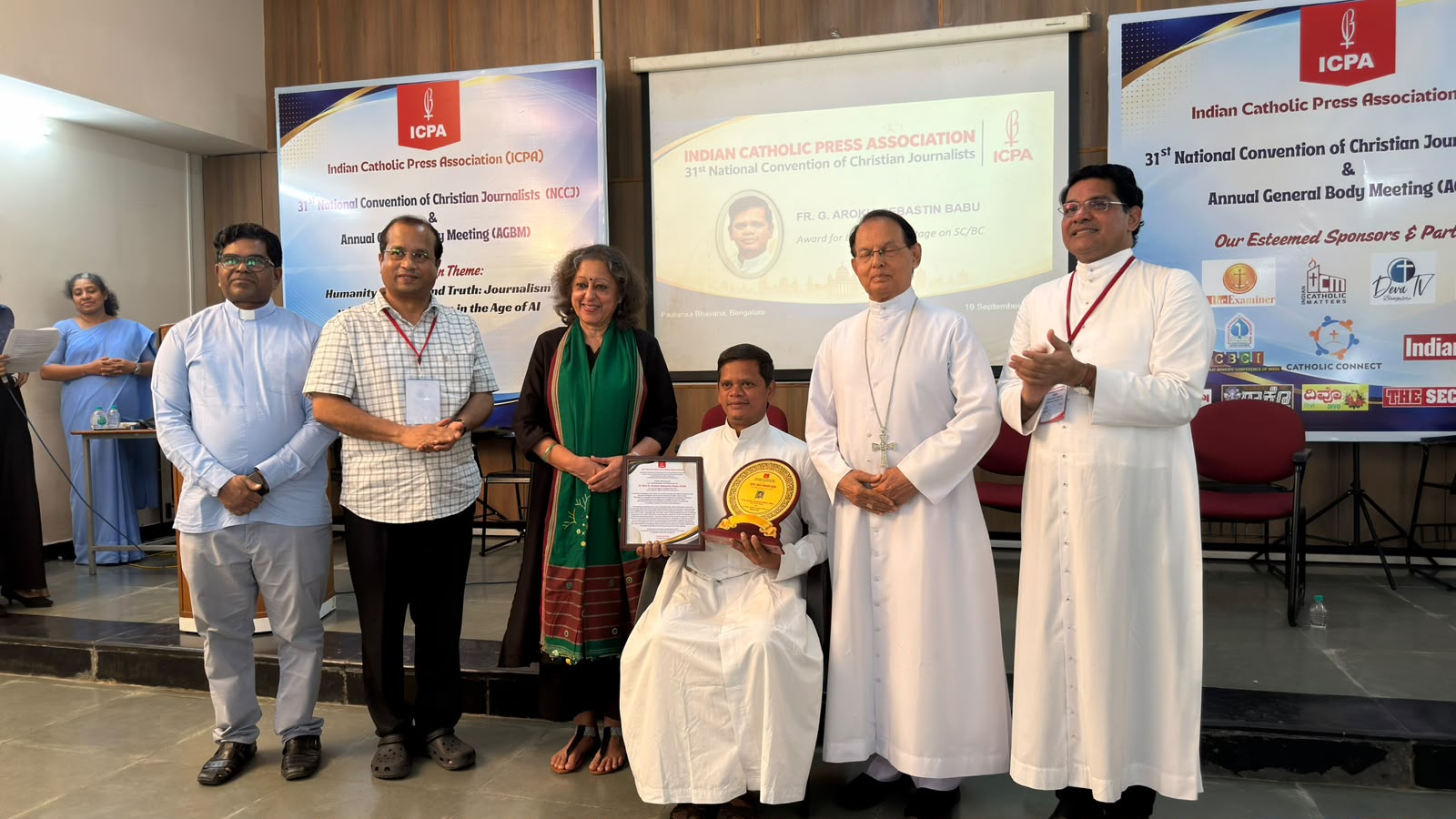 ICPA
ICPA
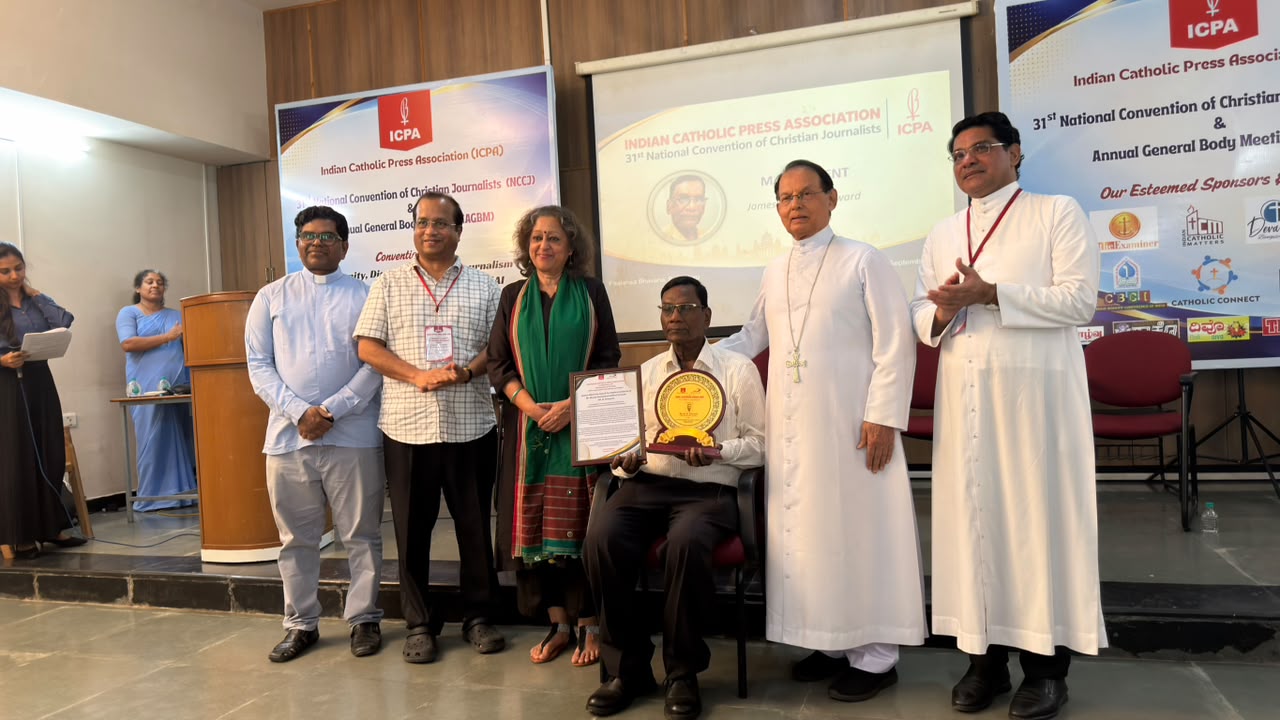 ICPA
ICPA
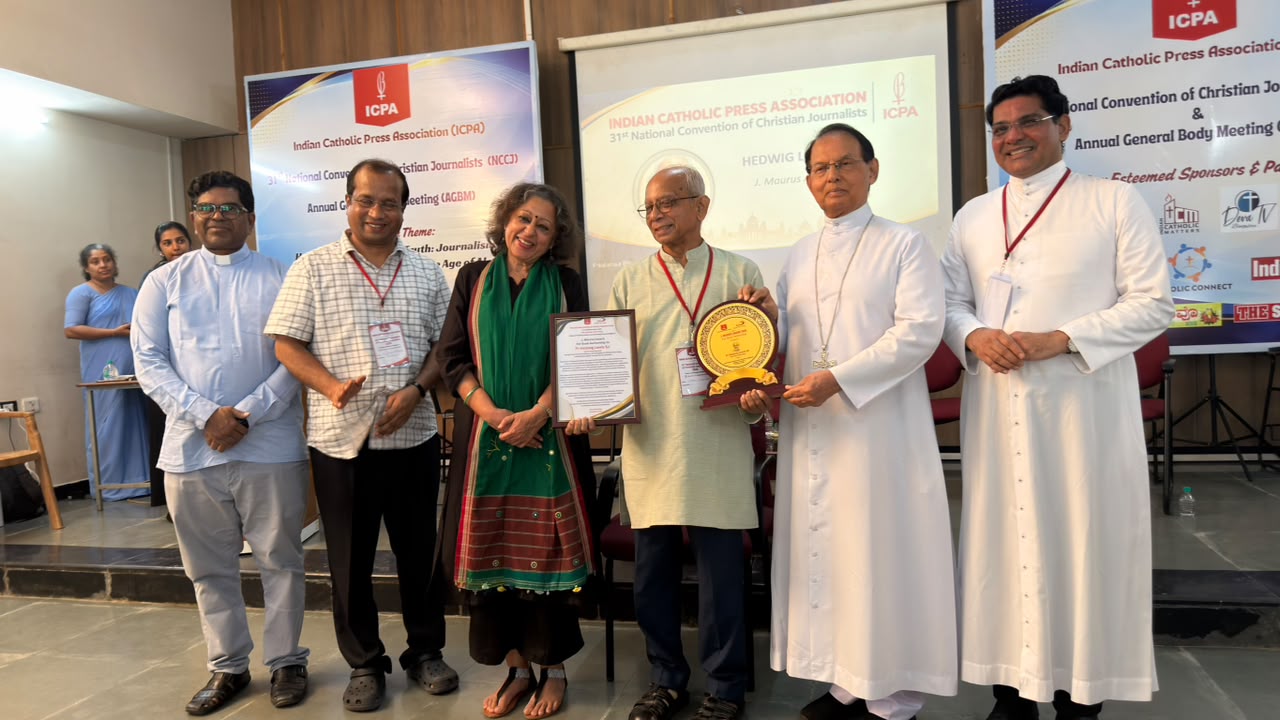 ICPA
ICPA
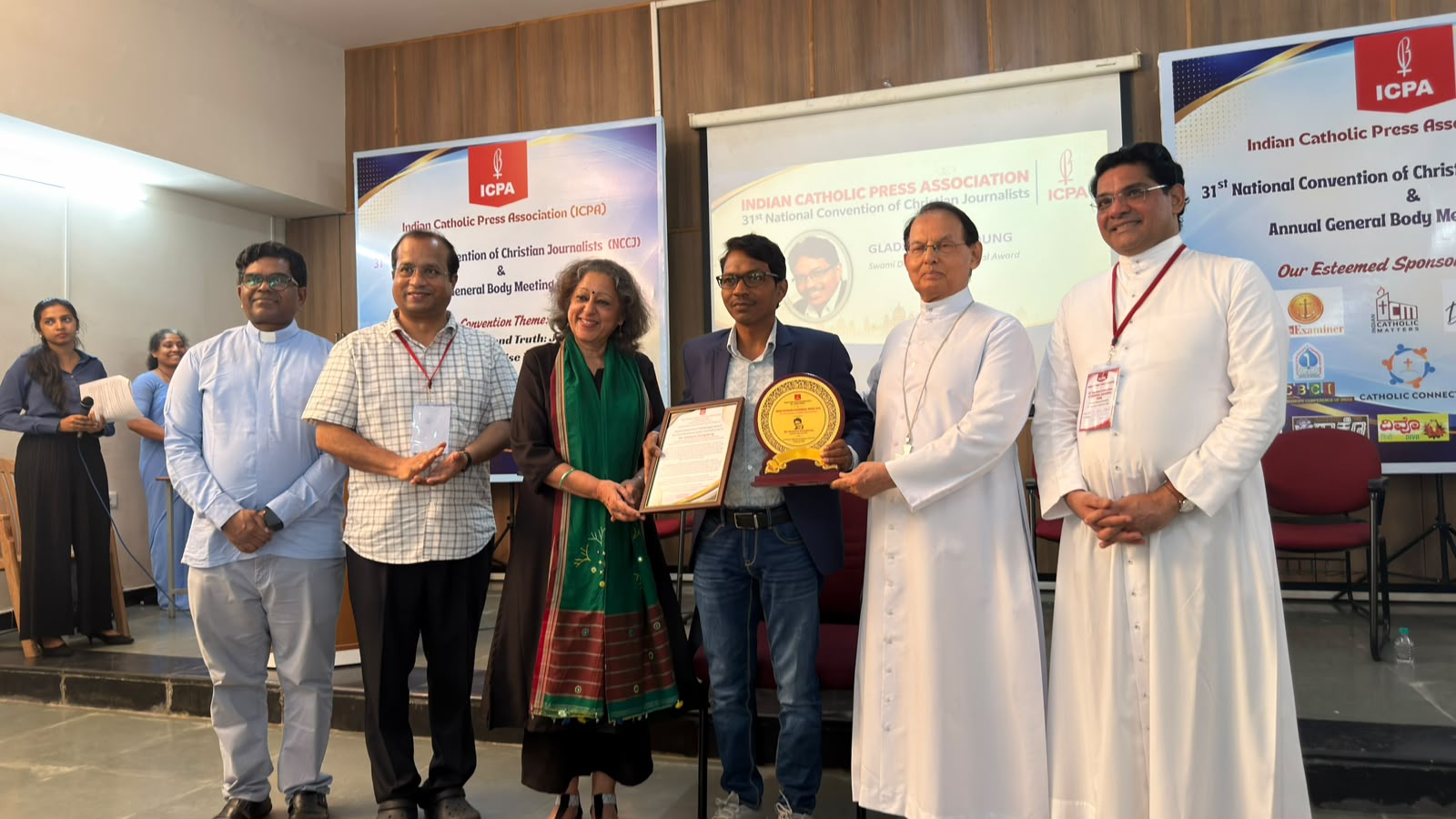 ICPA
ICPA
 ICPA
ICPA
.jpg)
 A. J. Philip
.jpg)
.png) Jacob Peenikaparambil
Jacob Peenikaparambil
.jpg)
.png) John Dayal
John Dayal