

.png) Aarti
Aarti
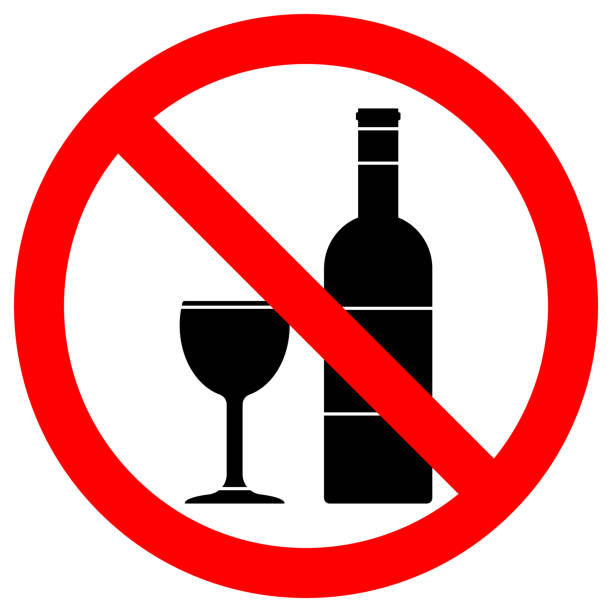
Apparently lured by the ‘Buy One Get One Free’ offer, nearly 22 people have so far lost their lives since May 13 and another 50-plus of them are undergoing treatment (being provided by a special team of doctors) in two separate incidents in Tamil Nadu due to arrack poisoning. 14 of the deceased are from Marakkanam in Villupuram district while 8 are from Maruthanthakam in Chengalpattu district.
The Tamil Nadu Chief Minister has announced an ex-gratia compensation of Rs 10 lakh each to the families of the deceased and an amount of Rs 50,000 for those admitted to hospitals. Reportedly, the deadly industrial methanol was used by the bootleggers to make illicit liquor.
Soon after the spurious liquor deaths were reported, the Prohibition Enforcement Wing personnel and local police launched a drive against illicit arrack in all cities/districts in Tamil Nadu following which 1,842 cases had been registered, 1,558 persons arrested, and 19,028 litres of illicit arrack seized.
Ten police officers, including Villupuram SP and two DSPs in charge of prohibition enforcement have been suspended while the Chengalpattu police chief has been transferred. The police have slapped charges of murder (Section 302 of the Indian Penal Code) against accused persons who have since been arrested.The opposition in Tamil Nadu has demanded for prohibition and the Governor has sought a detailed report on the incident.
While the ongoing probe, which has been transferred to the Crime Branch-CID of Tamil Nadu Police, is expected to unravel more details, according to newspaper reports, the coastal hamlets where the tragedy occurred have been in a state of mourning for the past week and none of the fishermen who lives here has ventured into the sea.
Poverty, lack of education and awareness are the main reasons behind the evil of alcoholism. The alcohol industry, according to newspaper reports, plays a significant role in the economy. Besides providing the states with up to Rs. 2 lakh crore in revenue, it supports nearly 40 lakh farmers. Currently, this industry supports approximately 20 million jobs, and with its growing landscape, further employment opportunities are likely to be created. Notably, Tamil Nadu made close to Rs 38,000 crore in revenue the previous fiscal year, and Telangana made Rs 40,000 crore in the sale of alcoholic drinks.
But illicit liquor is probably one of the country’s most money-making businesses. Even as its manufacture and sale is illegal, hundreds of people across the nation fall prey to it. They are ignorant of its adverse impact on their health. While the base for all alcoholic drinks, including hooch is ethyl alcohol, or ethanol, in hooch, a dash of methyl spirit (generally used as fuel for lighting/heating purposes and unfit for human consumption) is attributed for giving the extra “kick”. Studies have shown that even a small increase in the quantity of methyl makes the concoction poisonous and is called the ‘killer ingredient’ in hooch tragedies.
Arrack, a spirit-based liquor, distilled from fermented fruit, grains/sugarcane using simple equipment, is popular among wage earners. The bootleggers, while brewing illicitly distilled liquor, also have been found to normally mix rotten jaggery, ammonium chloride, coconut leaves, rotten fruits, especially banana and even dry cells. In the instant case, the victims had reportedly consumed methanol sourced from a chemical factory in Chennai and supplied in sachets to them by local-sellers. Although small amounts of methyl-mixed country liquor can produce calmness and relaxed muscles, larger doses may cause slurred speech, staggering gait and altered perception or even respiratory problems, depression, night-blindness, other vision problems, coma including death.
Illicitly distilled alcohol contains a larger amount of methyl alcohol, which affects the ventral nervous system the cardio vascular system, the respiratory system, the liver, kidney and eyes. In the manufacture of paint, varnish and pharmaceutical products, methanol is used as a solvent, and it is easily available and cheap.
Since it looks like arrack and has an alcoholic flavour, it is mistaken for illicitly distilled arrack. Even consumption of about 30 ml of methanol is sufficient to cause death. It also causes numbness of mind and loss of vision. Once spurious liquor is consumed, any delay in receiving medical treatment would prove hazardous and it is for this reason that most patients seldom survive.
Hooch, the commonly used term for poor quality (spurious) alcohol, made in more crude settings without any quality checks, has been causing deaths even in States where prohibition is in force. In hooch tragedies, women suffer the most. Not long ago media reported about a village which was termed as 'widow village' because almost 150 families out of 300 have widows in the age group of 25-65 years. Their husbands had fallen prey to spurious liquor in the past 15 years.
As the consequences of consuming illicit liquor are exponentially greater, but totally avoidable, at the community level, awareness programmes can help those addicted to spurious alcohol quit the habit. At a macro level, there is a need for striking at the roots of the problem so that the manufacture and sale of spurious liquor is prevented in the first place.
Whether branded or spurious liquor, while many seem to believe drinking will lessen their strain, consuming alcohol is known to be injurious to health. According to studies, alcohol, in hard drinks, exerts a depressant action on the brain, it muffles the mind. Under the influence of alcohol, the functions of the brain are depressed in a characteristic pattern.
Isn't it prudent to avoid alcohol for the sake of one's health and family?
.jpg)
.png) Cedric Prakash
Cedric Prakash
.jpg) Elsa Lycias Joel
Elsa Lycias Joel
.jpg)
 A. J. Philip
.png) Jacob Peenikaparambil
Jacob Peenikaparambil
.jpg)
.png) John Dayal
John Dayal
.jpg)
.jpg)
.png) Joseph Maliakan
Joseph Maliakan
.png)
.png) Robert Clements
Robert Clements
.jpg) Cedric Prakash
Cedric Prakash
 ICPA
ICPA