

.png) Robert Clements
Robert Clements
The first thing that happens when there is violence or rioting today is to shut down the internet.
Why?
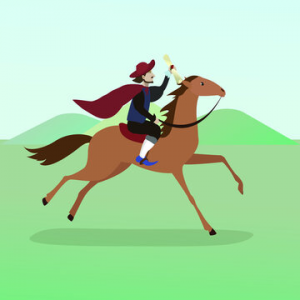
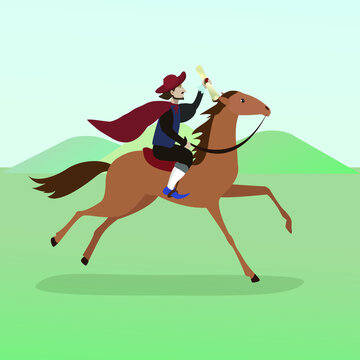
In the good old days, when kings sat in their castles and sent their men into battle, quite often, guards from his fort watchtowers would shout, "Lone horseman riding to the fort!" Soon, they would identify him through his banner as one of their own, coming from the battlefield and letting him in, where tired and exhausted, he would be led directly to the king.
"We have lost the battle your majesty!" he would blurt out, and quite often, in his rage, the king would, in a fit of temper, draw his sword to kill the man.
"Don't kill me, I'm just the messenger!" the poor man would shout, falling at the king's feet.
Today, as I see social media, especially WhatsApp, being blamed for riots and incidents of lynching, I think the same is happening; we are blaming the messenger!
Let's look at the old messenger, the fellow who rode in on his horse again. Why did he hurry to the king? So his majesty could take preventive measures, like sending more troops, raising his drawbridge, or fleeing to a safer place to do battle later.
In the same way, social media today, which I liken to the messenger of yore, is helping such preventive measures in a big way: Today, people know that any act of violence can be filmed, but more than just filmed, it can be flashed in a jiffy to thousands and millions, and knowing this, such violent acts, which otherwise would have been a daily occurrence, are actually being prevented.
Social media has become the policing of the world!
Today we see more cases of lynching, rapes, assaults on women and so on, not because it's increased but because it's being exposed. And because of these recordings, future crimes could be prevented.
If the Manipur rape had not been filmed, the world would not have really known of the atrocities there.
The excuse made is that riots and violence spread through social media. Maybe what we need to realise is that our government does not want to be seen as weak in preventing such crimes and killing the messenger.
Today, the country is actually a safer place because of our smartphones, CCTV cameras, and, finally, the powerful ability of social media to reveal the truth to the world like nothing else can.
"Why," I ask, "Do you want to kill the messenger?"
Do we want the only safeguards many of us have to be removed? Do we want terror and injustice, rapes, lynching incidents, assaults on journalists, and molestation of women, to be hidden and thus increase? Today, social media is the only free press left; leave it alone.
Stop killing the messenger; we are a democracy, and the people have the right to know..!
.jpg)
.png) Cedric Prakash
Cedric Prakash
 ICPA
ICPA
 ICPA
ICPA
 ICPA
ICPA
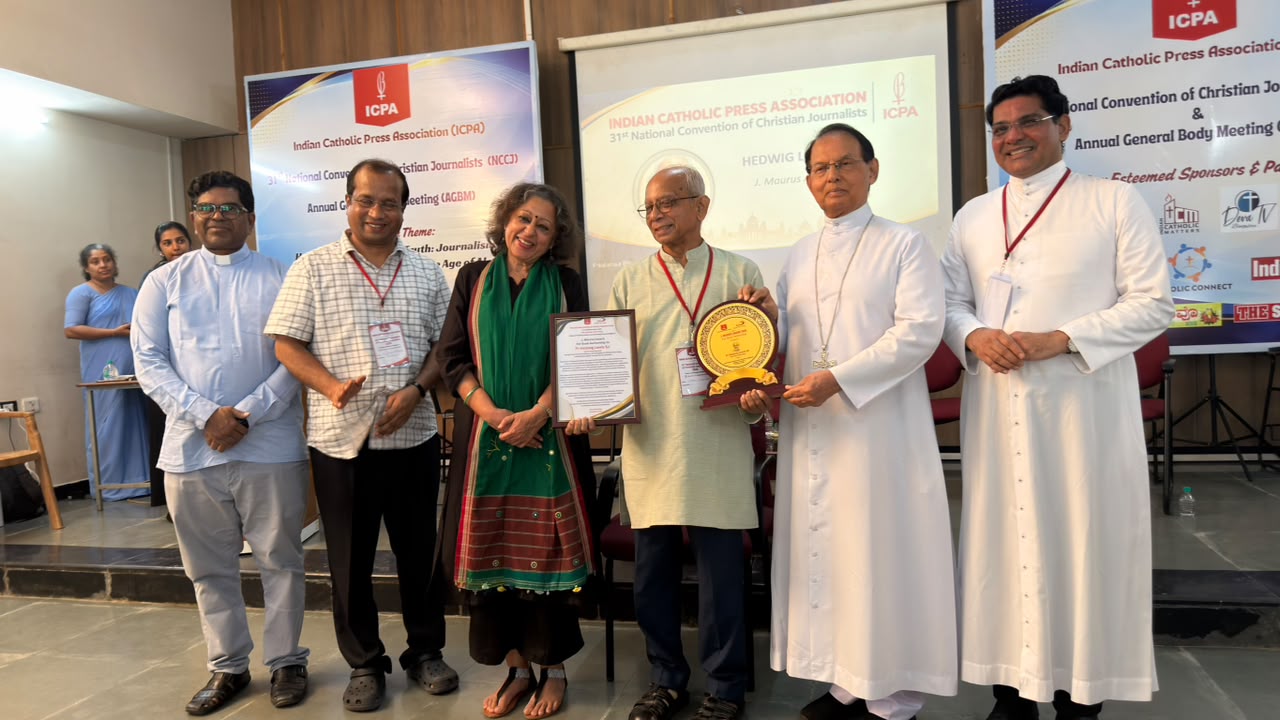 ICPA
ICPA
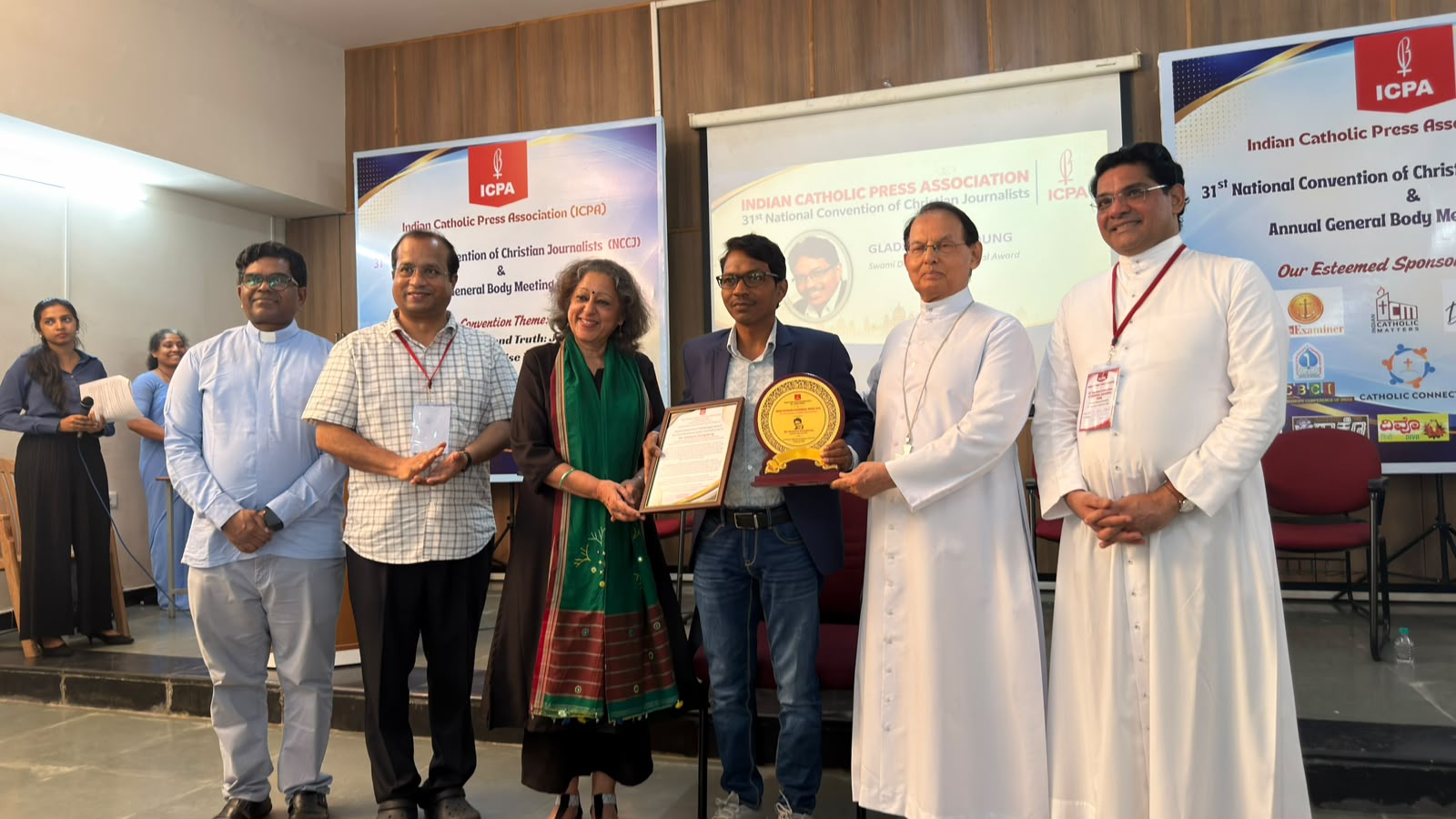 ICPA
ICPA
 ICPA
ICPA
.jpg)
 A. J. Philip
.jpg)
.png) Jacob Peenikaparambil
Jacob Peenikaparambil
.jpg)
.png) John Dayal
John Dayal