

.jpg) F. M. Britto
F. M. Britto
.jpg)
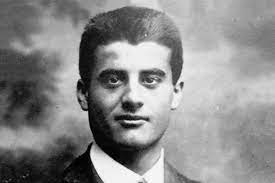
He was like any other modern youth: fun-loving, going for films with his friends and even loving a girl. Today he is called a model for modern youth. Why?
Pier Giorgio Frassati was born to affluent parents on April 6, 1901 in Turin, Italy. His father Alfred was an agnostic and was active in national politics, served in the senate, became Italian ambassador to Germany and owned two noted liberal newspapers. His mother was a renowned painter and saw to the Christian upbringing of her son and a daughter. Frassati was first educated at home, then at a state school and finally in a Jesuit-run institution. To the disappointment of his illustrious parents, he didn’t fare well in his formal studies.
As a teenager, Frassati was handsome, energetic, fun loving and full of good jokes. From childhood, the wealthy lad had an inclination to help the poor and suffering. Once seeing the son of a beggar without footwear, he took off his shoes and offered it to him. At 17, he joined the St. Vincent de Paul Society and spent his spare time in serving the sick, needy and the demobilized servicemen of World War I.
When his father offered him money upon his graduation, he offered it to the poor. He also provided a bed for a TB patient, supported three children of an ill widow and found a place for an evicted woman. Developing a deep spiritual and prayer life, he shared it with his friends.
He enrolled himself for Mining Engineering. But his studies did not keep him from social activism. Like his father, he too hated fascism. He did not support Benito Mussolini’s regime, but strongly defended the Catholic Faith. In 1919 he joined the Catholic Student Foundation and Catholic Action. He became an active member of the People’s Party. He was even arrested in Rome for protesting alongside the Young Catholic Workers Congress.
He helped establish a newspaper, Momento, based on Pope Leo XIII’s Rerum Novarum principles. He often said, “Charity is not enough; we need social reform.” He became committed to the poor and justice. His parents misunderstood his activism as an obstacle to his future career and as a sign of lack of ambition.
The 24 years old Frassati fell sick due to polio and died within six days on July 4, 1925. Doctors suspected that he contracted that sickness from the sick he tended. For his funeral, a multitude of the poor lined up, whom he had served for the last seven years. His elite family was surprised to see them there.
Beatifying him on May 20, 1990, Pope John Paul II remarked, “When I was a young man, I too felt the beneficial influence of his example and as a student, I was impressed by the force of his testimony.”
His sister Luciana Gawronska says in her brother’s biography, “He represents the finest in Christian youth: pure, happy, enthusiastic about everything that is good and beautiful.”
.jpg)
.png) Cedric Prakash
Cedric Prakash
 ICPA
ICPA
 ICPA
ICPA
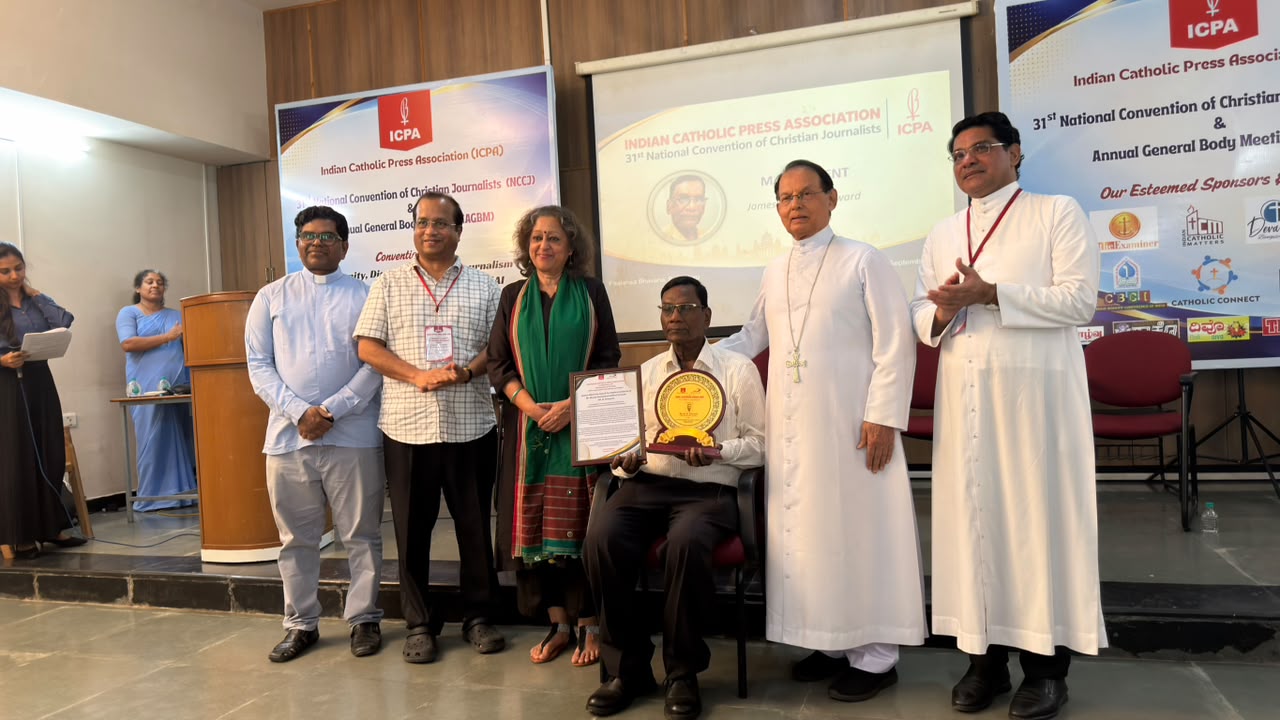 ICPA
ICPA
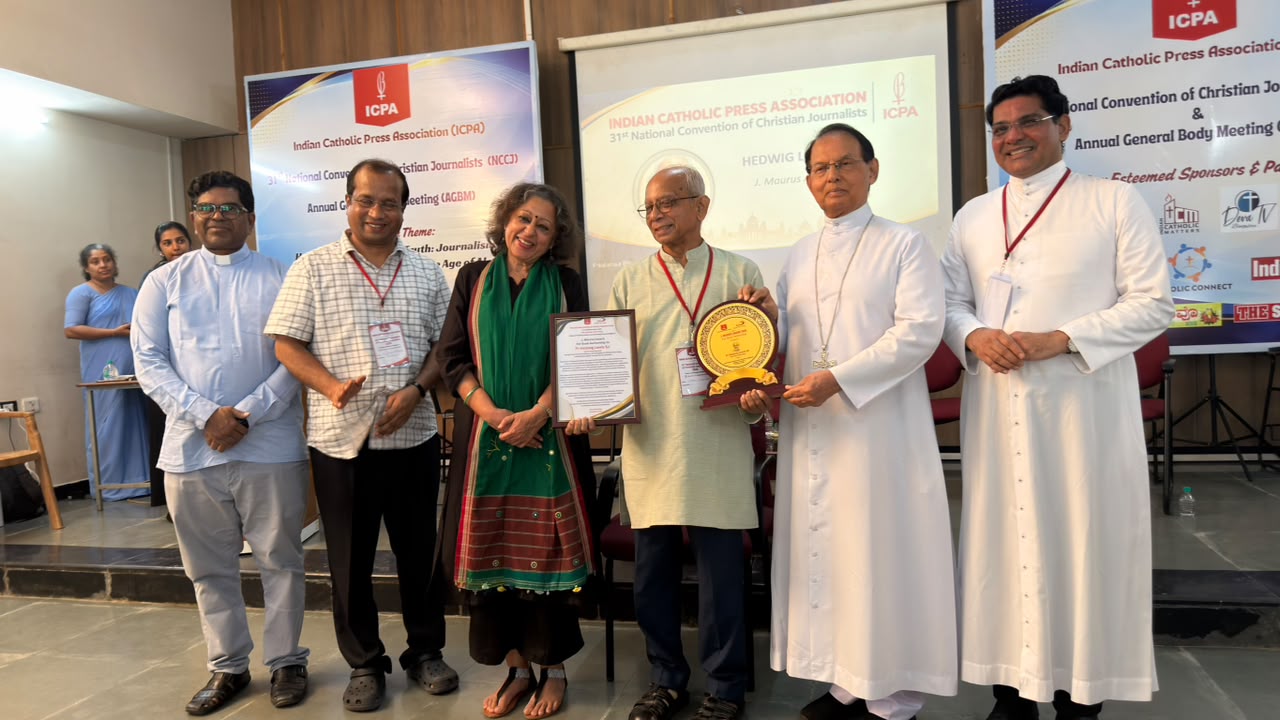 ICPA
ICPA
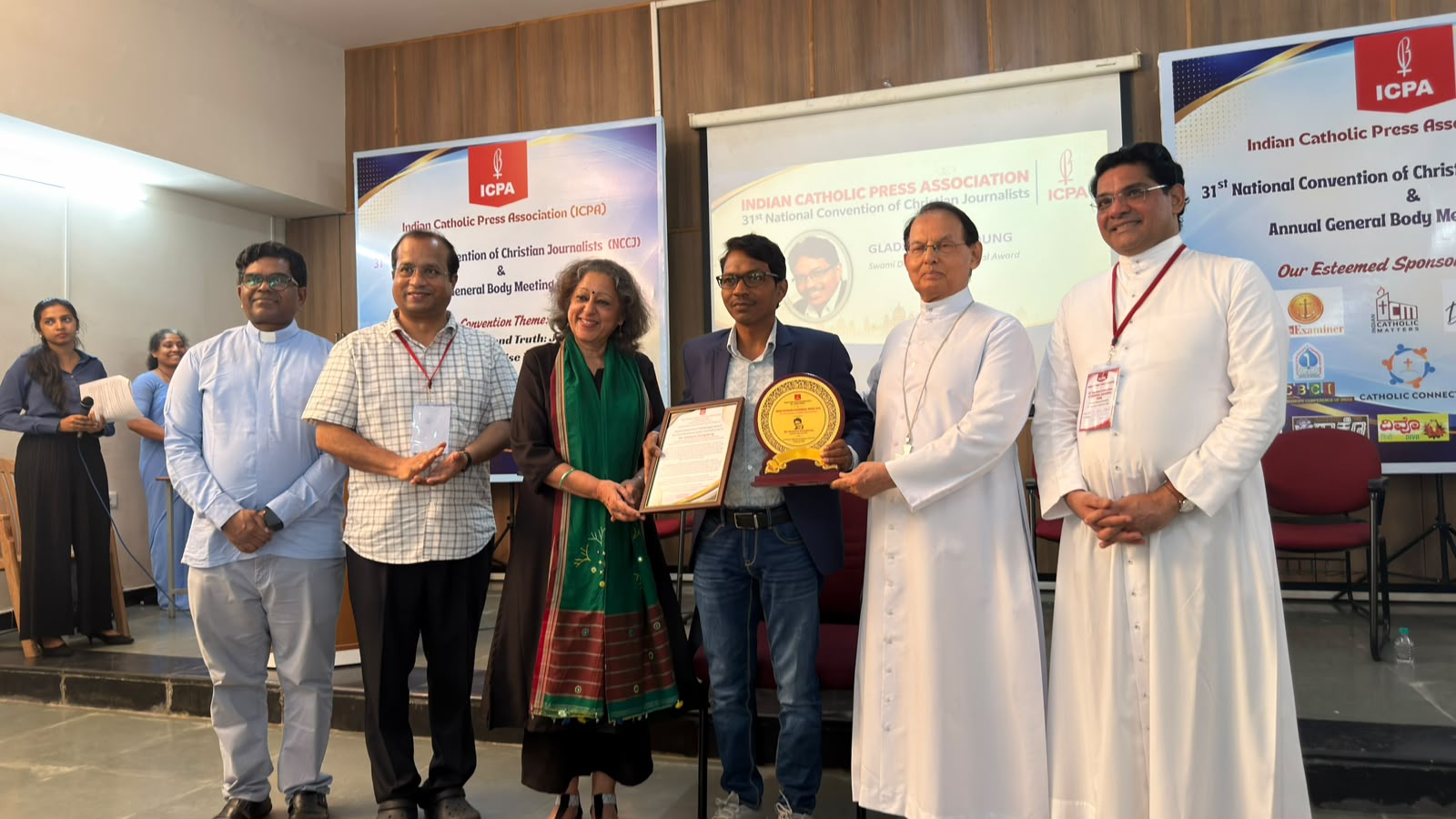 ICPA
ICPA
 ICPA
ICPA
.jpg)
 A. J. Philip
.jpg)
.png) Jacob Peenikaparambil
Jacob Peenikaparambil
.jpg)
.png) John Dayal
John Dayal