

 Fr. Gaurav Nair
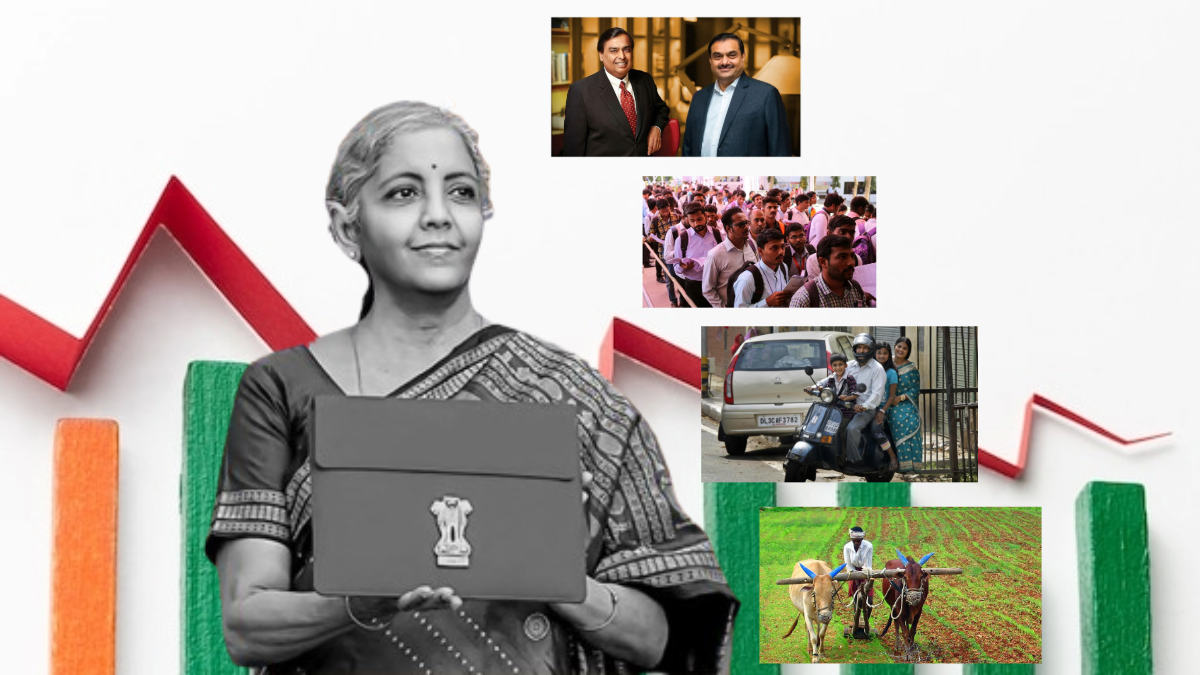
The BJP's latest budget has been met with scepticism, with many questioning whether it genuinely addresses the pressing issues or serves as a political manoeuvre to maintain power. While it outlines ambitious initiatives for infrastructure, housing, agriculture, and education, it is high on rhetoric and low on substance.
One of the budget's main highlights is the emphasis on railway infrastructure development. The introduction of railway corridor programs aims to enhance connectivity and boost economic activity. However, the question remains: are these investments addressing the most urgent needs? While upgrading railway coaches to the dubious standards of Vande Bharat is a "commendable" step, it overlooks a critical issue — the safety of the existing rail network. Recent accidents have accentuated the need for safety improvements, yet the budget appears more focused on showcasing modern trains rather than fixing the systemic safety issues plaguing the railways. This symbolises a more significant trend within the BJP's approach towards almost everything — prioritising high-profile projects over practical solutions to persistent problems.
The budget does not propose any structural reforms to tackle underlying issues. Youth unemployment remains a significant concern. Alarmingly, the youth comprise 82.9% of the unemployed population. The budget's focus on employment and skill development is insufficient. Based on the BJP's track record, even these underwhelming promises will remain undelivered.
The Ministry of Skill Development and Entrepreneurship has spectacularly failed to achieve its ambitious goals, which is alright since it is in line with the government's failure to generate jobs. The budget lacks a strategy to address high youth unemployment, informality, and rural-urban disparities in employment patterns. The government must invest heavily in labour-intensive sectors and address labour market issues.
The budget blatantly overlooks the needs of marginalised communities, minorities, and rural populations. The emphasis on urban and upper-caste interests reflects an obvious pattern of exclusion in the BJP's policies. There is no doubt that the BJP has tried to appease its allies. Favouritism towards states like Bihar and Andhra Pradesh can only be justified as politically motivated efforts to secure coalition support.
Moreover, the budget's lack of attention to the specific challenges faced by women, minorities, and lower castes is concerning. While the budget pays lip service to empowering the poor, youth, farmers, and women, its allocations and priorities suggest otherwise.
Farmers have been demanding a Minimum Support Price (MSP) for years, yet the government continues to ignore these demands. The BJP's failure to address agriculture's core issues is a sure sign of a disconnect between its rhetoric and reality.
The budget is literally aimed at squeezing the poor and middle classes and enriching the pockets of the wealthy. The 2024 budget appears more akin to a political document than a genuine economic blueprint for the nation's development. It is reminiscent of the BJP's pattern of making grand promises without implementation and accountability, which it has followed since it came to power. The BJP must redirect its focus from headline-grabbing initiatives to policies that will equitably address the needs of all citizens.
.jpg)
.png) Cedric Prakash
Cedric Prakash
 ICPA
ICPA
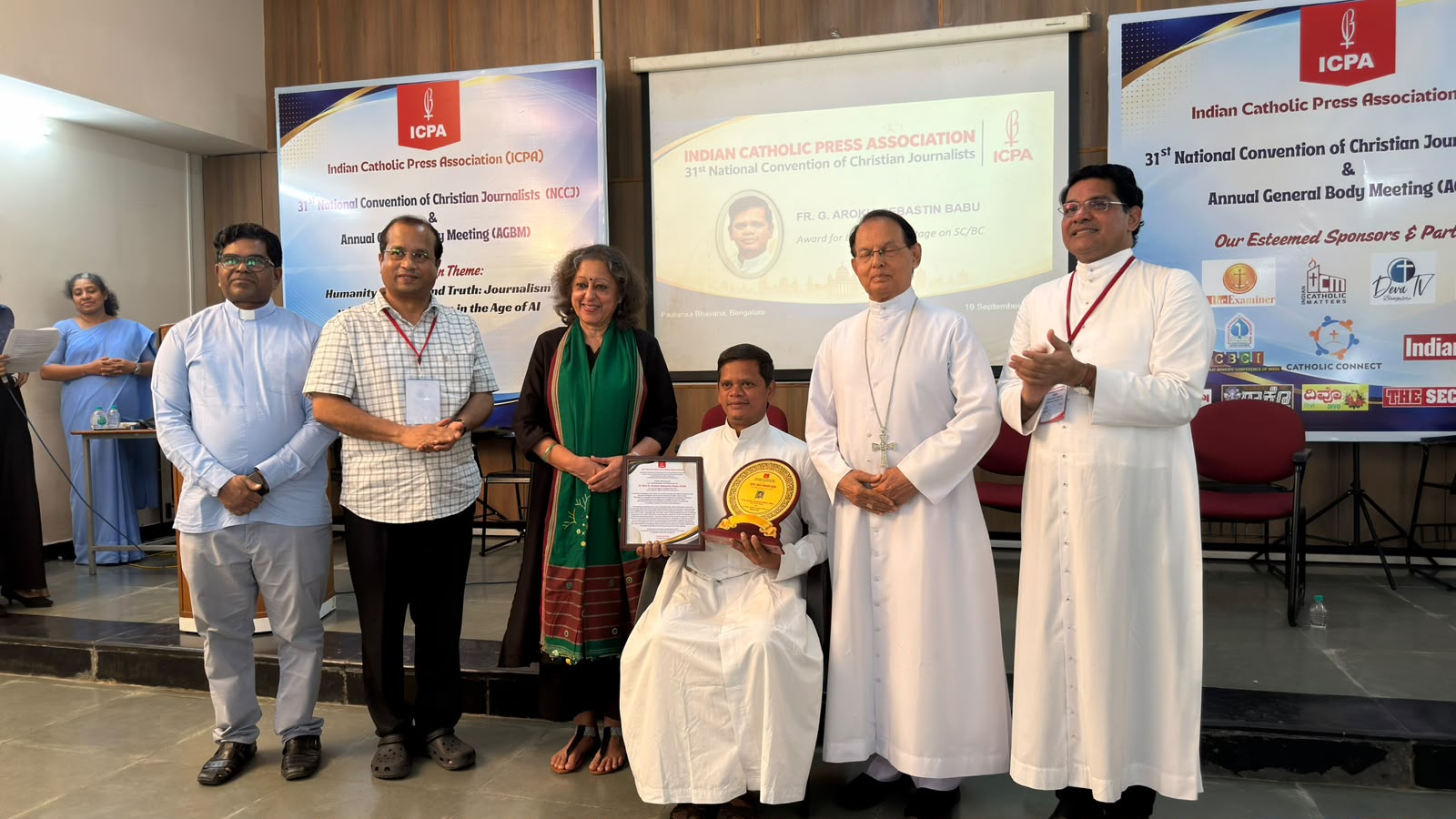 ICPA
ICPA
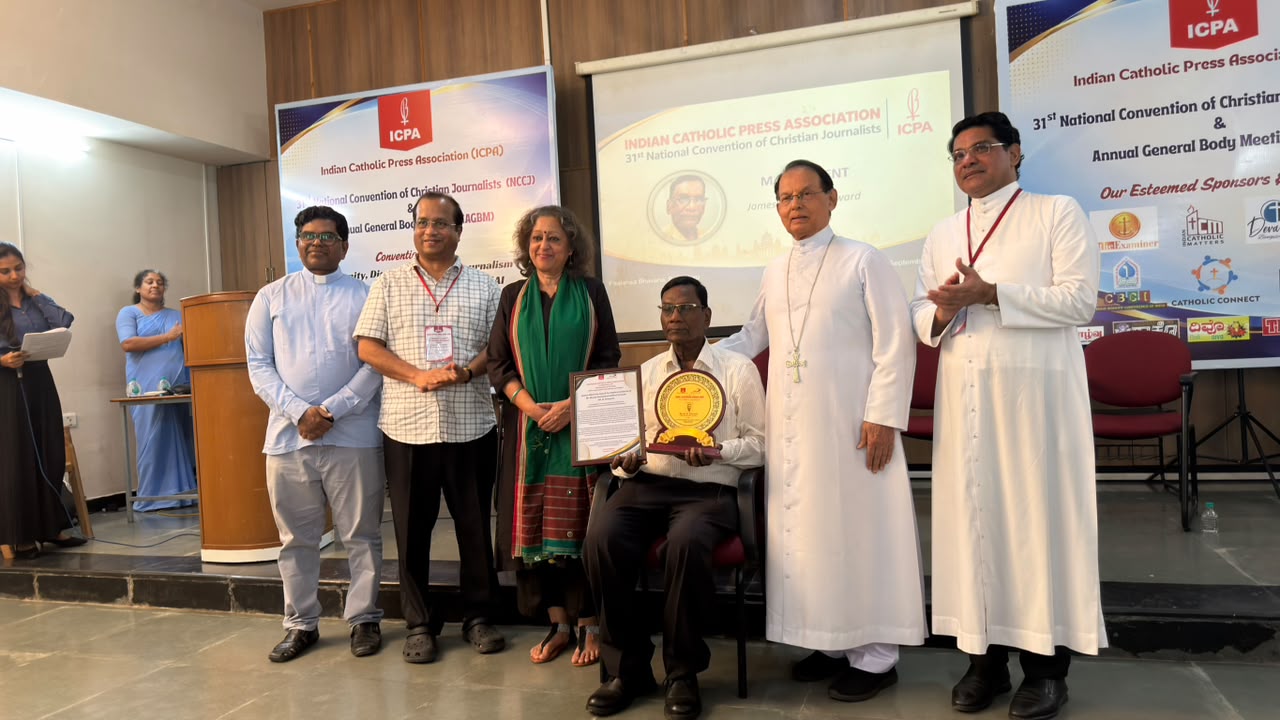 ICPA
ICPA
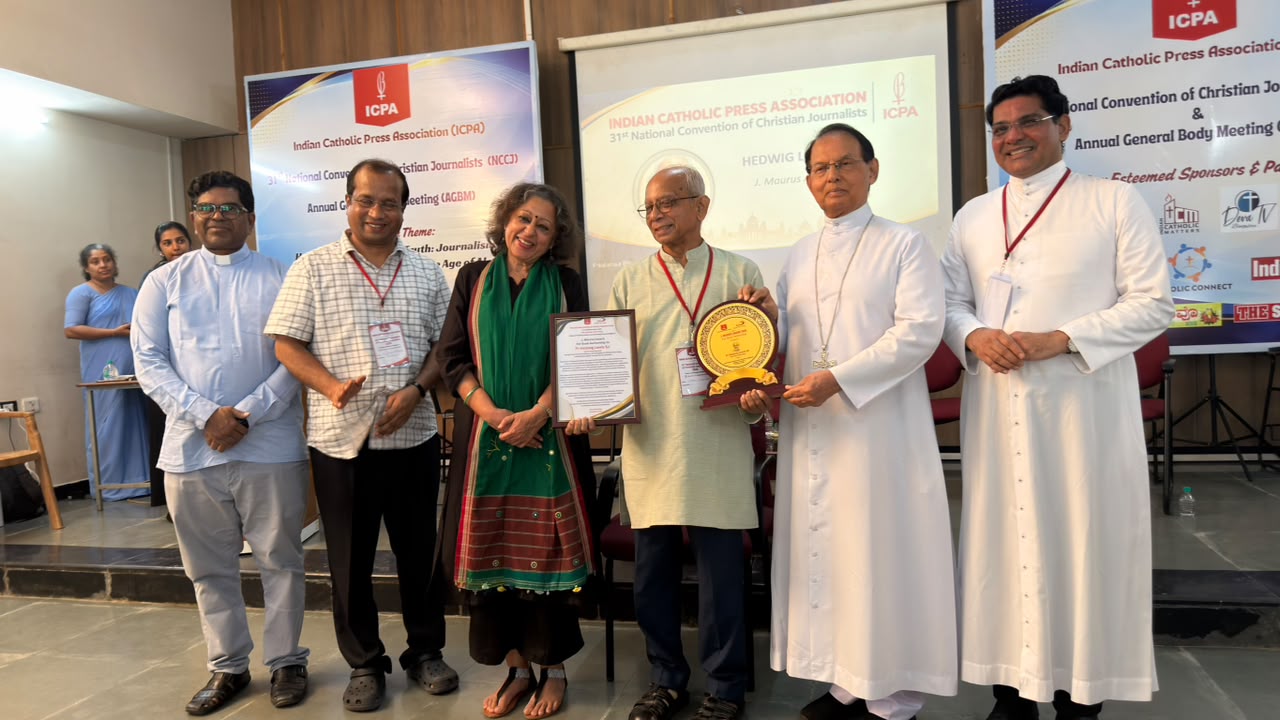 ICPA
ICPA
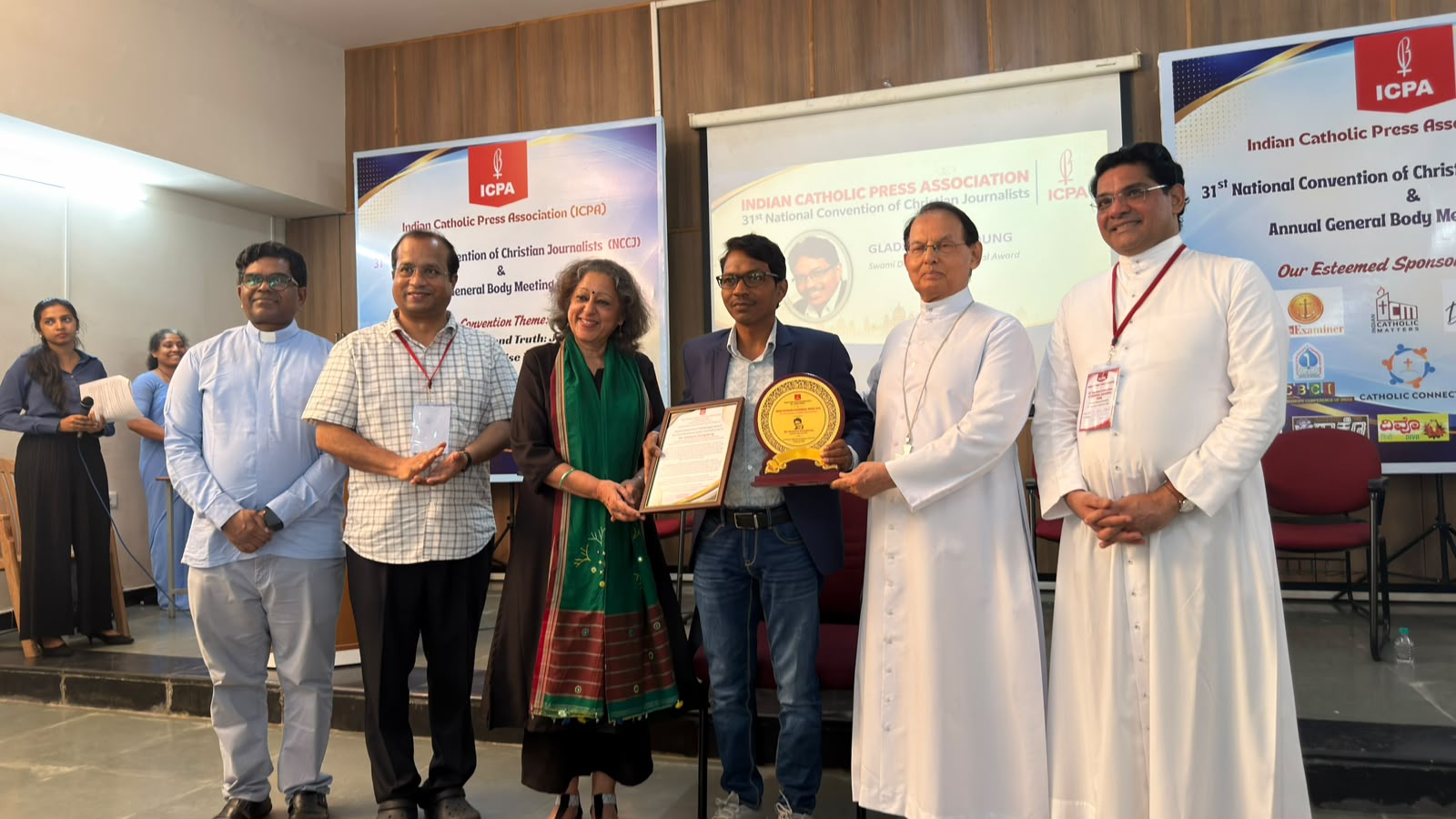 ICPA
ICPA
 ICPA
ICPA
.jpg)
 A. J. Philip
.jpg)
.png) Jacob Peenikaparambil
Jacob Peenikaparambil
.jpg)
.png) John Dayal
John Dayal