

.png) Dr Suresh Mathew
Dr Suresh Mathew
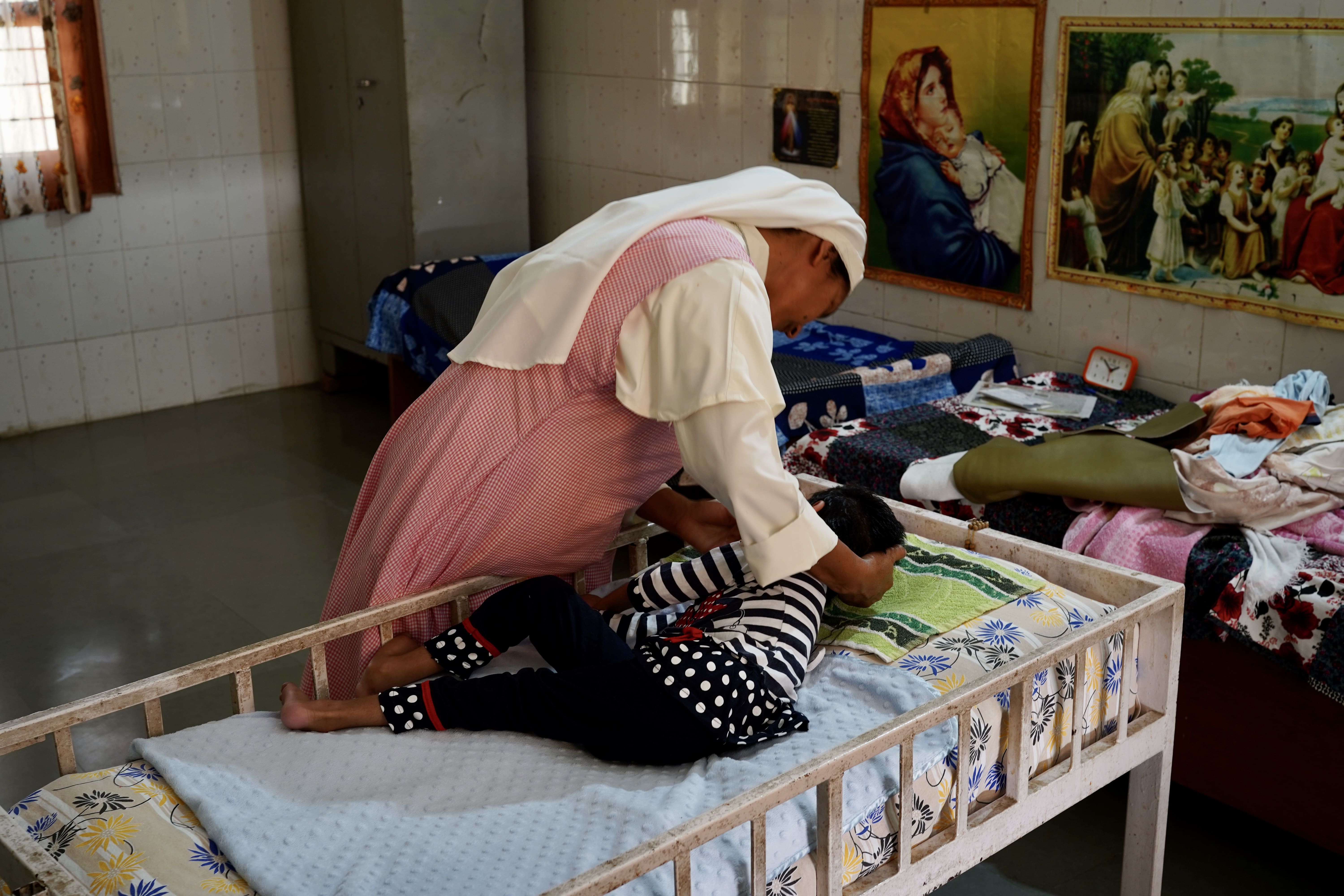
“The truth, it has the habit of revealing itself,” thus goes a memorable quote. Yes, one such truth has slipped through the lips of RSS Sarsanghchalak Mohan Bhagwat. Speaking at an event in Madhya Pradesh he said, “We don’t see our own people. We don’t go to them and talk to them. But missionaries….come and live there, eat their food, speak their language….” Yes, therein lies the truth. Christian missionaries, inspired by the values taught by their Lord and Master, do things inconceivable by those whom Bhagwat refers to as ‘we’.
People do convert to Christianity when they are convinced of the values practiced by Christians. Those values are reassuring for them, especially Dalits, Tribals and the marginalised. On one side, they feel the suffocation of caste-ridden society; on the other side, they get to see a religion willing to accept them as they are, without the shackles of caste or colour. As Bhagwat rightly pointed out, the missionaries go to them, talk to them, preach the good news and take them into their fold. They see the caste barriers falling apart, though there are exceptions.
The RSS chief made yet another confession. He said missionaries run various institutions, schools and hospitals, but the service rendered by Hindu spiritual gurus is more than done by the former. Though he wanted to highlight the point that the services done by Hindu seers are not known to the world, yet he unwittingly accepted the services and work done by Christians. His remarks are an acceptance of the good works done by missionaries and their impact among people.
Though the Hindutva proponents spread canards and impute mala fide intentions to the social works and charity services by various Christian denominations, the unstated fact is that they are aware of the impact of the humanitarian works by various Churches. The services rendered by Christians touch the lives of Dalits, Adivasis and the neglected. It is not surprising that some of them turn to Christianity as they see a new light in their life. It is irreligious to term it as luring people to convert to Christianity. Apart from their widely known works in education and healthcare, they run institutions and homes for the mentally and physically challenged; for those who are continued to be ostracised by society, like leprosy patients; for the destitute; for the discarded new-borns; and many more.
An incident from the life of Mother Teresa would put the issue in the right perspective. Once someone complained to the Calcutta Police Commissioner that the Mother was indulging in proselytisation and she should be thrown out. The Commissioner decided to investigate it and went to the convent. He saw the Mother was caring for a poor sick man. Worms were crawling out of his wounds. The smell was unbearable, but she was patiently applying medicine to the man’s wounds. The Commissioner went inside to do further investigation. Later, as he was leaving the hospice, he met many people who were hostile to the Mother. To the pressing queries of the people, the Commissioner replied: ‘I have just one condition before I throw her out. This woman is taking care of sick people; if you can get your mother and sisters to take over her work, then I will throw her out.’
“Any good work will be challenged, but if the work is genuinely good it will survive such criticism and carry on to be God’s true work.”
.jpg)
.png) Cedric Prakash
Cedric Prakash
 ICPA
ICPA
 ICPA
ICPA
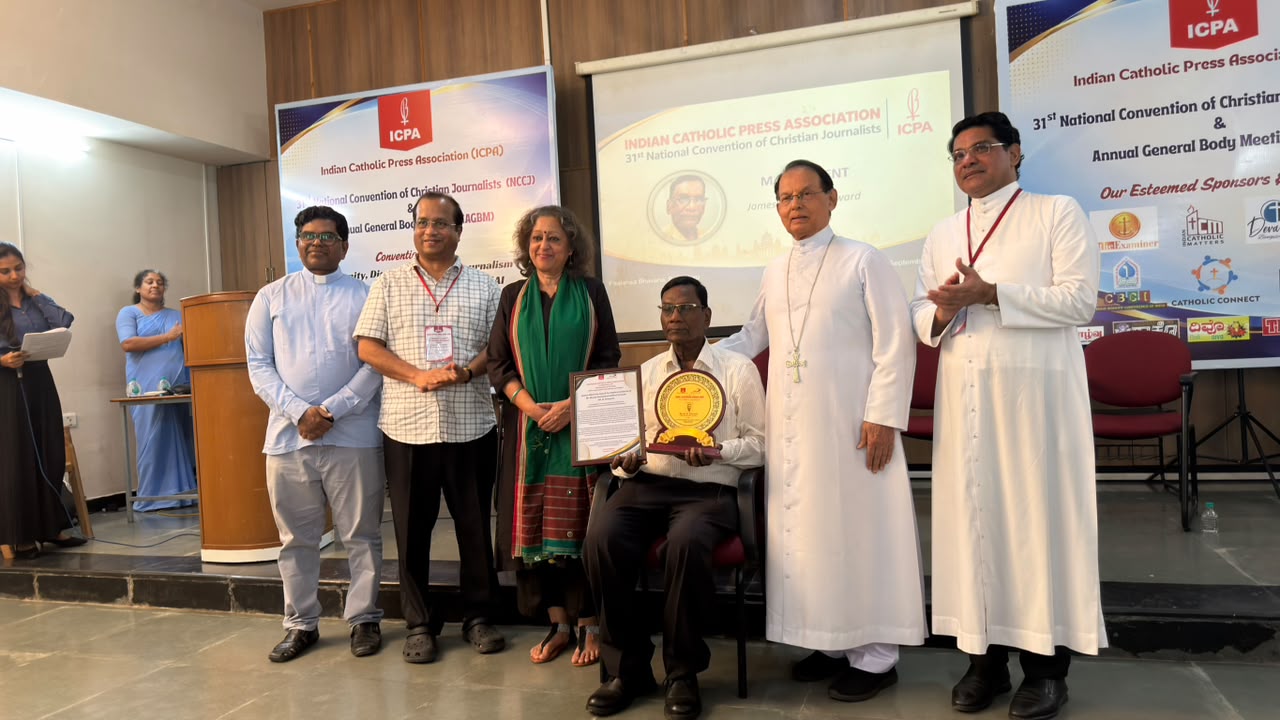 ICPA
ICPA
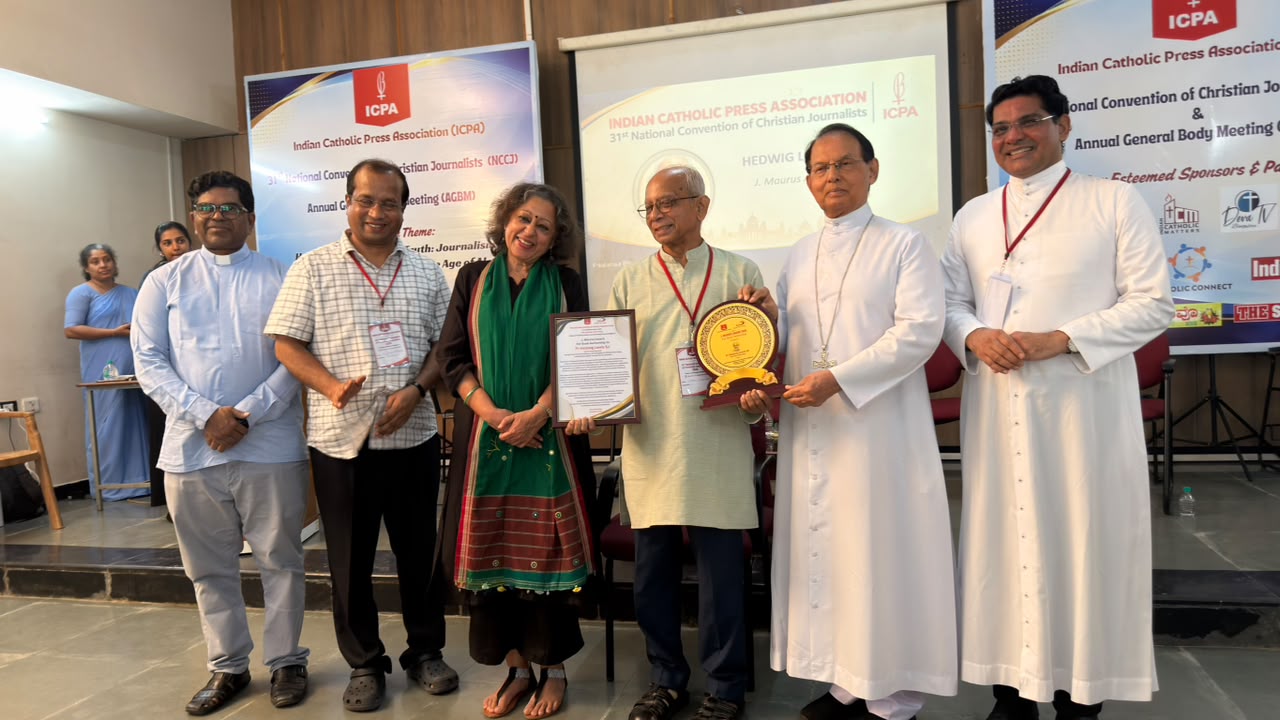 ICPA
ICPA
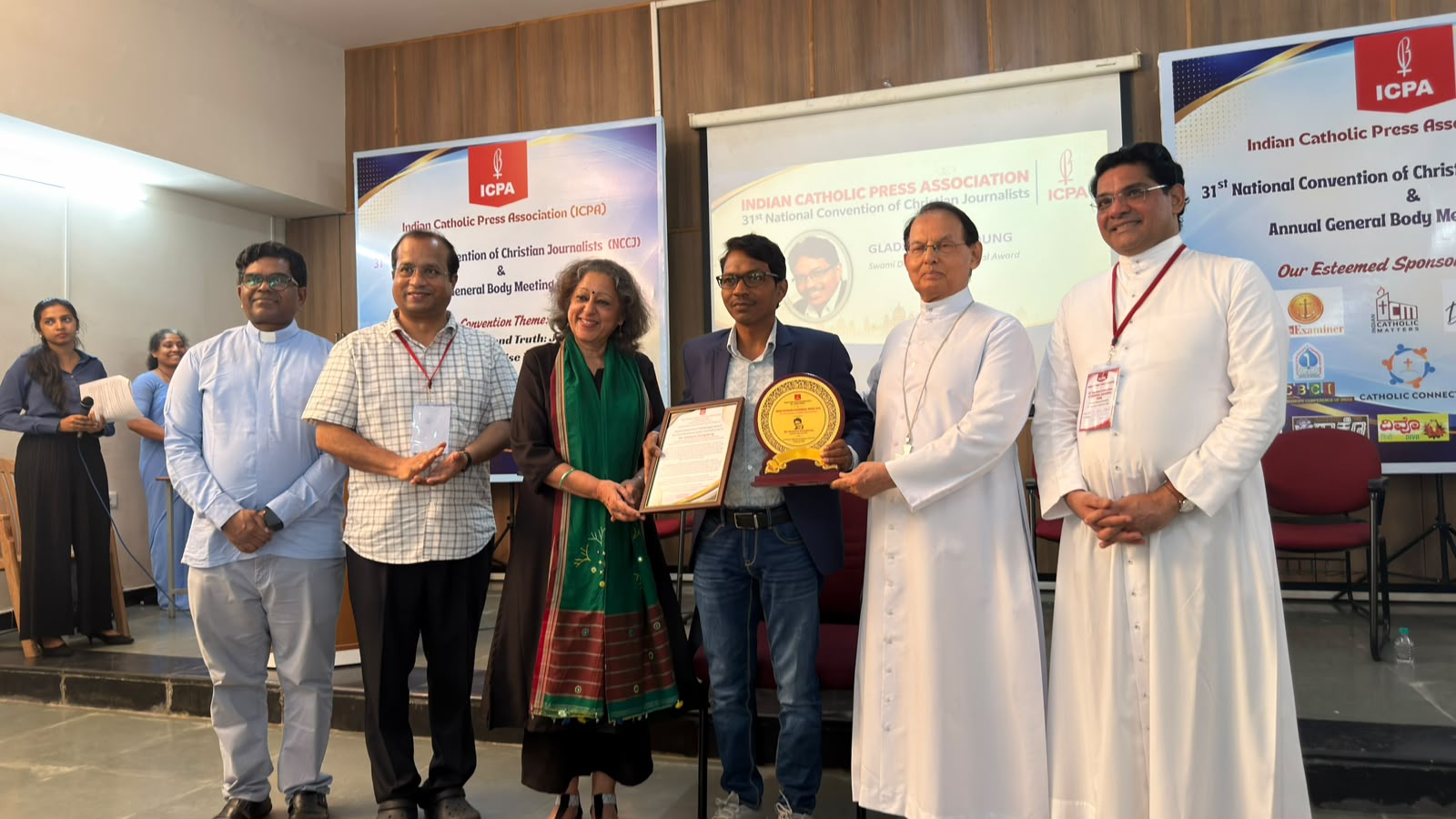 ICPA
ICPA
 ICPA
ICPA
.jpg)
 A. J. Philip
.jpg)
.png) Jacob Peenikaparambil
Jacob Peenikaparambil
.jpg)
.png) John Dayal
John Dayal