.jpg)


.png) Dr Suresh Mathew
Dr Suresh Mathew
.jpg)
‘Birds and butterflies, the beloved sisters of St. Francis, fluttered over the chapel at San Damiano, as if they were left orphans, when his body was being lowered into a tomb.’ These words make the penultimate paragraph of the book on St. Francis written by the Greek literary giant Nikos Kazantzakis. Pope Francis is the first Pontiff to take the name of the saint from Assisi for whom every creature on earth was his brother or sister. No wonder, the Pope has titled his new encyclical as Fratelli Tutti (All Brothers), two words St. Francis used for addressing his fellow friars. These two words encompass the whole world; it transcends every barrier and border; it rises above the dividing factors like race, colour, faith, caste and class; it embraces everyone irrespective of their proximity to or distance from us.
The relevance of this ground-breaking encyclical has to be weighed against the present scenario: a globalized world wherein nations do not see eye-to-eye; religious fundamentalism emerging as the biggest threat to people’s coexistence; majority-minority feelings wreaking havoc in human relationships; continuing physical, sexual and emotional subjugation of women; and social media platforms becoming the latest weapon to drive a wedge among individuals and communities. Herein comes the “All are brothers” message from the Pope who has undertaken a journey to join the broken links in human relationship. His new encyclical -- written in eight chapters, 287 paragraphs and around 43,000 words -- becomes the road map for a new world. It is an answer to those whose concept of development is limited to “our own” rather than “we all”. The Pope’s prescription to the malice of the ‘growing distance from one another’ is ‘holding others closer to us’.
The encyclical has to be seen in the background of two incidents from the life of St Francis which have resonance in the present-day world and the Church. Over 800 years ago, the Saint made an audacious decision to reach the door of the Sultan of Egypt for negotiation at a time when the crusaders were waiting to cross the Nile in their bid to capture Jerusalem. It was to extend a hand of friendship at a time the two religions were at daggers drawn. Last year, on the 800th anniversary of this meeting, Pope Francis followed the footprints of his namesake and travelled to the Arabian Peninsula. His handshake with the rulers of UAE and the meeting with the Grand Imam of Al Azhar Al Sharif University epitomize the genuineness of the encyclical Fratelli Tutti.
The encyclical should be viewed in the light of another incident in St. Francis’s life when he went to meet the then Pope Innocent III. The Church was passing through one of its worst times with even clergy not living a life according to Gospel values. Initially the Pope was skeptical about the friar from Assisi, but a dream he had the previous night forced him to approve the appeal of Francis to ‘repair the Church of God’. Presently, the Church is passing through similar difficult times and Pope Francis seems to be the person who has been called out to shoulder the ‘leaning Church’. The pontiff, who prefers to be called a Brother, has charted out a new course in this direction through Fratelli Tutti.
.jpg)
.png) Cedric Prakash
Cedric Prakash
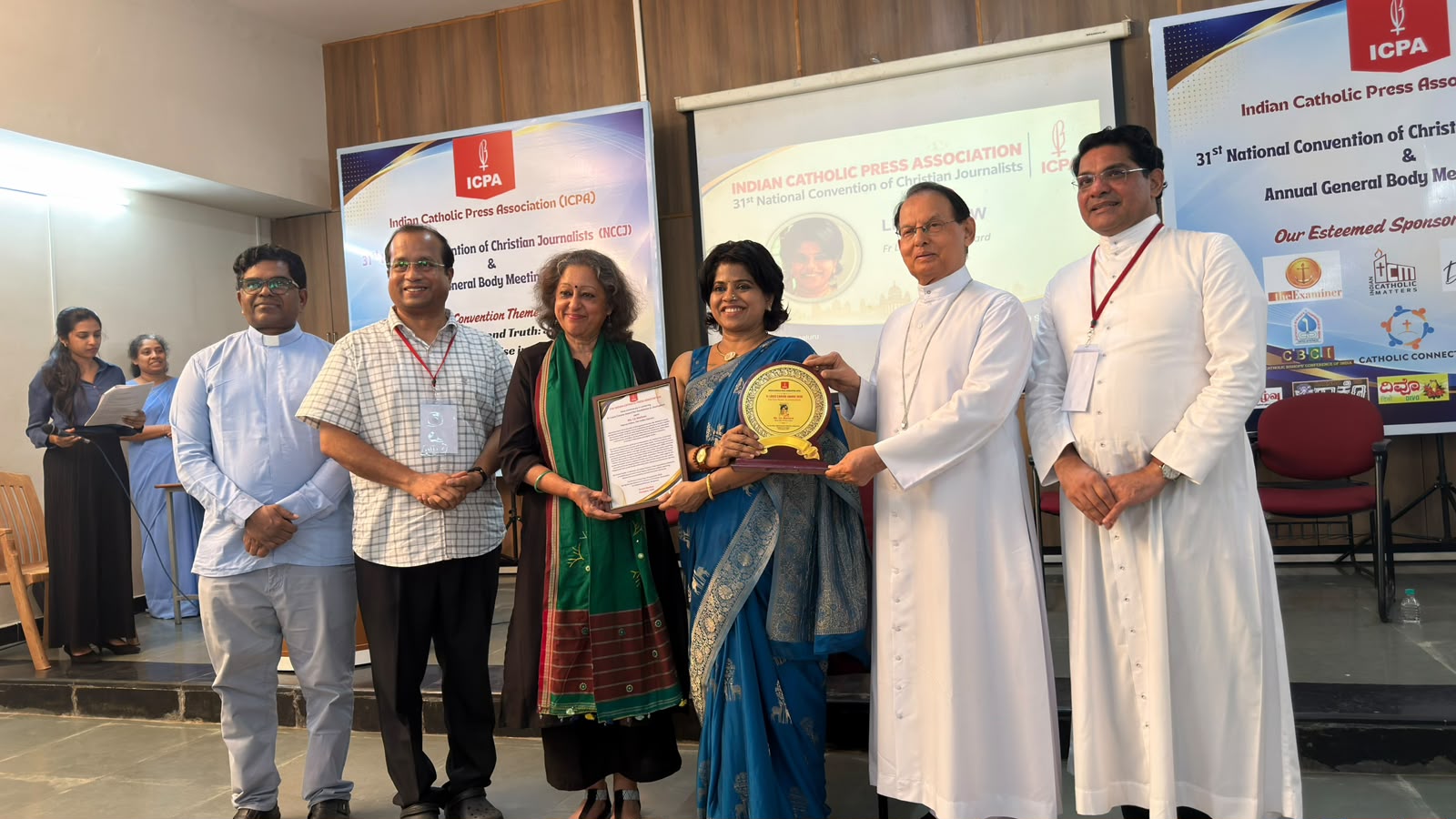
 ICPA
ICPA
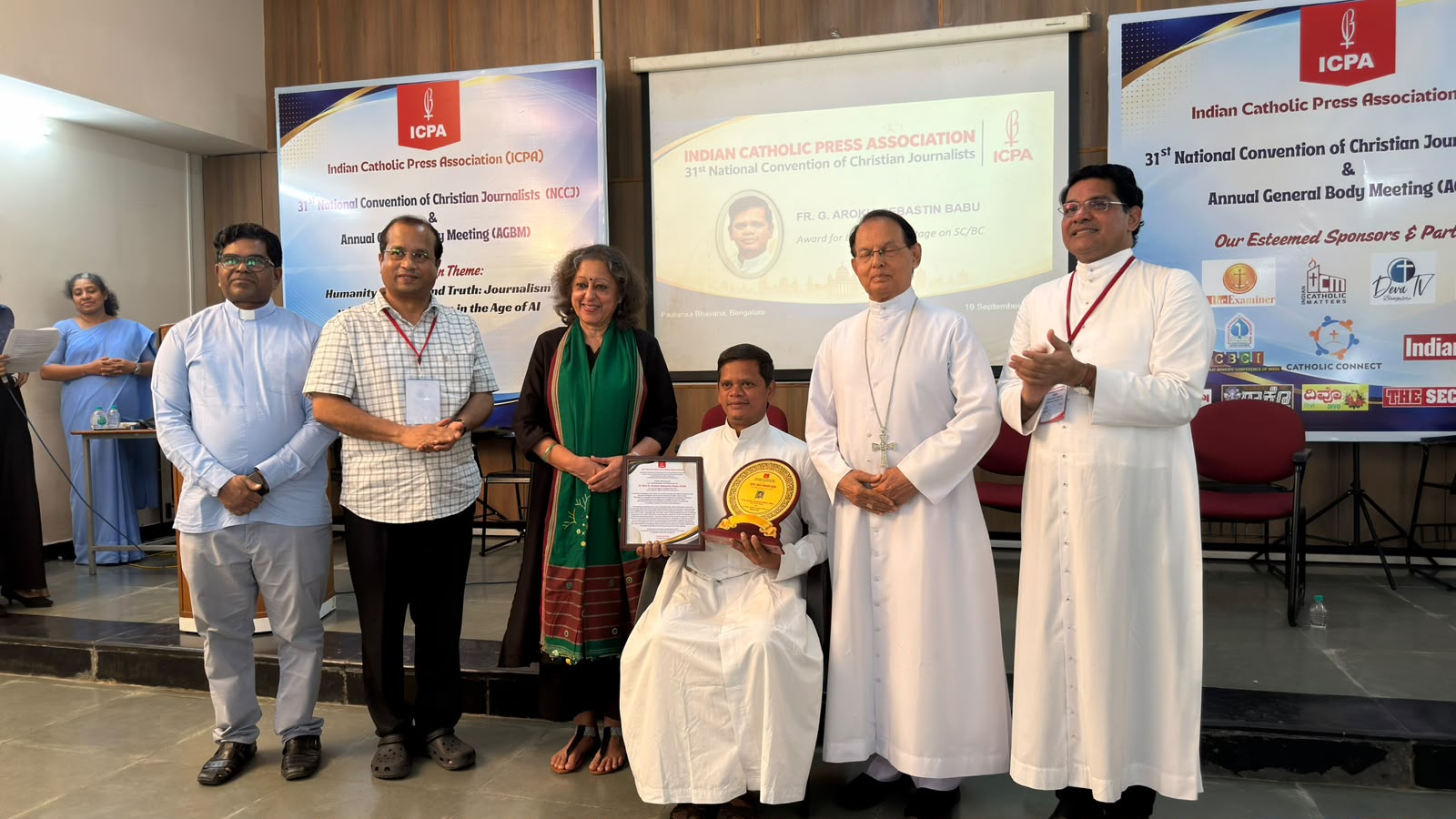 ICPA
ICPA
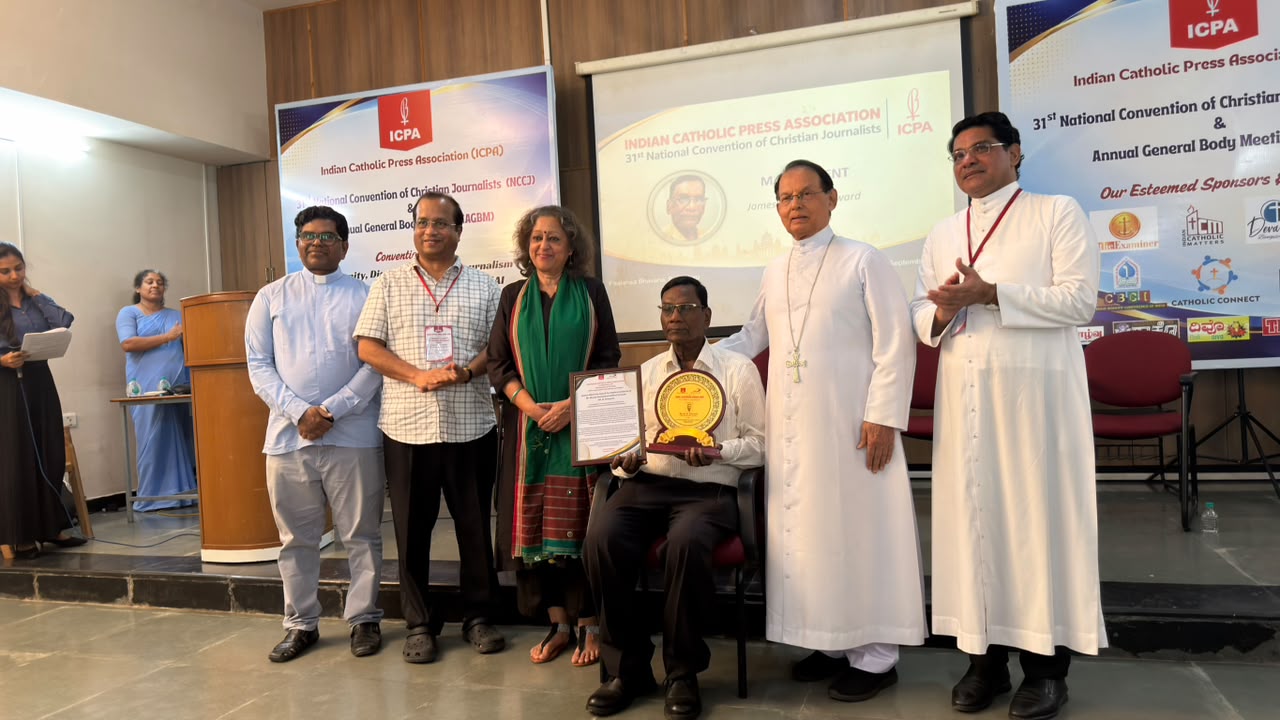 ICPA
ICPA
 ICPA
ICPA
 ICPA
ICPA
 ICPA
ICPA
.jpg)
 A. J. Philip
.jpg)
.png) Jacob Peenikaparambil
Jacob Peenikaparambil
.jpg)
.png) John Dayal
John Dayal