

 Fr. Gaurav Nair
As we stand on the cusp of another crucial election season, our nation's political landscape is fraught with complexities and challenges. Recent events, such as the farmers' protests, have brought pressing issues that demand our attention and introspection to the forefront.
The farmers' protests, which have dominated headlines and captured public consciousness, are a poignant reminder of the deep-seated distress and the increasing chokehold the government is trying to gain for its interests. Though their handling of the protestors did not win them any accolades, how the government addresses farmers' grievances and implements policies to alleviate their plight will undoubtedly resonate with voters at the ballot box. After Sitharaman's bold claims of raising farmers to the pedestal, any perceived disconnect or indifference from the government towards this crucial vote bank could significantly sway electoral fortunes.
Similarly, the recent decision to abolish electoral bonds marks a pivotal moment in our democratic journey. Electoral bonds, repeatedly criticised for their opacity and potential for abuse, represented a troubling nexus between money power and political influence. Their abolition signifies a step towards greater transparency and accountability in electoral funding, restoring faith in the integrity of our democratic processes. As we head into the election cycle, the onus is on political parties to embrace this change and uphold the principles of fairness and probity in their financial dealings. Reportedly, initial probes into the already encashed bonds hint at political manipulations and misdeeds.
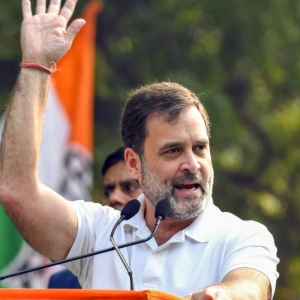
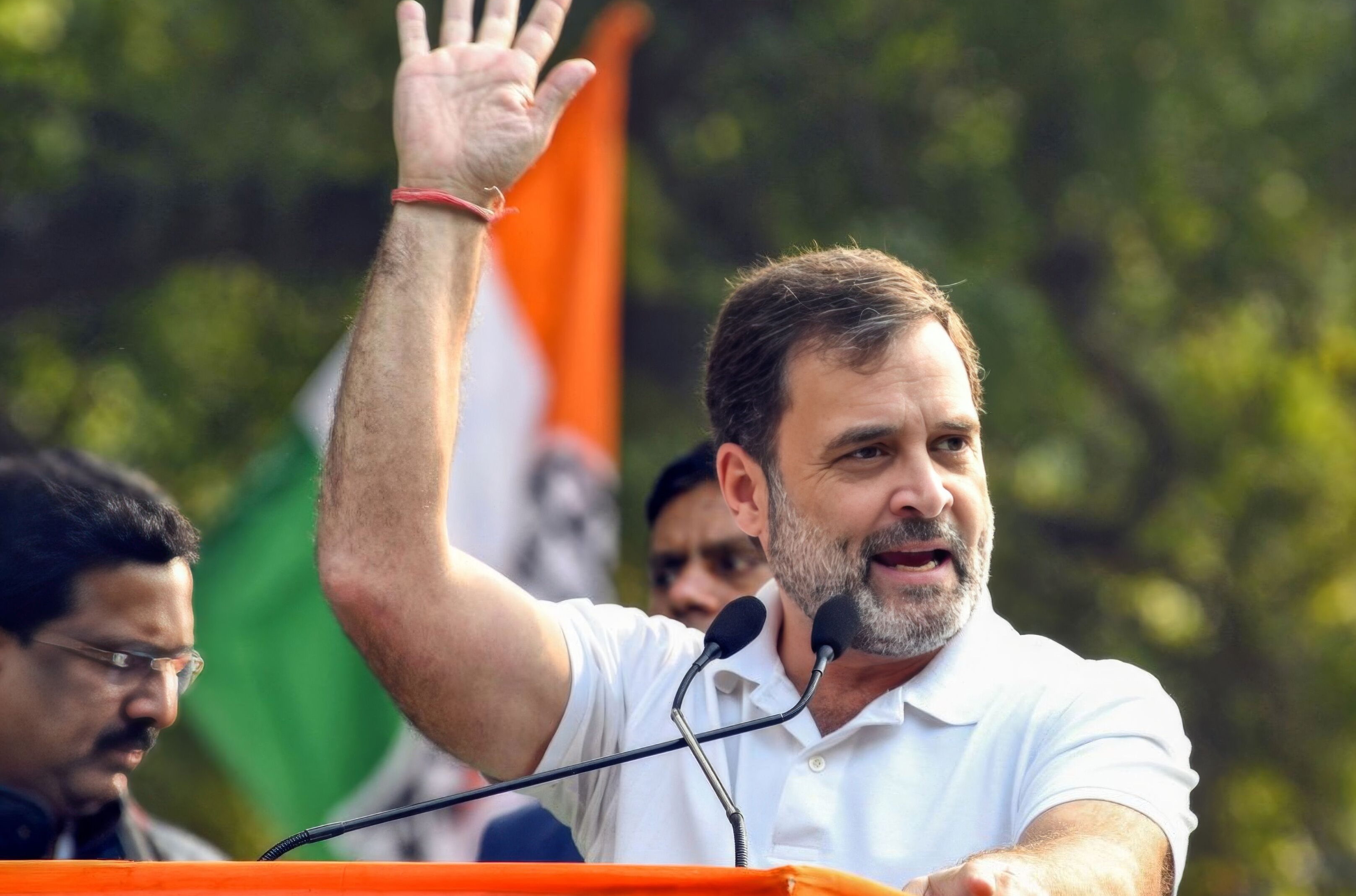
The spectre of underhanded tactics and divisive rhetoric casts a shadow over the electoral discourse, undermining the very fabric of our democratic ethos. It is incumbent upon all stakeholders, particularly political leaders, to eschew negativity and embrace a more inclusive and constructive approach to governance. In particular, Rahul Gandhi and INDIA Inc. must reassess their strategy and pivot towards espousing positive messages that resonate with the electorate's aspirations. Only by refraining from taking potshots at the antics of Modi and the BJP and focusing on substantive issues can he galvanise support and offer a compelling vision for the future.
It is a perplexing paradox that amidst a sea of grievances and discontent, the opposition has failed to capitalise on even one of these issues to mount a formidable challenge. Instead, we witness the BJP leveraging flimsy excuses, such as promises of temple and discussions around religious conversions, to solidify its support base and maintain its political hegemony.
This failure on the part of the opposition is more than merely a matter of missed opportunities; it represents a fundamental dereliction of duty in safeguarding the populace's interests and holding the government accountable. At a time when the nation grapples with existential challenges ranging from economic downturns to social upheavals, the absence of a robust opposition only serves to further entrench the status quo and perpetuate the cycle of stagnation.
Political leaders must rise to the occasion, championing transparency, inclusivity, and ethical conduct. Only through steadfast commitment to these principles can we navigate the crossroads before us and safeguard the integrity of our democratic institutions.
.jpg)
.png) Cedric Prakash
Cedric Prakash
 ICPA
ICPA
 ICPA
ICPA
 ICPA
ICPA
 ICPA
ICPA
 ICPA
ICPA
 ICPA
ICPA
.jpg)
 A. J. Philip
.jpg)
.png) Jacob Peenikaparambil
Jacob Peenikaparambil
.jpg)
.png) John Dayal
John Dayal