

.png) Dr Suresh Mathew
Dr Suresh Mathew
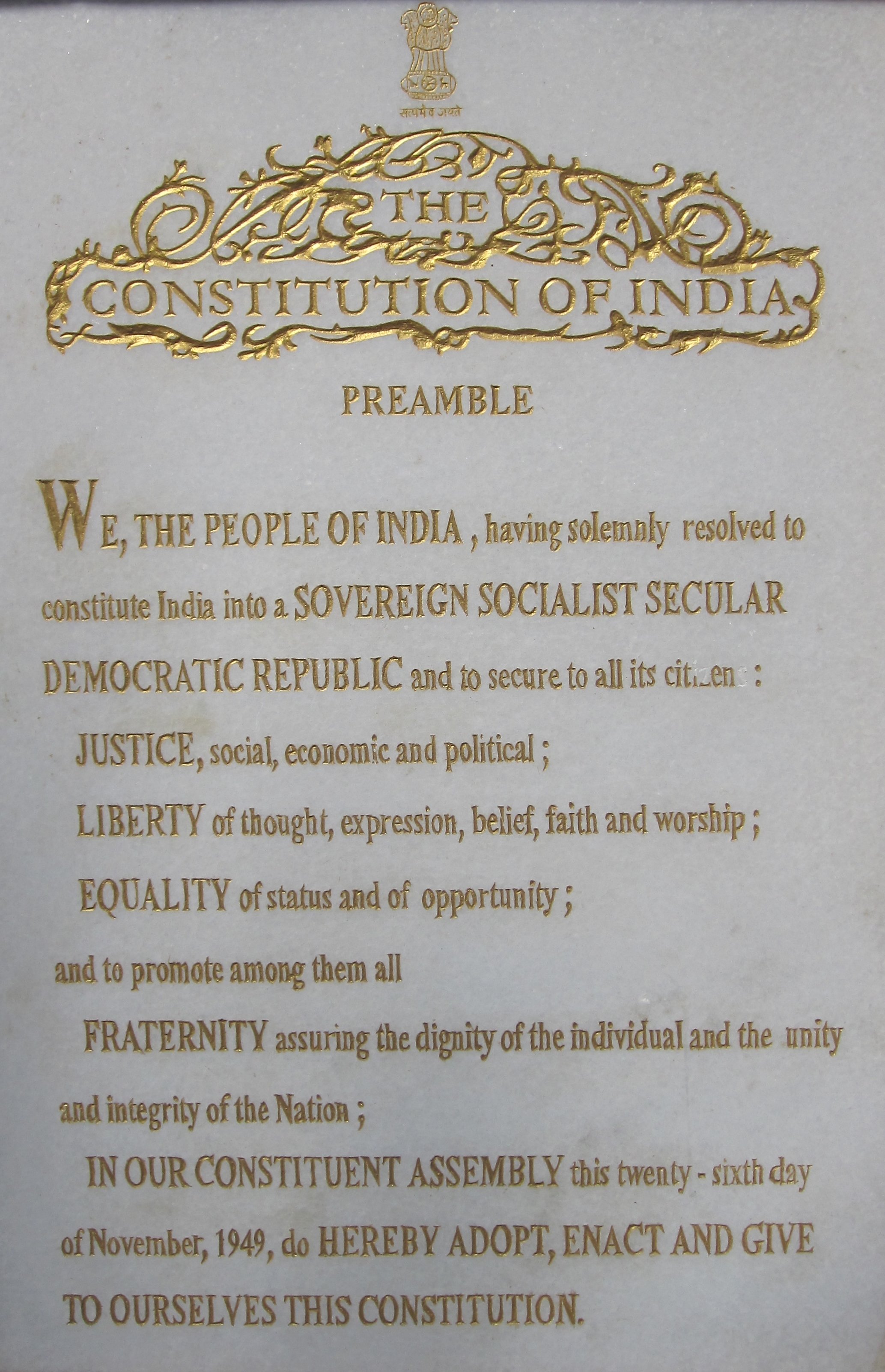
The Constitution and democracy are the heart and soul of India. The country will fall apart if either of them is threatened. For seventy years, the nation has proved the doomsayers wrong. It proved wrong Winston Churchill, the Prime Minister of Britain, who said Indians would fight among themselves and India would be lost in political squabble after its independence. Probably, B. R. Ambedkar is closer to truth when he said: I feel, however good a Constitution may be, it is sure to turn out bad because those who are called to work it, happen to be a bad lot.
However, developments in the last few years do send alarm bells ringing as efforts are on to trample upon constitutional values and democratic principles. The functioning of three pillars of democracy – legislature, executive and judiciary -- and media, the fourth pillar, leaves much to be desired. The resignations of elected representatives in droves, State after State, to enable a particular party to come to power is a new phenomenon unheard during previous regimes. This makes the electoral process – the backbone of democracy – a futile exercise as people’s choice is rendered hollow.
The law-making process in the recent past has apparently made the legislature a scarecrow. Bills after Bills are rushed through the legislative bodies without much discussion. Even the method followed to pass them is mired in controversy. In certain cases, reports suggest that Bills are brought to the Cabinet at the last minute for its consideration, making proper discussions a remote possibility. Many laws, which have far-reaching repercussions, like the Citizenship Amendment Act, agricultural reform laws, labour reform laws are some of the examples for the government’s least concern for consultations with stake holders.
A few States are also following suit in framing laws. The proposed law by Madhya Pradesh, Uttar Pradesh and Haryana – all ruled by the BJP – to curb what they call ‘love jihad’ reeks of communal and partisan ideology of the saffron party. Though the objective is to contain forced conversions before marriage, the existing laws are enough to put a leash on such illegalities. The Allahabad High Court’s observation that interference in inter-personal relationship would constitute a serious encroachment into the right to freedom of choice is a slap on the face of the governments which are proposing to bring law against ‘love jihad’.
The filing of cases against students, academicians, activists and intellectuals and putting them behind bars is nothing but demonizing and punishing dissent. It is an affront to the fundamental right of 83-year-old Father Stan Swamy that his plea to provide him with a straw and sipper in jail, as he is suffering from Parkinson’s disease, is kept pending for a month by a court; while interim bail has been granted to a senior journalist with leaning to the ruling party, who is an accused in an abetment to suicide case, within a week of filing the petition.
The formation of a “Cow Cabinet”, hitherto unheard in the annals of independent India, in Madhya Pradesh is yet another instance of misplaced priority in a democratic country. Ironically, M.P. is one of the States with the moniker BIMARU for its pathetic condition in economy, health, mortality and malnutrition areas. The Constitution of India places people at the centre; but over the years, people have been relegated to the backburner, the single most shortcoming of the present regime.
.jpg)
 A. J. Philip
.png) Cedric Prakash
Cedric Prakash
.jpg)
 P. A. Chacko
.jpg)
.jpg)
.jpg) Thomas Menamparampil
Thomas Menamparampil
.png)
.png)
.png) Robert Clements
Robert Clements
.jpg)
.png)
.png) Chhotebhai
Chhotebhai