

.png) Dr Suresh Mathew
Dr Suresh Mathew
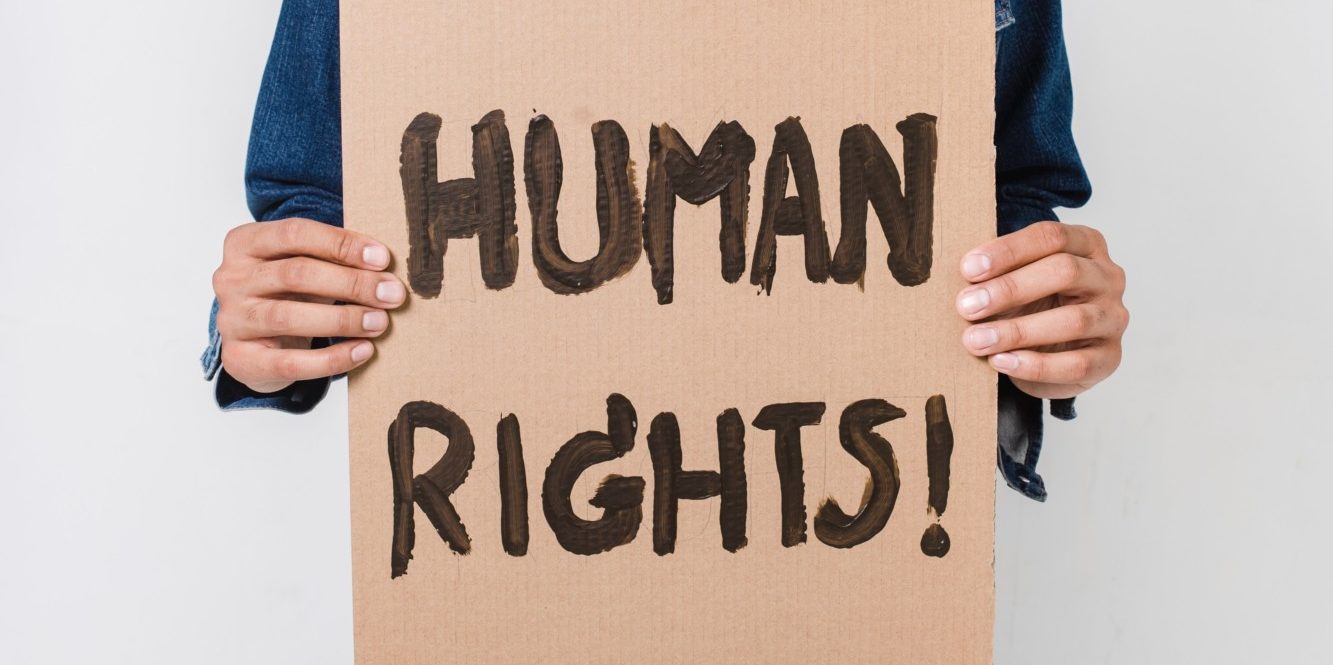
The US Government on March 20 released the 2022 Country Reports on Human Rights Practices, highlighting grave violations of rights in many countries, including India. Coincidently, the Indian Parliament was witnessing a wash-out of the second leg of its Budget session for the seventh consecutive day, which is no less than violation of the rights of people and their elected representatives, when the Biden Government’s report came out. It could be a mere coincidence, but it adds to the significance of the report.
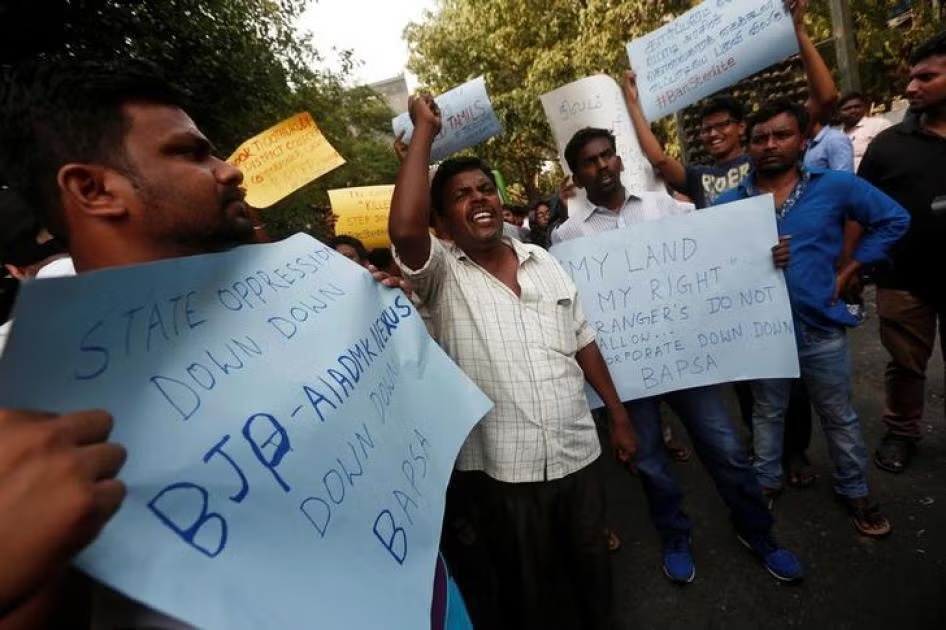
The US report cited significant human rights violations including alleged unlawful and arbitrary killings, infringement of freedom of press, interference with privacy of individuals, and violence targeting religious and ethnic minorities. The report has been brought out after interaction with the government and meeting with civil society in the US and India. It is true that one does not need the crutches of the US report to get a ringside view of the inhumanities heaped upon the citizens and how the perpetrators go scot-free. The ongoing attacks on minorities, Dalits and rights activists are a case in point. The Muslims and Christians, apart from human rights activists, are facing an existential threat from the right-wing cadres who have got godfathers in the power corridors.
The assaults and lynching for carrying cattle in vehicles or for allegedly keeping beef at home are insane instances of rights violation. The bulldozing of houses of particular sections of the society, on the allegation that they are on encroached land or on the plea of dispensing justice with ‘criminals’, is a new phenomenon of taking law into hands. The arrest and jailing of rights activists under black laws like UAPA for speaking up for Dalits and Adivasis are instances of throttling constitutional rights bestowed on citizens.
Unjustified arrests of people for social media posts and criticizing the government for its omissions and commissions are nothing but abuse of law. Prosecution of journalists for exercising their freedom of ex
The unprecedented attacks of Christians in several states have gained momentum, stifling freedom to profess, practice and propagate religion. The communities’ plight and struggle for their right to life were brought to light unmistakably when thousands of members of scores of Christian churches and organizations took to streets and gathered at Jantar Mantar at the heart of Delhi. Their voice echoed the pain of brutality suffered by their brethren across the country. Their slogans resonated the agony of Christians forced to flee their houses, threatened, intimidated and assaulted by Sangh Parivar cadres.
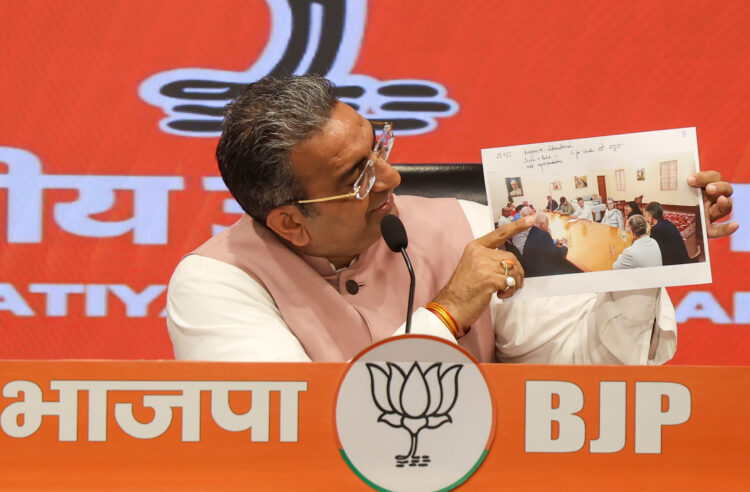
We are now witnessing another type of rights violation in the sanctum sanctorum of Indian democracy – the Parliament. It is not unusual for the Opposition parties to disrupt the functioning of the Houses. But quite unusually, the ruling party members have, this time, joined the chorus in unsettling the function of both the Houses. All these add credence to what has been said in the US report, though the government might term it baseless and untrue.
.jpg)
.png) Cedric Prakash
Cedric Prakash
.jpg) Elsa Lycias Joel
Elsa Lycias Joel
.jpg)
 A. J. Philip
.png) Jacob Peenikaparambil
Jacob Peenikaparambil
.jpg)
.png) John Dayal
John Dayal
.jpg)
.jpg)
.png) Joseph Maliakan
Joseph Maliakan
.png)
.png) Robert Clements
Robert Clements
.jpg) Cedric Prakash
Cedric Prakash
 ICPA
ICPA