

 Fr. Gaurav Nair
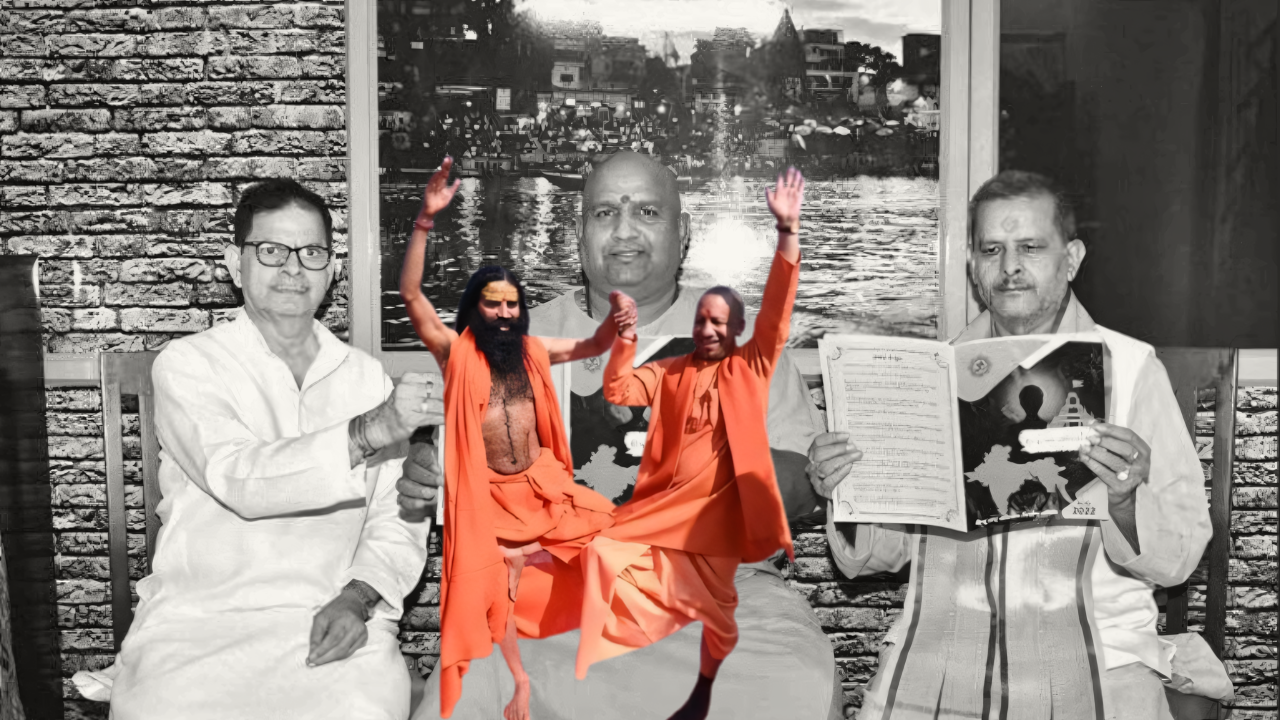
One sometimes wonders how blind people can be when they apply perspectives. When one does something, it is lawful; when someone else does the same, it is deemed criminal. This dissembling is the hallmark of the BJP's governance, which has been having a ball silencing its critics by throwing them into the slammer weaponising draconian laws. According to an older report from 2024, around 701 had been booked on sedition charges in 2018-22. This does not include the 5023 UAPA cases registered in the same period.
Wikipedia defines sedition as "an overt conduct, such as speech or organisation, that tends toward rebellion against the established order. Sedition often includes subversion of a constitution and incitement of discontent ..."
By this definition and its previous demeanour of collecting "seditious" individuals, the government should have had already taken action against those who dared to draft a "Hindu Rashtra Constitution" and preemptively put a stop to its speculated release on Basant Panchmi.
Discarding the existing Constitution—a symbol of India's secular and democratic identity—is tantamount to declaring that the nation, as we know it, must cease to exist. The very idea of India that embraces diversity and equality is being targeted. Have the Hindutva forces decided that India must cease to exist and that it is time to wage a "Sanatani war" against all who do not subscribe to its exclusionary tenets?
The Judiciary, the supposed guardian of the Constitution, should have been more conscious that a parallel document has been penned and is being publicly flaunted as the next big thing. Why is it failing to take suo motu cognisance of this shocker? The mere speculation of an alternative constitution being drafted should have prompted immediate intervention to safeguard the national interests.
Our country stands at a crossroads today. Its citizens must rise to the occasion and demand accountability. The Constitution is not just a legal document; it is the nation's soul. Allowing actions such as these is betraying our very essence.
There are ample similitudes between the growing situation in India and countries grappling with extremist shadow governments or overwhelming mafia influence.
There are a multitude of ways that this may go. The right-wing may, like Tehreek-e-Taliban Pakistan (TTP), operate as a shadow government, challenging the authority of the state and enforcing its own regressive ideology if the Judiciary continues to hum and haw as it does right now between joining poojas and sharing podiums from where poisonous speeches are disseminated.
Or we might become another Afghanistan where the right-wing governs like the Taliban with a worldview that erases fundamental freedoms and pluralism. The rule of law and constitutional governance will be supplanted by authoritarianism, where dissent is met with brutality, and power flows from fear rather than legitimacy.
Even in nations plagued by mafia dominance, such as certain regions of Italy or Mexico, the erosion of state authority is marked by selective law enforcement.
These systems thrive on double standards, where those who oppose the status quo are swiftly silenced while powerful actors operate with impunity. While these examples may seem distant right now, they may not be so for too long.
.jpg)
.png) Cedric Prakash
Cedric Prakash
 ICPA
ICPA
 ICPA
ICPA
 ICPA
ICPA
 ICPA
ICPA
 ICPA
ICPA
 ICPA
ICPA
.jpg)
 A. J. Philip
.jpg)
.png) Jacob Peenikaparambil
Jacob Peenikaparambil
.jpg)
.png) John Dayal
John Dayal