

.png) Ram Puniyani
Ram Puniyani
When Babri Mosque was being demolished in broad day light, the slogan being chanted by the leaders was, Yeh to Kewal jahnki hai, Kashi Mathura Baaki hai (This is the beginning, Kashi Mathura are next on the line). Supreme Court despite giving the same land to those who demolished the Mosque did call it a crime. The Ram Temple was used to the hilt for electoral purpose and for dividing the society along religious lines. The faith that ‘Lord Ram was born precisely at that spot’ was constructed. This constructed faith formed the base of politics and later the judgement of the Courts.
Having achieved this milestone of religious nationalism, now what next? As such there is no dearth of divisive issues, issues based around identity, issues which demonise the religious minorities, marginalise them and give a boost to sectarian nationalism, some of these are permanently on the agenda like, love jihad, (added on by land jihad, corona jihad, civil service jihad etc.) holy cow, large families, Uniform Civil code among other. There is a regular addition to such issues, through which the majoritarian politics aims to show the majority community as the victim of minorities.
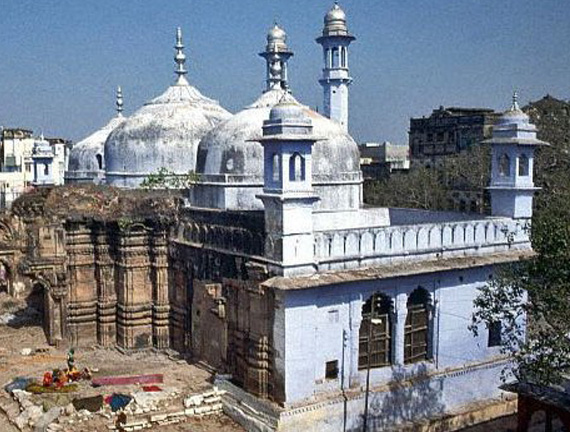
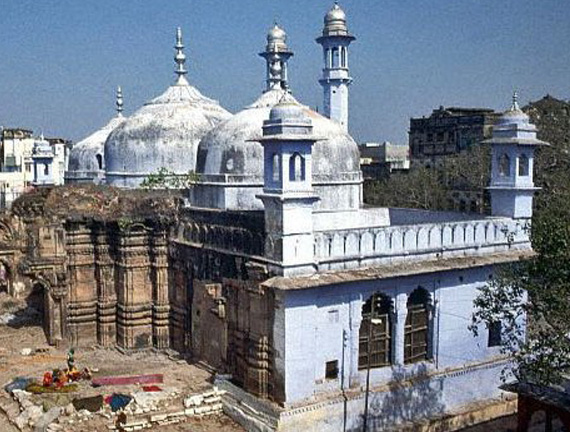
In that sense the issue of Kashi and Mathura are potent issues, which can add on to the already existing plethora of identity issues. In Kashi, abutting the wall of Vishwanath Temple is Gyanwapi Mosque. Some say this was built at the time of Akbar and others say it was Aurangzeb during whose reign it was built. In Mathura, Shahi Idgah mosque stands next to Krishna Janma Bhumi Temple. As per the section of Hindu belief the Holy Trio is Ram, Shiva and Krishna which are the most important deities. So the places of importance become Ram (Ayodhya), Shiva (Varanasi) and Krishna (Mathura) which are the three major places to be retrieved.
While the current narrative being popularized is that scores of temples have been destroyed by the invading Muslim rulers of these at least three have to be retrieved as per Hindu Nationalists. There have also been talks and formulations floating that Jama Masjid in Delhi and Jama Masjid in Ahmadabad are also the places, which have been built on Hindu places of worship. The temple destructions have been dealt with by many scholars of History and Archaeology. Temples have been destroyed for political rivalry, assertion of one’s rule and for wealth. It is not only Muslim kings who destroyed Hindu temples, some of them gave generous donations to Hindu temples. Firmans of King Aurangzeb tell us of scores of temples where he gave donations, to recount just couple of them- Kamakhya Devi in Guwahati, Mahakal in Ujjain, and Lord Krishna in Vrindavan. He also destroyed a mosque in Golconda when the local ruler refused to give him the tribute for three consecutive years.
D. D. Kosambi points out (Quoted in ‘Religious Nationalism’, Media House 2020, page 107) that Raja Harshdev of 11th Century Kashmir who appointed a special officer, Devottapatna Nayak, to uproot gold, silver and precious stones studded idols during his regime. Richard Eaton tells us about rival Hindu kings destroying the defeated opponents Kuldevata (Clan god) Temple to build temple of their own clan God. In Srirangatnam Maratha armies destroyed the Hindu temple and Tipu got it repaired! Somehow selective communal historiography has ensured the temple destruction becoming a major seed of divisive politics in India.
If we go a bit further back into history the clash between Buddhism and Brahmanism led to destruction of thousands of Buddha Viharas. Recently while levelling the ground for Ram Temple ground breaking many remnants of Buddha Vihar were found. Historian Dr. M.S. Jayaprakash points out “Hundreds of Buddhist statues, stupas and viharas have been destroyed in India between 830 and 966 AD in the name of Hindu revivalism. Both literary and archaeological sources within and outside India speak volumes about the havoc done to Buddhism by Hindu fanatics… many Hindu kings and rulers took pride in demolishing Buddhist images aiming at the total eradication of Buddhist culture.”
In this backdrop where do we go from here after we have seen the mayhem created around Lord Ram Temple in Ayodhya? The social and political fallout of the whole issue has pushed our democracy several steps backwards. It has relegated the religious minorities in to the cocoon of second class citizenship.
As Akhil Bhartiya Akhada Parishad has declared that it will initiate the campaign for liberation of Kashi and Mathura, it has also said that in due course the arms of Sangh Parivar will be asked to join in. At the moment RSS is saying that it is not keen on the issue, but it seems it is a matter of time when it will jump into the Kashi-Mathura fray and deepen the impact of the campaign to be launched by Akhada Parishad. Already calling the mosques as two “symbols of slavery”, BJP leader and rural development and panchayat raj minister in Karnataka K.S. Eshwarappa had said on August 5 that “a symbol of slavery disturbs our attention and points out that you are a slave”. He reiterated his stance and said, “… All Hindus across the world have a dream that those symbols of slavery should be removed on the lines of Ayodhya. The masjids in Mathura and Kashi will be destroyed too and temples will be rebuilt.”
As such legislation is in place which states, “prohibit conversion of any place of worship and to provide for the maintenance of the religious character of any place of worship as it existed on the 15th day of August 1947, and for matters connected therewith or incidental thereto.”
Temple politics has dragged us into the politics, which is against plural, democratic ethos. The success of right wing forces to increase their clout through Ram Temple campaign may further, prompt them to go in this direction, which is detrimental to the progress and development of the country. The hope is that the majority people oppose such issues being rekindled again.
(Published on 21 st September 2020, Volume XXXII, Issue 39)
.jpg)
.png) Cedric Prakash
Cedric Prakash
 ICPA
ICPA
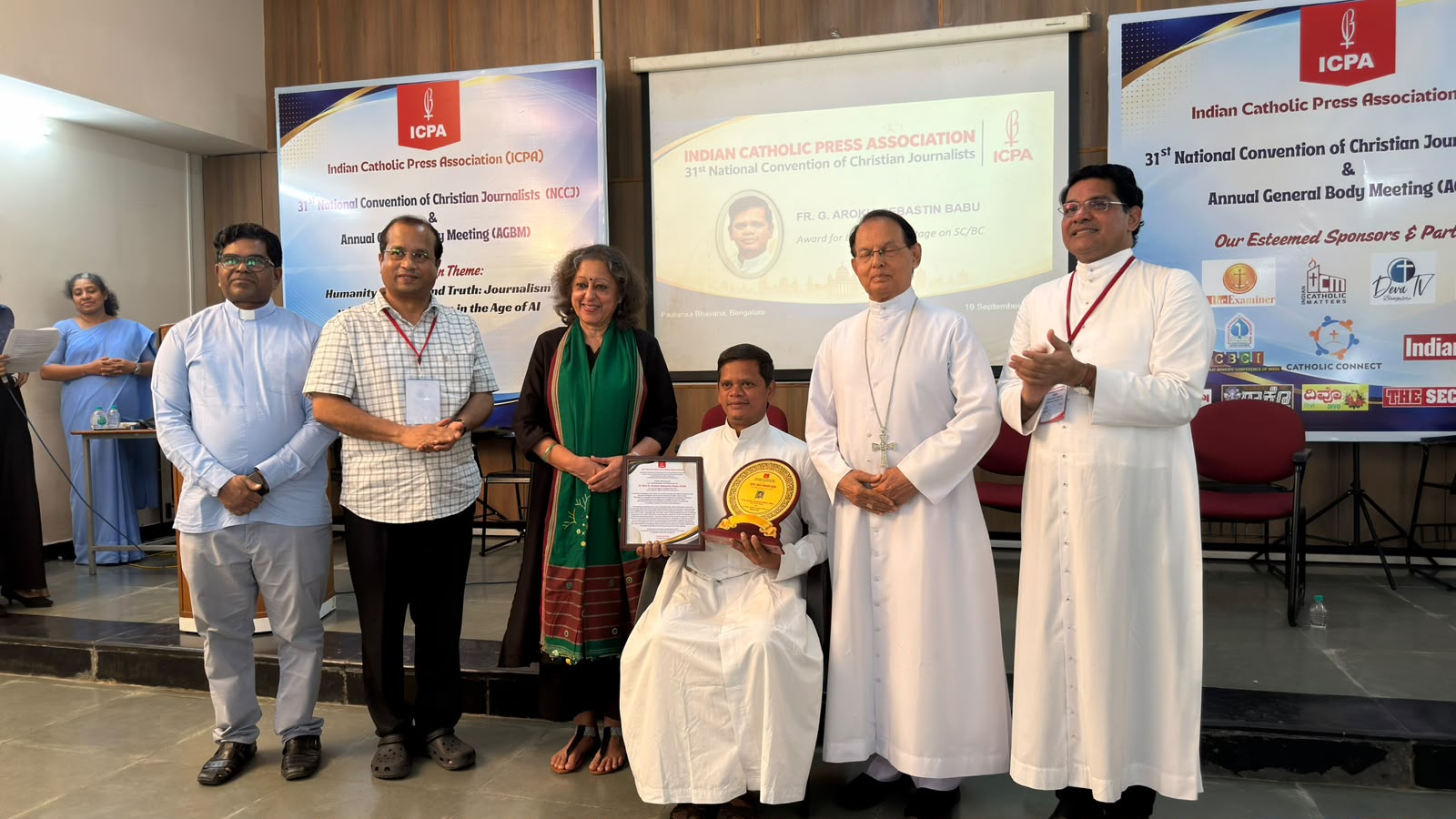 ICPA
ICPA
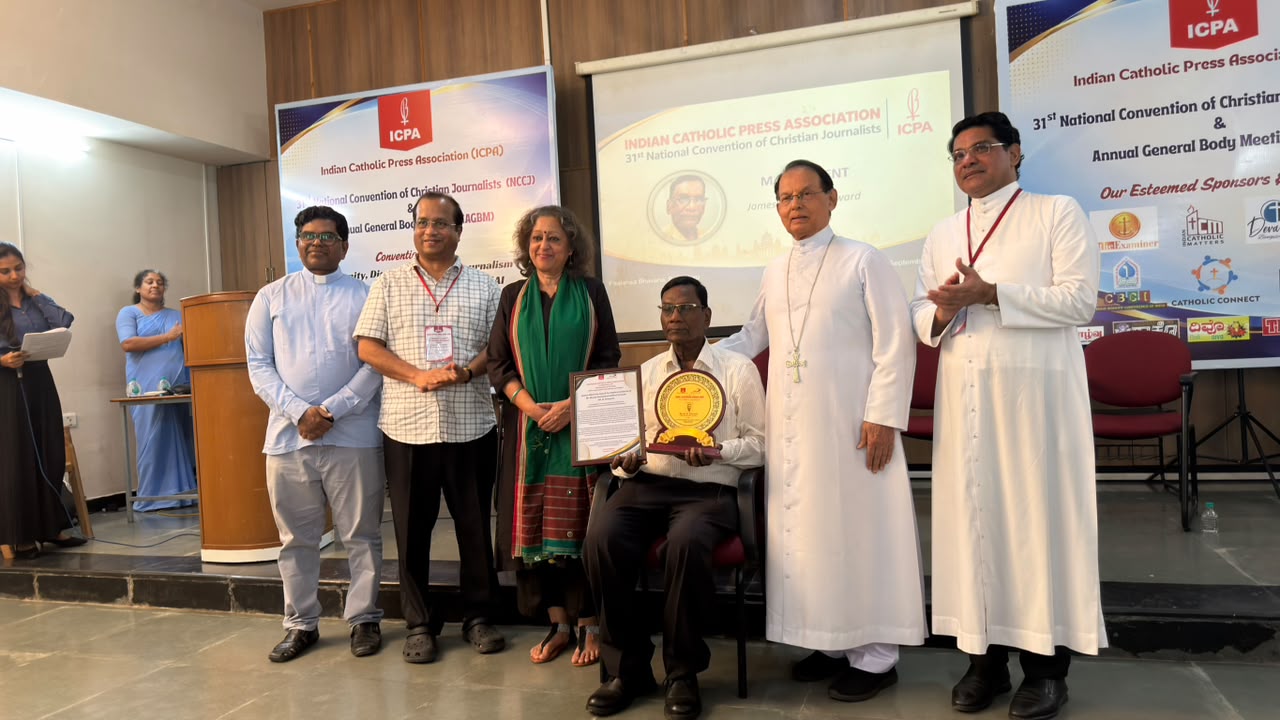 ICPA
ICPA
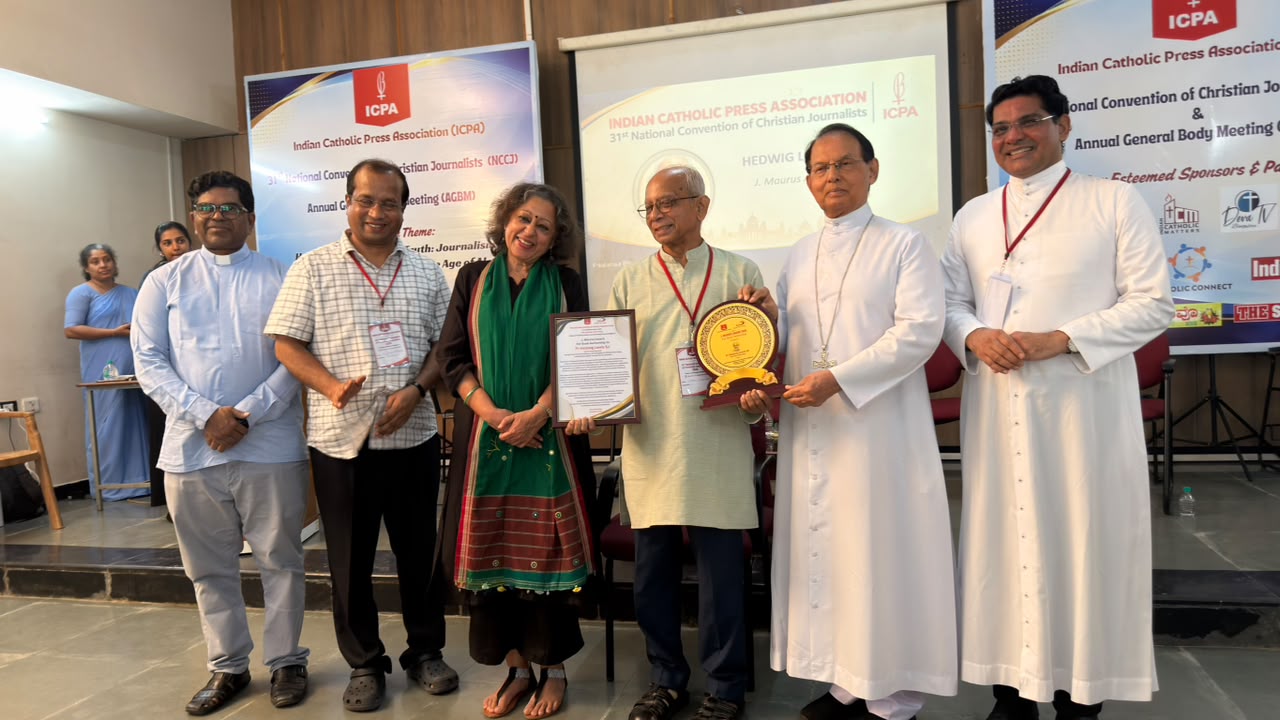 ICPA
ICPA
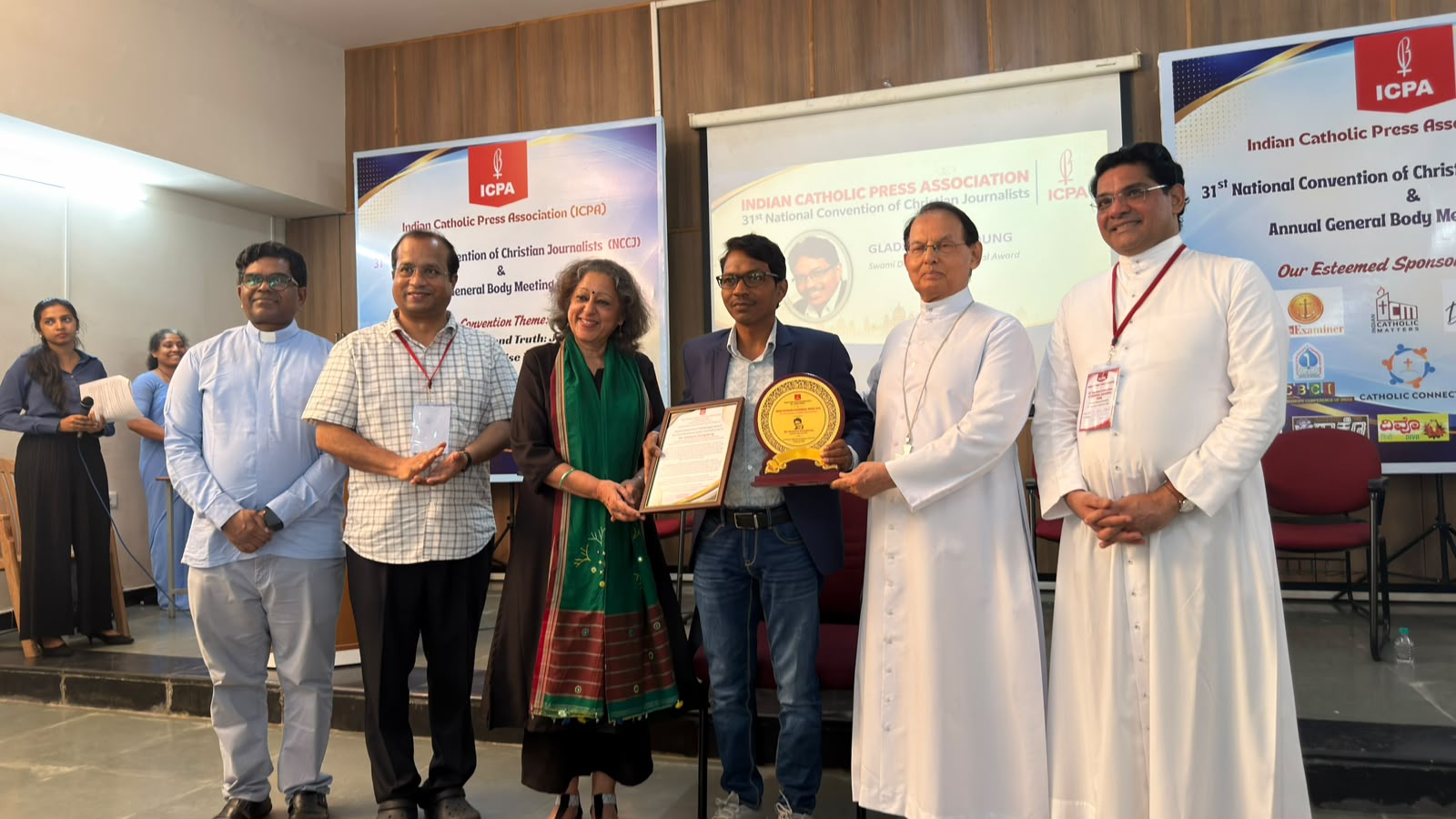 ICPA
ICPA
 ICPA
ICPA
.jpg)
 A. J. Philip
.jpg)
.png) Jacob Peenikaparambil
Jacob Peenikaparambil
.jpg)
.png) John Dayal
John Dayal