

.jpg) P. A. Joseph
P. A. Joseph
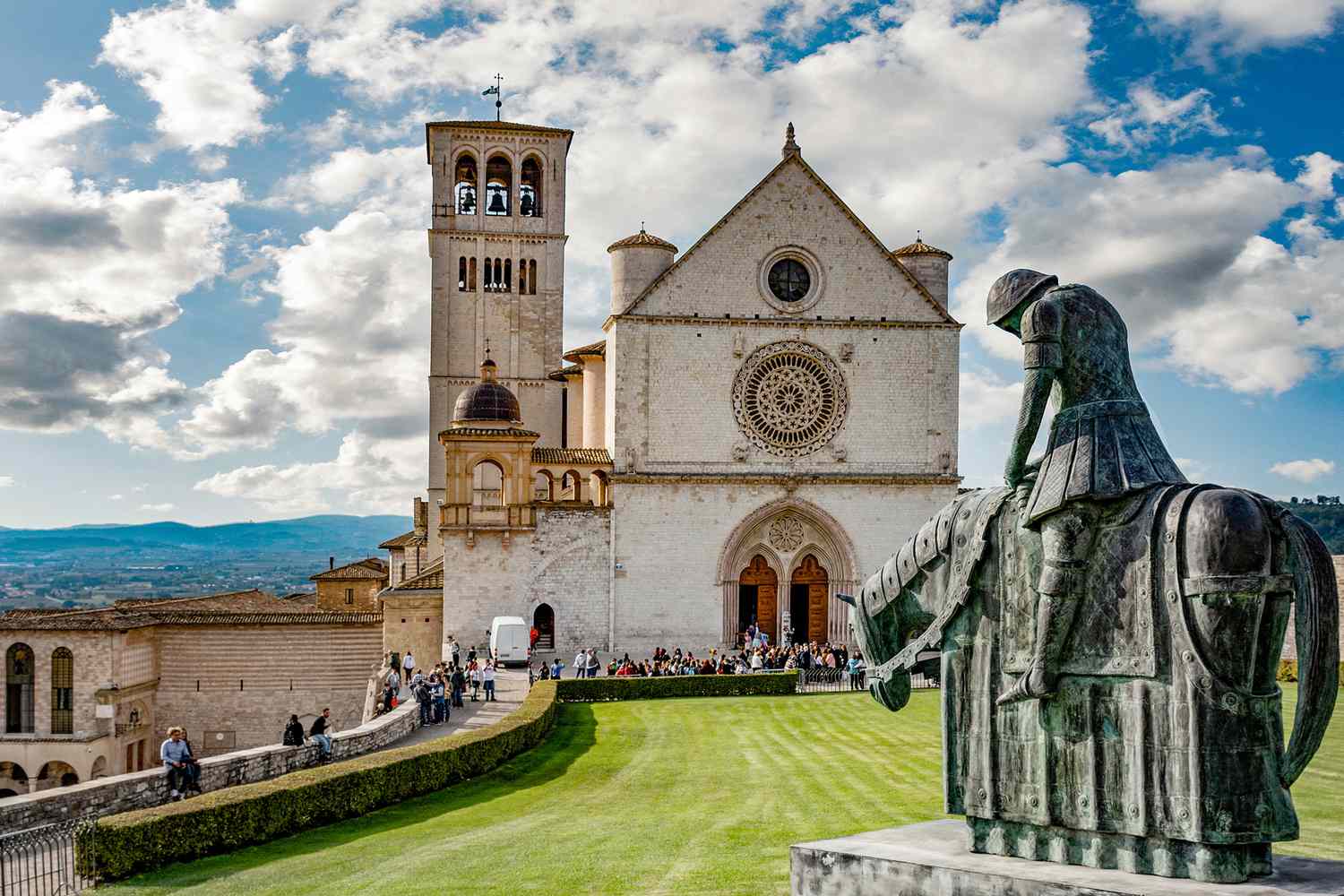
This year, 2026, the whole world is celebrating the memory of St Francis, who died 800 years ago. Among the greatest and most famous people in History, Francis has been dear to people around the world. People have remembered Francis with great love and admiration. We will just reflect on some of these qualities.
As a young man, he left his family and his father's business dealings as a prosperous cloth merchant in Assisi. Francis felt that God was calling him for something else. At first, it was unclear, but gradually it became clear that God had a plan for him far beyond the cloth trade. To realise this, Francis had to struggle, reflecting and praying in agony. He read the Holy Bible and was deeply inspired by its sacred words.
Francis was a humble man. He enjoyed simplicity and goodness. This was clearly understood by everyone. We do not find Francis in tense relations with any man or woman. Also, he lived the Christian teaching of compassion and forgiveness. He inherited from his mother, Donna Pica, tenderness, sensitivity, and caring love.
After God inspired him to live the life he began, he was on a constant search, as if on an inward journey toward himself. This lasted about 24 years, until his last moment, when he returned to the soil that had moulded and fashioned him. He was fully aware of his call to follow the Lord with his companions.
Francis loved simplicity, poverty and brotherhood. These are the pearls he found and cherished in his lifetime. These qualities led him to the poorest of the poor: leprosy patients. He loved them and spent time with them whenever possible. In his biography, we read that Francis embraced a leprosy patient, and he felt much inspiration from him. He was very satisfied with what he had, where he lived, and the companions he kept.
Francis loved nature. He had a poetic view of nature. He would say, "Brother Sun, sister Moon, sister Star, brother Fire, sister Water, earth, seas, rivers, waterfalls, mountains, valleys, trees, birds of the air, fish of the sea, animals in the forests, and everything living and non-living." Francis thanked God, the creator of all. Francis' Canticle of the Sun is a poem topping Italian literature. In this canticle, Francis thanked the Lord God of all creatures.
Francis was deeply devoted to God, and he thanked God for all his blessings. His life was a continuous hymn of thanking God. All who came into contact with him felt his concern for the Almighty as he thanked him. We can say that he enjoyed the rhythm of being conscious of God and always open to God. People of all religions and nations felt the same. In that way, he brought all religions and nations under the universal umbrella of God's presence. We do not clearly see this in many good men and women. Here Francis speaks of a God of everyone. This may be Francis' most beautiful teaching.
Gradually, Francis gained acceptance in the places around Assisi and nearby. People were moved by his persevering service in society, especially his work with leprosy patients and his peace initiatives. People listened to his talks on peace-building programmes, especially seeing his prayerful life and penitential services. He was not like the other wandering preachers who went their own way and were diminished in number and substance. Francis made sure the Pope and the bishops of the area approved his new vision. After he found sincere, trustworthy companions, he met the Pope and got his initial rule approved. His rules were extremely simple: to follow the life of Jesus by following the sacred Gospels.
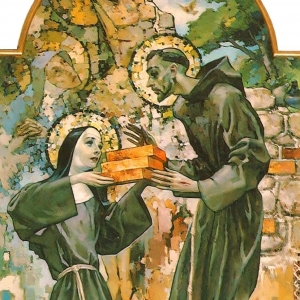
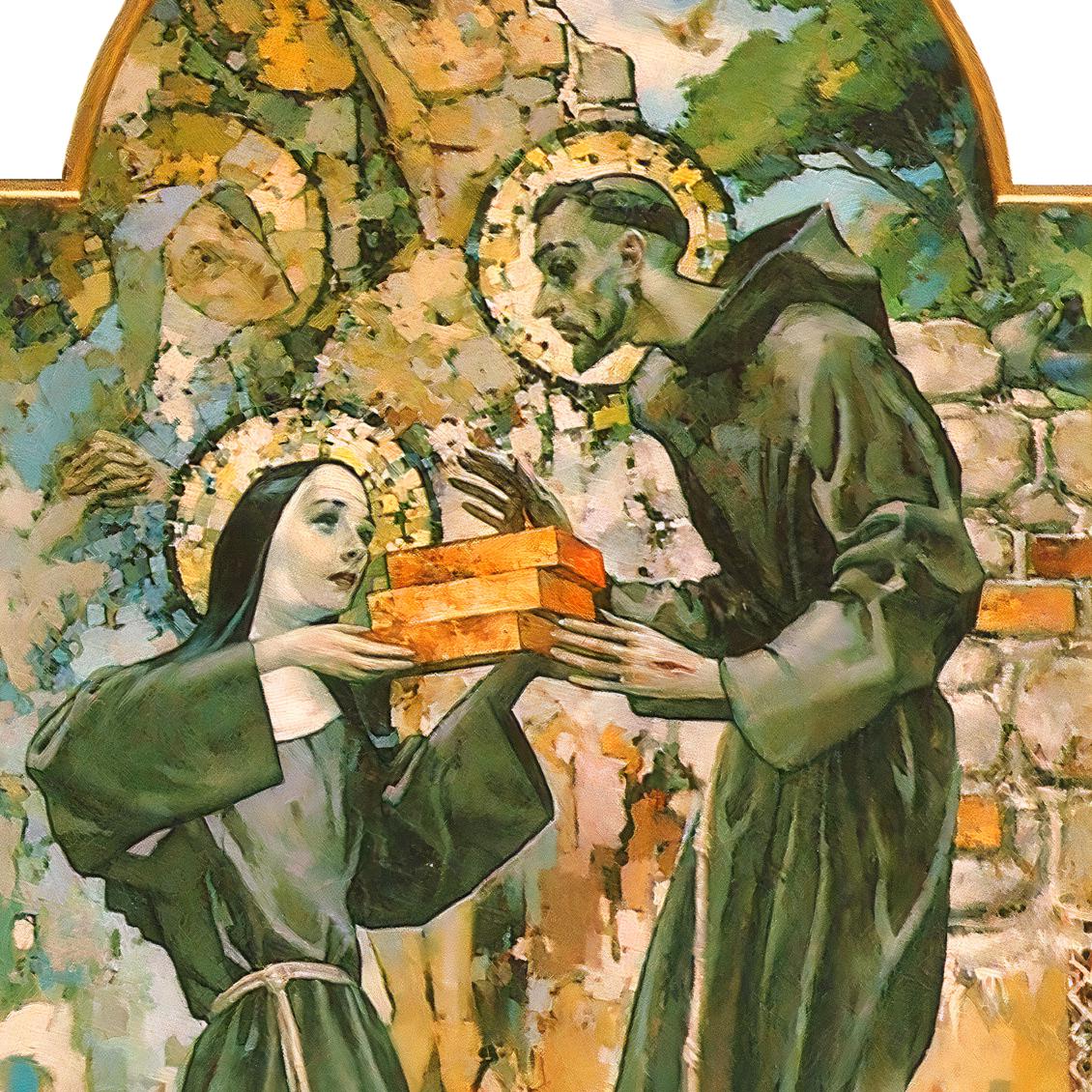
One of the most important early influences was meeting Clare of Assisi, the daughter of a rich Italian noble family. Clare closely observed Francis and his penitential, prayerful way of life. She was inspired by his life. After days of prayer, she went to Francis to follow his spiritual way. Francis, strengthened by prayer and Christian courage, accepted Clare to follow the life of Jesus. This caused much confusion and tension in her family, and men were sent to take Clare back by force. But Clare was convinced of her decision and stood her ground. Gradually, other serious-minded women followed Clare, and Francis made proper arrangements for their stay and for them to function as a praying community. This was a strong step in the life of Francis and his brothers. Clare and her companions grew in number, and today, in 2026, 12,774 religious sisters follow the charism of St Clare. In addition, the Secular Franciscan Order (SFO) has 1,00,000 women members. There are over 25,750 Franciscan Friars and 1,00,000 SFO men members. All of these have Francis as their spiritual leader and inspiration.
Francis was a man of peace. His initial greeting was 'pax et bonum,' meaning peace and goodness. He was known everywhere as a man of peace initiatives. In his own village, he promoted peace and reconciliation between feuding groups. During the Third Crusade, Francis went to meet the Sultan; after much hardship, he was allowed to meet Sultan Al-Malik in Damietta. The meeting had no positive outcome, but it was a major initiative by Francis to convey his message of peace to the Muslim world.
In addition, Francis' prayer for peace is widely accepted internationally. People of all religions around the world welcome it. It has been translated into various languages, and many schoolchildren pray it daily.

.jpg)
 A. J. Philip
.jpg)
.png) Jacob Peenikaparambil
Jacob Peenikaparambil
.png) Chhotebhai
P. A. Joseph
Chhotebhai
P. A. Joseph
.png)
.png) Robert Clements
Robert Clements
.jpeg) A. J. Philip
A. J. Philip
.jpg) Jacob Peenikaparambil
Jacob Peenikaparambil