

.png) Dr J. Felix Raj
Dr J. Felix Raj
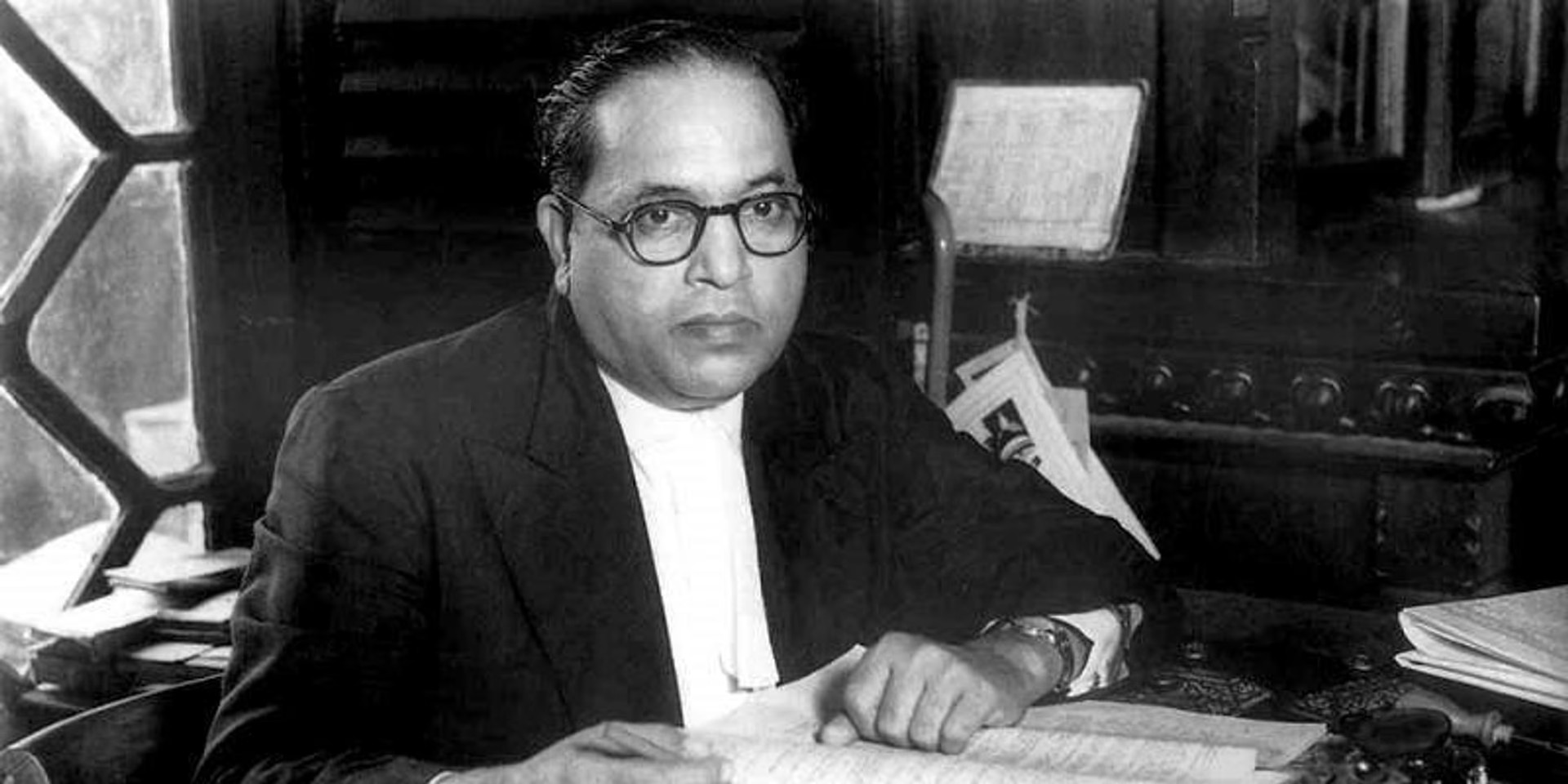
The intellectual legacy of Dr BR Ambedkar is most frequently invoked in the realms of social justice, constitutional law, and the struggle against caste hegemony. While these contributions are foundational, Ambedkar was also a formidable economist whose technical insights remain an underexplored pillar of his worldview.
Educated at Columbia University and the London School of Economics, Ambedkar's scholarship in monetary theory, public finance, and industrial policy was not merely academic; it was a rigorous diagnosis of the colonial economy and a blueprint for a modern, egalitarian nation.
Monetary Theory and the Genesis of the RBI
Ambedkar's economic foundations were established through deep institutional research. His doctoral work at Columbia examined provincial finance in British India, but it was his subsequent research at the London School of Economics (LSE), culminating in the seminal "The Problem of the Rupee: Its Origin and Its Solution," that cemented his status as a monetary theorist.
In this work, Ambedkar provided a scathing analysis of the rupee's instability under British rule. He challenged the prevailing exchange rate regimes, advocating for a modified gold standard to curb inflation and stabilise the currency. By proposing suspending silver coinage and introducing gold-backed currency, he offered a sophisticated alternative to colonial mismanagement.
His testimony before the Hilton Young Commission was so influential that it provided the conceptual and structural framework for the Reserve Bank of India (RBI) as it was eventually built.
Intriguingly, Ambedkar's emphasis on currency stability and his scepticism of the discretionary state's manipulation of money mirror certain tenets of the Austrian School of Economics (specifically those of Carl Menger and Friedrich Hayek). This highlights his engagement with the most advanced global economic debates of the early 20th Century.
Agriculture: From Fragmentation to Industrialisation
One of Ambedkar's most prescient contributions lies in his analysis of the "agrarian question." In his essay "Small Holdings in India and Their Remedies," he dismantled the notion that low agricultural productivity was a purely technical or "laziness" issue.
Ambedkar identified that the fragmentation of land—the subdivision of plots into tiny, inefficient units—was a structural byproduct of population pressure and a lack of alternative employment. He argued that:
• Land redistribution alone would not solve poverty.
• Industrialisation was the primary remedy for agricultural distress.
• By absorbing "surplus labor" from the farms into factories, the remaining land could be consolidated, allowing for economies of scale and modern technology.
This model of "structural transformation" anticipated mid-century development theories by decades, positioning industrial growth as the essential engine for rural upliftment.
State Socialism and Constitutional Democracy
Ambedkar's economic vision was never divorced from the reality of social stratification. In his 1947 memorandum, "States and Minorities," he proposed a unique model of State Socialism tailored for the Indian context.
Unlike the centralised planning seen in the Soviet model, Ambedkar's socialism was grounded in constitutionalism. He proposed:
1. Nationalisation of Key Industries: State ownership of insurance and heavy industry to prevent the predatory concentration of private wealth.
2. Collective Farming: A state-led agricultural model to overcome the limitations of small-scale peasant farming.
3. Economic Rights as Fundamental Rights: He argued that political democracy (the right to vote) was a "hollow shell" without economic democracy (the right to a livelihood).
By embedding economic structures within the Constitution, he sought to protect the poor from the shifting whims of parliamentary majorities, ensuring that distributive justice was a permanent feature of the state.
Labor Welfare and Public Investment
During his tenure as the Labour Member of the Viceroy's Executive Council (1942–46), Ambedkar transitioned from theorist to policymaker. He was the primary architect of India's early labour protections, introducing:
1. The reduction of working hours from 12 to 8.
2. Maternity benefits and social insurance.
3. The establishment of labour welfare funds and recognised trade unions.
Simultaneously, he championed massive public investment in infrastructure. He recognised that economic dynamism required state-led development of multipurpose river valley projects (like the Damodar Valley), irrigation, and a national power grid. To Ambedkar, the state was not just a regulator but the "entrepreneur of last resort."
The Economics of Caste: An Institutional Critique
Perhaps Ambedkar's most original contribution is his treatment of caste as an economic institution. While classical economists viewed inequality as a matter of distribution, Ambedkar viewed the caste system as a "division of labourers" rather than a "division of labour."
He argued that caste:
1. Stifled Labour Mobility: By forcing individuals into hereditary occupations, it prevented the efficient allocation of talent.
2. Suppressed Innovation: It disincentivised technological adoption by keeping labour cheap and captive.
3. Undermined Dynamism: It created a rigid market structure that favoured birth over merit.
For Ambedkar, the annihilation of caste was not merely a moral crusade; it was an economic necessity for a modern, productive society.
The contemporary relevance of Ambedkar's economic thought is striking. As modern India grapples with "jobless growth," agrarian distress, and widening wealth gaps, his call for structural transformation and strong public institutions remains a vital roadmap.
Revisiting Ambedkar as an economist reveals him as a holistic thinker who understood that the "wealth of nations" is inextricably linked to the "dignity of the individual." His legacy reminds us that for growth to be sustainable, it must be inclusive, and for a market to be efficient, the society that hosts it must be just.
.jpg)
.png) Cedric Prakash
Cedric Prakash
 ICPA
ICPA
 ICPA
ICPA
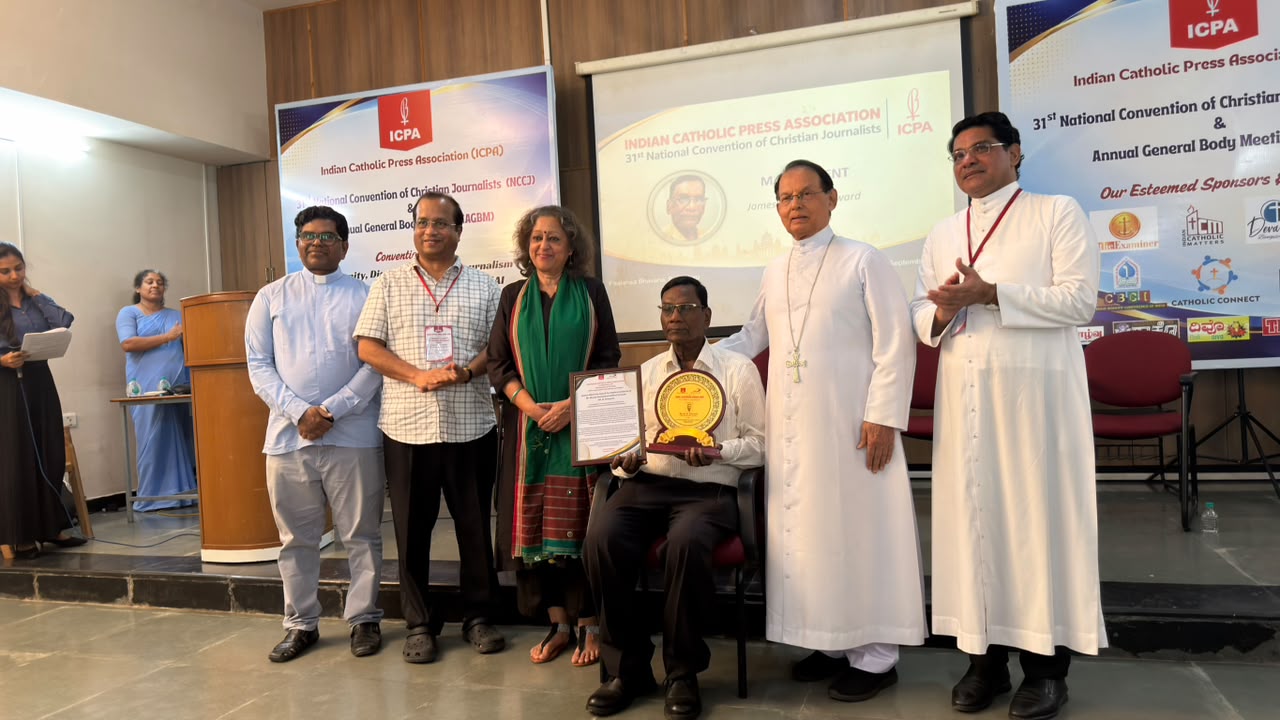 ICPA
ICPA
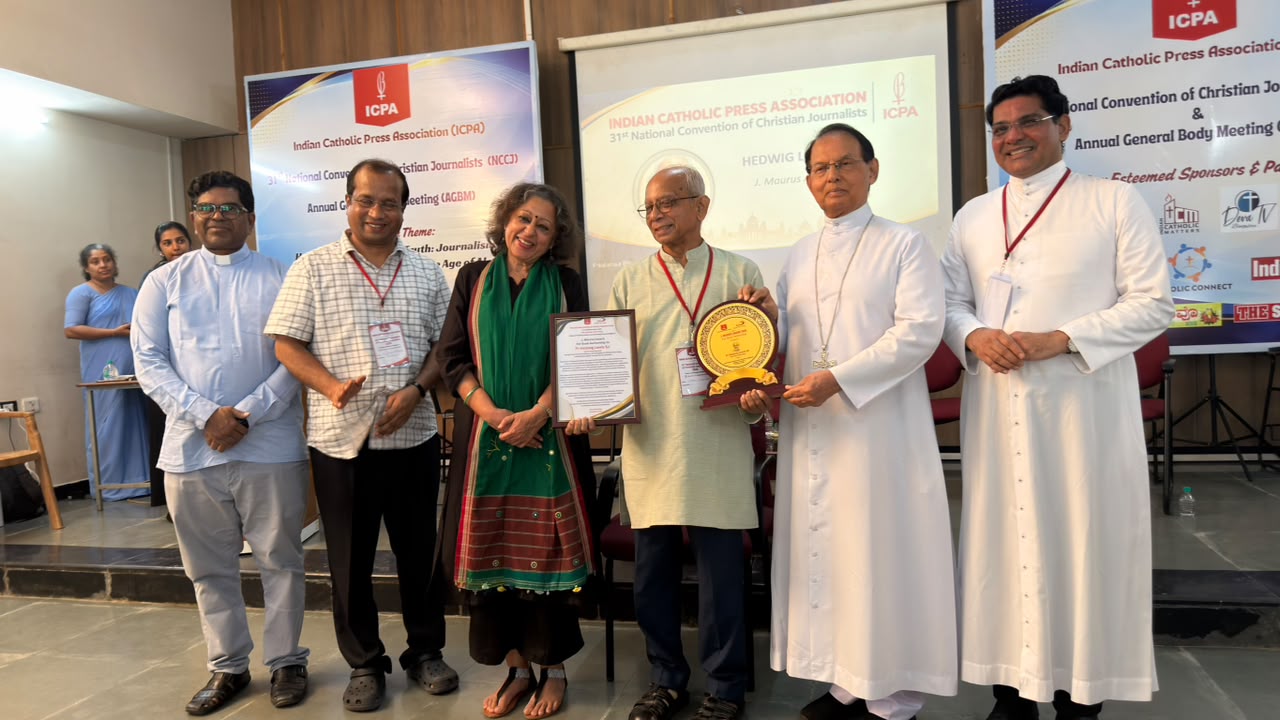 ICPA
ICPA
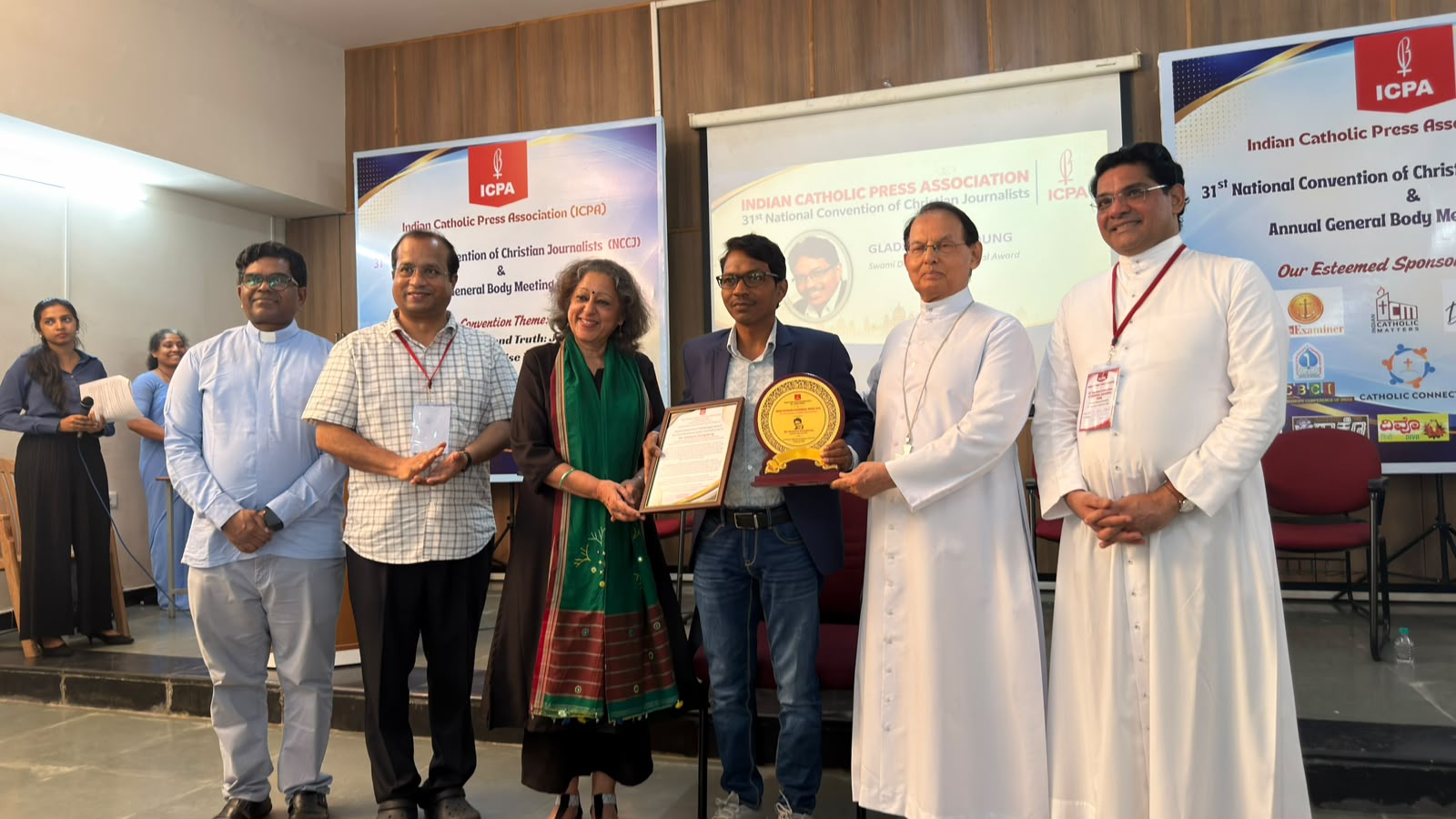 ICPA
ICPA
 ICPA
ICPA
.jpg)
 A. J. Philip
.jpg)
.png) Jacob Peenikaparambil
Jacob Peenikaparambil
.jpg)
.png) John Dayal
John Dayal