

Introduction
The contemporary crisis of peace is not merely a crisis of weapons; it is also a crisis of desire. Wars emerge from territorial ambitions, economic interests, ideological absolutism and power struggles. At a deeper level, however, they reveal a human tendency to possess, control and dominate. St Francis of Assisi proposes a radically different anthropology: the human person becomes capable of peace when he or she becomes free from the need to possess the other or others'.
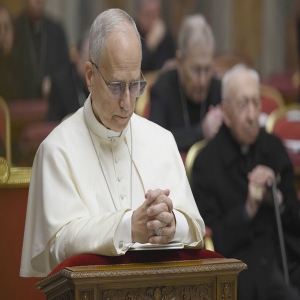
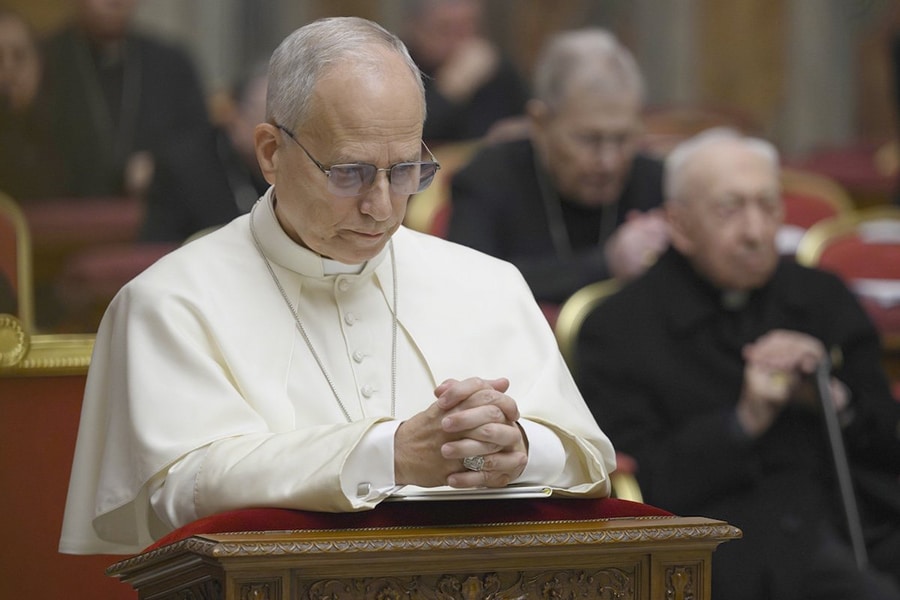
This is why Pope Leo XIV's prayer to St Francis is remarkably relevant. On the occasion of the eighth centenary of St Francis' Transitus, the Pope prays: "Saint Francis, our Brother… You who, unarmed, crossed the lines of war and misunderstanding, grant us the courage to build bridges where the world erects boundaries" (Letter of the Holy Father Leo XIV to the General Ministers of the Franciscan Family, January 10, 2026). He asks St Francis to intercede so that Christians may become "peacemakers—unarmed and disarming witnesses of the peace that comes from Christ." The Franciscan poverty, therefore, should not be understood merely as an ascetic ideal. It can be interpreted philosophically as a practice of non-domination, a way of existing that releases the self from possessiveness, superiority and the will to control.
1. Poverty as Liberation from the Logic of Possession
Modern philosophy has often recognised that the desire to possess can become a desire to control. When having becomes more important than being, the other person easily becomes an object—something to use, influence or dominate. Martin Buber's distinction between 'I–It' and 'I–Thou' is illuminating here; peace requires that the other be encountered as a subject, never merely as an object of my desire. Moreover, the biblical tradition identifies greed as a root of human disorder. Jesus warns: "Take care to guard against all greed, for though one may be rich, one's life does not consist in possessions" (The Gospel according to Luke 12:15). St James asks provocatively, "Where do the wars and where do the conflicts among you come from?" and he connects them with disordered desires or cravings (Letter of James 4:1–2).
St Francis embodied an alternative ideology of having. In the Earlier Rule, he commands the brothers: "Let the brothers appropriate nothing to themselves, neither a house nor place nor anything." They are to live as "pilgrims and strangers," in poverty and humility (Franciscan Rule of 1223, VI). St Francis' poverty consequently means 'de-possessing' the self: the less I need to possess, the less I need to dominate, because peace begins when the other is no longer something I must conquer, control, or win.
2. Poverty as Humility: The Disarming of Power
For St Francis, poverty is inseparable from humility because it disarms the ego and reorients power towards service. It does not diminish human dignity; rather, it liberates the person from superiority, possessiveness and the illusion of self-sufficiency. This vision resonates with Christ's teaching: "Blessed are the poor in spirit, for theirs is the kingdom of heaven" (The Gospel according to Matthew 5:3). Franciscan poverty, therefore, transcends economic deprivation. It is an existential disposition that acknowledges our dependence on God, our need for others, and the fundamental truth that we receive life rather than possess it. In relinquishing the desire to control, the human heart becomes both unarmed and disarming, creating the conditions for fraternity, dialogue and peace.
Pope Leo's ex
3. Poverty as Fraternity: From Rivalry to Relationship
For St Francis, poverty finds its deepest social ex
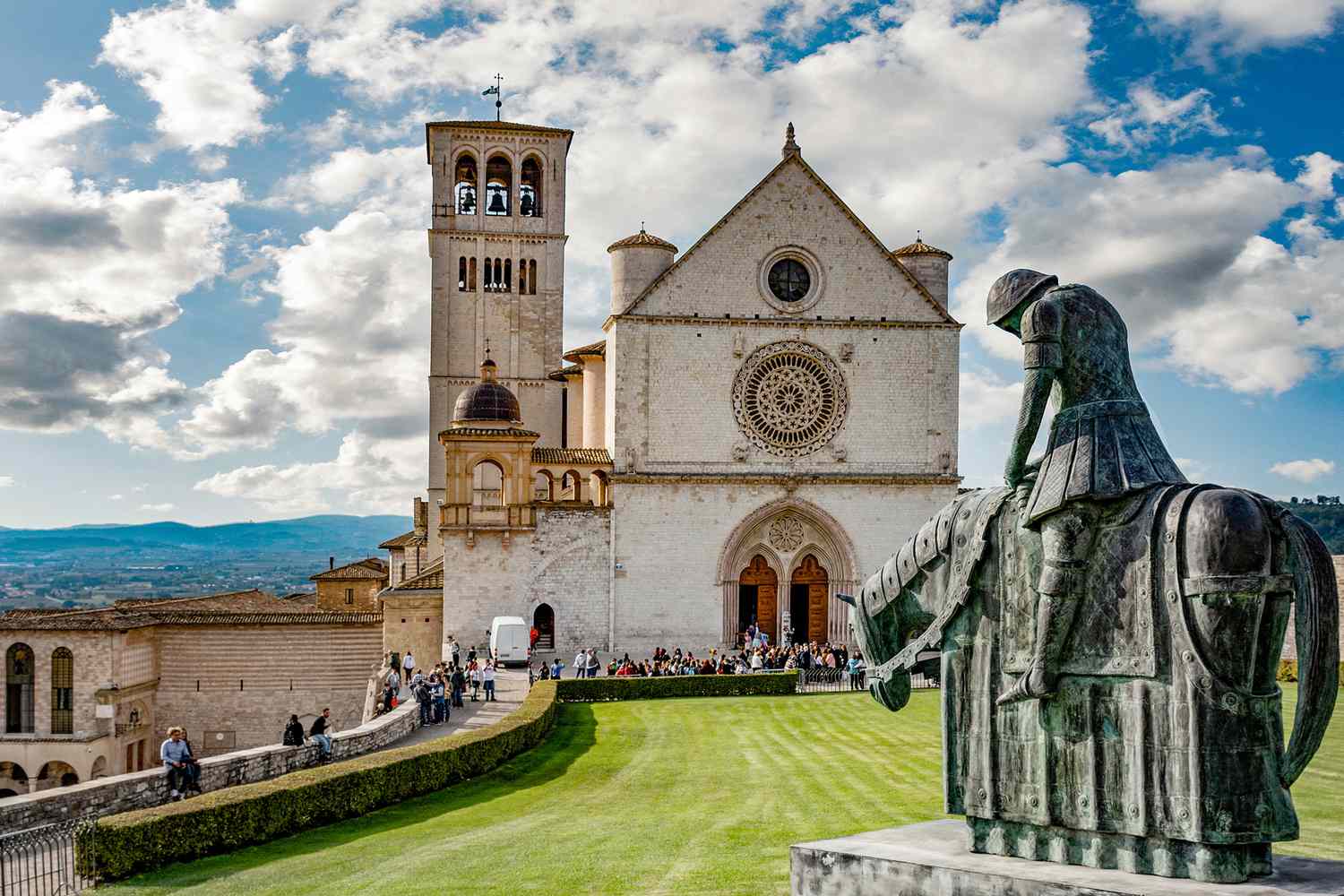
This Franciscan logic becomes particularly significant in St Francis' encounter with Sultan al-Malik al-Kamil in Egypt in 1219, during the Fifth Crusade. St Francis crossed the boundaries created by religious conflict not as a ruler or military commander, but as an unarmed friar seeking an encounter to dismantle the wall and build the bridge. His poverty became a source of a different authority—the authority of vulnerability, humility and peaceful dialogue. In a world increasingly divided by war, ideology, religion and competing interests, this witness remains profoundly relevant. Pope Leo XIV's prayer calls Christians to recover precisely this Franciscan vocation: "build bridges where the world erects boundaries." The movement from 'I' to 'we,' from rivalry to relationship, and from fear to fraternity becomes essential to authentic peace. Francis teaches that when poverty and humility disarm power, the stranger can become a neighbour and the rival a brother.
4. Poverty as an 'Unarmed' Philosophy of Peace
The contemporary world possesses unprecedented technological, economic and military power, yet power has not produced peace. As the saying goes, 'war for peace.' Indeed, Pope Leo observes that technological and military developments, including artificial intelligence applied to warfare, have intensified the dangers of armed conflict. He calls instead for an 'unarmed and disarming peace,' rooted in openness and evangelical humility. It is not surprising that, in this context, St Francis becomes a prophet of peace. His poverty proposes that peace requires a different conception of power. The question is not simply, Who has the power, but what kind of person does power make me? If power produces domination, fear and exclusion, it becomes incompatible with peace. If power becomes service, solidarity and responsibility, it becomes capable of communion. St Francis' humble greeting, "The Lord give you peace," was revealed to him as the defining greeting of his fraternity and a profound ex
Conclusion: The Peace of Empty Hands
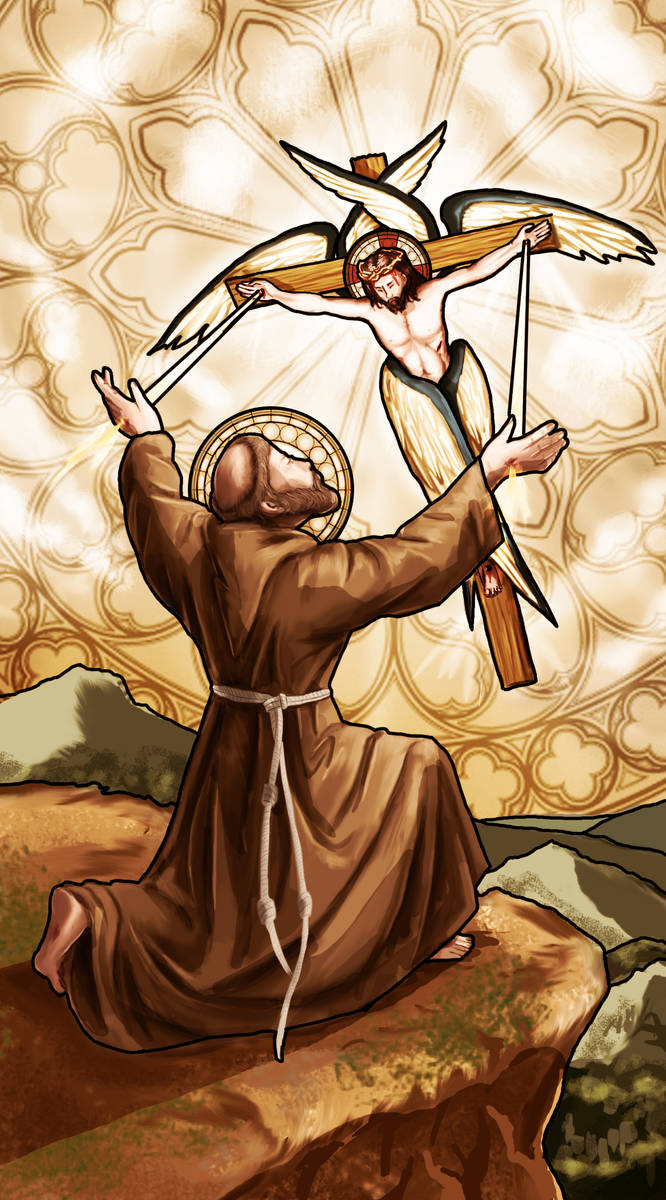
The deepest significance of Franciscan poverty is not that St Francis possessed little. It is that he allowed little to possess him. His empty hands became open hands—open to God, the poor, the stranger, the Muslim, the leper, creation and every brother and sister. His poverty liberated him from the fear that accompanies possession and from the ego that seeks power over others. This is why Pope Leo's prayer is so prophetic. He does not ask St Francis merely to pray for peace. He asks him to teach us a different way of becoming human: "unarmed and disarming, witnesses of peace that comes from Christ" and courageous enough to cross boundaries and humble enough to build bridges.
The Poverello, thus, offers our fractured world a paradoxical wisdom: poverty becomes freedom, humility becomes strength, simplicity becomes communion, and empty hands become instruments of peace.
.jpg)
 A. J. Philip
.jpg)
.png) Jacob Peenikaparambil
Jacob Peenikaparambil
.png) Chhotebhai
Chhotebhai
.jpg) P. A. Joseph
P. A. Joseph
.png)
.png) Robert Clements
Robert Clements
.jpeg) A. J. Philip
A. J. Philip
.jpg) Jacob Peenikaparambil
Jacob Peenikaparambil