

.jpg) Bishop Dominic Savio Fernandes
Bishop Dominic Savio Fernandes
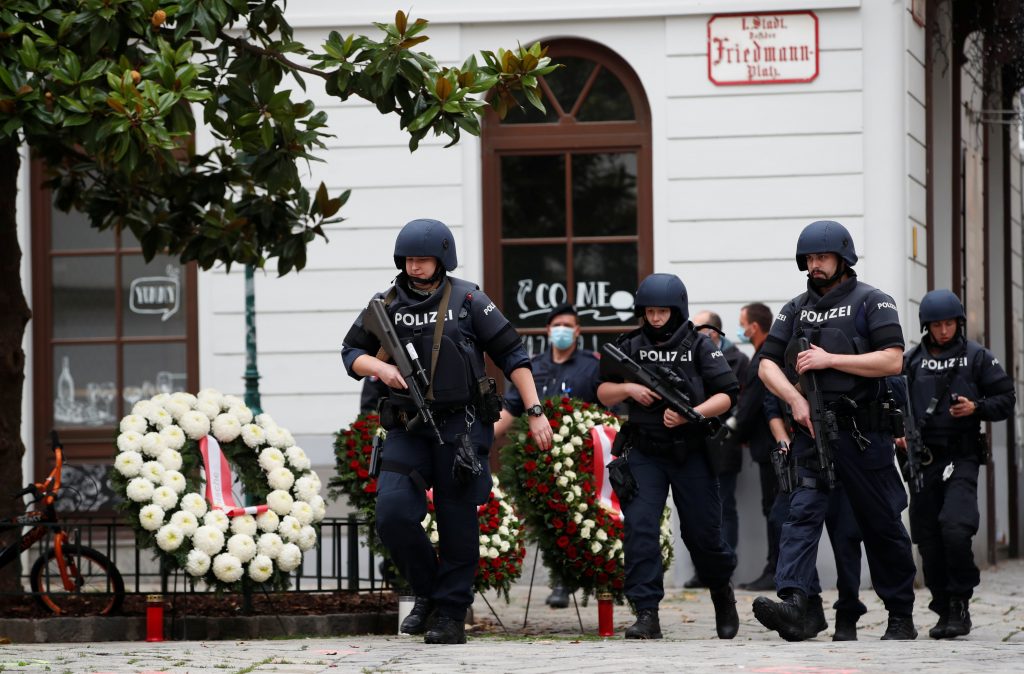
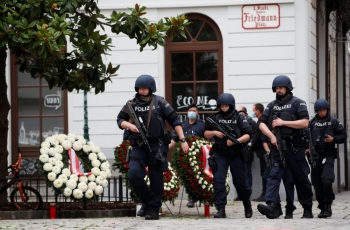
In the recent past, and currently in France, we have been seeing a lot of protests and anger exhibited by people, sometimes even backed by acts of violence and senseless killings, because their religious sentiments have been hurt. Why? Because someone or some people have said something against God or the religion that they follow. I am of the view that all religions and all persons have to be respected and treated with dignity. Those who disrespect other religions (the instigator), speak insulting words about God and indulge in vile acts – such as burning sacred books, destroying religious places of worship, desecrating statues and icons considered sacred by people belonging to different religions, portray religious figures or gods in satirical form (cartoon, caricatures, disrespectful advertisements, etc.) – are precisely those who do not reflect God nor have the love of God in their hearts.
However, reacting with violence to the deeds of such instigators, by burning or beheading their effigies, indulging in revenge killings or attacking innocent people of the nation or community that the instigator belongs to, equally does not reflect the God whom they worship and in whose image and likeness they were created, nor do they have the love of God in their hearts. How is a nation or an entire community responsible for the act or actions of one or a few instigators? And by reacting viciously to any instigator, do not those who react and resort to violence truly end up harming and doing damage to the very religion that they claim to follow? According to me, the actions of both, the instigator and those who react, end up hurting religious sentiments as neither of them reflect the God they worship or claim to worship.
God is impassible. God is almighty and all-powerful and does not need human defence or help. On the contrary, we human beings have come into existence because of God and without God we are nothing, absolutely nothing.
Christian teaching tells us that when God created our first human parents, he gave them human life, intelligence to think, capacity to love and the freedom to choose. Besides this, God also gave them eternal life (life in the Spirit). However, in order to retain this eternal life they had to be obedient to God. But we know that our first parents disobeyed God and lost the gift of eternal life. Yet, the merciful and loving God came out with a plan. God, who is incapable of suffering and death, decided to come into this world in his Second Person, take on the human form and save the whole of humanity by winning back this eternal life through total obedience to God the Father’s will.
St Paul tells us that Christ Jesus, “though he was in the form of God, did not count equality with God a thing to be grasped, but emptied himself, taking the form of a servant, being born in the likeness of men. And being found in human form he humbled himself and became obedient unto death, even death on a cross. Therefore God has highly exalted him and bestowed on him the name which is above every name, that at the name of Jesus every knee should bow, in heaven and on earth and under the earth, and every tongue confess that Jesus Christ is Lord, to the glory of God the Father.” (Phil 2:6-11)
Jesus, true God and true man, exhorts his disciples to listen to him and to do what he tells them to do (cf. Mt 21ff): “Love one another as I have loved you” (Jn 15:12); “Judge not, and you will not be judged; condemn not, and you will not be condemned; forgive, and you will be forgiven” (Lk 6:37). Jesus revealed his divinity when he forgave people their sins, since only God can forgive sins. And he urged his disciples too to forgive every time the offender asked for forgiveness just as God forgives us every time we sin and ask for forgiveness. And he explains through a parable what happens if we do not forgive those who trespass against us by saying, “So also my heavenly Father will do to every one of you, if you do not forgive your brother from your heart” (cf. Mt 18:21ff). Jesus himself puts his teaching into practice when, hanging on the cross, he says, “Father, forgive them; for they know not what they do.” (Lk 23:34)
And on the Sermon on the Mount Jesus informs his disciples, “Blessed are the merciful, for they shall receive mercy … Blessed are you when others revile and persecute you and utter all kinds of evil against you falsely on my account. Rejoice and be glad, for your reward is great in heaven.” (Mt 5:7, 11-12)
Hence, the pretext of religious sentiments being hurt by either party (the instigator and those who react) appears to be only an excuse to provoke or indulge in acts of violence and cause harm to others. A sentiment is a mental attitude, view or emotional thought. Hence, religious sentiments ought to be hurt when our attitude is not God-like and when we do not obey God’s command to love one another as he did by giving his life to save humanity.
The Bible tells us that God is Love (1 Jn 4:8) and that all of us are made in the image and likeness of God. Hence, when we, the followers of God, live in love, peace, charity and harmony, we reflect God, God’s sentiments, God’s attitude – like God, we should be life-giving and not life-taking. However, when we operate with insensitivity, insult, hatred, wrath, malice, killing, etc., we distort the very image of the God we claim to worship and end up hurting our own religious sentiments not God’s for God is impassible.
(Bishop Dominic Savio Fernandes is an Auxiliary Bishop of Bombay)
.jpg)
 A. J. Philip
.jpg)
.png) Jacob Peenikaparambil
Jacob Peenikaparambil
.png) Chhotebhai
Chhotebhai
.jpg) P. A. Joseph
P. A. Joseph
.png)
.png) Robert Clements
Robert Clements
.jpeg) A. J. Philip
A. J. Philip
.jpg) Jacob Peenikaparambil
Jacob Peenikaparambil