

.jpg) Alex Mascarenhas

Non-Government Organizations (NGOs) are in double trouble in the regime of the Double Engine Sarkar for a long time. There is nothing wrong in monitoring anyone particularly when there is imminent threat to national sovereignty. What is wrong is the selective targeting of certain NGOs in the name of national security, just because they do not support the ruling party or refuse to toe the govt line. The cases of Fr Stan Swamy SJ and Ms. Teesta Setalwad are clear cases of selective targeting. The whole focus is on punishing the critics using laws and investigation even when they are not guilty and project them as guilty using the GODHI MEDIA. So, the govt. needs draconian laws which can be used selectively.
It began with tightening of FCRA (Foreign Contribution Regulation Act) supposedly to stop the flow of funds to those who are involved in anti-national activities. But their hidden agenda was apparently to target the minority Institutions as they were one of the biggest beneficiaries of foreign funds. It was used to harass even the Mother Teresa’s organization. FCRA renewal of many entities of minorities is still being held up for reasons known only to them.
NGOs are badly affected by the FCRA amendment that prohibits transfer of FCRA funds to other FCRA registered entities. Earlier, bigger FCRA registered NGOs acted like umbrella entities and were helping out rural and smaller NGOs without wherewithal by getting them registered under FCRA and outsourcing their activities by transferring FCRA funds to them. This networking worked excellently in the rural areas. It is completely demolished now.
The worst FCRA amendment is the necessity of having the FCRA account only in SBI, New Delhi Main branch. In theory, their local branches are supposed to help the account holders. But in practice that never happens unless you have your local account with them. Wherever that happens there are many instances when the local branches are not in a position to help and people end up in making a trip to Delhi or hire the services of an agency in Delhi. There is no guarantee that your emails will ever be answered; it is not to blame the bank, it is a pity that it has become a burden for them as one branch has to cater to all FCRA customers in India.
In the era of net banking where information can be obtained at the click of a mouse, it defies logic why accounts have to be opened in a single branch. This was challenged in the higher court by a group of NGOs. Unfortunately, the court too agreed with the govt and the govt started showing its real intent, rather brazenly. This January, a fortnight before the Republic Day, all of a sudden SBI stopped transferring the remittances received into the FCRA accounts of the customers without any information. There was no way of finding out the reason. When the bank officials were contacted, it came to light that the Home Ministry had given them oral instructions to keep the FCRA remittances going to all the NGOs in suspense account for ninety days! May be, they had intelligence input on probable disruptive activities during Republic Day Parade. But such things are done only when there is credible intelligence against a specific entity. A blanket ban on all remittances based on mere suspicion is blatantly illegal, yet the govt did it, putting to inconvenience all the innocent NGOs.
Next came the amendments to Income Tax Act (ITA). They have seen many significant changes affecting the charitable institutions. NGOs’ registration u/s 12A of ITA to claim tax exemption was one time event and cancellation of this registration was allowed only if the charitable objectives are changed to non-charitable ones. Now this registration is made valid only for five years and it needs to be renewed after every five years. Its cancellation too is made easy for violation of certain tax rules which earlier carried only penalty not amounting to cancellation.
Corpus donation among the NGOs was tax-free earlier, not now. Excess expense of one year was allowed to be carried over to offset it against the income of the next year just like any other business, not now. Depreciation on asset was allowed as an additional expense to be deducted from income in addition to allowing 100% deduction on its capital expense, not now.
Budget 2023-24 proposes three amendments that will be ‘No Good Offer’ to the NGOs. As per the budget proposals, with effect from 1.4.2023:
1. Corporates will not get input credit of GST on their CSR expenditure. Since corporates are profit-oriented, they will reduce their CSR amount to the NGO to accommodate this additional cost on them. On an average it will reduce by 18%.
2. If a donation is given out of the donation received by a charitable entity, only 85% of it will be treated as approved expense. This will affect the bigger NGOs who help the smaller ones in rural areas or urban poor areas by collecting donations and distributing them. They will be now forced to retain 15% rather than pay tax on it.
3. Any delay in applying for registration u/s 12A or renewal of their existing registration will bring the entity under EXIT (Extra Income Tax) by default. It was applicable only for transfer of assets to non-charitable entities or converting a charitable entity to non-charitable entity.
EXIT tax is a tax charged at the highest rate on the entire net assets over the years and is valued at fair market price. Note the word ANY at no 3. Even if an entity misses the deadline of applying or renewing its registration u/s 12A by a day and even if the delay is due to a technical problem, the entity will have to pay around 35% of its total net assets as tax. Now think of a small-time religious convent or NGO who got a piece of land as donation in a big city and living without any sources of regular income. But the market value of its land might have gone up to a crore now. Also think of a situation where the same NGO missed the deadline to renew its registration u/s 12A out of sheer ignorance. From where will it bring 35 lacs to pay EXIT tax? Is the penalty proportional to the so-called offence? Is there natural justice in this amendment?
.jpg)
 Cedric Prakash
 ICPA
 ICPA
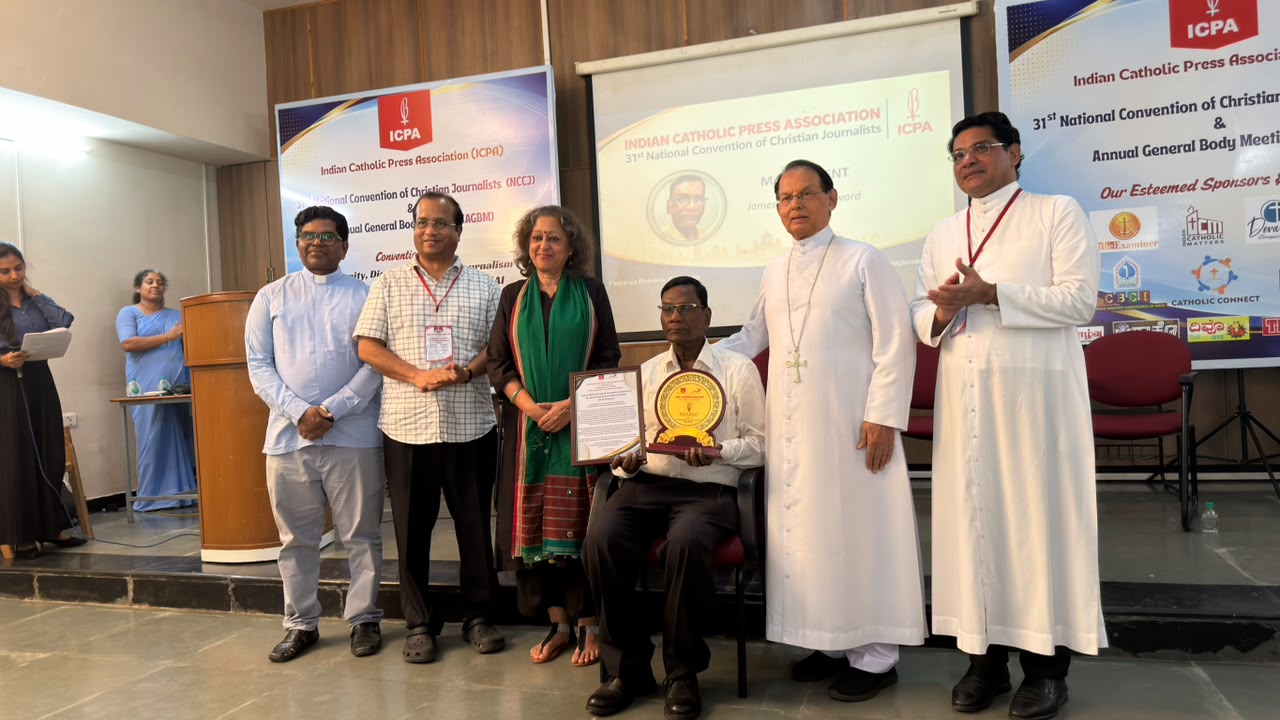 ICPA
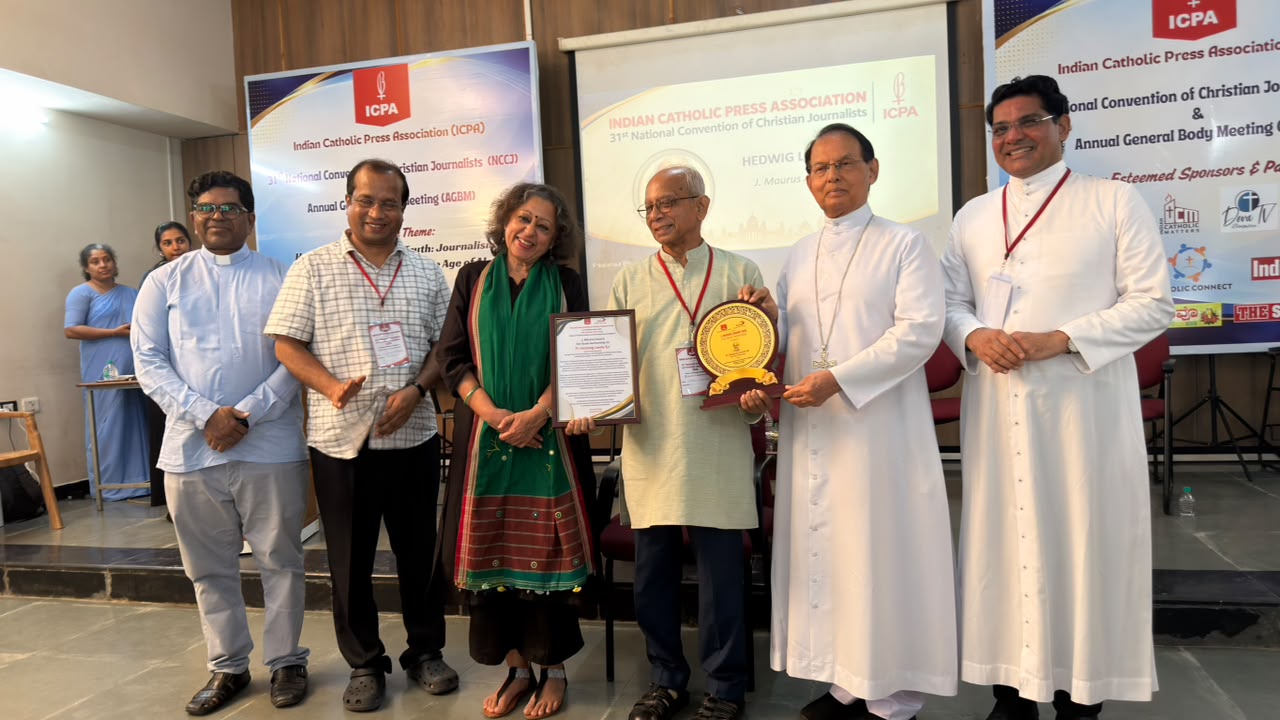 ICPA
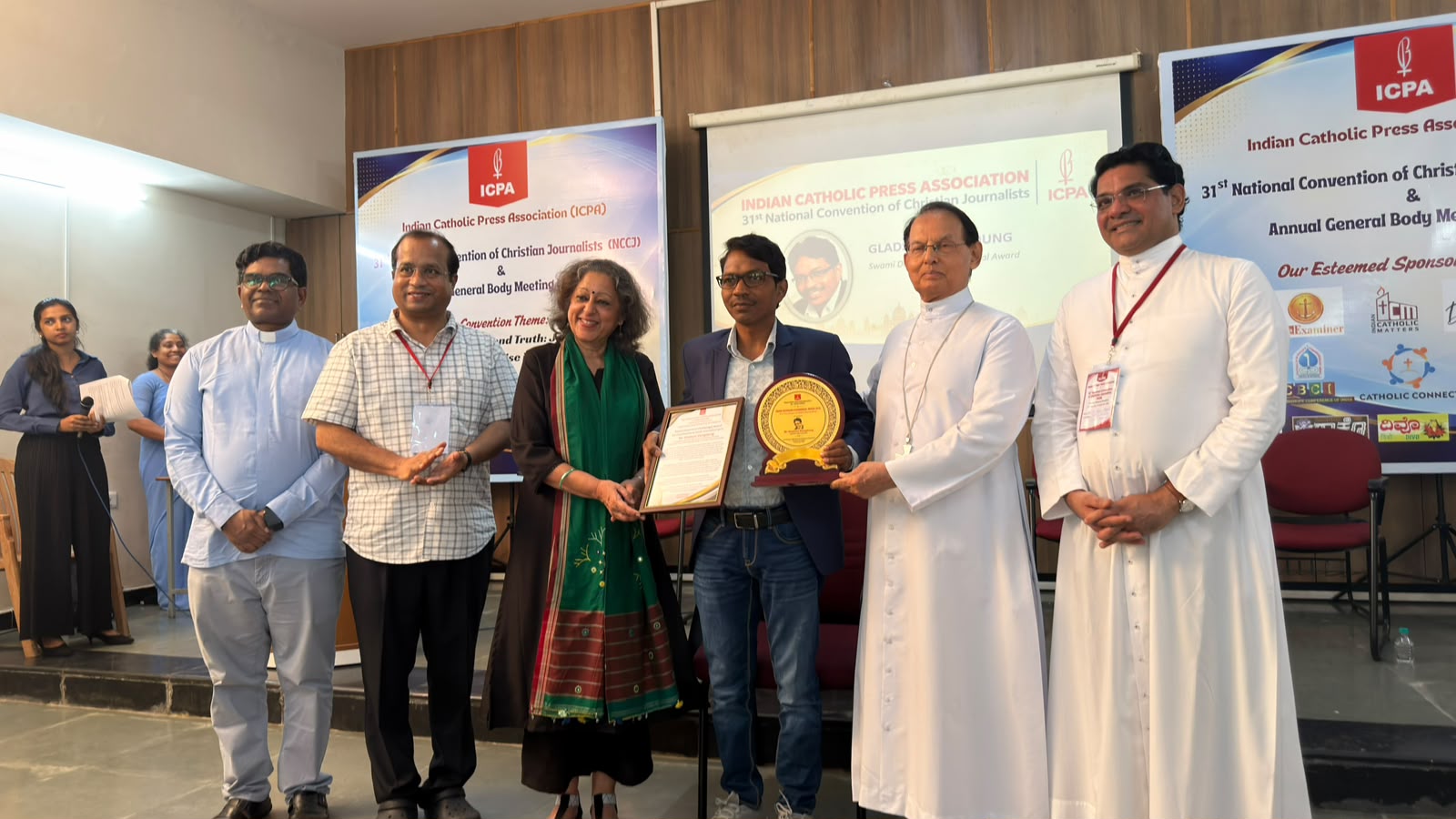 ICPA
 ICPA
.jpg)
 A. J. Philip
.jpg)
 Jacob Peenikaparambil
.jpg)
 John Dayal