

.jpg) Aakash
Aakash
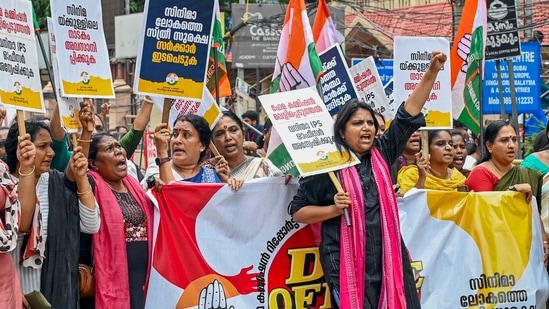
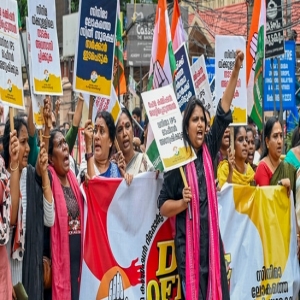
The Malayalam film industry, a unique part of the Indian cinematic tradition, has recently come under intense scrutiny following the release of the Hema Committee report. This report has unveiled issues of sexual abuse, gender discrimination, and inhuman treatment of women that were being covered up. It has again sparked discussions about the pervasive influence of powerful men in suppressing women in God's own country. The report's findings reveal a murky world where women's voices are silenced and justice is eluded. The perpetrators often even have the tacit support of government institutions.
The Hema Committee report lays bare a disturbing culture of silence in the Malayalam film industry. Women, ranging from junior artists to established actresses, have been subjected to sexual harassment, exploitation, and discrimination, often with no recourse to justice. The report has recorded instances where women were coerced into providing sexual favours in exchange for work. Directors and producers who wield significant power have created an environment where compliance is rewarded, and resistance is met with ostracisation across the industry. This was very visible in actress Bhavana's case, where she was blacklisted by the industry, while attempts were made by big names in the industry to reinstate actor Dileep who was alleged to be the mastermind.
This culture is sustained by fear — of losing employment, public shaming, and physical harm. Women who dare to speak out against their abusers often face severe consequences. This fear is compounded by the criminal influence within the industry, where powerful men are bound to use their clout with gangs and mafia to suppress any attempts at accountability.
The lack of basic facilities, such as toilets and changing rooms for women, has aggravated their plight. Female artists are forced to endure inhumane working conditions, with nowhere to air their grievances and seek redressal. This neglect is not merely due to gender discrimination but is a deeper issue where women's rights and dignity are routinely overlooked.
The Kerala government's handling of the Hema Committee report is a glaring example of how governmental actions can aid in the suppression of women's rights. The report, submitted four years ago, was only recently made public, and even then, significant portions were redacted. These redactions, which went beyond what the Kerala State Information Commissioner recommended, have raised suspicions about the government's intentions. The deleted paragraphs reportedly contained details about well-known individuals in the industry who have been involved in sexual harassment over the years.
There has been a mixed response in the case of the Malayalam film industry. While some media outlets have reported on the findings of the Hema Committee report, others have remained silent. This selective reporting memorialises the culture of silence, ultimately denying justice to the victims.
Society, too, has a role to play in perpetuating this culture of suppression. The stigma surrounding sexual harassment and the tendency to blame victims rather than perpetrators also discourages women from speaking out. This victim-blaming mentality is deeply ingrained in our society, where women who report sexual harassment are often accused of seeking attention or trying to ruin a man's career.
Through their policies and actions, governments have the power to challenge or perpetuate the status quo. In many cases, they have chosen the latter, allowing powerful men to continue their abusive behaviour with impunity. This is evident in the lack of enforcement of laws designed to protect women from sexual harassment and the slow pace of legal proceedings. In the Malayalam film industry, for example, the government has been slow to act on the findings of the Hema Committee report, allowing the culture of abuse to continue unchecked.
The Indian government has enacted several laws aimed at protecting women from sexual harassment, such as the Sexual Harassment of Women at Workplace (Prevention, Prohibition, and Redressal) Act, 2013. However, implementing these laws has been inconsistent, and many women in the film industry are unaware of their rights. This lack of awareness, combined with the fear of retaliation, means that many cases of sexual harassment go unreported. Victims often face barriers in accessing justice, including a lack of legal representation, a slow and cumbersome judicial process, and the stigma associated with being a public figure.
The Hema Committee report makes several recommendations aimed at addressing the issues faced by women in the Malayalam film industry. The report proposes the mandatory establishment of Internal Complaints Committees (ICC) under the Sexual Harassment of Women at Workplace (Prevention, Prohibition, and Redressal) Act, 2013. These committees should include members from the Film Employees Federation of Kerala (FEFKA) and the Association of Malayalam Movie Artists (AMMA) to ensure that complaints are handled impartially and with the necessary expertise.
Some committee members have advocated for creating an independent tribunal to handle cases of harassment and discrimination within the cinema industry. This tribunal would operate with in-camera proceedings to ensure complete privacy for the victims, with their identities being withheld from media reports. Establishing a tribunal could provide a safe and supportive environment for victims to seek justice without fear of public scrutiny or professional backlash.
The report recommends that written contracts be made mandatory for all categories of employees, including coordinators of junior artists. These contracts would protect workers' rights by clearly outlining the terms of employment, including remuneration, working hours, and conditions. Written contracts would also serve as a legal safeguard against exploitation, ensuring that all parties are held accountable to the agreed terms.
To address the underlying issues of sexism and gender discrimination, the report suggests that all cast and crew members should attend a basic gender awareness training program before the start of production. These programs would educate industry professionals on gender equality, sexual harassment, and respectful workplace behaviour.
The report emphasises the need for greater representation of women in key decision-making roles within the industry, particularly as producers. To achieve this, it recommends providing adequate and timely budgetary support to incentivise films that promote gender justice both thematically and in their production processes. A single-window system could be established to provide loans at nominal interest rates for films produced by women, streamlining permissions for shooting and making it easier for women to enter the industry.
By encouraging more women to take on producer roles, the industry can shift towards creating a more inclusive and safe environment.
.jpg)
.png) Cedric Prakash
Cedric Prakash
 ICPA
ICPA
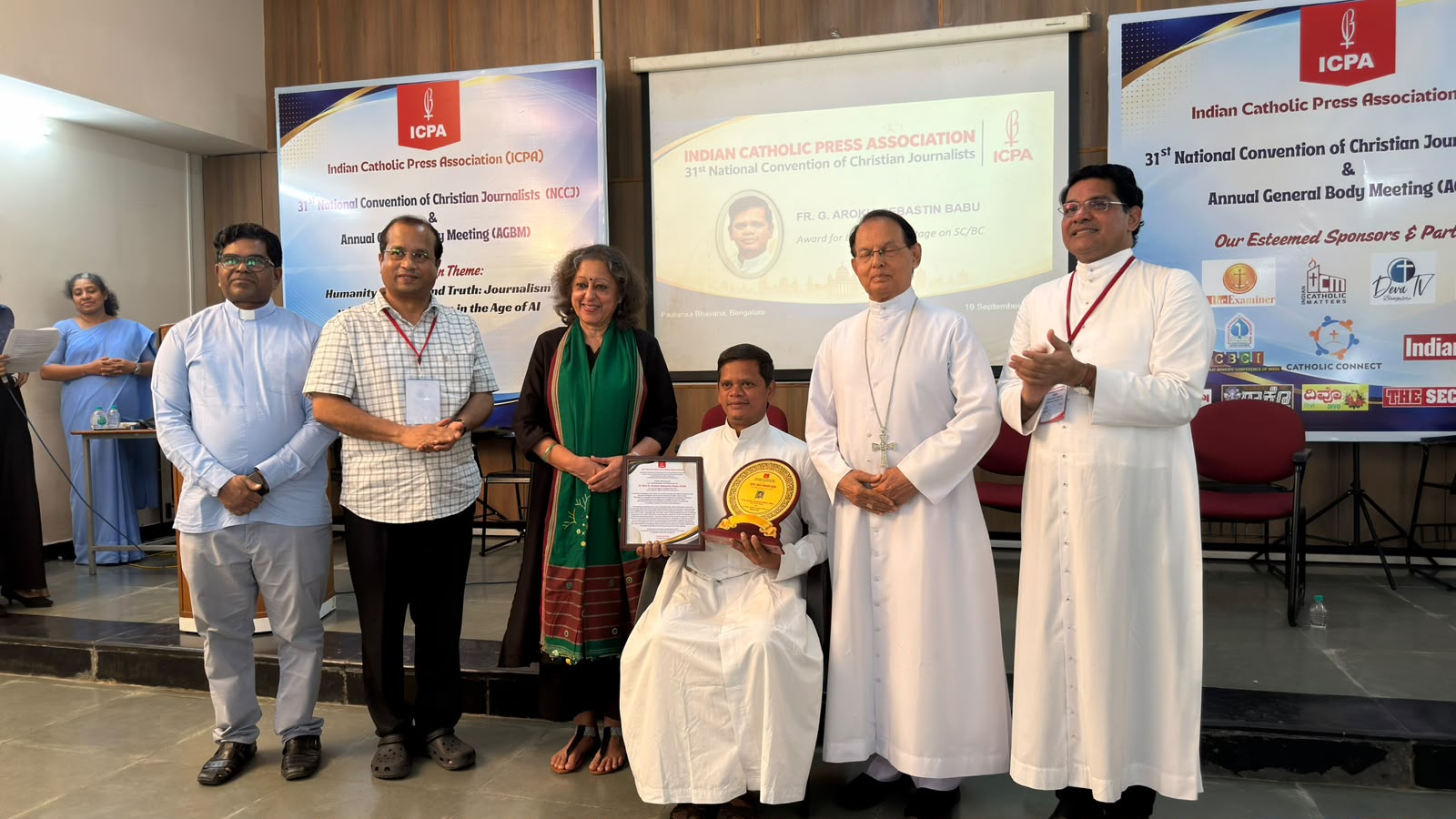 ICPA
ICPA
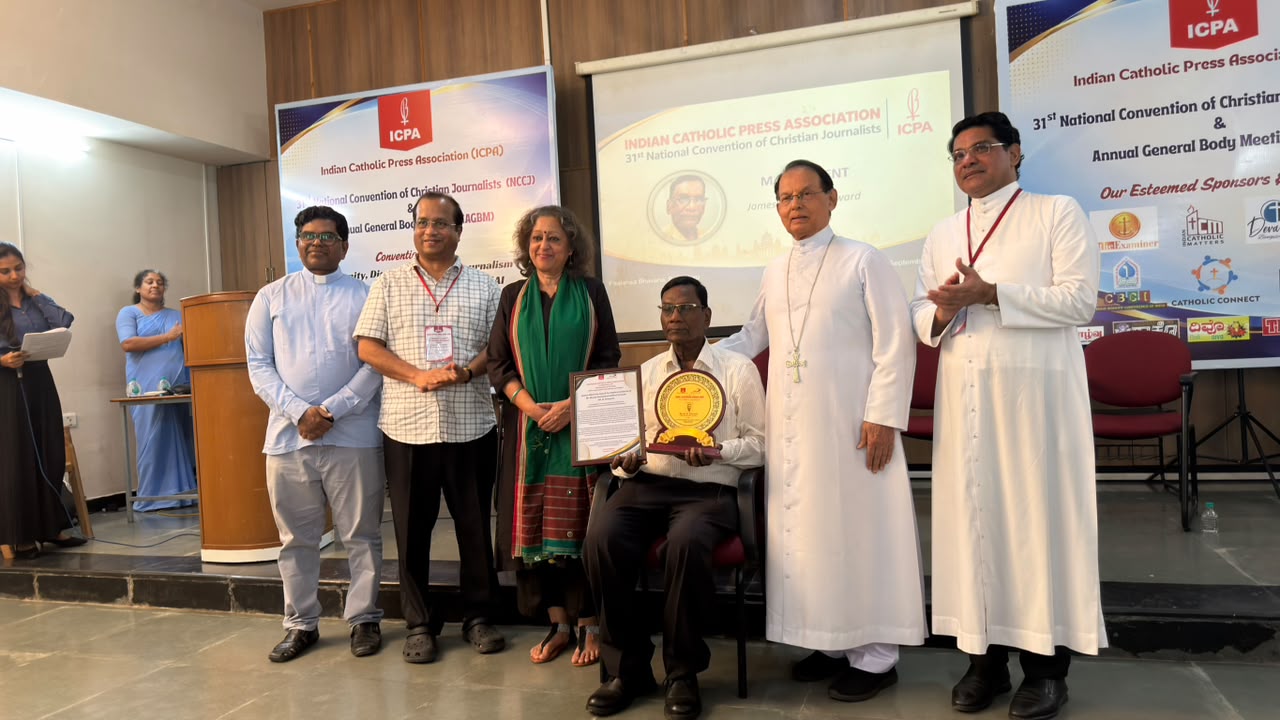 ICPA
ICPA
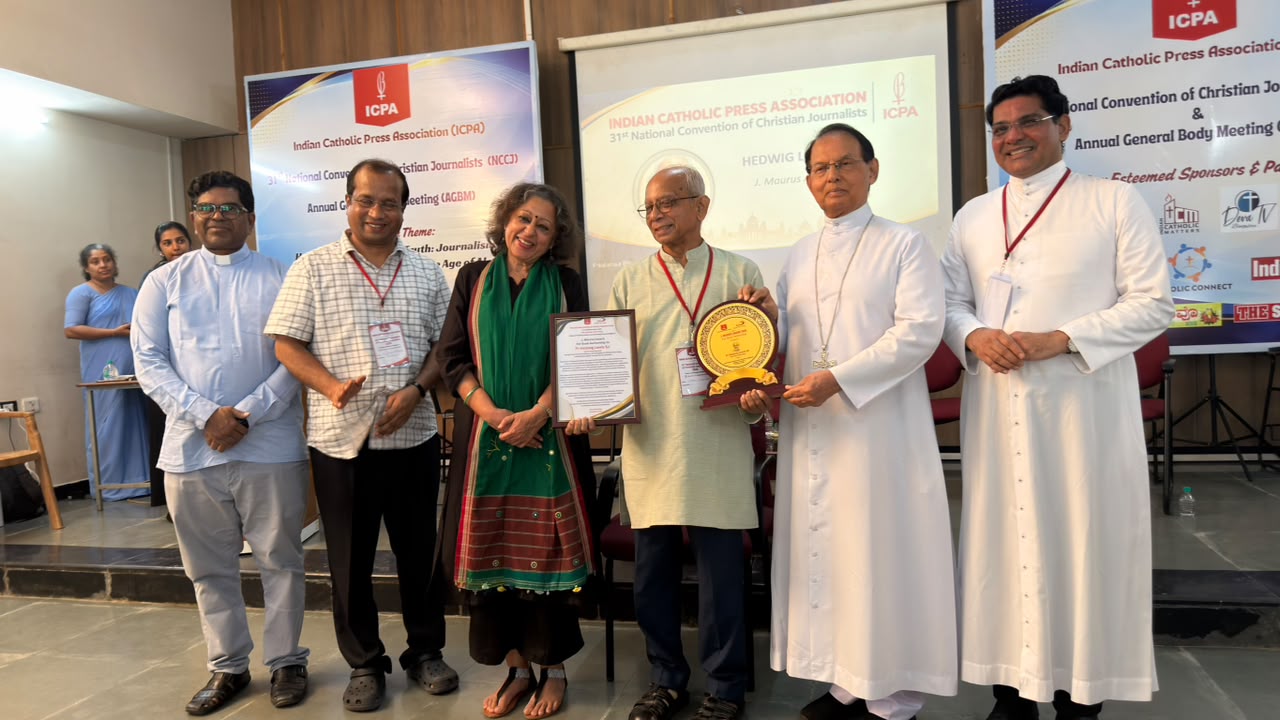 ICPA
ICPA
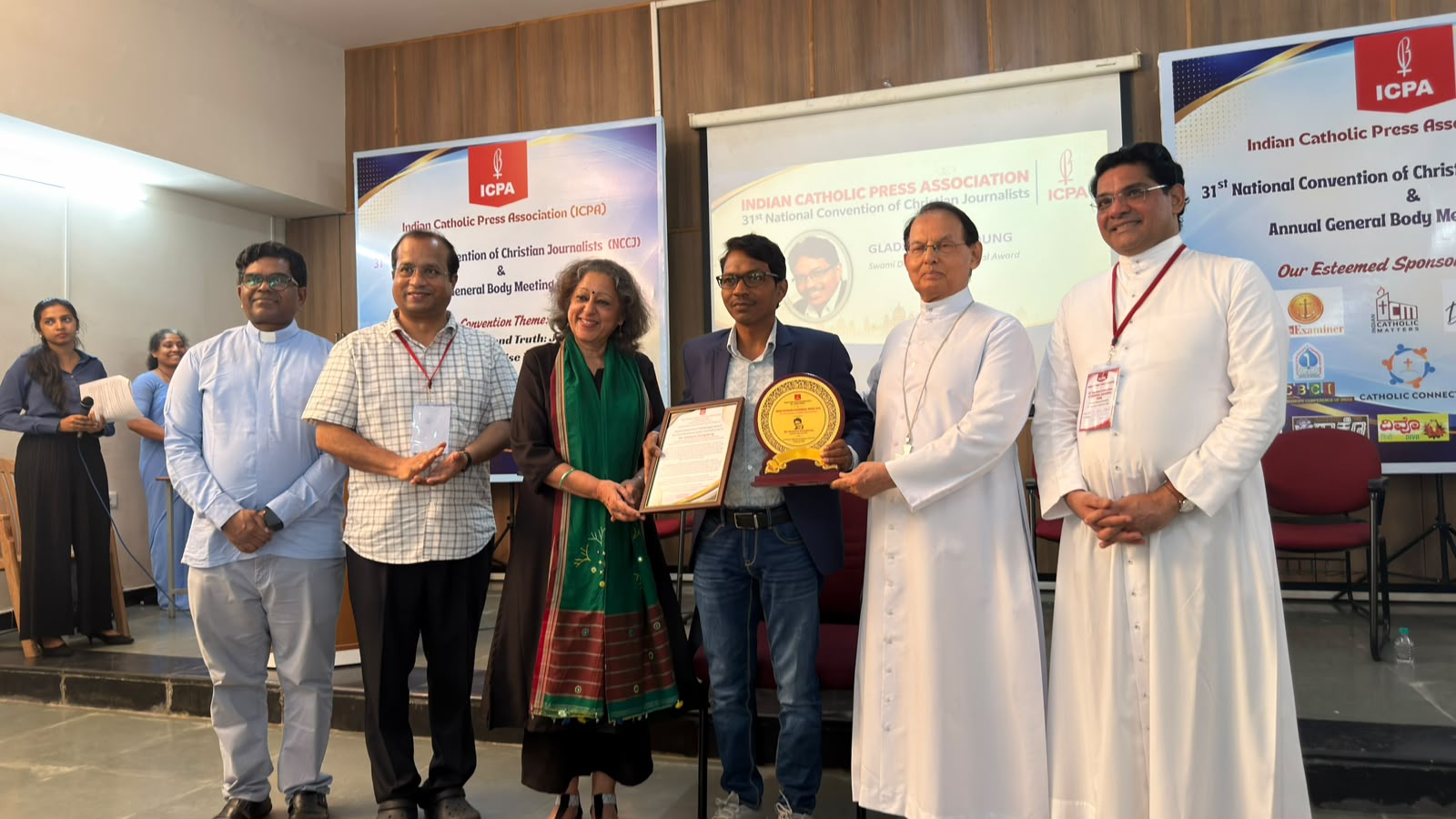 ICPA
ICPA
 ICPA
ICPA
.jpg)
 A. J. Philip
.jpg)
.png) Jacob Peenikaparambil
Jacob Peenikaparambil
.jpg)
.png) John Dayal
John Dayal