

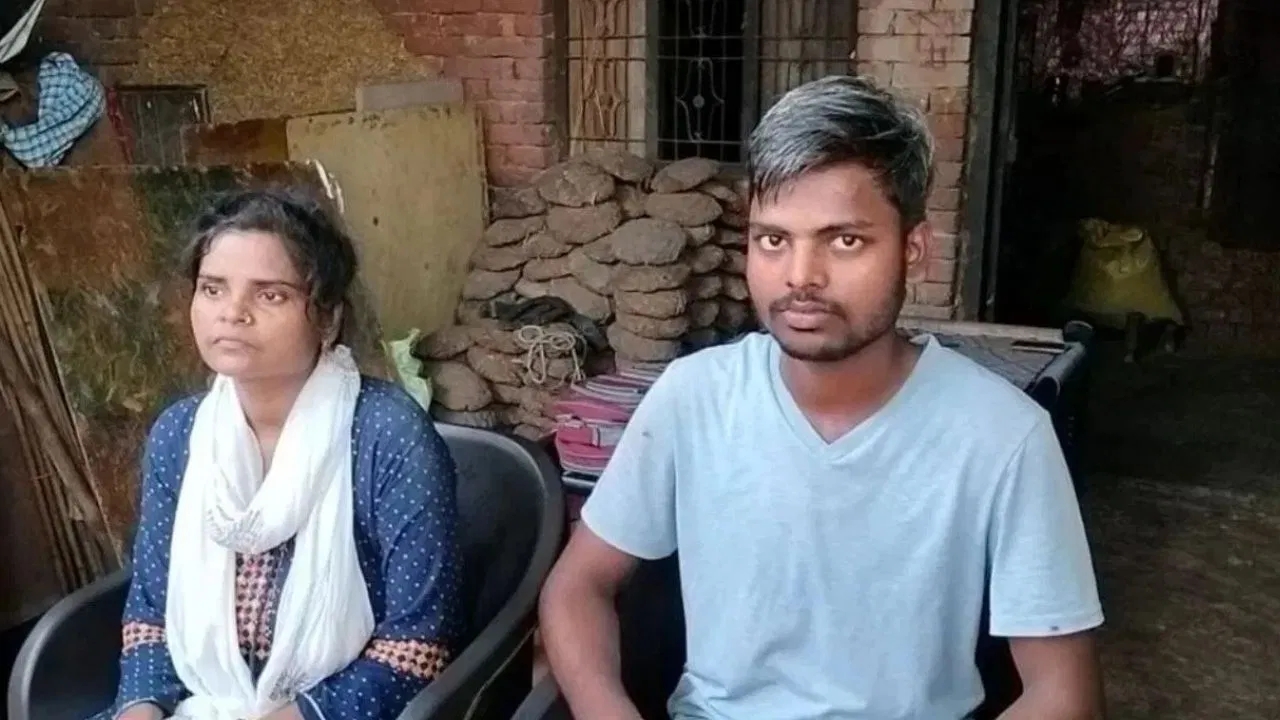
Atul Kumar, a young Dalit man from a small village in Uttar Pradesh, exemplifies the challenges faced by many in India's marginalised communities. Despite significant obstacles, Kumar successfully cleared the highly competitive Joint Entrance Examination (JEE) Advanced on his final attempt, securing a place at the esteemed IIT Dhanbad.
However, Kumar's triumph was nearly derailed by financial hardship. His family, living below the poverty line, struggled to gather the Rs 17,500 acceptance fee within the brief four-day window. Though they managed to collect the sum by the deadline's final hours, a mere 15-minute delay in submission threatened to nullify Kumar's hard-earned achievement.
Undeterred, Kumar and his family sought assistance from various authorities, including the National Commission for Scheduled Castes and the Jharkhand Legal Services Authority. When these efforts proved fruitless, they took their case to the Supreme Court, where it gained national attention.
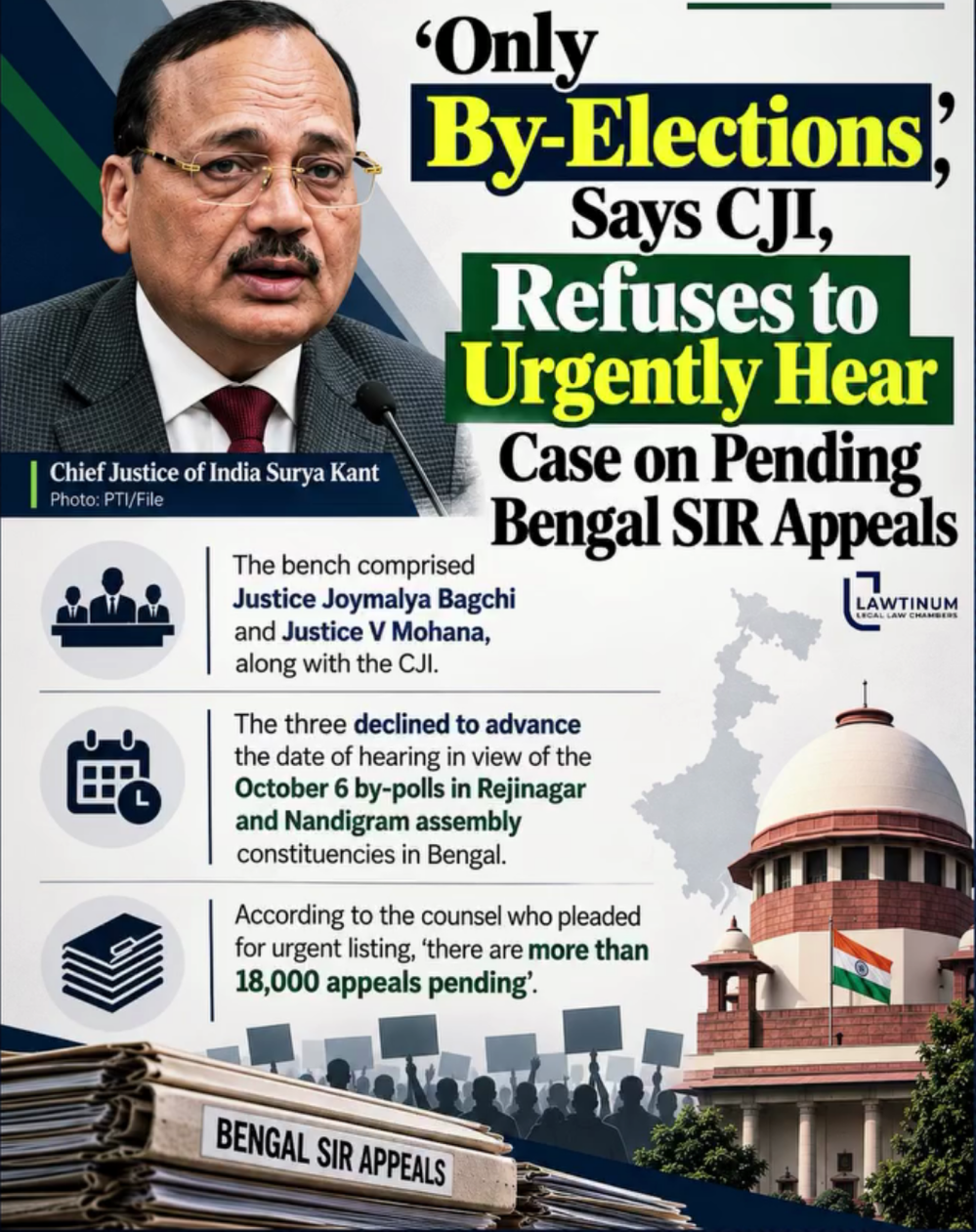
Chief Justice DY Chandrachud and his bench recognised the case's significance beyond a simple missed deadline. Invoking Article 142 of the Constitution, the court mandated IIT Dhanbad to admit Kumar, emphasising that financial constraints shouldn't impede a talented student's educational prospects.
This landmark decision illuminates several critical issues:
1. The financial hurdles economically disadvantaged students face in accessing higher education, even when they possess the necessary academic qualifications.
The need for more flexible admission processes that account for the unique challenges marginalised students face.
The importance of effective legal and governmental institutions in addressing social justice concerns.
The human element in such struggles, highlighting the sacrifices made by families to support their children's educational aspirations.
The court's ruling sets a precedent for similar cases, with Chief Justice Chandrachud expressing willingness to assist other marginalised students facing comparable difficulties. The case also sparked a wave of public support, with senior advocates offering to cover Kumar's fees.
Kumar's journey to IIT Dhanbad represents more than personal triumph; it embodies the pursuit of social mobility, justice, and educational equity. It demonstrates the potential for positive change when legal systems act with empathy and decisiveness.
As Kumar embarks on his studies at IIT Dhanbad, his story stands as a beacon of hope and a powerful reminder of the transformative power of education. It underscores the importance of perseverance in the face of adversity and the role of collective social responsibility in ensuring equal opportunities for all, regardless of background.
This case not only secured Kumar's academic future but also sent a resounding message about the need for fairness and inclusivity in India's educational landscape. It serves as an inspiration to countless others facing similar challenges, affirming that with determination and support, even the most formidable barriers can be overcome.????????????????
.jpg)
.jpg) Stanislaus Alla
Stanislaus Alla

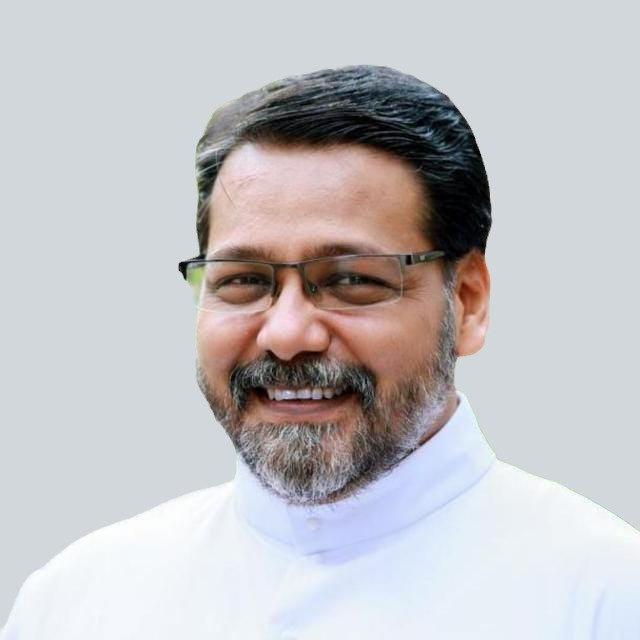 Adv. Rev. Dr George Thekkekara
.jpg)
 A. J. Philip
.jpg)
.png) John Dayal
John Dayal
.jpg)
.png) Jacob Peenikaparambil
Jacob Peenikaparambil

.jpg)
 P. A. Chacko
.png)
.png) Robert Clements
Robert Clements