


.jpg) Adv Jessy Kurian
Adv Jessy Kurian
.jpg)
“Rapist is an asset to the State,” said Justice Mr. Ajit Borthakur of Guwahati High Court. This pronouncement really shook the conscience of the nation. After hearing both sides, the Judge granted bail to the accused stating three main grounds. (1) The informant and the accused are the State’s future assets, being talented students pursuing technical courses at the IIT, Guwahati; (2) They are young in the age group of 19 to 21 years; and (3) They hailed from two different States.
It seems Justice Borthakur, who was serving as a Registrar in the National Human Rights Commission (NHRC) before being appointed as the Judge of the High Court, through his order, granted permanent license to certain categories of persons to commit rape, that too after finding clear prima facie case against the accused based on documents.
The crime occurred on 28.3.2021 at around 9 pm where the accused lured the informant/victim student of the same educational institution under the pretext of discussing about her responsibility as the Joint Secretary of the Finance and Economic Club of the students of the IIT, Guwahati. After making her unconscious by forcibly administering alcohol, he allegedly raped her. Thereafter the victim underwent treatment.
Certain judgements/orders passed by the High Courts in the recent past reveal that the judges fail to understand the trauma of the rape victim. They fail to understand the nature of the offence that “rape is not only an offence against the person of a woman rather a crime against the entire society” as delivered by the Supreme Court in Guddoo vs. State of UP in 2017.
Madhya Pradesh High Court granted bail to a rape accused in 2020 on the ground that the accused appellant would visit the house of the complainant, along with his wife, with Rakhi and sweets and request the complainant to tie the Rakhi band to him with the promise to protect her to the best of his ability for all times to come.
In another case, Ravi Jatav v. State of Madhya Pradesh, the Madhya Pradesh High Court granted bail to a person accused of rape imposing conditions that the accused “shall register himself as a Covid-19 Warrior” and was to be assigned work of Covid-19 disaster management at the discretion of the District Magistrate.
The Karnataka High Court while granting bail to the accused in ‘Rakesh B.v. State of Karnataka’ made remarks on the survivor’s conduct as “nothing is mentioned by the complainant as to why she went to her office at night, that is, at 11 pm; she also did not object to consuming drinks and allowed the accused to stay with her till morning; the explanation offered by the complainant that after the perpetration of the act she was tired and fell asleep is unbecoming of an Indian woman that is not the way our women react when they are ravished.”
The Goa Sessions Court, while acquitting journalist Tarun Tejpal of rape charges made by his former co-worker, stated that the woman who accused Tarun Tejpal of sexual assault did not behave like a rape victim.
Such judgements are highly outrageous and unsustainable. These will send not only wrong signals to society but also victimise the victims and encourage crime against women.
In ‘Aparna Bhat & Ors vs. State of Madhya Pradesh & Anr’, Justice S. Ravindra Bhat and A. M. Khanwilkar said that Judges play -- at all levels -- a vital role as teachers and thought leaders. It is their role to be impartial in works and action at all times. If they falter, especially in gender-related crimes they imperil fairness and inflict great cruelty in the causal blindness to the despair of the survivor.
After the Nirbhaya gang rape case in Delhi in 2012, Criminal Law Amendment Act was passed in 2013 with stringent punishment for rape and atrocities against women. However, violence against women continues. A rape occurs every 16 minutes in India, according to the latest report of the National Crime Records Bureau. The mind-set of the society makes matters worse. Girls are blamed for their dress, time of going out, place they visit etc. They are called sexist and misogynist. Some politicians are quick to draw Laxman Rekha for women.
In 2016, then Union Minister for Culture wanted to have a dress code for women. Now in Mysuru gangrape case, the Karnataka Home Minister condemned the victim for the time she chose to visit the place. To aggravate the matter, the Mysore University announced that girls would not be allowed to step out of the Manasagangotri campus after 6.30 pm (which they withdrew later).
Judiciary has a vital role to play to protect women and prevent crimes. As Attorney General rightly said in Aparna Bhat case, the foremost aspect to facilitate a gender sensitive approach is to train judges to exercise their discretion and avoid the use of gender-based stereotypes while deciding cases pertaining to sexual offences. Secondly, judges should have sensitivity to the concerns of the survivor of sexual offences. This training should mandatorily be conducted at all levels of the judiciary at regular intervals by the National
Judicial Academy and the State Judicial Academies. In this venture, judiciary can also include NGOs working for women.
As the Supreme Court said, “Judges especially should not use any words, spoken or written, that would undermine or shake the confidence of the survivor in the fairness or impartiality of the court. Sensitivity should be displayed at all times by judges, who should ensure that there is no traumatisation of the prosecutrix, during the proceedings or thereafter”.
There have been notable rulings by the CEDAW Committee in this regard. In V.K. v. Bularia, the Committee observed that “stereotyping affects women’s right to a fair trial and that the judiciary must be careful not to create inflexible standards based on preconceived notions of what constitutes domestic or gender-based violence.”
Patriarchal mind-set can defeat justice for women. In the present scenario, we have to agree with two Canadian scholars of psychology who said that since the system is ineffective in protecting the rights of women and children, it is necessary to re-examine the existing doctrines which reflect the cultural and social limitations that have preserved dominant male interests at the expense of women and children.
Ibsen, a nineteenth century author, said, “A woman cannot be herself in the society of the present day which is an exclusively masculine society, with laws framed by men and with a judicial system that judges feminine conduct from a masculine point of view.” This is very true even today.
In fact, a woman Judge, Justice Rumi Kumari Phukan of Guwahati High Court, in 2020 dismissed an appeal filed by a man convicted of raping a 20-year-old girl stating “Rape is a violation of victim’s fundamental right under Article 21 of the Constitution of India.” She said rape is tantamount to a serious blow to the supreme honour of a woman and is as well a crime against the entire society.
We need more women judges in judiciary. We appreciate the present collegium that on the 75th year of independence, India got three women judges to the top Court and now there are four women judges in the Supreme Court. However, we need more women judges in the High Courts and all courts in India. Crime against women, especially sexual crimes, should be dealt with by women judges. Strong deterrents from Courts and their implementation can prevent crime against women.
.jpg)
.png) Cedric Prakash
Cedric Prakash
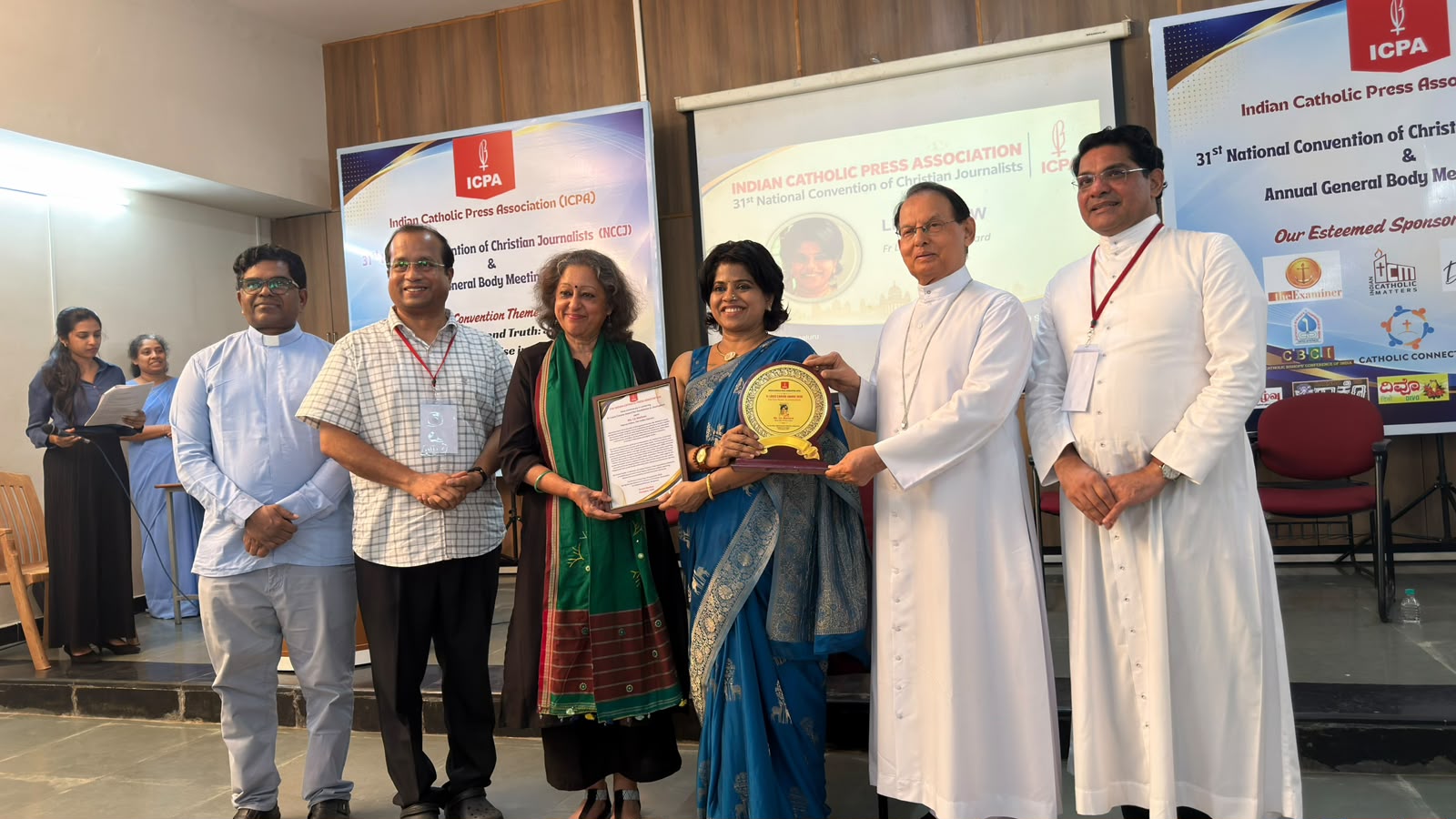
 ICPA
ICPA
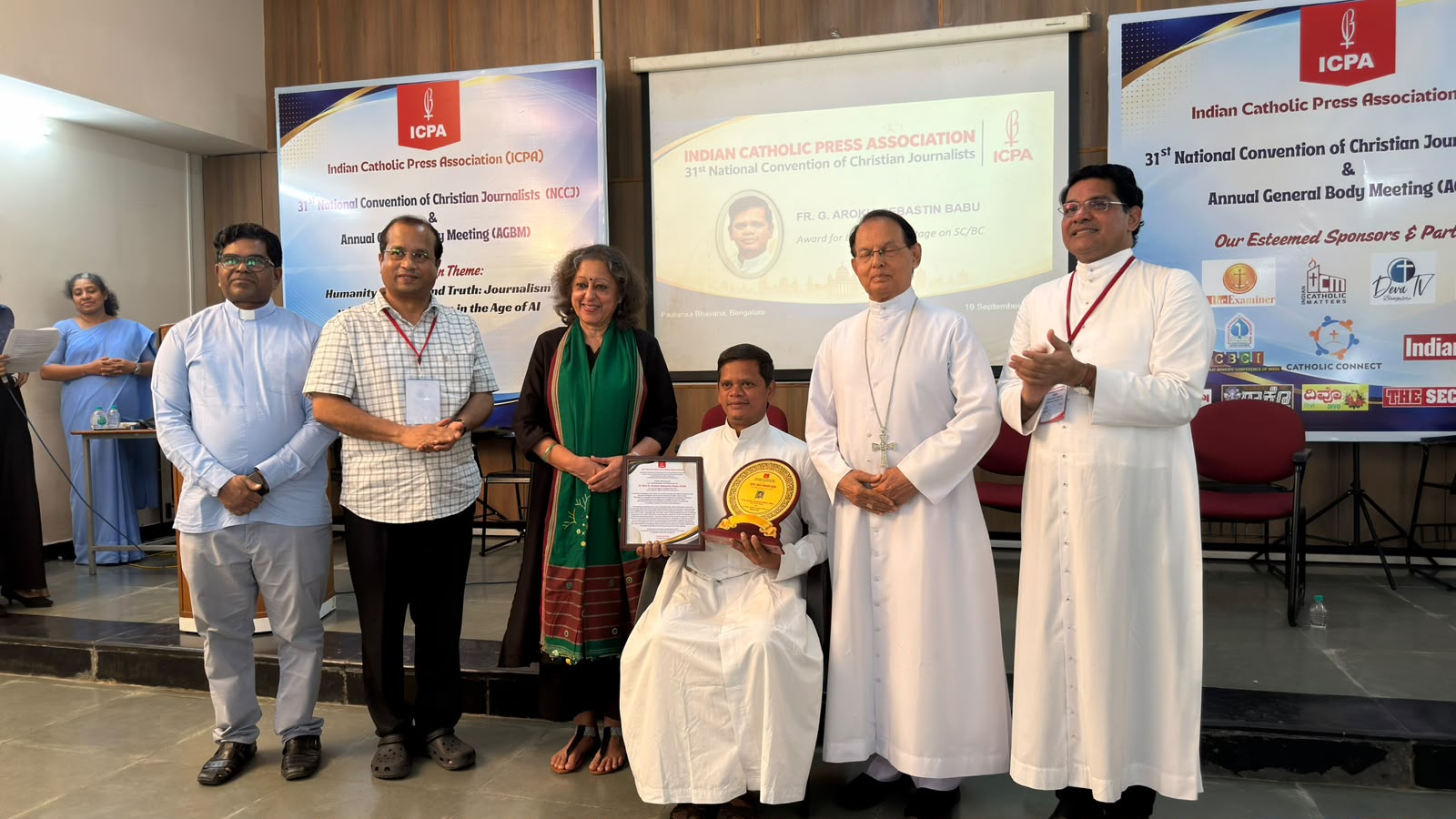 ICPA
ICPA
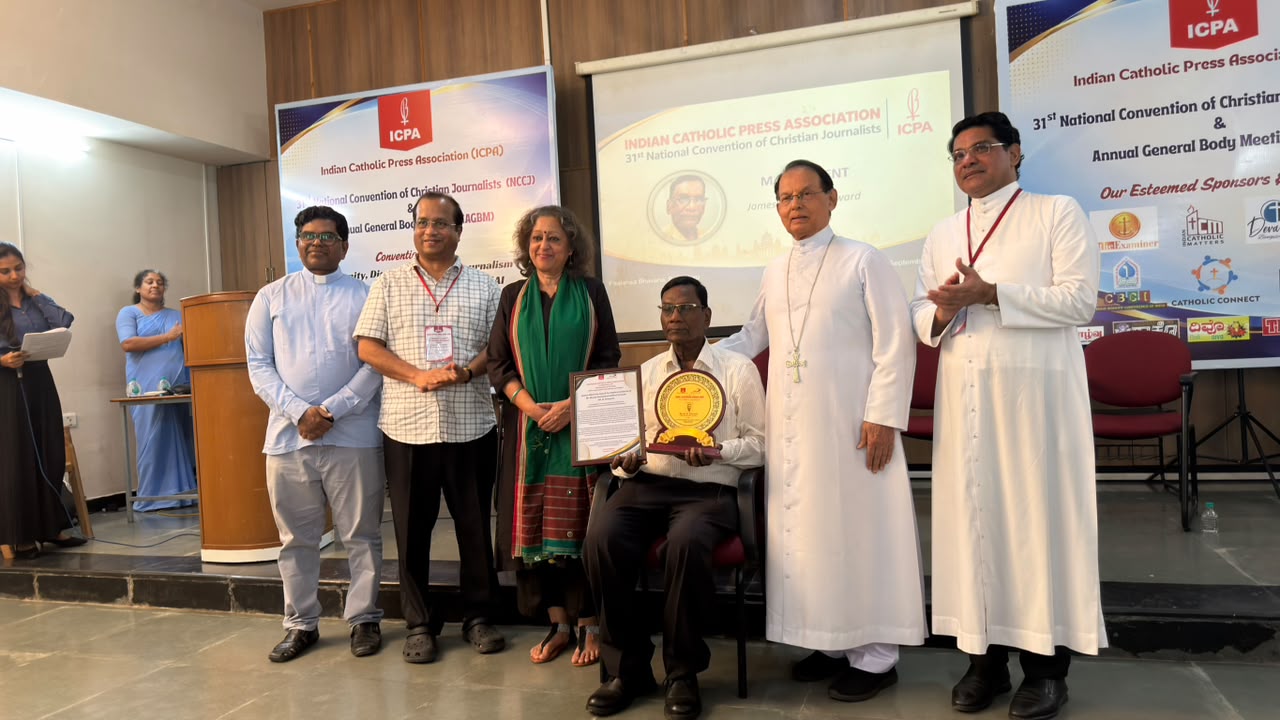 ICPA
ICPA
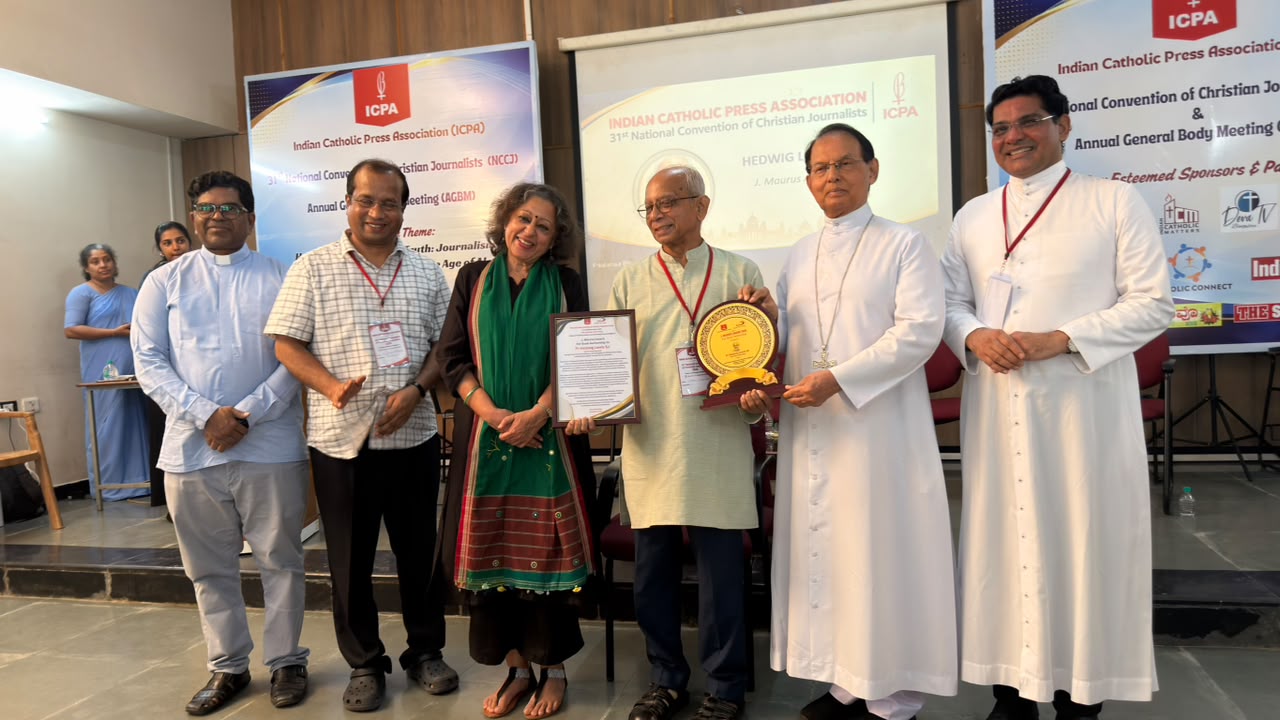 ICPA
ICPA
 ICPA
ICPA
 ICPA
ICPA
.jpg)
 A. J. Philip
.jpg)
.png) Jacob Peenikaparambil
Jacob Peenikaparambil
.jpg)
.png) John Dayal
John Dayal