

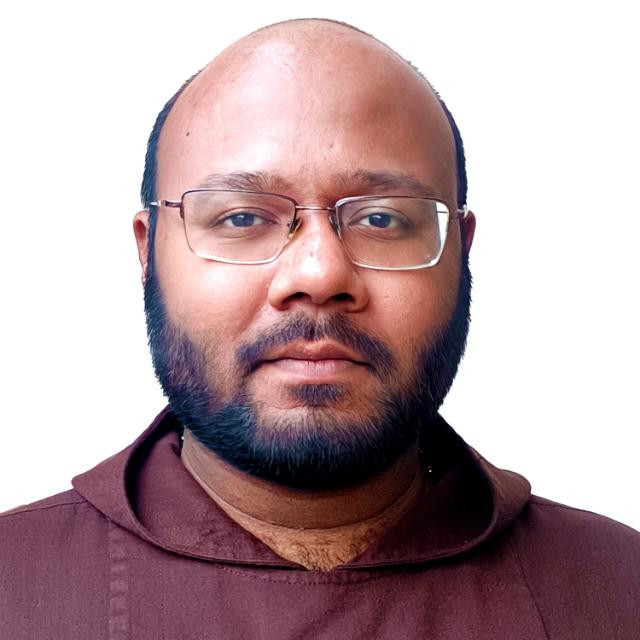
 Fr. Gaurav Nair
It is no secret that democracy has been on the decline worldwide. The steady regression of global freedom for the last 19 years casts a shadow over the very essence of democracy. Around one-fifth of the world's population is affected by the erosion of their rights. Attacks on pluralism, the bedrock of peaceful coexistence amidst diverse political, religious, and ethnic identities, have become rampant.
The integrity of elections faces threats beyond manipulation, including violence and poor administration. Instances of violence sideline candidates and deter citizens from exercising their voting rights, while a crisis of confidence in electoral institutions fosters apathy, weakening the legitimacy of elected governments. This erosion of trust creates a fertile ground for authoritarianism to thrive domestically and internationally.
Israel's democratic regression began well before the recent conflict in Gaza. Discriminatory practices, mainly aimed at gaining control over the occupied West Bank, have contributed significantly to this decline. Meanwhile, legal changes within Israel itself have further eroded the democratic principle of equal treatment under the law, with over 65 laws passing to codify discrimination against non-Jewish Israelis. The judiciary, traditionally a check on political power, faced increased attempts to weaken its oversight powers in 2023.
India's freedom in the World score has steadily declined since 2013, coinciding with widespread violence against religious minorities under Prime Minister Narendra Modi. Indian-administered Kashmir has witnessed a significant decline in freedom, moving from Partly Free to Not Free in 2019 following the revocation of its special autonomous status. The region has since experienced increased repression, extrajudicial violence, and lack of independence as a Union Territory.
This repression aligns with the rise of Hindu nationalism in India, characterised by policies and violence against religious minorities. Furthermore, instances of media censorship and attacks on critical journalists and outlets and involvement in targeting activists overseas with assassination plots, as accused by Canada and the US, further undermine its credentials.
In Eurasia, elections often serve as mere charades, masking autocrats' grip on power. Vladimir Putin's two-decade and continuing reign epitomises the hollow democracy prevalent in the region. Rigged elections, coupled with systematic suppression of opposition voices, independent media, and judicial autonomy, have suffocated dissent. One wonders why these terms sound so familiar!
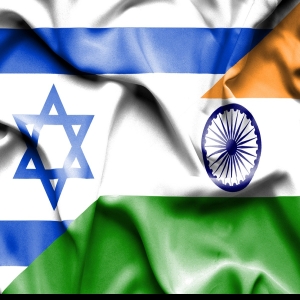
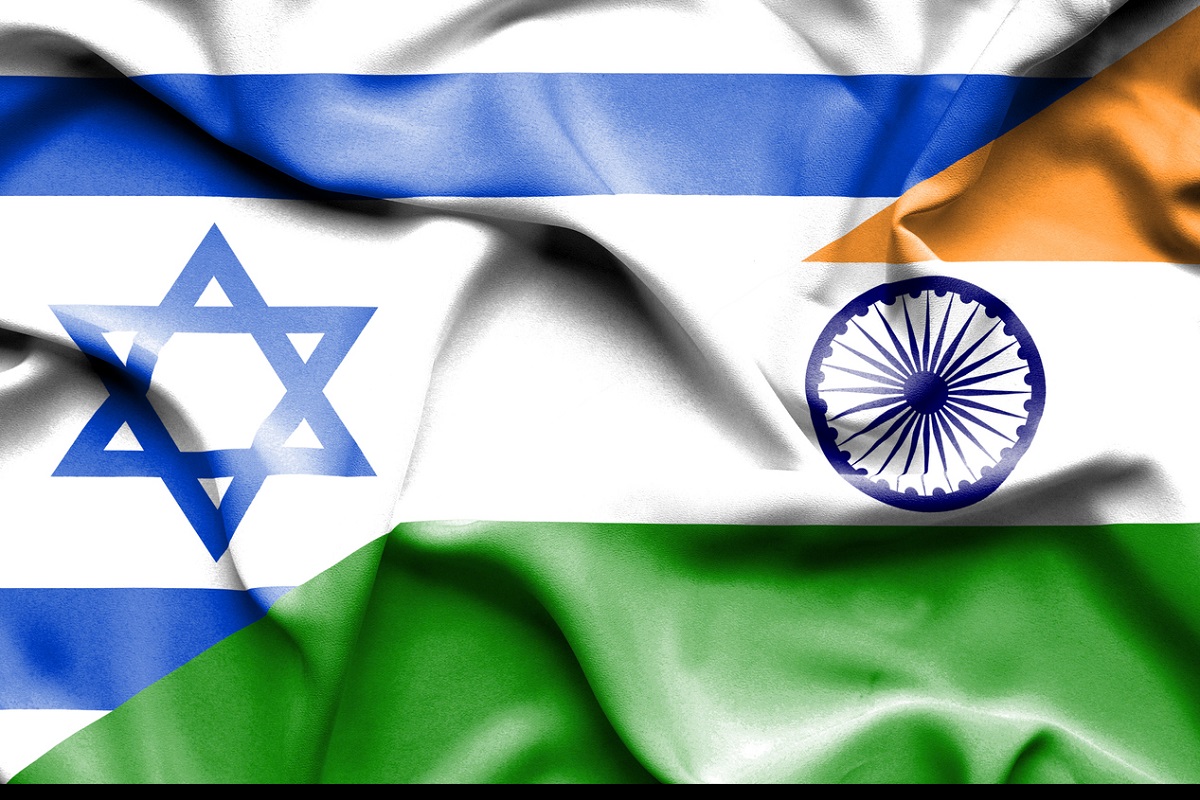
The tale of two nations, India and Israel, does not concern only these countries but also reflects the mindset of the nations that support or sponsor them. The data underscores the severity of the situation, with 35 countries receiving the worst scores for free and fair elections. This concerning trend, which has escalated since 2005, stems from a dual onslaught of rigged elections and military coups. While coups are apparent, rigged elections, though visible, tend to be whitewashed over.
As the world faces increasing hostility towards pluralism and diverse identities, democracies must uphold inclusive principles domestically and abroad. Despite the rise of illiberal leaders and isolationist rhetoric, fostering partnerships based on shared democratic values remains crucial to reversing this unhealthy trend. Only through collective efforts to support open media, uphold democratic institutions, and condemn repression can democracies confront authoritarianism and safeguard freedom.
.jpg)
.jpg)
.png) Jacob Peenikaparambil
Jacob Peenikaparambil

.png) John Dayal
John Dayal
.jpeg)
.png) Joseph Maliakan
Joseph Maliakan

.png) Dr Arnald Mahesh SDB
Dr Arnald Mahesh SDB

.jpg) Jose Vattakuzhy
Jose Vattakuzhy
.png)

.jpg) Isaac Gomes
Isaac Gomes
.png)
.png) Robert Clements
Robert Clements