.png)


 Fr. Gaurav Nair
.png)
The BJP government's hypocrisy is revealed even more clearly as it tightens the noose, especially on minorities. One of the latest additions to its growing list of atrocities is the FCRA amendment, which is weaponised against minorities. At the same time, its mothership, the RSS, an unregistered organisation, continues to gather funds with unrestricted derogation.
This draconian Bill, which was already amended on multiple occasions previously to bring minorities to their knees, now empowers the arbitrary takeover of everything which was built with the FCRA funds. The new provisions go far beyond regulatory oversight. By enabling the government to appoint a "designated authority" to assume control over the funds and assets of organisations whose licences are cancelled or allowed to lapse, the State arrogates to itself sweeping powers that are open to misuse.
This is largely detrimental, as these assets include schools, hospitals, shelters, and community infrastructure painstakingly built over decades, often through pooling foreign and domestic contributions. The possibility that such assets may be seized, managed, or even disposed of at the discretion of the authorities introduces a climate of deep uncertainty, not just for organisations but for the vulnerable communities they serve.
Contrary to the words of the Kerala BJP, the concerns expressed by civil society and religious bodies are neither exaggerated nor misplaced. The apprehension that these amendments could enable executive overreach into constitutionally protected freedoms deserves serious attention. The right to association, the autonomy of institutions, and the freedom to pursue charitable and educational work without undue interference are not concessions granted by the State; they are integral to the functioning of a democratic society.
It is here that the government's position appears particularly untenable. While registered organisations are subjected to ever-tightening scrutiny, entities aligned with the ideological ecosystem of the ruling establishment appear to operate without comparable constraints.
The political response has reflected this divide. Opposition parties have termed the amendments arbitrary and unconstitutional, arguing that they offend fundamental rights and further centralise control. Protests in Parliament and outside it accentuate the growing unease. Yet, the government has shown little inclination to engage meaningfully with these concerns, choosing instead to press ahead under the cover of legislative authority.
The reported decision to hold the Bill in abeyance in view of electoral considerations in States with significant minority populations, especially Kerala, only reinforces the impression that principle is subordinate to expediency.
While the government has put a temporary halt on the Bill, it does not seem very keen on retracting the legislation. We may well see it come back and be applied with brute force once the elections conclude.
.jpeg)
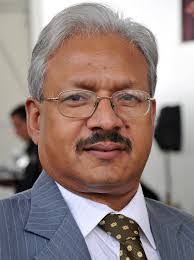 A. J. Philip
.jpg)
.png) Jacob Peenikaparambil
Jacob Peenikaparambil
.jpg)
.png) John Dayal
John Dayal
.jpg)
 Pachu Menon
.jpg)

.png)
.png)
.png) Robert Clements
Robert Clements
.jpg)