

.jpg) Jessy Kurian
Jessy Kurian
.jpg)
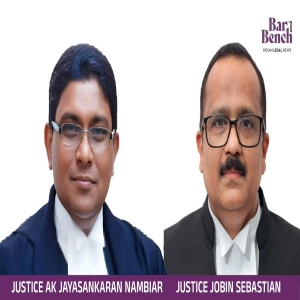
A Division Bench of the Kerala High Court, comprising Justice Dr AK Jayasankaran Nambiar and Justice Jobin Sebastian, on April 18, 2026, reaffirmed the individual autonomy in matters of belief and lifestyle guaranteed under Article 21 of the Constitution of India.
A Writ of Habeas Corpus (Petition) was filed by three parents alleging that their adult daughters were being unlawfully detained by members of a religious congregation known as the Monastery of Holy Ruah (MHR). The parents' contention was that the daughters had initially joined the congregation when it was recognised by the Archdiocese of Trissur. Subsequently, it was derecognised and dissolved by a formal decree, which rendered their continued association suspect.
Relying on earlier judgments, the petitioners further argued that parental guidance and authority do not cease entirely upon a child attaining majority, and that courts must intervene when decisions taken by adult children are irrational or detrimental to the familial and social structure.
Article 5 of the European Convention on Human Rights provides "Everyone has the right to liberty and security of person. No one shall be deprived of her/his liberty." Meaning this liberty should not be violated through arrest or illegal detention. Liberty and security of the person are taken as a compound concept.
Article 21 of the Indian Constitution guarantees the fundamental right to the protection of life and personal liberty. The Article states, "No person shall be deprived of his/her life except according to the procedure established by law."
Therefore, the parents strongly contended that their daughters were being influenced or coerced into continuing in the congregation despite all these developments, and therefore, they are illegally detained.
Habeas corpus is a fundamental legal action, or "writ," that protects individuals against arbitrary or unlawful detention by the State. "Habeas Corpus" literally means in Latin "you shall have the body." It allows a prisoner or a representative to petition a Court, compelling officials to bring the detained person before a judge to justify the detention.
It ensures a person is not held without legal justification. The Court reviews the legality of the detention and orders the immediate release of a person if the detention is found illegal, unauthorised or wrongful.
In many countries, including the US and India, it is considered a core constitutional right and a vital check on government power.
"Writ of Habeas Corpus" originally was a procedural tool to "have the body" present for civil proceedings. It evolved in the 15th-17th centuries to challenge detentions made by the King's Privy Council. In 1679, the British Parliament passed this Act to strengthen the right, imposing heavy penalties on judges/officers who refused to grant the Writ, largely to limit the king's power.
In 1774, it was introduced in Calcutta by the Britishers, and the Supreme Court at Fort William was authorised to issue this Writ to check illegal detention. After independence, it became part of the Fundamental Rights under Articles 32 and 226 of the Indian Constitution, allowing both the Supreme Court and the High Courts to issue it.
The 44th Amendment (1978) strengthened Article 21, and the Supreme Court subsequently developed a more proactive approach, expanding its scope to award compensation for illegal detention (Rudul Shah vs State of Bihar).
In the Supreme Court's own words, "The Writ of Habeas Corpus is a Writ that provides an extraordinary remedy which should not be permitted unless ordinary remedies have already been exhausted and proven to be ineffective."
In this case, the three parents sought to have their daughters brought before the Court, alleging that they had been detained illegally. However, the Court recorded that police enquiries confirmed that the women were residing with the religious congregation out of their own free will and without any coercion. It therefore declined to issue a Writ of Habeas Corpus.
The Court stated, "In our view, the choice of the alleged detenus with regard to their beliefs or the congregation that they must join is a matter that rests exclusively within the private domain of the individual concerned… interference by the State in such matters should have a chilling effect on the exercise of Constitutional freedoms."
The Court emphasised that "mere disgruntlement" of a parent with the decision of his adult daughter who has chosen a life of celibacy by responding to the call of the Divine cannot be the basis for the issuance of a Writ of Habeas Corpus.
The primary issue here is whether an adult daughter can make a decision on her own to join a religious congregation or choose a lifestyle.
The Supreme Court of India consistently upholds the absolute right of an adult woman to make her own life choices, including marriage, live-in relationships, and bodily autonomy, regardless of familial or societal pressure. The Court has repeatedly held that an adult woman cannot be forced to return home, even in habeas corpus cases, if she wishes to live independently or with a partner. The courts cannot act as "super guardians" for an adult woman, overriding her decisions.
As long as the woman is a major, her consent is paramount. Hence, a Writ of Habeas Corpus cannot be issued to bring back an adult daughter from the lifestyle she has freely chosen.
In conclusion, the Court made it clear that an adult daughter has the right to choose her lifestyle/to join any religious congregation, to lead a life of celibacy and that choosing a lifestyle with one's own consent and free will does not amount to detention.
Case: Joju George & Ors v State of Kerala & Ors
.jpg)
.png) Cedric Prakash
Cedric Prakash
 ICPA
ICPA
 ICPA
ICPA
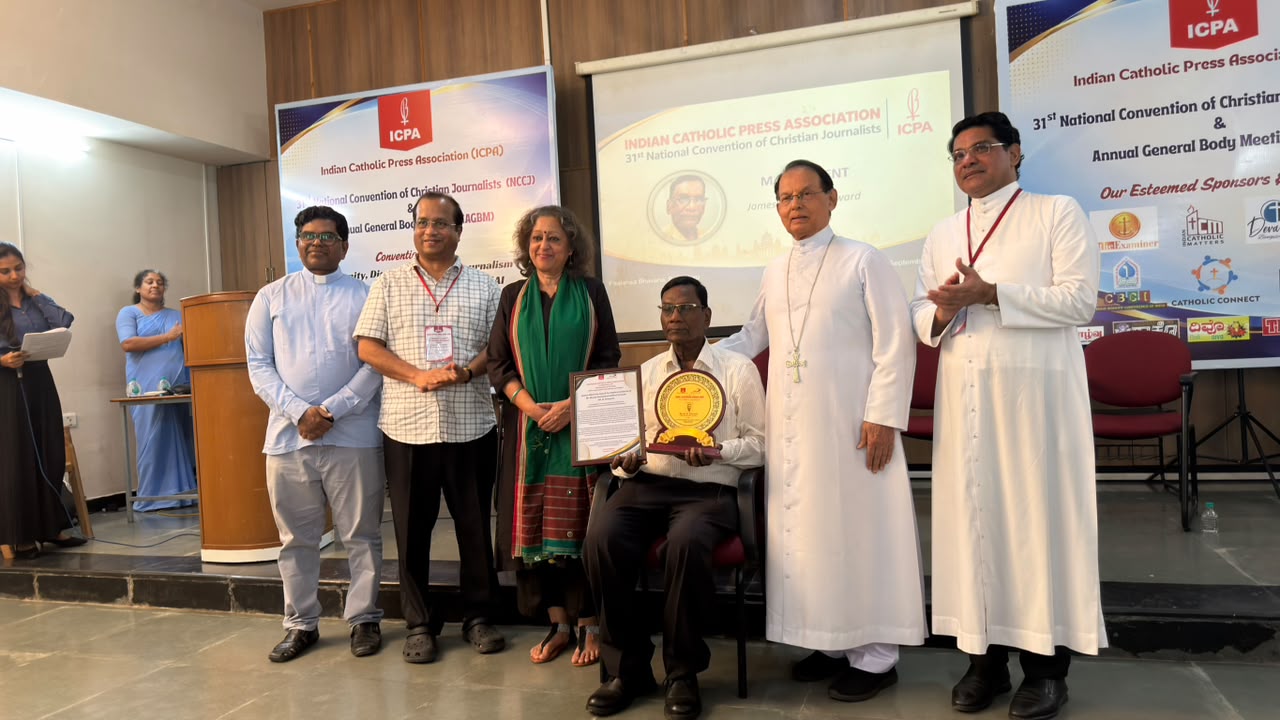 ICPA
ICPA
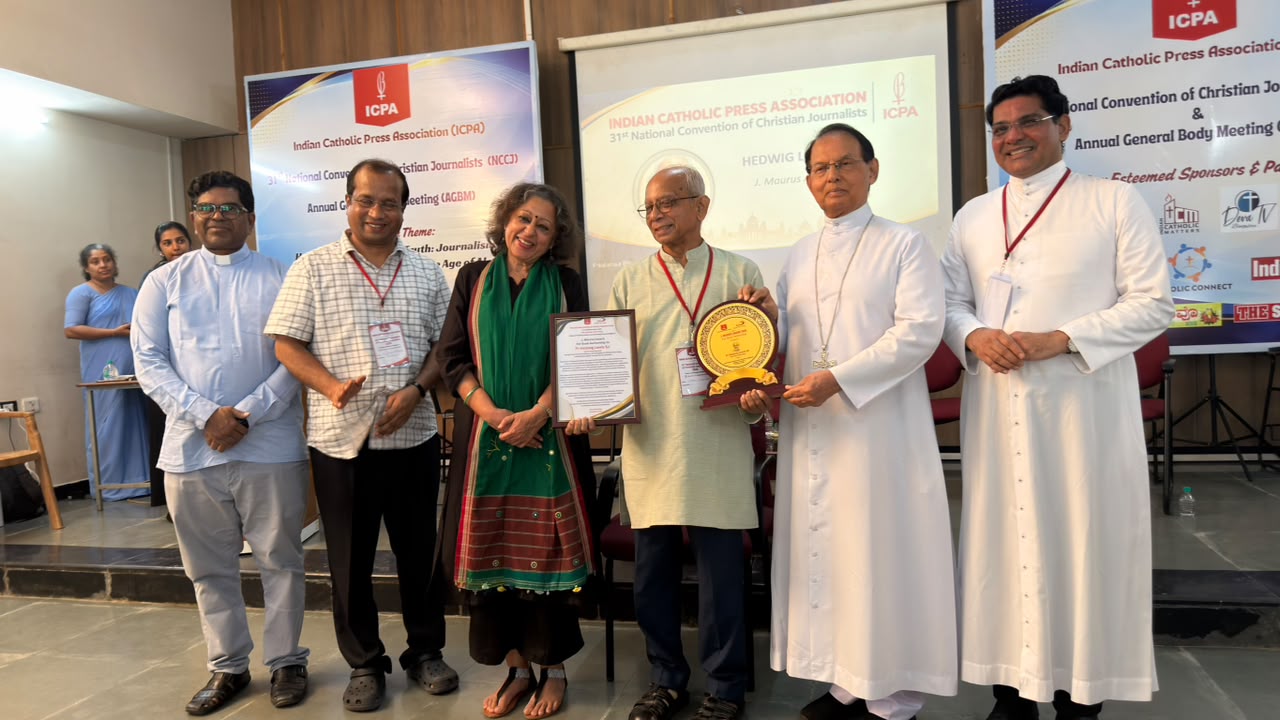 ICPA
ICPA
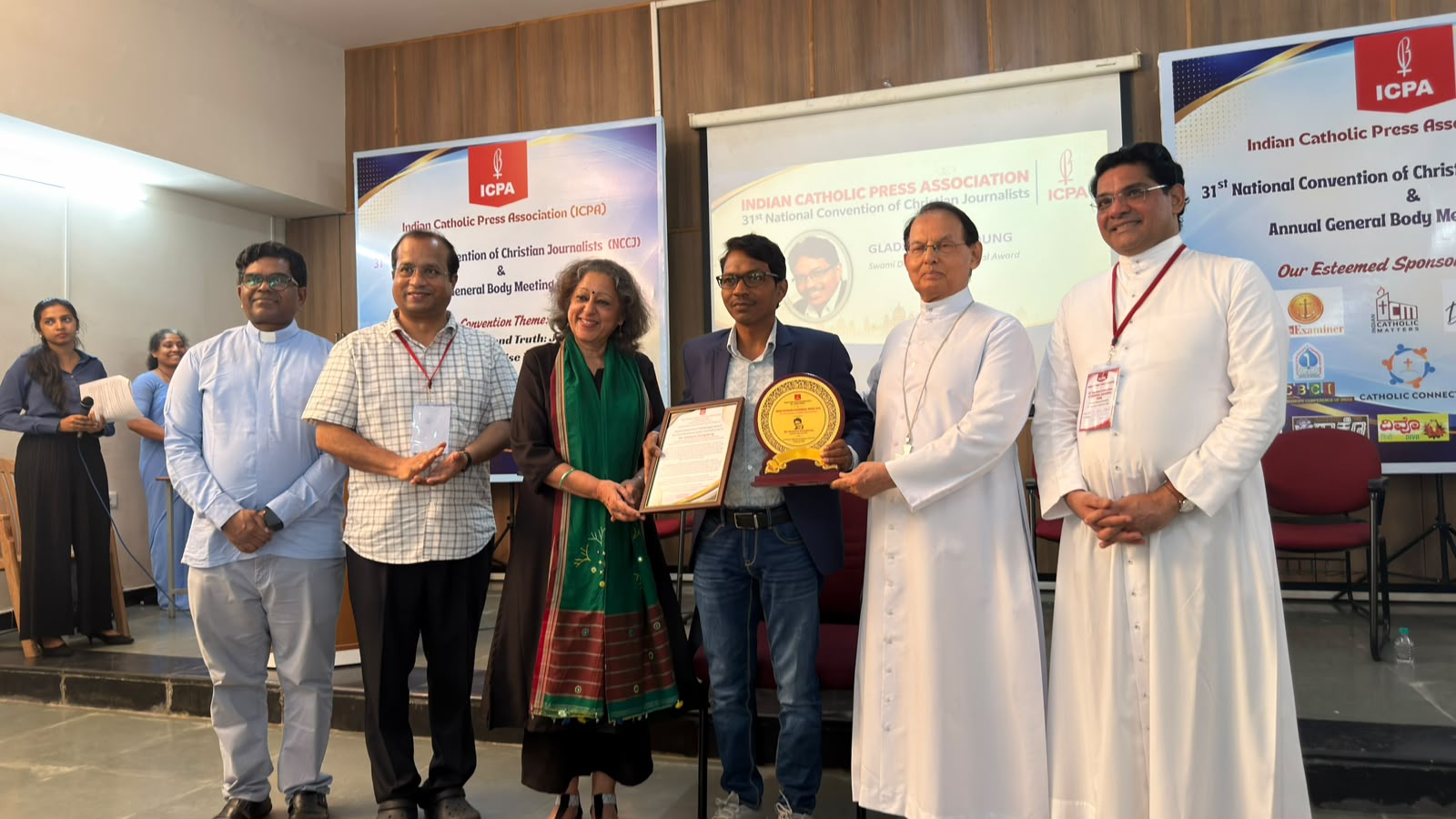 ICPA
ICPA
 ICPA
ICPA
.jpg)
 A. J. Philip
.jpg)
.png) Jacob Peenikaparambil
Jacob Peenikaparambil
.jpg)
.png) John Dayal
John Dayal