

.jpg) Prakash Louis
Prakash Louis
Defrauding, deceiving, fleecing, and cheating are not just words; they are a way of life for many businessmen and business houses in India. Once in a while, information about fraud trickles out and then dies away. The amusing part is that the mainline media does not even speak or write about it. These well-educated, well-placed and well-accepted public businessmen and firms swindle common citizens of their hard-earned money. Yet none of them is punished under stringent laws because they remain close to power centres.
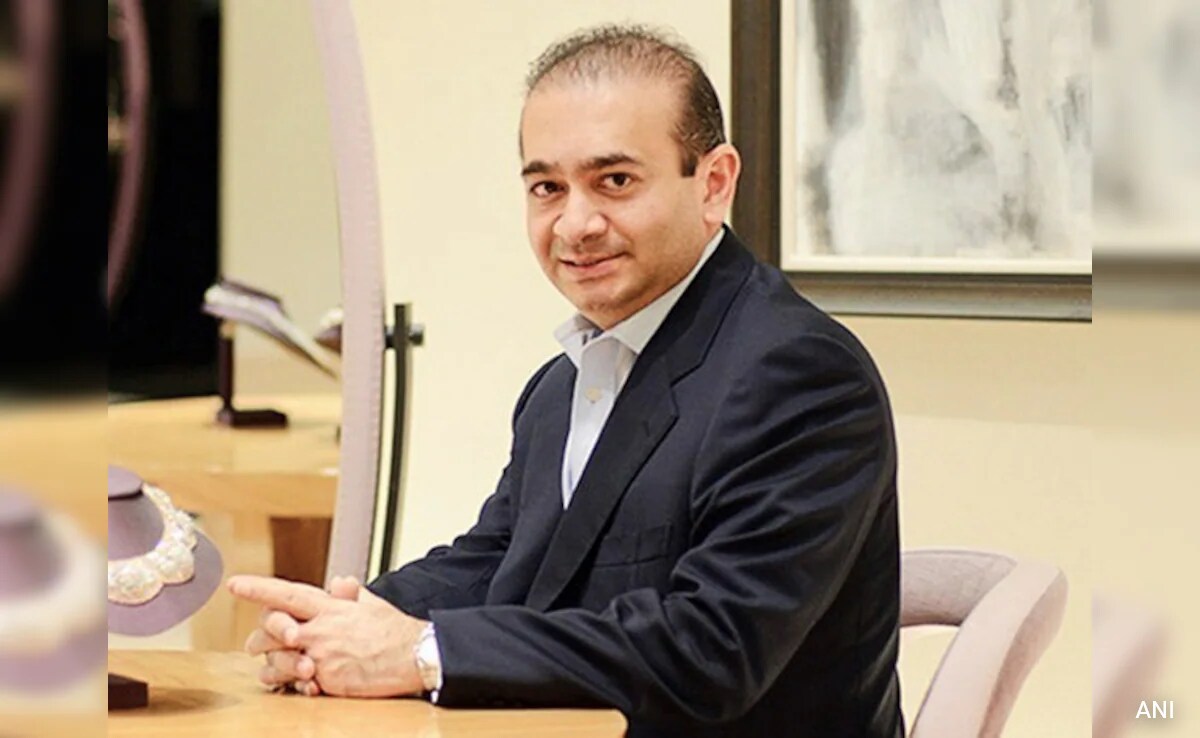
Let us take the example of Nirav Deepak Modi. In August 2018, Interpol and the Indian government filed charges against him for illicit breach of confidence, deception, dishonesty, corruption, criminal conspiracy, money laundering, cheating, embezzlement, and breach of contract. He was under investigation in connection with Punjab National Bank's $2 billion (around ?19,000 crore) fraud. In March 2018, he filed for bankruptcy in the US. By June 2018, he had been traced to the United Kingdom, where he sought political asylum. In June 2019, his Swiss bank account, valued at USD 6.6 million (?62 crore), was frozen.
It is legitimate to ask: how could a fraud of this nature happen in India? Who permitted it? Who benefited from it? Who paid for it? Will there ever be any meaningful recovery from this exorbitant extraction of public resources? There seems to be very little scope for recovering the wealth looted from the Indian masses.
What is presented in Table 1 is only the tip of the iceberg. Indian banks reported frauds worth approximately ?5.3 lakh crore between 2013-14 and 2022-23. To put it in perspective, the annual budget of the Government of the National Capital Territory of Delhi for 2026-27 was ?1,03,700 crore for a population of more than 5.6 crore.
Fugitive Company/Firm Reported owed amount
Vijay Mallya Kingfisher Airlines 22,657 crore
Sandesara Family Sterling Biotech Group 10,000 crore
Nirav Modi Fivestar Diamond 9,656 crore
Mehul Choksi Gitanjali Group Mehul Choksi (included with Modi)
Jatin Mehta Winsome Diamonds 6,580 crore
Table 1: Defrauders of Indian Banks/Resources
Banking fraud in India includes high-profile corporate loan defaults, manipulation of internal banking systems, and rising digital and cybercrime. Although the number of cases may have declined, the monetary scale of fraud continues to increase, with public sector banks bearing over 70 per cent of the impact. A government that came to power with the slogan "na khaunga aur na khane dunga" — "will not loot and will not allow others to loot" — today appears to be enjoying the benefits of being both looter and sharer in the loot.
It would be a falsehood to claim that those who defrauded Indian resources are uneducated, unemployed, or underground activists. The youth from poorer and lower-caste backgrounds are often branded as thugs, rogues, and thieves. Yet those who looted the resources of common Indians are highly educated, upper caste, socially powerful, and economically privileged.
It is precisely because of these connections that Nirav Modi and his associates could engage in fraud. Fraudulent Letters of Undertaking were issued through the SWIFT messaging system without being recorded in the bank's core system. In contrast, if a poor Indian seeks a loan of ?10,000, he must fill out umpteen forms, submit endless documents, find guarantors, and repeatedly visit the bank.
The ABG Shipyard fraud, involving more than ?22,800 crore across a consortium of 28 banks, raises even more disturbing questions. Either these 28 banks were party to the fraud and shared in the loot, or they were uneducated, unskilled, and ill-equipped for the jobs assigned to them. If a poor lower-caste youth plucks mangoes from the orchard of an upper-caste landlord, he is beaten, handed over to the police, and jailed. But those who loot thousands of crores walk free.
The CBI is also probing the Reliance Anil Ambani Group over an alleged bank loan fraud worth ?73,000 crore. It is intriguing that while Mukesh Ambani remains a blue-eyed boy of the prime minister, the younger brother appears to have fallen out of favour.
In sharp contrast stands the condition of widows in India. India is home to approximately 55 to 56 million widows — around 10 per cent of the country's female population. Widows are among the most marginalised and vulnerable people in society. Once a husband dies, the woman is treated as bad luck, shunned by the community, excluded from family life, and often abandoned even by her own children.
The Widow Pension Scheme reflects this depravity. The pension was initially ?100, then ?150 in 1990, later ?400, and just before the 2025 general elections, it was raised to ?1100. If the government believes a widow can survive on ?1100 a month, it exposes the moral bankruptcy of those in power.
The conditions for receiving even this pittance are humiliating: the widow must be single, have no children, earn less than ?1000 per month, be physically unfit to work, should not beg, and should not own a house. In other words, only a completely dispossessed widow qualifies. Even then, she must repeatedly visit government offices, tolerate officials' apathy, wait endlessly for enquiries, and often grease the palms of bureaucrats.
This reveals two distinct classes of citizenry in the country: those close to power who can get anything done for themselves and their families, and those far removed from power who cannot even access basic dignity. The poor ultimately pay for all the fraud in the country.
This same deprivation is visible in the lives of migrant labourers. In recent weeks, print, electronic, and social media reported stampede-like scenes at Surat's Udhna Station as thousands of migrant workers rushed to board trains to Uttar Pradesh and Bihar. On April 19, 2026, over 8,000 migrant workers crowded the station amid extreme heat and kilometre-long queues, forcing police to lathi-charge the crowds.
India witnessed similar scenes during the lockdowns imposed without considering the suffering of migrant labourers. Yet the hardships of these labourers find no place in election rallies. Instead, the ruling establishment spreads falsehoods that the country is prospering and diverts attention through the Hindu-Muslim divide rather than focusing on the struggles of over 70 per cent of common Indian citizens.
On April 29, 2026, Indians woke up to another disturbing image. A tribal man, asked by the bank to provide proof of his sister's death before withdrawing money from her account, carried her skeletal remains on his shoulder through the streets. The image went viral and sparked outrage. Officials acted only after public outrage erupted — not because they were moved by human tragedy, but because they feared for their jobs.
Another sinister plan is unfolding in Bihar in the name of smart cities. Urbanisation in itself need not be opposed, since it may reduce caste and class barriers and improve access to education and healthcare. But beneath this lies the hidden plan to open land, businesses, and infrastructure to Gujaratis. Similar patterns were witnessed in Ayodhya, Varanasi, and Assam. Bihar too risks being absorbed into a "Gujarat Model of Development" in which Gujaratis prosper at the expense of Biharis.
While the common masses remain deprived, those benefiting from this deprivation continue to project a rosy picture of India. NITI Aayog proclaims that India is on the cusp of transformation and moving toward becoming a USD 4 trillion economy. But what does this trillion-dollar economy mean for ordinary citizens? Will they be part of this prosperity, or will they merely pay the price for it?
The writings are clear on the wall. The country's downward decline stands before us. Citizens have no option but to take to the streets to protest against defrauding and resist deprivation. Only through collective effort can we save ourselves, the Constitution, and the country.
.jpg)
.png) Cedric Prakash
Cedric Prakash
 ICPA
ICPA
 ICPA
ICPA
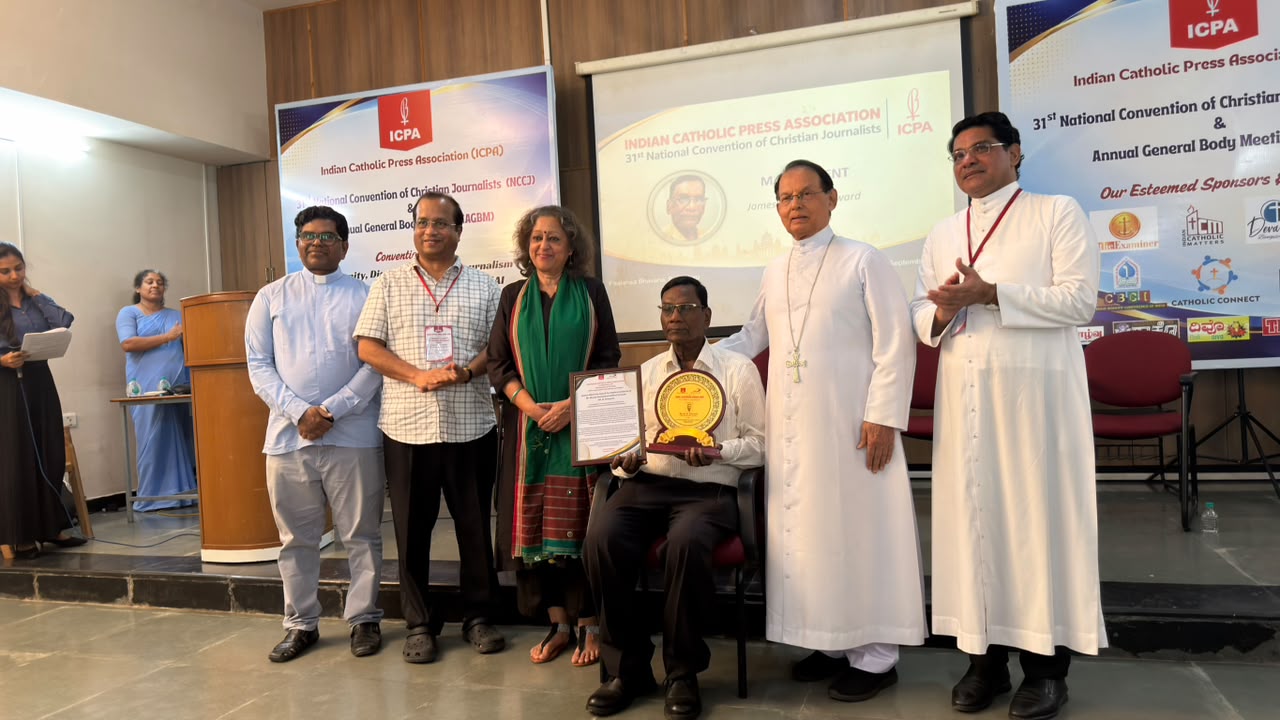 ICPA
ICPA
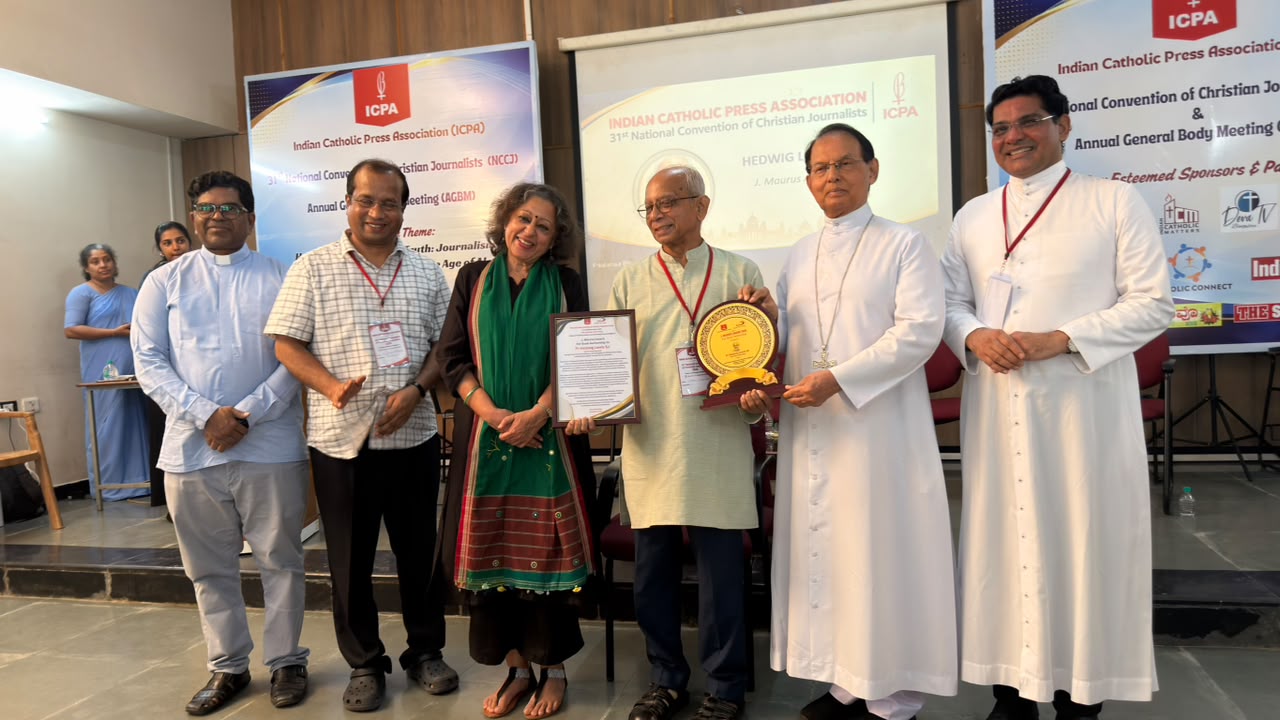 ICPA
ICPA
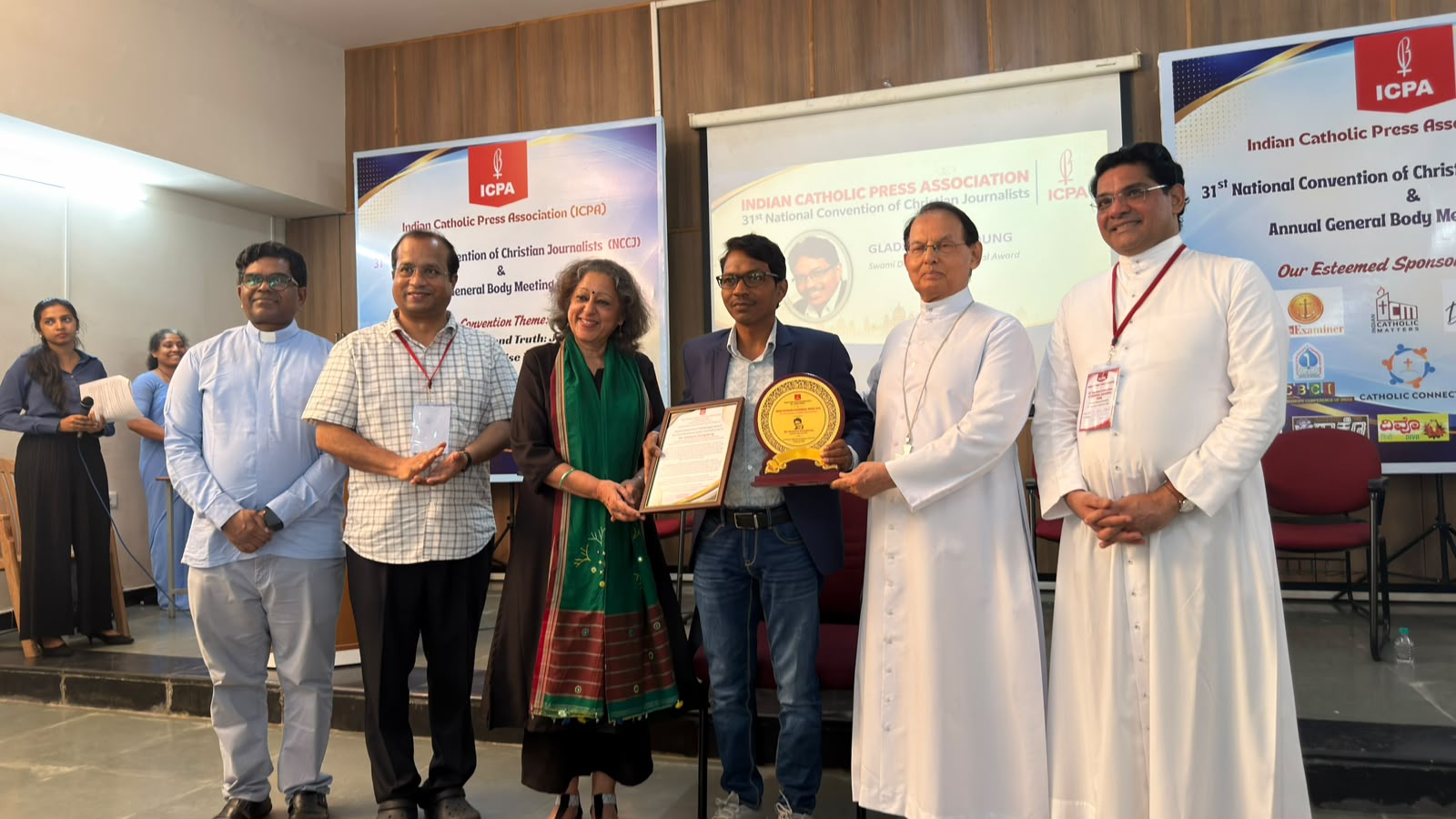 ICPA
ICPA
 ICPA
ICPA
.jpg)
 A. J. Philip
.jpg)
.png) Jacob Peenikaparambil
Jacob Peenikaparambil
.jpg)
.png) John Dayal
John Dayal