

 Pachu Menon
.jpg)
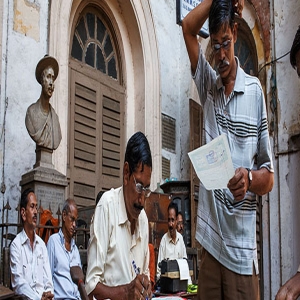
In a country like India, it is not unusual to encounter red tape that makes it hard for people and businesses to get things done, turning simple processes into lengthy, frustrating ordeals and eroding public trust.
In a finding that virtually slammed 'Babudom' as India's biggest curse, a Hong Kong-based research firm had rated Indian civil servants as the least efficient among the bureaucracies of 12 Asian nations a decade-and-a-half earlier.
Has the situation changed for the better?
It, however, remains a cornerstone of governance, with bureaucrats serving as the permanent executive that keeps the administration running, regardless of political changes.
Allegedly, the desire to serve the nation fuels a massive influx of civil service aspirants drawn by the chance to directly impact policy, address societal issues, and gain prestige and stability, even with intense competition and systemic challenges, making it a highly sought-after career path.
The pursuit is often seen as a way for young people to contribute to national progress, to aspire to power and influence to enact change, and to pursue a stable, respectable career in public service.
As a term coined by Sardar Vallabhbhai Patel to signify its role in providing continuity and stability and in implementing national policy, the Indian bureaucracy continues to be officially recognised as the 'steel frame' of India.
However, public and media perceptions in the country strongly indicate that this framework has grown even more rigid and inefficient, and that it requires major reforms to improve accountability and service delivery.
In India, the bureaucracy is the legacy of a colonial 'steel frame' that was meant to rule, not serve, which has evolved into a 'Babu' culture.
While it is indispensable for the rule of law and implementation of democratic policies, it is frequently criticised for its rigid structure, excessive red tape, and resistance to reform.
It is said that 'bureaucracy' often carries an air of importance, formality, and haughtiness, which stems from its structural design, the nature of its power, and the human tendencies of those within it.
Max Weber described bureaucracy as operating on 'impersonality,' focusing on rules rather than individual circumstances. While designed to be fair, this machine-like approach comes across as cold, indifferent or arrogant to those who need personalised service.
Sociologist Robert K Merton described it as a 'trained incapacity' resulting from over-conformity. Bureaucrats are so focused on following procedures and protecting their positions that they ignore the human, special circumstances of a case, which can be interpreted as rude or haughty.
Public accountability and bureaucracy are essential, yet often inefficient, cornerstones of modern governance. They have, however, remained a continuous 'work in progress,' struggling to balance the need for democratic responsiveness with the necessity of stable, rule-bound administration.
The lack of accountability among Indian civil servants to the public they serve is a widely acknowledged challenge in the country's governance, often resulting in low public trust and inefficient service delivery.
While meant to be public servants, the bureaucracy has been described as a 'self-serving' collective marked by a hierarchical, rule-bound culture rather than a service-oriented one.
Civil services are called bureaucracy because the term literally means 'rule by the desk,' referring to the system of government administration run by professional, non-elected officials working through offices, rules, and hierarchies to implement policies.
While civil service refers to the body of public servants, bureaucracy describes the structure and system they operate within, characterised by specialisation, hierarchy, and formal procedures that ensure consistent, efficient governance.
This system is crucial for translating laws into action, providing expertise, and maintaining stability in public administration.
The civil services, particularly the Indian Civil Service (ICS) and the Covenanted Civil Service, were essential to British colonial rulers for establishing, maintaining, and exploiting their rule over India.
These officials served as the backbone of the British administration, ensuring the interests of the British Crown were safeguarded.
Modern Indian civil services replaced British colonial power by transitioning from enforcing imperial rule to implementing democratic governance, with Indian politicians taking over policy-making while retaining a strong, merit-based administrative structure (IAS, IPS, etc.) inherited from the British but repurposed for nation-building, development, and serving constitutional values, becoming the 'steel frame' executing the will of elected officials.
This involved an 'Indianisation' of the ICS, creating an experienced cadre of Indian officers trained in British traditions but dedicated to India, forming a vital administrative backbone for the new republic.
The civil service in the modern era, however, faces the challenge of transforming from a colonial-era 'steel frame' into a citizen-centric, efficient, and transparent bureaucracy, leveraging technology to meet complex demands in welfare, security, and governance while combating corruption and political interference.
Analysts argue that the 'steel frame' requires urgent, comprehensive reform focusing on depoliticisation, performance-based evaluation, and domain expertise to regain its strength and purpose.
Despite the challenges, though, one can't deny that the system still performs, driven by idealistic young officers operating in difficult, often politically volatile environments.
The premise that the bureaucracy does not operate independently of political rulers is widely accepted in political science, underscoring that, while bureaucrats are permanent, trained, and technical officials, they are ultimately accountable to elected political masters.
While the classical 'politics-administration dichotomy' argued for a strict separation, modern governance shows that bureaucracy and political leadership are deeply intertwined and mutually dependent.
However, the idea that 'bureaucrats rule the country, not politicians' reflects a common tension where powerful, 'permanent' civil servants implement policy, sometimes appearing to hold more sway than 'temporary' elected officials.
But theoretically, politicians set the vision and policies, while the bureaucracy provides the expertise and continuity to execute them.
Nevertheless, a competent, permanent, and dedicated bureaucracy is indispensable for national stability, policy implementation, and development.
.jpg)
.png) Cedric Prakash
Cedric Prakash
 ICPA
ICPA
 ICPA
ICPA
 ICPA
ICPA
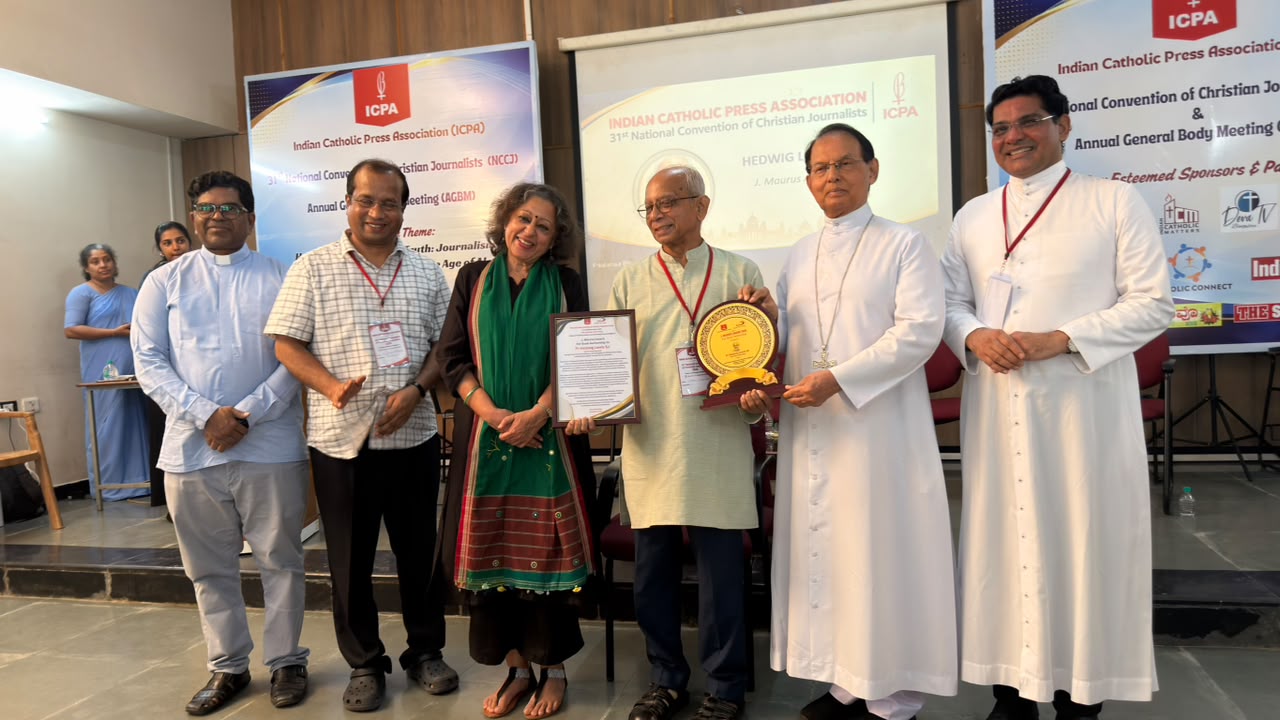 ICPA
ICPA
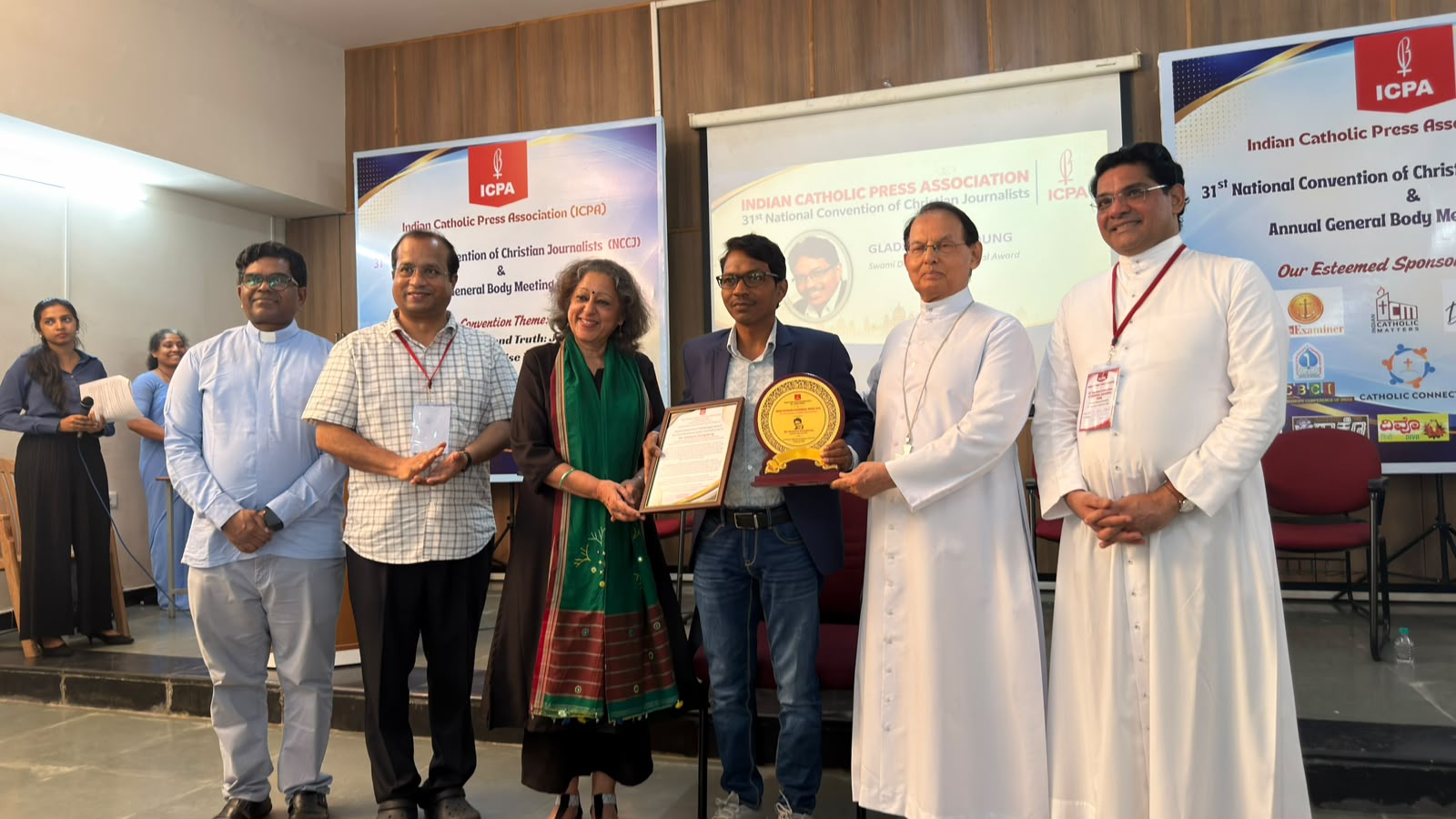 ICPA
ICPA
 ICPA
ICPA
.jpg)
 A. J. Philip
.jpg)
.png) Jacob Peenikaparambil
Jacob Peenikaparambil
.jpg)
.png) John Dayal
John Dayal