

.png) Jacob Peenikaparambil
Jacob Peenikaparambil
"Politics without principles" is one of the seven social sins about which Mahatma Gandhi wrote in his weekly newspaper, Young India, on October 22, 1925. These ideas are originally attributed to Frederic Donaldson, an English Anglican priest. Gandhiji highlighted them to warn society about the dangers of moral decay, selfishness, and greed.
"Politics without principles" refers to the pursuit and retention of power without ethical guidelines or moral values. It signifies a form of politics that becomes a Machiavellian and immoral game, focused on self-interest rather than public service.
Today, it appears that the world is passing through a period marked by moral decay, an intense struggle for power, and the aggressive use of violence. The United States, under the leadership of Donald Trump, captured Nicolás Maduro, the President of Venezuela, and imprisoned him in the United States, which is widely viewed as a blatant violation of international law and a grossly unethical act.
Similarly, the United States and Israel launching massive joint airstrikes against Iran, targeting nuclear and military infrastructure during Omani-mediated peace talks, has been condemned by many countries as naked aggression. The killing of Iranian Supreme Leader Ayatollah Ali Khamenei in a joint US-Israel strike has also been widely criticised by Russia and others as a "cynical violation" of international law, morality, and national sovereignty.
This war is considered illegal because the President of the United States cannot declare war against another country without Congressional authorisation. Such unilateral interventions are also contrary to the principles and provisions of the Charter of the United Nations.
Many observers have criticised the conflict as a "power play" rather than a genuine attempt to resolve regional insecurity. Some analysts argue that it is intended to maintain Western hegemony in the region rather than address specific, tangible threats. Although there have been calls for regime change in Iran, analysts question whether such an objective can be achieved through airstrikes alone or whether it will simply create a power vacuum or lead to a more radicalised regime.
Some analysts and opinion polls also suggest that President Trump's actions are being perceived as a high-stakes political move aimed at strengthening his domestic popularity and influencing the upcoming midterm elections in the United States. However, this strategy carries significant risks. Public support for the war appears limited, and it may provoke a backlash that could negatively affect Republican performance in future elections.
In The Indian Express, Pratap Bhanu Mehta described the ongoing Middle East conflict as an "aimless war" that functions more as a "spectacle" than as a pursuit of concrete, achievable political goals. Mehta criticises this conflict, along with several other global conflicts, as a nihilistic display of power that prioritises the continuation of violence over rational, sustainable political solutions.
It appears that the United States has failed to learn lessons from its past experiences. American-led regime change efforts in Iraq, Syria, and Afghanistan have often resulted in greater instability and the rise of extremist groups. Such interventions frequently dismantled existing state structures, creating power vacuums that militant and fundamentalist groups later exploited.
The present conflict could have disastrous consequences for many countries, including India. The Iranian health ministry reported that at least 1,255 people were killed and over 12,000 were wounded. The conflict has also triggered a sharp surge in global energy prices, with oil prices rising by about 15 per cent and gas prices by as much as 70 per cent.
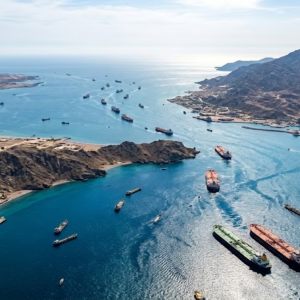
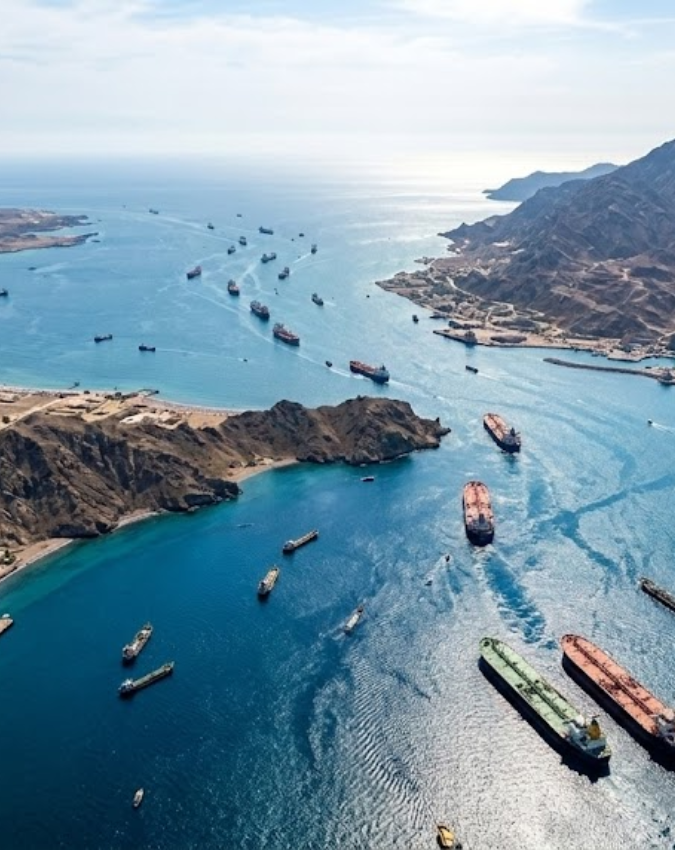
Nearly 50 per cent of India's crude oil imports and about 60 per cent of its liquefied natural gas (LNG) imports pass through the Strait of Hormuz. The Strait of Hormuz closure by Iran has disrupted 20% of the world's oil supply, causing global oil prices to spike above $100 per barrel. India has already started experiencing a shortage of cooking gas, with supply reduced by 30 per cent according to media reports.
The 2026 US-Iran conflict also poses severe risks to the nearly 9 million to 10 million Indian expatriates living in the Gulf region. Their safety, employment, and the steady flow of remittances to India could be seriously affected. The escalating conflict, including airstrikes and airspace closures, has already stranded travellers, forced flight cancellations, and created widespread anxiety among families. Since the Gulf region accounts for nearly 38–40 per cent of India's total remittances, a large-scale return of expatriates or an economic slowdown in the region could significantly affect the livelihoods of lakhs of Indian families who depend on this income.
History bears witness to the fact that politics without principles has repeatedly led to disastrous consequences, including societal collapse, violent conflicts, and systemic corruption. In the Indian context, the British colonial administration often prioritised political control over ethical governance. It deliberately encouraged religious communalism to prevent united resistance against colonial rule, which eventually contributed to the tragic Partition of India. The communal violence associated with Partition resulted in the displacement of an estimated 10 to 20 million people and caused between two lakh and two million deaths.
The complicity of state mechanisms in the 2002 Gujarat riots is also cited as an example of the failure to uphold secular principles and protect citizens equally, resulting in significant loss of life and property. Various reports, including those of the Concerned Citizens Tribunal and several human rights organisations, estimate the death toll to be around or above 2,000, with between 1,50,000 and 2,00,000 people displaced.
Many critics, especially opposition leaders in India, argue that since 2014, the country has been undergoing a major political transformation characterised by the dominance of "politics without principles." Although India was not immune to political manipulation—such as horse-trading and electoral malpractices—even before 2014, critics claim that the scale and intensity of such practices have increased significantly since the BJP came to power at the Centre under the leadership of Prime Minister Narendra Modi.
The toppling of elected state governments—what opposition parties often describe as "Operation Lotus"—occurred in several states, including Arunachal Pradesh in 2016, Karnataka in 2019, Madhya Pradesh in 2020, and Maharashtra in 2022.
Politics without principles is also reflected in electoral manipulations. A level playing field for all political parties is essential for free and fair elections, which form the foundation of democracy. The Electoral Bond Scheme, which the Supreme Court of India declared unconstitutional, is cited as an example of such manipulation. According to audit reports up to March 2023, the BJP received ?6,566.11 crore through electoral bonds, accounting for nearly 55 per cent of the total funds received by all political parties during that period.
The ongoing Special Intensive Revision of electoral rolls has also been criticised by opposition parties as a strategy that could potentially delete the names of voters who may not support the ruling party, particularly members of minority communities.
The misuse of investigative agencies against opposition leaders and government critics, alleged pressure on the judiciary, and the polarisation of the majority community along religious lines are also frequently cited as examples of "politics without principles."
The recent controversy surrounding opposition parties' move to bring a no-confidence motion against Lok Sabha Speaker Om Birla is also seen by some as a consequence of such political practices. The allegations against the Speaker include restricting opposition voices in Parliament, showing bias toward the treasury benches, ordering arbitrary suspensions, enabling media censorship, making unwarranted accusations against opposition members, and failing to appoint a Deputy Speaker for nearly seven years.
Due to the perceived erosion of democratic institutions, several international monitoring agencies have classified Indian democracy as "flawed" or "partly free." Freedom House downgraded India from "Free" to "Partly Free" in its 2021 and 2024 reports. Similarly, the V-Dem Institute described India in its 2024 report as one of the "worst autocratisers" and categorised it as an "electoral autocracy."
The world today urgently needs politics guided by principles—politics that uses ethical means, remains accountable to the people by acknowledging mistakes, prioritises the long-term well-being of citizens over short-term electoral gains, and remains firmly rooted in the core values of the Indian Constitution: Justice, Liberty, Equality, and Fraternity.
Since political leaders emerge from society itself, principled politics can flourish only when citizens lead value-based lives and pass on human and ethical values to the next generation. Education must play a central role in imparting these values, including the constitutional ideals that underpin India's democracy.
What is urgently needed today is a broad campaign led by civil society organisations and people's movements to cleanse politics of corruption, communalism, racism, and casteism.
.jpg)
.png) Cedric Prakash
Cedric Prakash
 ICPA
ICPA
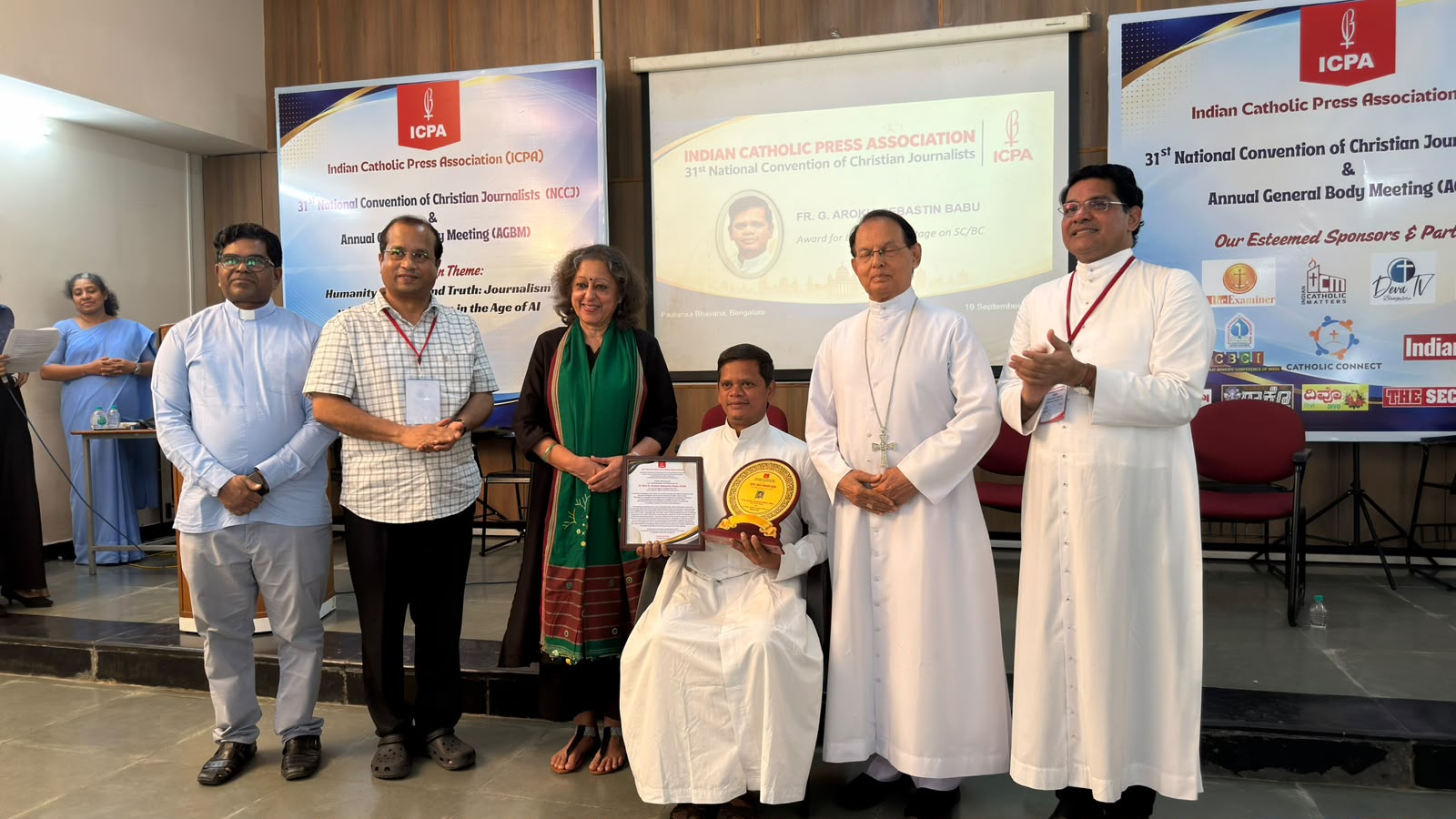 ICPA
ICPA
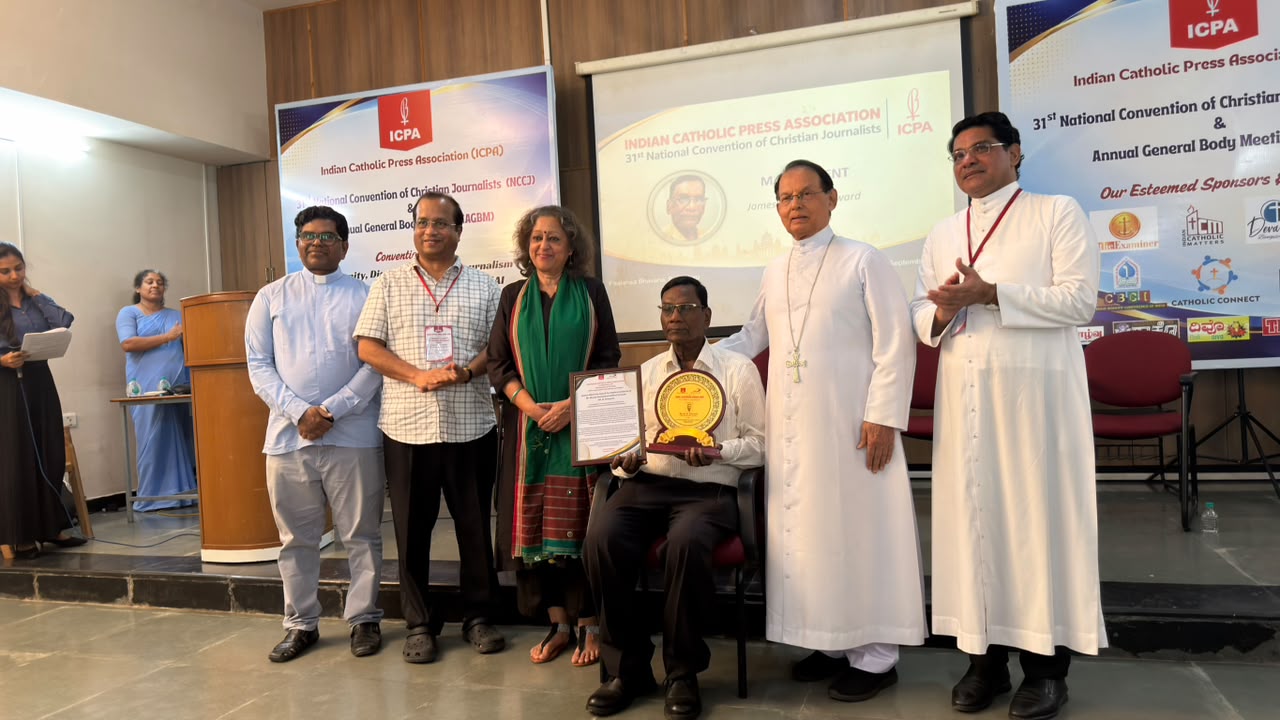 ICPA
ICPA
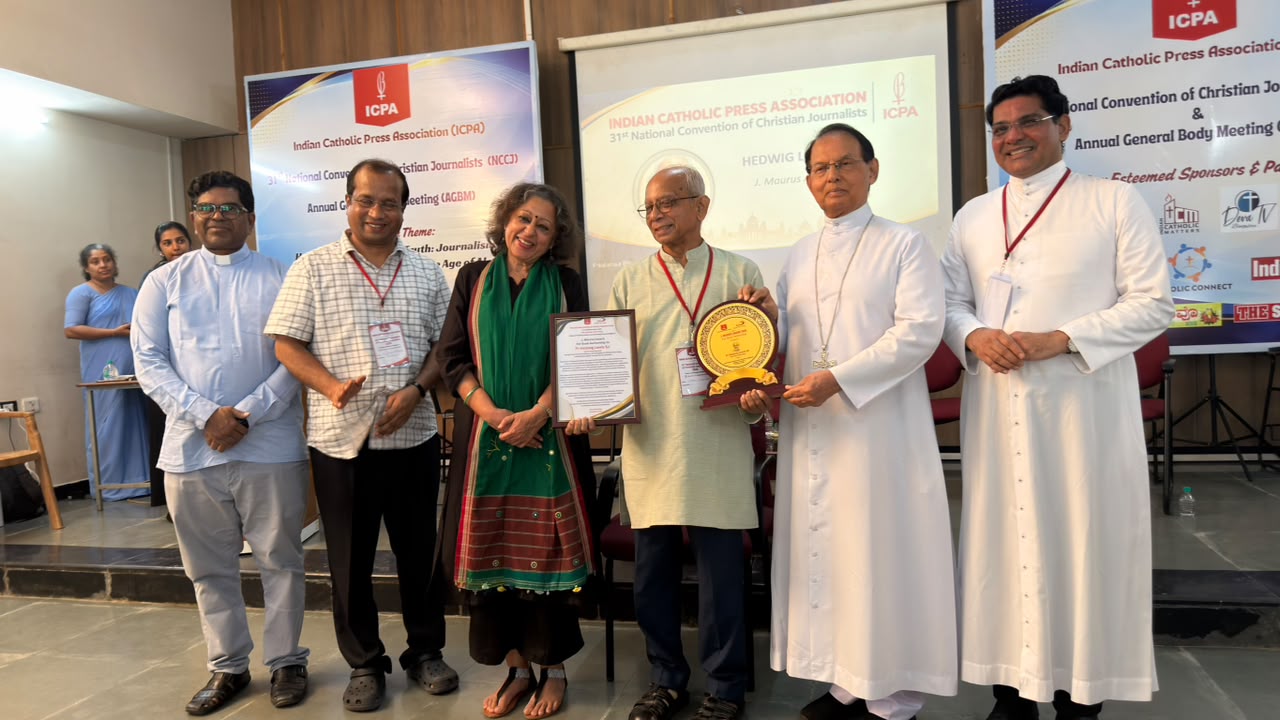 ICPA
ICPA
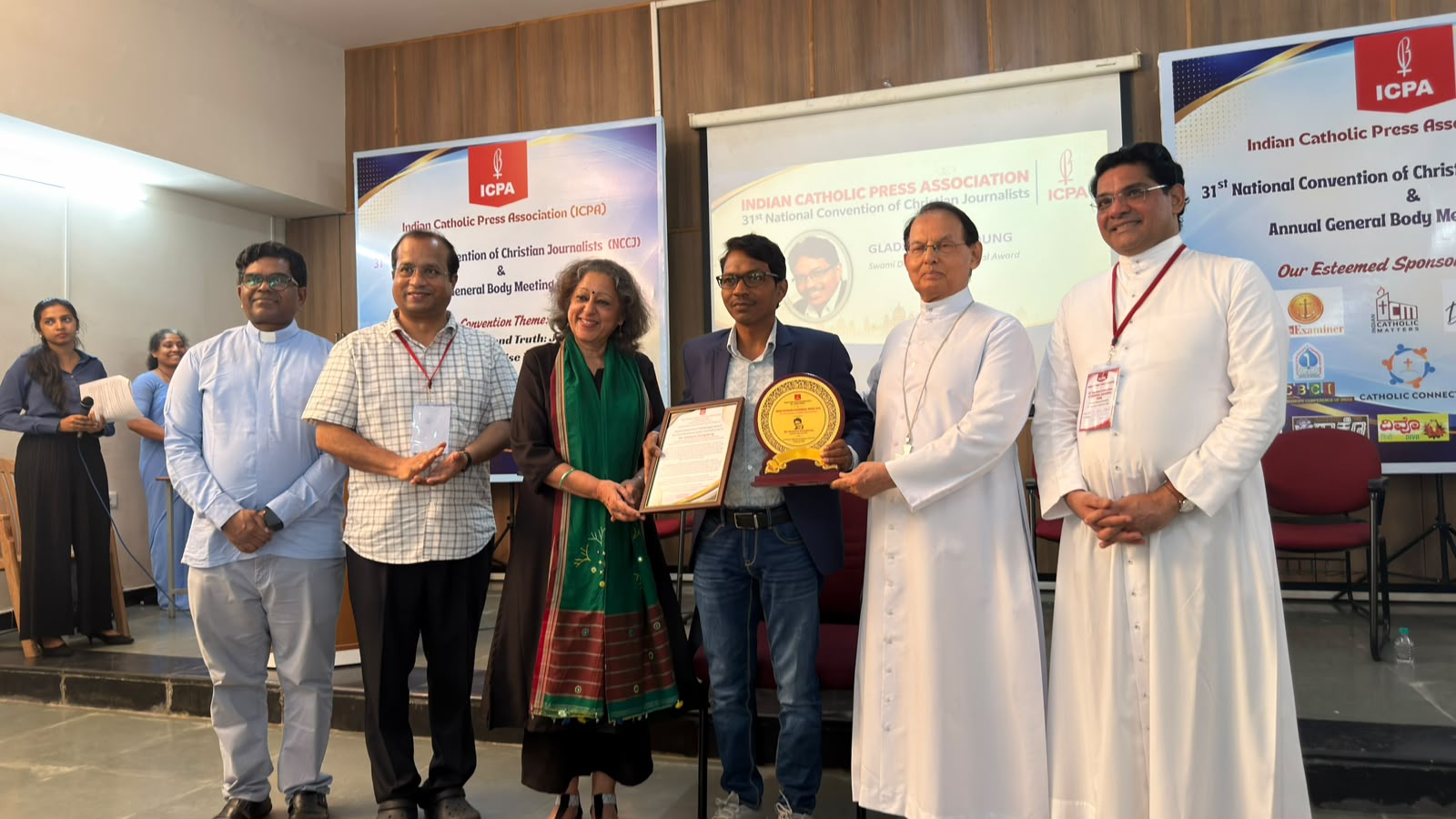 ICPA
ICPA
 ICPA
ICPA
.jpg)
 A. J. Philip
.jpg) Jacob Peenikaparambil
Jacob Peenikaparambil
.jpg)
.png) John Dayal
John Dayal