

.png) John Dayal
John Dayal
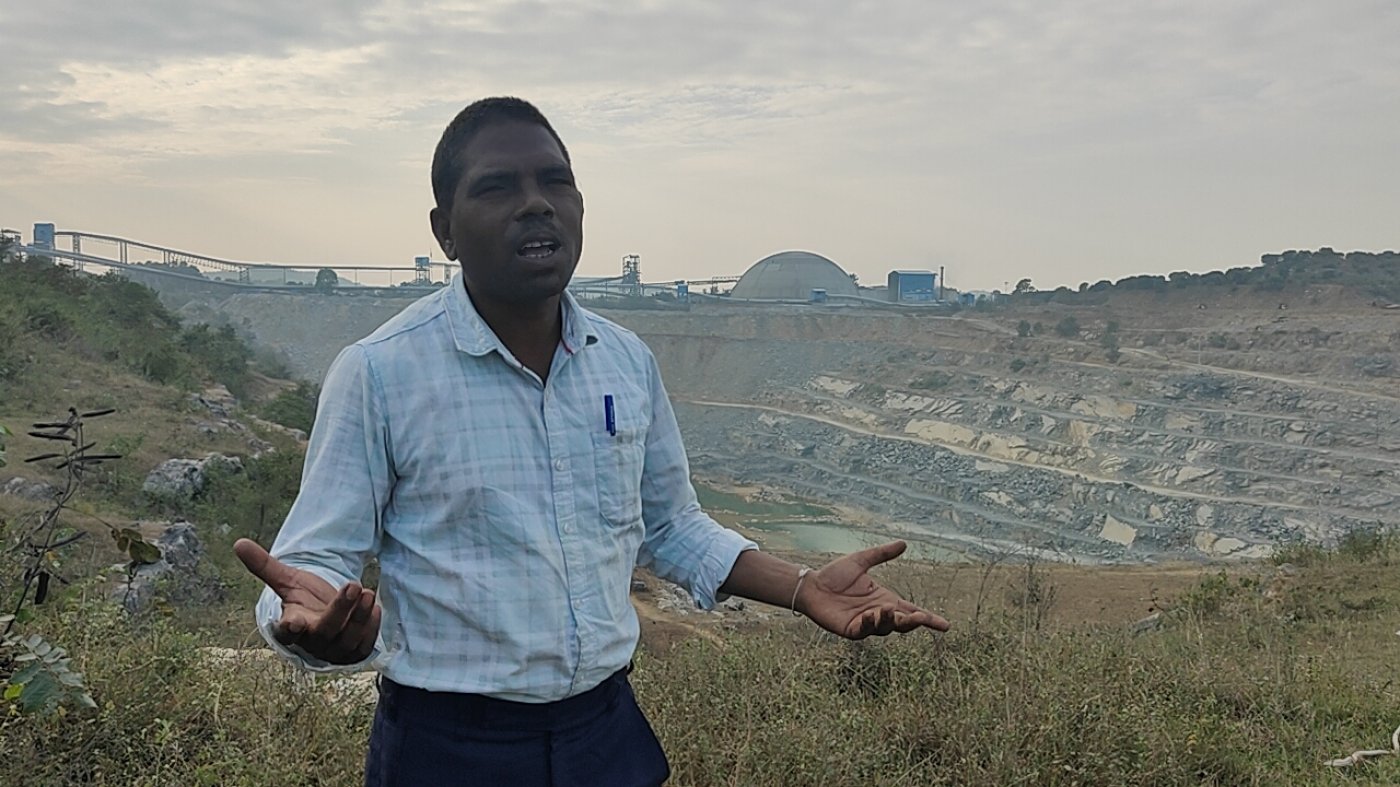
Villagers from Lanjiberna in Odisha's Sundargarh district are waging a last-ditch struggle in the Supreme Court of India to stop corporate sabotage of Scheduled Area laws and tribal rights over their ancestral lands, which are not only their livelihoods and homes but also home to sacred groves and a church.
Over 450 households across 263 acres face displacement risks, as mine blasting pollutes the air and water and causes respiratory issues. Patta lands in the villages of Kukuda, Alanda, Kesramal, Jhagarpur and Kathang support pulse farming, central to the livelihoods of Oraon, Kisan, and Kharia tribals — many of them Christian converts reliant on agriculture and forest produce.
Women bear added burdens, children miss school during unrest, and sacred sites for tribal ceremonies are threatened. Job promises from the 1980s leases remain unfulfilled. Cultural ties to the land are emphasised by church leaders like Divine Word Father Nicholas Barla, who note the erosion of identity.
Villagers Bibol Toppo and Binay Bhushan Barla were in the national capital to explain their petition to stop Dalmia Cement Bharat Limited's (DCBL) encroachment on their 'patta' lands, which was in violation of laws protecting tribal rights in Fifth Schedule areas. The Christian tribals from Oraon, Kisan, and Kharia communities accuse the company and district authorities of bypassing Gram Sabha consents.
The dispute traces back to a 1946 mining lease granted by the Raja of Gangpur state to Birsa Stone Lime Company for limestone and dolomite in Lanjiberna, effective from October 1946 to 1976. After India's independence and Gangpur's merger into Odisha in 1948, the lease continued under national laws, such as the Mines and Minerals (Development and Regulation) Act (MMDR Act).
OCL (Orissa Cement Limited), now part of DCBL, took a sublease in 1951, with state approval, to supply cement for the Hirakud Dam, then under construction on the Mahanadi River near Sambalpur. Renewals followed: in 1974 for 1970-1990, then a direct lease to OCL from 1990-2010 executed in 1997, and further extensions to 2016. These deferred surface rights consents from landowners allow mining to proceed without full tribal approvals.
In scheduled areas like Sundargarh, where scheduled tribes form over 68% of the population, such leases required alignment with provisions of later laws such as the Panchayat Extension to Scheduled Areas [PESA] 1996, but extensions exploited gaps between subsurface and surface rights. The 2015 MMDR amendment extended non-coal leases to 50 years, yet did not retroactively enforce tribal consents.
On December 17, 2025, police assisted DCBL in taking forcible possession of about 36 acres of patta land in Kukuda and nearby panchayats, destroying pulse crops on tribal farmlands in a pre-dawn operation. There were immediate protests, which the police and muscle men sought to crush.
By early 2026, demonstrations escalated, with clashes in February when DCBL resumed operations, resulting in police detentions of 14 protesters. The Forum for Gram Sabha Committee (FGSC), led by figures like Bibol Toppo and Binay Bhusan Barla, organised rallies, including a blockade and marches to the collector's office.
Protests highlighted not only the lack of compensation for some landowners but also the alleged use of forged documents in social impact assessments. In November 2025, thousands marched against forcible acquisition without Gram Sabha approval.
The petition argues breaches of PESA, which requires Gram Sabha consent for land transfers and mining in Fifth Schedule areas. Five panchayats—Kukuda, Alanda, Kesramal, Jhagarpur, and Khatang—rejected DCBL's proposals on January 26, 2020.
The Right to Fair Compensation and Transparency in Land Acquisition, Rehabilitation and Resettlement Act (LARR Act) 2013 mandates 80% affected-family consent and a social impact assessment (SIA), neither of which, villagers claim, was properly obtained. RTI responses and probes revealed missing consents and forged signatures in public hearing reports from 2020-2021.
A CAG audit flagged 136 cases in Odisha, including Lanjiberna, where authorities bypassed PESA and LARR for private projects like DCBL's. The Forest Rights Act 2006 also requires Gram Sabha approval for forest land diversions, which are often ignored here.
The Odisha High Court dismissed a villagers' writ in September 2024, ruling that most petitioners were not recorded tenants and that SIA showed limited opposition, but a Supreme Court matter remains pending. Precedents like the Niyamgiri case affirm Gram Sabha authority.
Ecological damage, including forest loss and biodiversity decline, increases tribal vulnerability. Some villagers accepted payouts under pressure, dividing communities.
DCBL maintains that its operations are legal, citing historical leases and state approvals for national projects such as the Hirakud Dam. The company plans to expand by 717-997 acres to boost limestone supply.
District authorities defend their actions as compliant with the public purpose under LARR, despite protests, and have deployed police to enforce possession in line with October 2025 orders. Odisha promotes mining revenue, with Sundargarh a key mineral area.
FGSC, formed in 2017, led a 100-km Lok Adhikar Yatra in 2022 that drew thousands of participants. Protests continued into 2026, with memoranda to the Chief Minister, Governor, and President—though the latter yielded no response.
Similar disputes occur across Odisha and neighbouring states, where PESA gaps enable acquisitions. Mining drives economic growth but widens inequality, marginalising tribals.
Christian tribals face added scrutiny, though the Odisha Land Reforms Act restricts non-tribal transfers without approval. National trends post-1991 liberalisation favour industry, weakening grassroots devolution.
The FGSC-backed petition urges halting DCBL's actions, quashing acquisitions, restoring lands, and probing forgeries. It seeks enforcement of PESA, LARR, and FRA in scheduled areas.
.jpg)
.png) Cedric Prakash
Cedric Prakash
 ICPA
ICPA
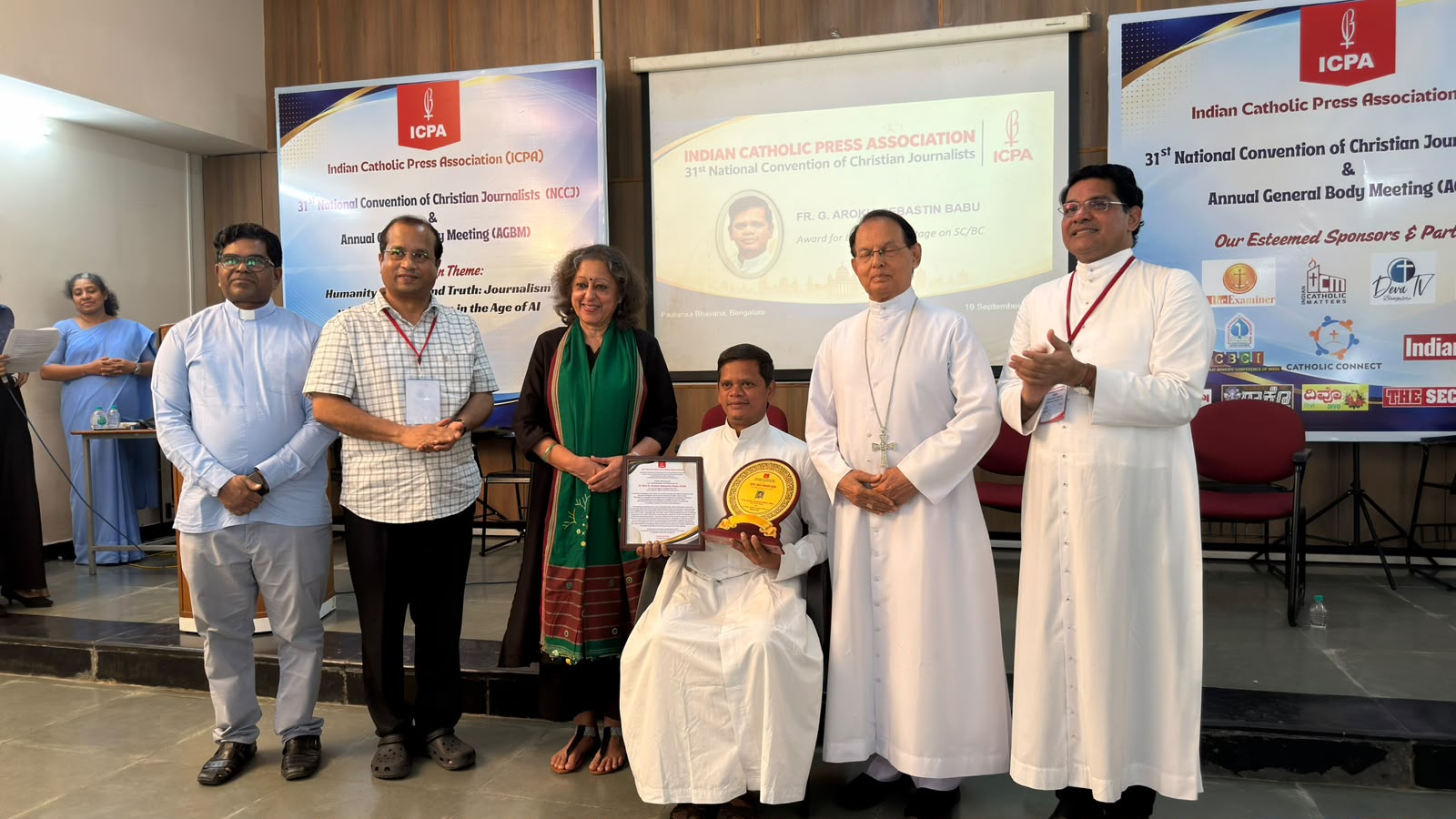 ICPA
ICPA
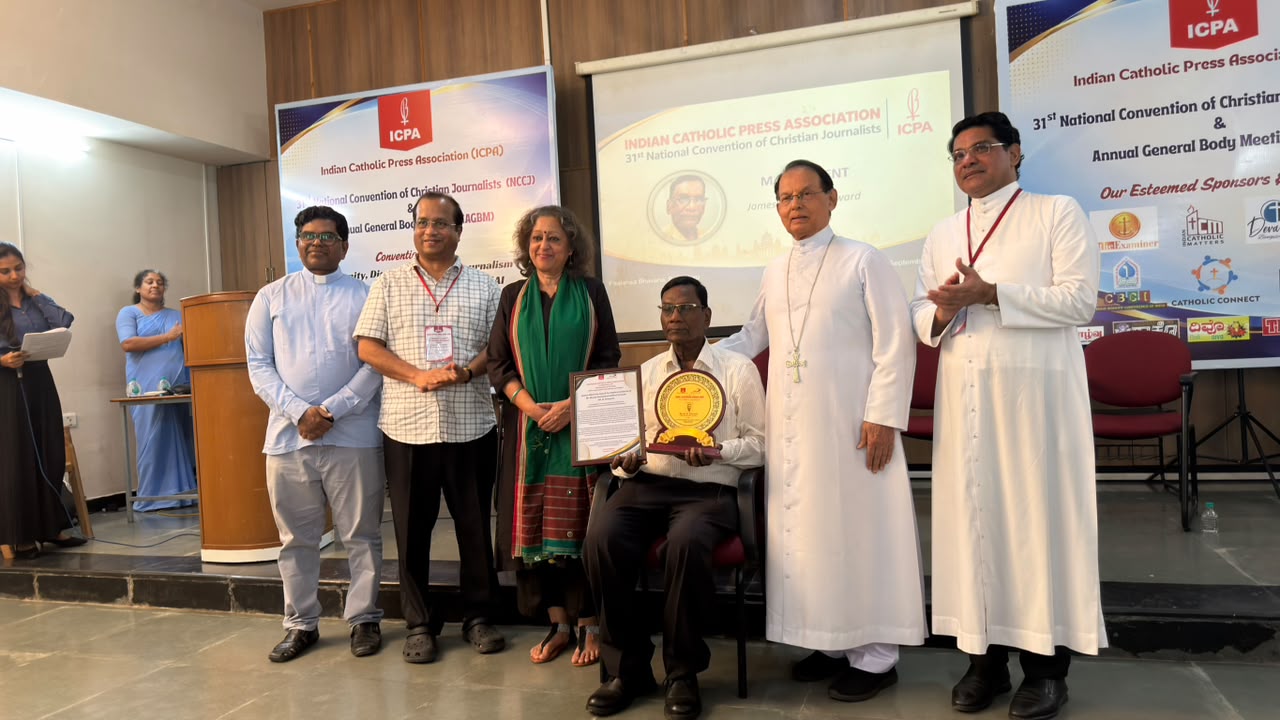 ICPA
ICPA
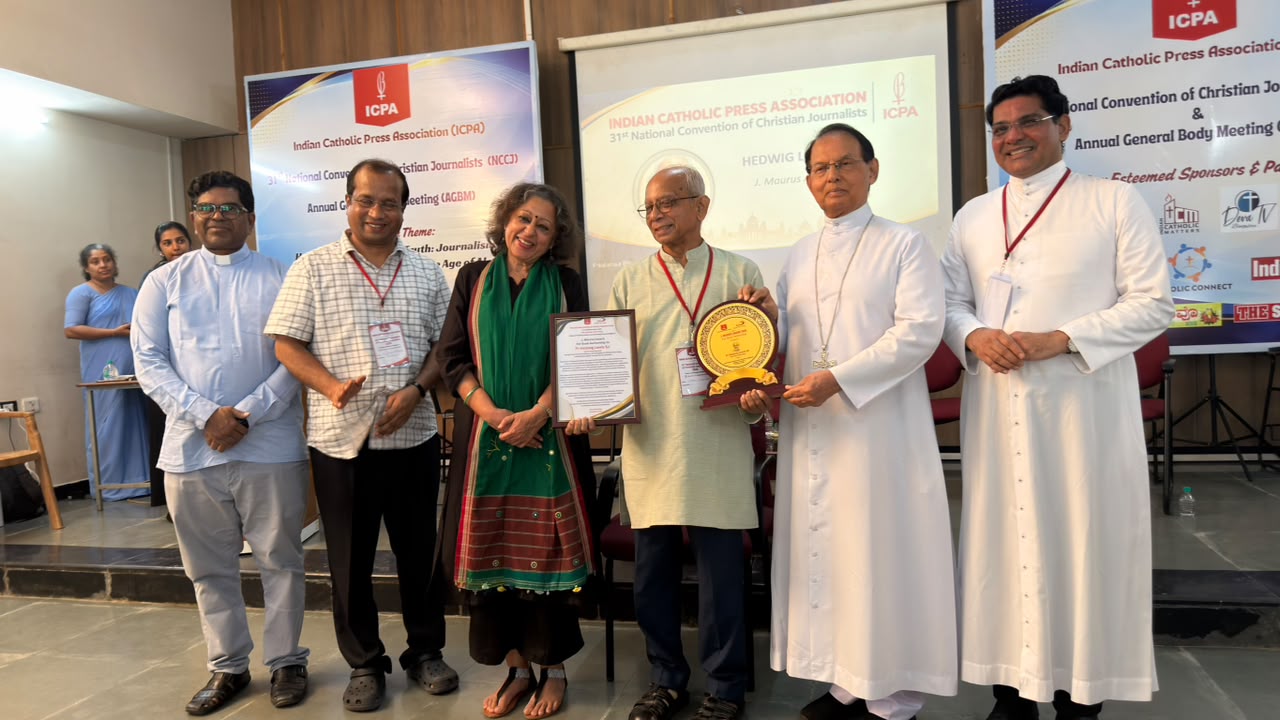 ICPA
ICPA
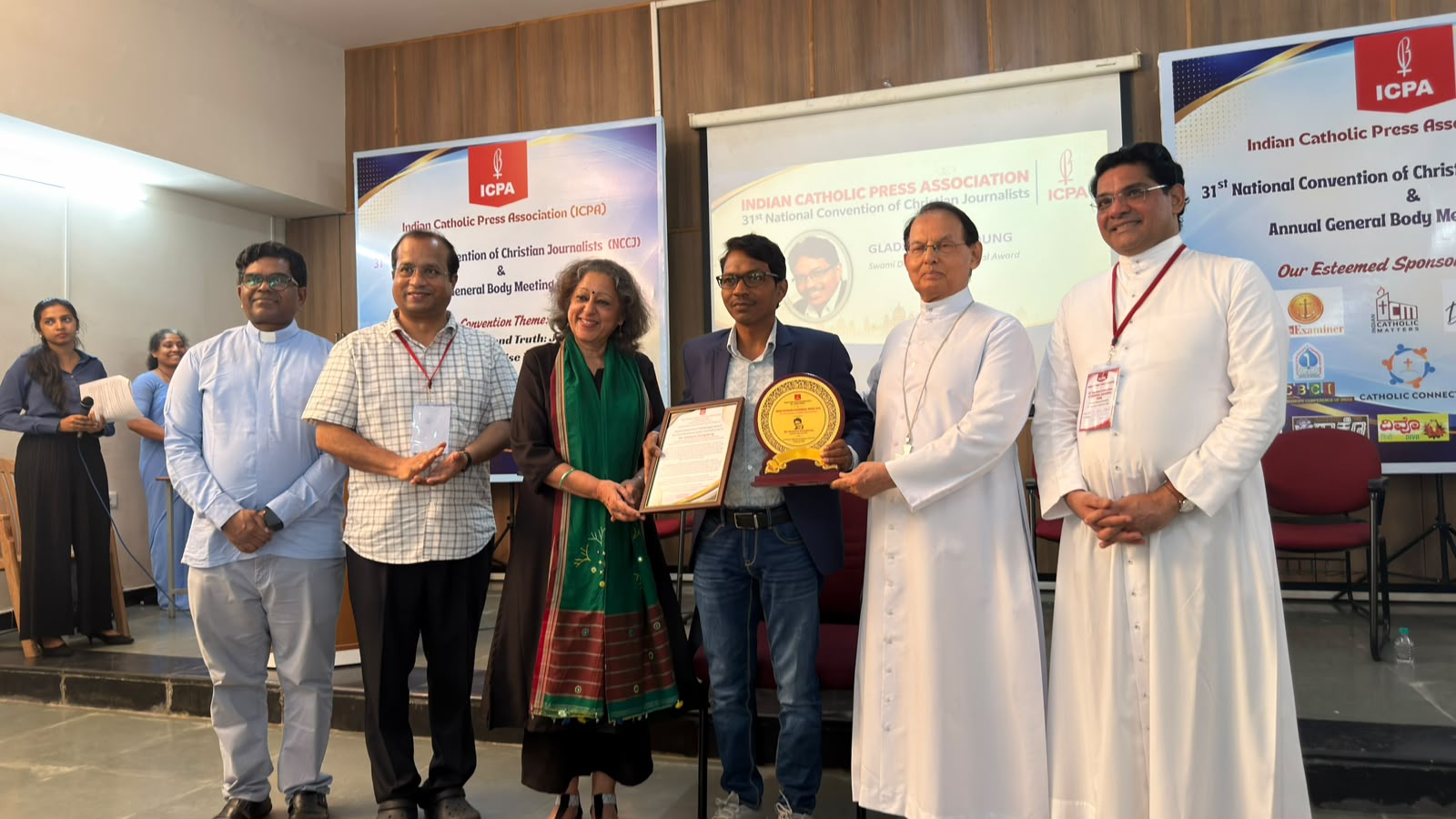 ICPA
ICPA
 ICPA
ICPA
.jpg)
 A. J. Philip
.jpg)
.png) Jacob Peenikaparambil
Jacob Peenikaparambil
.jpg) John Dayal
John Dayal