

.jpg) Patrick Crasta
Patrick Crasta
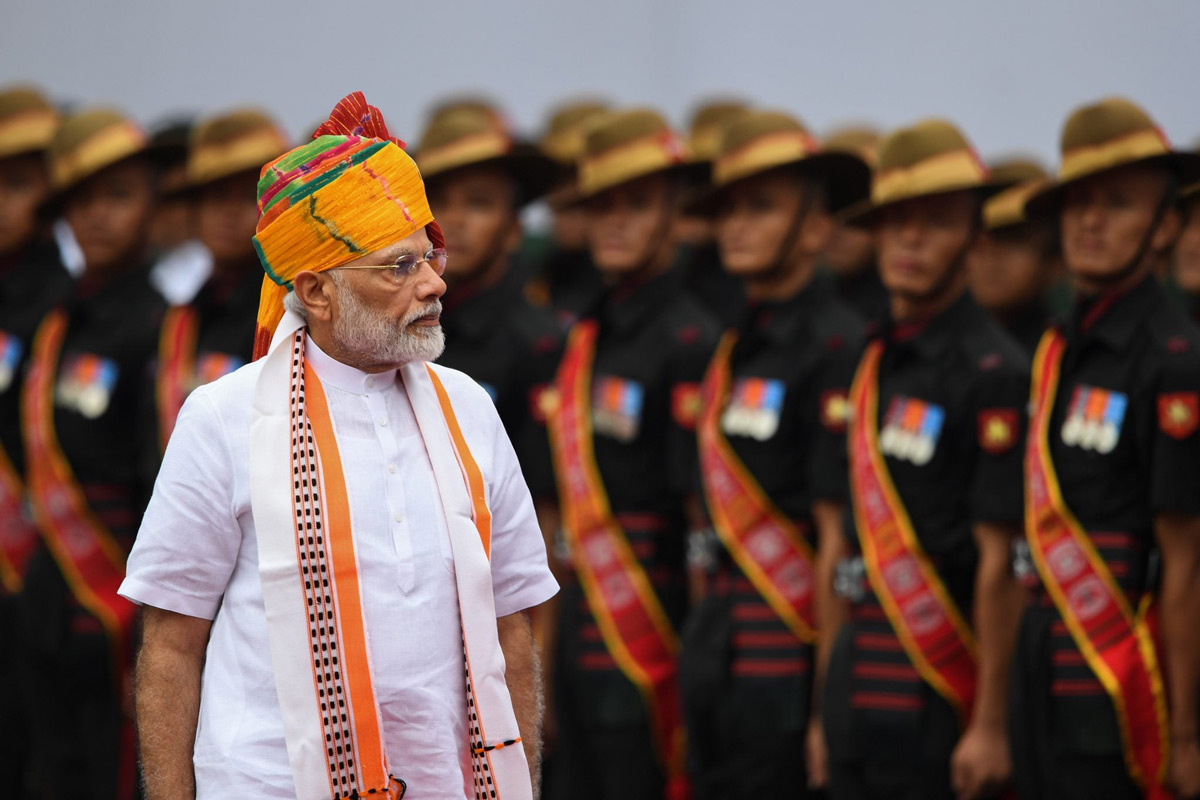
Nationalism is as good or as bad as it is made. Indians fought for freedom from the British when their national sentiment was roused by the political leaders of the movement.
But then, how was a vast country like India subjugated by the shiploads of British who came from across the seas? That was because Indians lacked the national sentiment, they owed allegiance to several princely states into which the country was divided and did not feel the need to defend the nation as a whole. It shows that lack of nationalism caused loss of our freedom. And the spirit of nationalism, fostered by the Indian National Congress led by Gandhiji and other freedom fighters, caused the regaining of that freedom. So, nationalism is a good and vital sentiment to keep the country united and free.
When does nationalism go bad? When a nation develops intolerance, it becomes dictatorial. All dictators and their oligarchies make use of nationalism. Hitler made use of nationalism, the love of his people to Germany to make them believe that they were of the superior Aryan race destined to rule over the world. He liquidated people of other races such as the Jews and the blacks. Through a network of spies (Gestapo) he got killed thousands, especially Jews by gassing them in concentration camps as he did not want to waste bullets on them. Allowing Hitler to grow cost the world heavily, a world war in which millions died and several more suffered, before the Hitlerite menace was defeated and eradicated.
Most of the countries in the world have governments formed through the democratic process of election in which all adult citizens have a right to vote. The governments elected were supposed to rule according to the wishes of the people. But the leaders of political parties who come to power may not stick to the ethics of democracy and the promises they made to the people. They may have exigencies to favour their financiers and live with the fear complex that they may lose their majority to rule by the actions of the opposition.
Prime Minister Indira Gandhi acted as a dictator and declared Emergency out of fear of losing power. An individual's panic caused the nation dear. The Opposition was brutally suppressed. Thousands were imprisoned, Censorship was enforced and the media and literary persons were compelled to write what the government wanted or not to write at all. Of course, another election enabled people to throw out the dictatorial regime.
India has Constitution written by eminent Dalit leader B.R. Ambedkar and other secular leaders of the freedom movement. It envisaged India as a nation where citizens have the fundamental rights, prominent of which is "Prohibition of discrimination on grounds of religion, race, caste, sex or place of birth." In short, it was secular and that adjective was officially added to the Preamble later.
Why was it necessary to assure freedom of religion and the concept of secularism in the Constitution? A look back in history would help us to know. In 1947, British India was divided into India and Pakistan. Pakistan was to be the land of Muslims, but India was to be the homeland of all people who didn't opt for Pakistan – Hindus, Muslims and all others who believed in any religion or non-believers.
Pakistani founders believed that religion is the basis of a nation, which was disproved when its East wing got severed and renamed it as Bangladesh. Bengalis thought language and culture was a stronger cohesive force than religion. While Pakistan languished as a regressive religious state, India progressed under secular democracy.
However, a trend to imitate Pakistan is coming to the fore in India now-a-days. If Pakistan is an Islamic state, why not make India a Hindu Rashtra? If Pakistani Muslim terrorists make India their target, why not look at Indian Muslims with suspicion? Their men entice Hindu women as a part of love jehad, they marry more women and have more children and their population is increasing so that Hindus would become a minority in Hindustan!
When this fear complex is instilled among Hindus, they would always vote for a Hindutva party. And Hindus being the majority, the government will be theirs forever.
However, those who fall for this pipe-dream are not a majority in the multi-cultural India. But today there seems to be fear in the atmosphere like pollution in the Delhi sky.
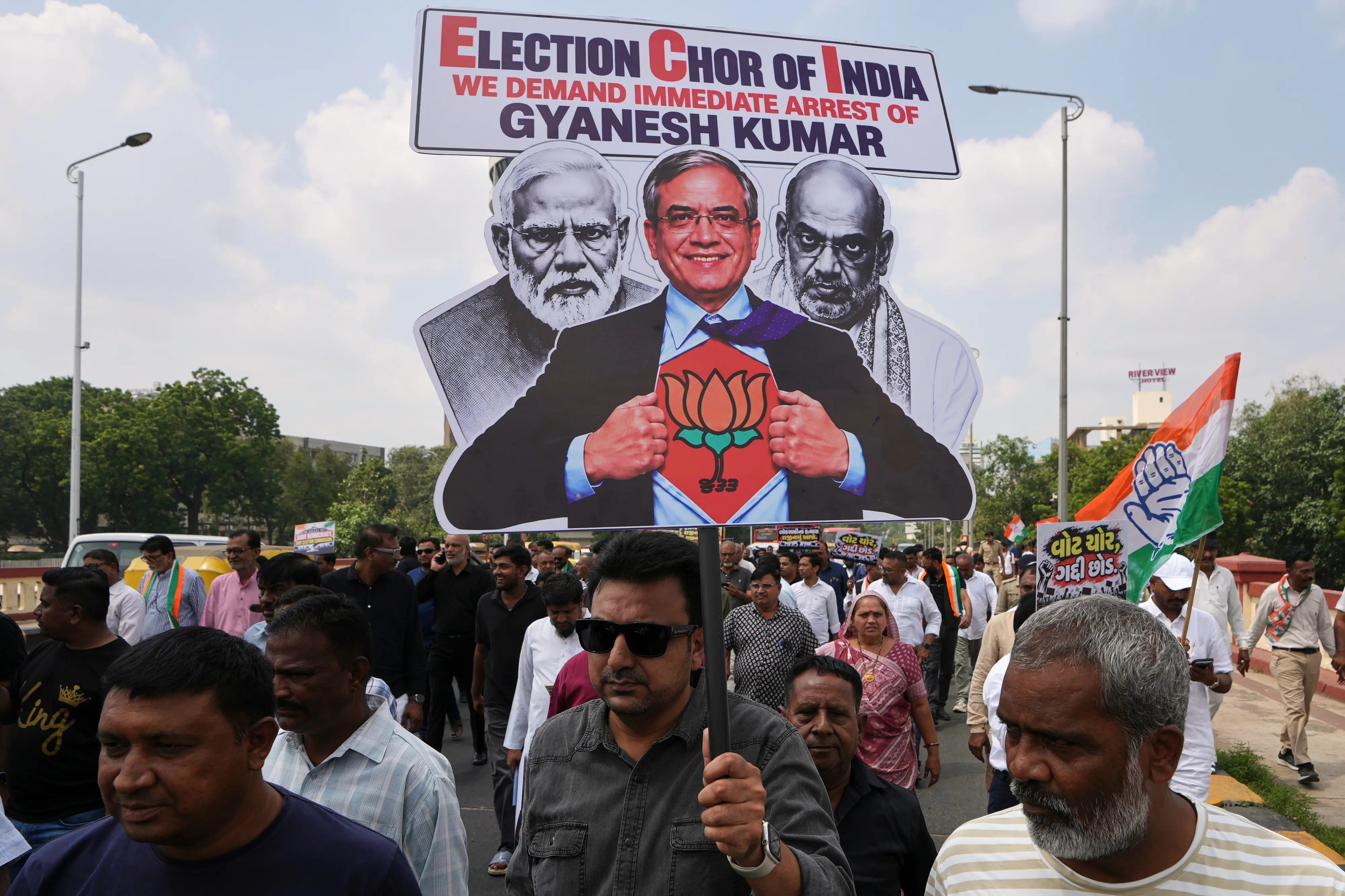
The new trend is to equate the rulers’ wish with nationalism. Those who oppose or even differ with it are stamped anti-national, be they writers, journalists, students, farmers or workers.
To sum up, India faces a challenge, rather danger, from this new trend of nationalism. Eternal vigilance is the price of freedom.
.png) Cedric Prakash
Cedric Prakash
.JPG)
 A. J. Philip

.png) Jacob Peenikaparambil
Jacob Peenikaparambil
.jpg)
.png) John Dayal
John Dayal
.jpg)
 Pachu Menon
.png)
.png)
.png) Robert Clements
Robert Clements