


 P. A. Chacko

Scene One: Nathuram Godse, My idol. Scene two: There lies Mahatma Gandhi vandalised and with broken limbs. Hey, Ram! The first scene is Gujarat, the birth place of Mahatma Gandhi, the Father of the nation, who was brutally murdered by Nathuram Godse.
Today school children are coached into eulogising and worshipping Gandhiji’s murderer. The second scene is Bihar where Gandhiji launched his first Satyagraha.
India is going through a very crucial stage, not just a rough patch. It is fast growing into a nation where politicization of religion and criminalisation of politics are on the ascendant. Suffused with a political agenda, priests and pundits are on a warpath, calling for violence and elimination of their ‘enemies’. Anyone who does not see eye to eye with their nationalist ideology is an enemy deserving elimination. Even the army is invited to participate in this killing spree.
Gandhiji was not killed just once. He is being killed repeatedly. Saffron-clad Sadwins are in the forefront to shoot at Gandhiji’s effigy and make it dramatically bleed. What a visceral vengeance! The prize you give to the man who led our freedom movement!
The noble ideals of a Ram Rajya, where peace, non-violence and humane fellowship are to exist, are scattered to the four winds. Violence is in. Non-violence out! Those who advocate democratic practices are singled out and marginalised. Even as the Teflon coating on the national leadership is beginning to wear off, it keeps a studied silence as if to encourage violence and vandalism.
Religious reactionaries
It is no secret that India is fast becoming a hotspot for reactionaries of different religions spewing hate venom against one another. Fundamentalist forces are setting a new benchmark in preaching, practising and propagating hatred and communal passion. Time was when Hindus, Christians, Muslims, Sikhs and Parsees sat together at the table of friendship. That was the time when we had a telescopic view of human fellowship. We never looked at one another with the coloured glass of religious fanaticism.
But, today, it is just the contrary. We are looking through the opposite end of the telescope and seeing men and women of other religions as demonised figures, untouchables and enemies. We want to conveniently forget that we and our elders mingled with people of different religions, visited their festival spots and their families to greet them and sat together for a cup of tea or a meal. We were never provoked by people’s sartorial habits or a religious habit. As school or college going children, we mingled with one another, sat on the same bench in comradeship, participated in dramas or skits without thinking he or she was a Muslim, Hindu, Christian or Sikh.
As a Keralite I enjoyed such bonhomie and atmosphere. Our neighbour, a Hindu vaidya, would drop in for a chit-chat with my father whenever he felt bored at home or when he thought he could use my father as a sounding board for his leftist ideology. So, too, our Muslim neighbours who felt at home with us as ‘all-weather-friends.’ But, today, things are different. The younger generation is getting brainwashed. They look at the dress or headgear and form an opinion. Then they recoil in hatred or disgust.
Social media is taken as gospel truth. Motivated half-truths or falsehoods are dished out by hate industries only to be gobbled by eager hawks as delicious Chinese noodle or mutton kabab. Religious preachers are stoking the fire of communal venom through their agenda-based propaganda. As is evident, many of them are beholden to hardliner political groups, whose calibrated strategy is to fuel the fire of communalism.
We have heard Sadhus and Mahants calling for lynching or killing of Muslims or any one they hate. Islam fundamentalists are not far behind in radicalising their stand and promoting rapid action techniques of Islamisation. And, in the melee, some Christian preachers are throwing their hat in the ring by using Church pulpits to mouth unchristian utterances against Islam and its followers.
Shakespeare said on hate: “In time we hate that which we often fear.” Yes, the fear that the other will have an upper hand over us is propelling us to plot annihilation techniques. It makes us recoil and react. We become reactionaries. We do not want to respond to the situation by looking within us. Some make a hue and cry about their girls getting hoodwinked and spirited away. We don’t ask why we guardians are amiss in our responsibility in bringing up our children in good family way. Instead, we let them indulge in wayward ways of freedom and then, one fine morning, we wake up and cry foul. And our religious gurus and preachers are waiting to get a hot topic for their street theatrical.
Will ranting and raving from pulpits or rostrums bring about a happy solution? Rather, will not such an exercise be provoking people and groups to get more fundamentalised and radicalised? It will encourage a spiral of violence. The provocateurs and agenda-pushers will be untouched in the process. It is the general public that will be drawn into irrational ways of behaviour to suffer the consequences of violence. We have seen this happening in the political arena. The political pundits and leaders, who plot and plan schemes to engage the ordinary riffraff for indulging in mindless violence, remain unseen and untouched. They get away unscarred!
Minority-bashing
As far as minority communities are concerned, instead of shadow boxing by indulging in reactionary tactics, why not set in motion constitutional means as far as possible? Apart from resorting to judicial process, voices of sanity and resentment can be expressed through peaceful demonstrations to make a wave. The Christians on the whole remain pusillanimous and do much of shadow boxing under cover of fear of ‘consequences.’
More than hate speeches and provocations, what is witnessed is a consistent violence against minority religious groups and communities. Religious dress of some particular communities is becoming anathema. Today it is banned in educational institutions. Tomorrow it may be banned in public places. An educational institution is meant for educating students, not to coach them on dress code. The dress code mania is a political beating stick. The ponytail of hair on some men, who belong to some Hindu caste, is part of their religious make up. Will the school or college authorities dare to tell such students to shave it off before attending the classes? If the fundamentalist tendencies are allowed a free play, tomorrow the students may be told not to wear a rosary or a cross or a turban.
Desecration of holy sanctuaries and shrines, destruction of places of worship, and of statues of saints, false litigations etc. are becoming the order of the day as if one particular community has all the licence to do whatever it thinks best. There is the recent case of pulling down Christ’s statue in Karnataka on the claim that the church was built on illegally appropriated land even as the judicial process was on. But, then, no legal measures are in process to question the validity of temples built on government lands. Premises of bus terminals, post offices, government offices, public squares etc. are dotted with temples. No questions are expected to be asked about the legality or illegality of such structures. It is the dictate of the majority community that matters. Theirs is the government. Theirs is the power structure. Theirs are the ruler and the rod.
But, let it be noted that power comes not only from the barrel of the gun or majority might. Those who believe in the democratic process need to get organised democratically. The Achilles’ heel needs to be spotted and tackled democratically so that the nation may live in peace and human harmony.
.jpg)
.png) Cedric Prakash
Cedric Prakash
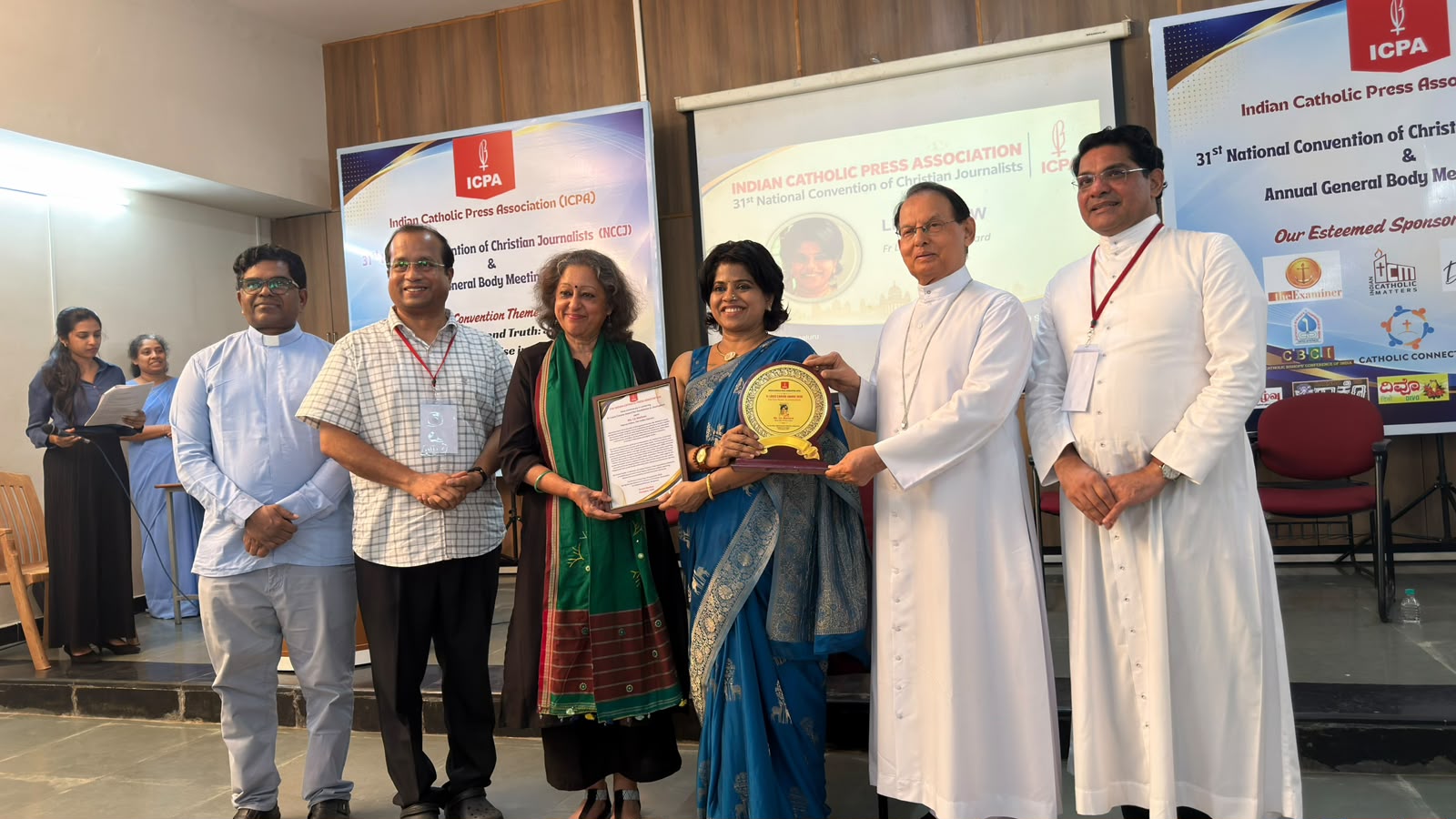
 ICPA
ICPA
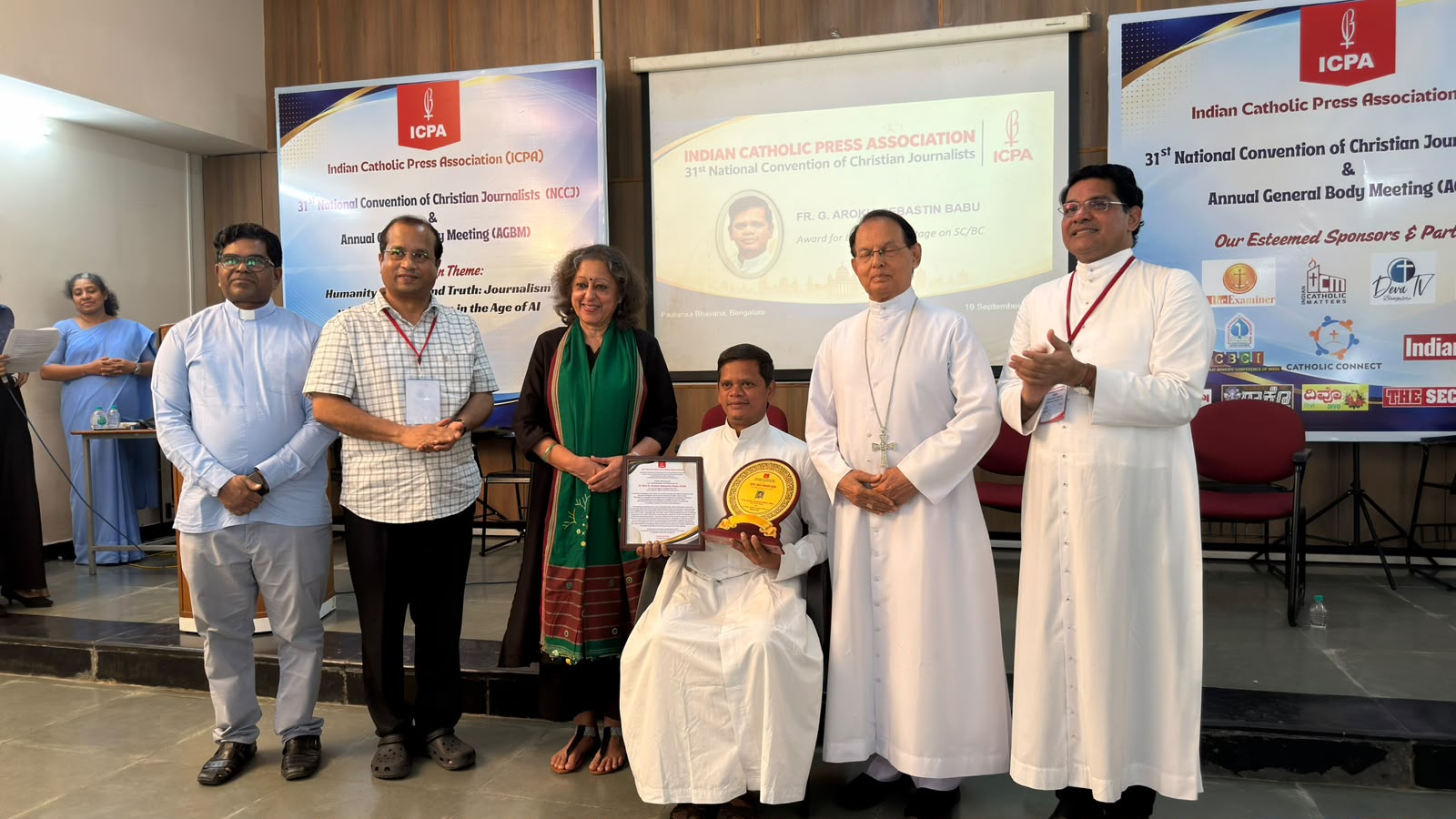 ICPA
ICPA
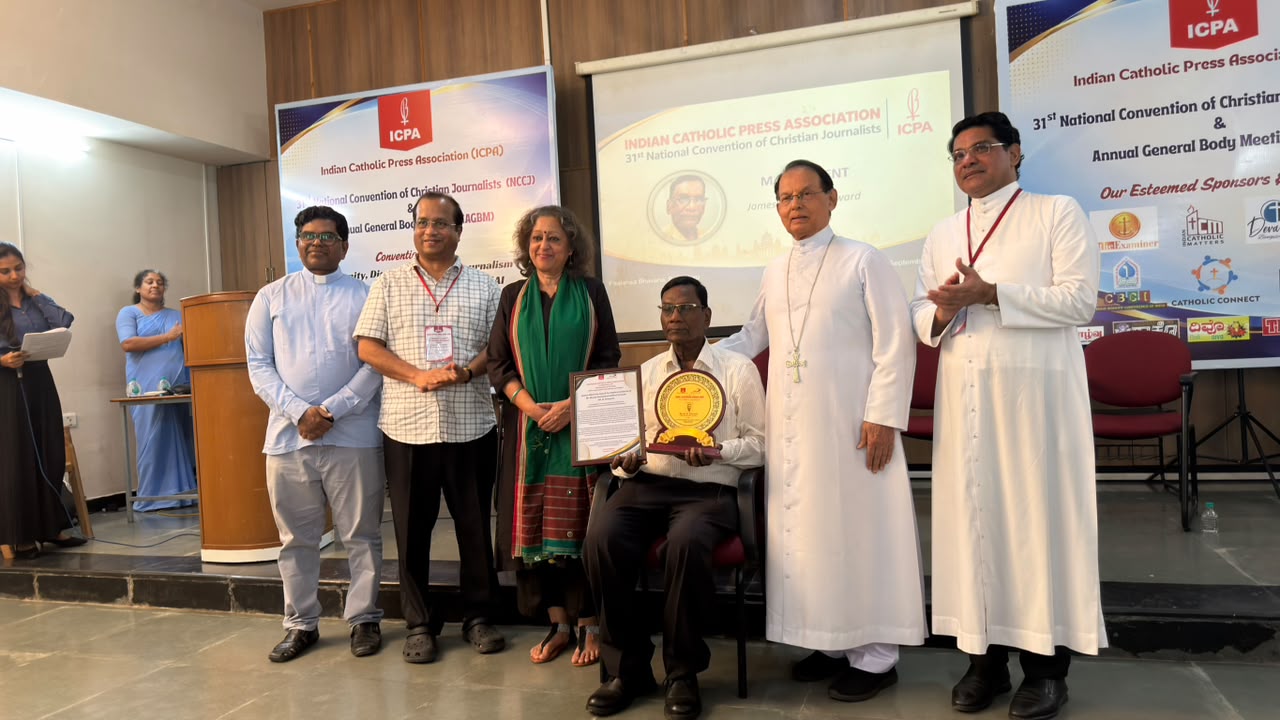 ICPA
ICPA
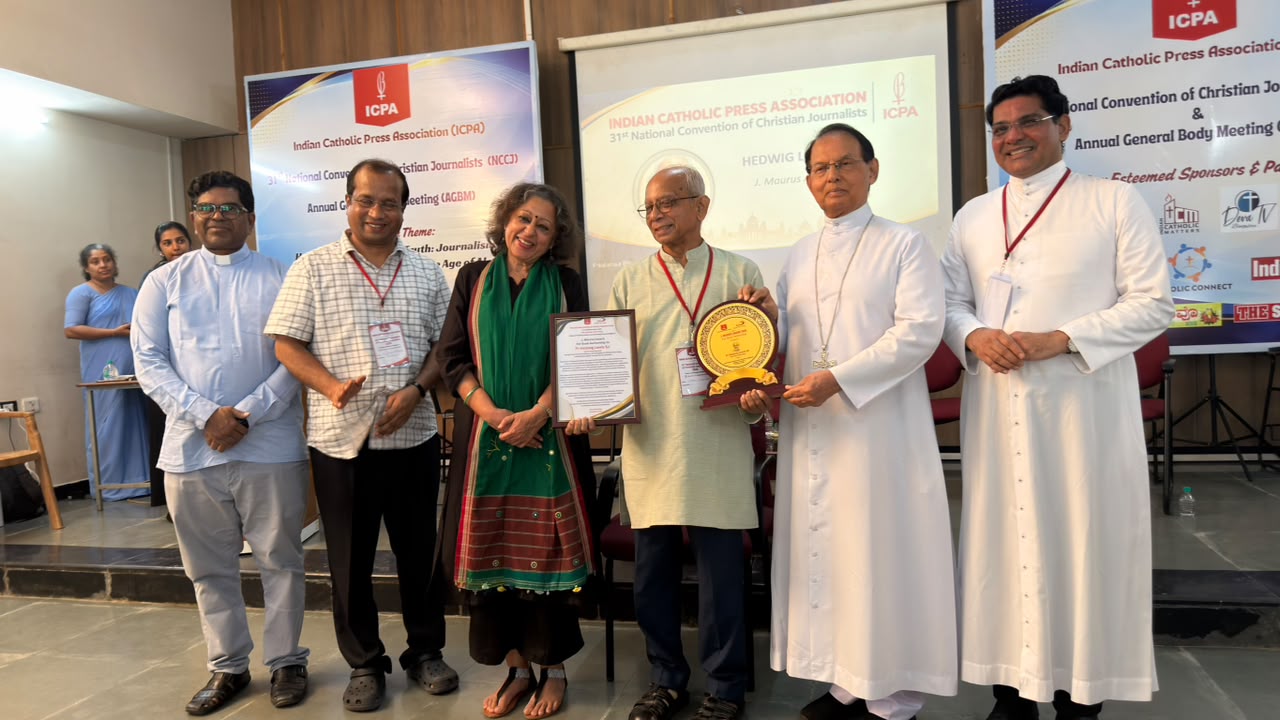 ICPA
ICPA
 ICPA
ICPA
 ICPA
ICPA
.jpg)
 A. J. Philip
.jpg)
.png) Jacob Peenikaparambil
Jacob Peenikaparambil
.jpg)
.png) John Dayal
John Dayal