

.jpg) Jose Vattakuzhy
Jose Vattakuzhy
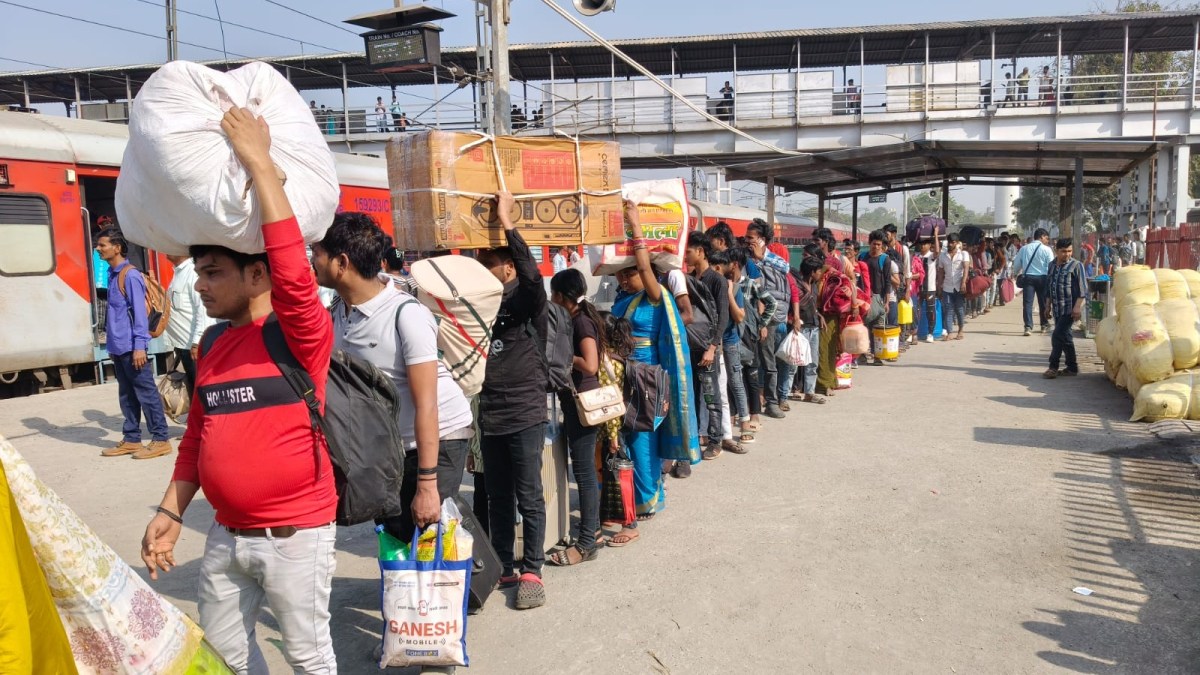
In recent years, Assembly elections in states such as Kerala, Assam, Tamil Nadu, West Bengal, and Pondicherry have coincided with significant labour market disruptions across several parts of India. During these periods, large numbers of migrant workers returned to their home states to cast their votes or due to uncertainties associated with the election season. The temporary outflow of workers was further intensified by seasonal factors, including regional festivals and the start of agricultural activities, which collectively reduced labour availability in destination regions.
The shortage of migrant labour that emerged across several Indian states during 2026 has become a significant economic and social challenge, particularly in sectors such as construction, manufacturing, logistics, agriculture, domestic services, hotels, and hospitality. These developments have exposed the extent to which regional economies depend on interstate migrant workers and have reaffirmed the indispensable role they play in sustaining India's economic growth.
However, the labour shortages observed in multiple states should not be viewed merely as a temporary disruption; rather, they may represent an emerging structural reality that India will increasingly confront in the coming decades.
India's Growing Workforce Shortfall
Agriculture and agro-processing regions that are heavily dependent on migrant labour have been among the worst affected. For instance, agricultural hubs experienced severe shortages, disrupting harvesting, post-harvest processing, and overall productivity. Reduced workforce availability led to delays, crop losses, and declining output in agro-based industries.
One of the most notable examples emerged from Vazhakulam in Kerala, popularly known as the state's "Pineapple City." The region experienced a severe labour shortage, particularly following the departure of migrant workers from Assam and West Bengal, who comprised a substantial share of the agricultural workforce.
The shortage disrupted critical farming operations, including harvesting, weeding, mulching, and post-harvest processing. Reports suggested that nearly three-fourths of routine agricultural activities were affected during this period. Farms that normally employed around 100 workers were often left with fewer than half that number.
Consequently, harvesting schedules were delayed, leading to overripe fruit remaining in the fields and resulting in considerable economic losses for farmers. The decline in labour availability also constrained the production of processed pineapple products, thereby reducing the sector's overall productivity.
A comparable challenge was also observed in Perumbavoor's plywood manufacturing sector. The region's approximately 1,300 plywood units, which together depend on nearly 130,000 migrant workers, reported a substantial workforce deficit. Many workers from Assam and West Bengal who had travelled home during the election period did not return immediately, leaving factories with only about 40 per cent of their usual workforce.
This labour shortage caused production levels to decline by an estimated 60 per cent, prompting some units to suspend operations temporarily. Several factories were also compelled to operate on a single shift, a strategy that industry representatives considered financially unsustainable in the long term.
Beyond Kerala, the textile hubs of Coimbatore and Tiruppur in Tamil Nadu demonstrate the indispensable contribution of migrant labour to India's industrial framework. Often referred to as the "Manchester of South India," these centres faced a pronounced workforce shortage in April 2026, when many migrant workers did not return after visiting their home states for Holi and Ram Navami festivities, as well as for election-related matters.
Industry estimates indicated that more than 300,000 workers across spinning mills, garment factories, and allied textile units remained absent. As a result, the factory and hostels were left partly unoccupied, and routine production processes were significantly disrupted. This shortage exposed the sector's deep reliance on labour from states such as Bihar, Uttar Pradesh, Jharkhand, Assam, and West Bengal.
Manufacturers reported delays in order fulfilment, reduced production efficiency, and increased hiring and retention costs. The situation also echoed the challenges experienced during the COVID-19 pandemic, when the sudden exodus of migrant workers had severely constrained industrial output. Overall, the episode underscored both the fragility of labour-intensive industries and the critical role migrant workers play in sustaining regional economic development.
Within the National Capital Region (NCR), labour shortages emerged as a significant challenge during 2026, particularly affecting the construction, infrastructure, logistics, and informal service sectors, e.g., domestic work. Delhi's economy has historically depended on a large migrant workforce originating from states such as Bihar, Uttar Pradesh, Jharkhand, West Bengal, Rajasthan, Himachal Pradesh and Odisha.
However, several interconnected socio-economic factors contributed to a decline in labour availability. These included seasonal return migration, rising urban living costs, extreme summer temperatures, expanding employment opportunities in migrants' home regions, increasing educational attainment among women, and the growing influence of social welfare programs such as the Mahatma Gandhi National Rural Employment Guarantee Act (MGNREGA), which provided alternative livelihood options in rural areas.
Consequently, employers across various sectors faced difficulties in recruiting and retaining workers. The resulting workforce shortages disrupted construction schedules, delayed infrastructure projects, and increased labour recruitment and operational expenses, highlighting the vulnerability of urban economic growth to fluctuations in migrant labour supply.
A similar pattern was observed in Gujarat, where labour-intensive industries encountered difficulties in maintaining adequate workforce levels. The state's textile mills, diamond polishing units, chemical industries, ceramic manufacturing centres, and construction sector depend heavily on migrant workers from eastern and northern India. Industrial cities such as Surat, Ahmedabad, Vadodara, and Rajkot reported workforce deficits following festival-related migration, leading to disruptions in production schedules and higher labour recruitment costs.
Maharashtra has also experienced significant labour shortages across sectors such as construction, hospitality, manufacturing, and transportation. Major urban centres such as Mumbai, Pune, Nashik, and Nagpur have struggled to replace workers who returned to their home states.
Employers have reported delays in infrastructure development projects and intensified competition for available labour, leading to rising wage pressures and higher hiring costs. These challenges have been further compounded by periodic nativist agitations led by regional political groups, most notably campaigns associated with quota-claiming movements such as the "Maratha quota" agitation.
At times, such movements have opposed the influx of migrant workers from other Indian states, advocating preferential employment for local residents. Incidents of protests, intimidation, and calls to restrict migrant labour have created an atmosphere of uncertainty, discouraging the return or entry of migrant workers.
The rapid expansion of cities, including Bengaluru, Mysuru, and Mangaluru, has consistently driven demand for migrant labour. In 2026, however, the supply of workers declined due to a mix of economic pressures and outward migration. Increasing living expenses, unstable job conditions, and a slowdown in certain industries prompted many migrant workers, especially those from northern India, to return to their native places.
At the same time, broader national challenges, including disruptions in LPG supply and rising food and fuel prices, made it harder for low-income workers to sustain urban livelihoods, thereby intensifying reverse migration. Seasonal patterns further aggravated the situation, as many workers who travelled home during festivals or election periods did not return, particularly affecting labour-intensive sectors like hospitality. Together, these factors placed considerable strain on businesses, with the construction sector facing delays, reduced efficiency, and extended project timelines.
In 2026, both Andhra Pradesh and Telangana experienced significant labour shortages that disrupted multiple sectors, including construction, agriculture, fisheries, logistics, and industrial activities. Major urban centres such as Visakhapatnam, Vijayawada, and Hyderabad witnessed a decline in the availability of migrant workers, leading to project delays and reduced productivity. Rising living costs and employment uncertainties further constrained labour inflows. Although employers responded by increasing wages and improving working conditions, labour demand continued to exceed supply.
Similarly, Punjab's agricultural sector faced acute labour shortages, particularly during the paddy transplantation and harvesting seasons. Farmers in districts such as Ludhiana, Patiala, and Amritsar reported considerable difficulty in securing adequate workers for time-sensitive farm operations. This shortage was driven by multiple factors, including reverse migration, better employment opportunities in workers' home states, rising living costs in Punjab, and wage-related concerns. In addition, stricter labour conditions and a growing shift among younger workers towards non-agricultural occupations further reduced the availability of farm labour.
Rajasthan also experienced workforce shortages in sectors such as mining, tourism, construction, and manufacturing. Urban centres, including Jaipur and Jodhpur, reported challenges in recruiting workers for infrastructure projects and industrial activities. These shortages contributed to delays in project completion and highlighted the growing importance of migrant labour in sustaining economic development across the state.
Workers from Northeast India are not in short supply overall, but their availability in many destination cities has become more limited and selective in 2026. Migration from the region continues steadily, particularly among young workers moving to cities such as Delhi, Bengaluru, and Mumbai. However, fewer migrants are willing to take up low-paid or physically demanding jobs, such as construction or manual labour.
Instead, many prefer employment in service-sector roles such as hospitality, retail, and beauty services, where working conditions and social acceptance are relatively better. At the same time, there is a growing tendency among workers to remain closer to their home states or to migrate through trusted networks, largely due to concerns about safety, the cost of living, and job security.
A Call for Policy Reorientation
The declining returns to interstate migrant workers are not a short-term disruption but a significant indicator of bigger structural changes in India's labour market. It reflects shifting worker aspirations, evolving regional economies, and changing employment patterns. The labour shortages observed across key sectors in almost all states underline the continued dependence of regional economies on migrant labour, while also exposing the fragility of this reliance.
Addressing these challenges requires a comprehensive and forward-looking policy response. Strengthening social protection systems—through portable welfare benefits, accessible healthcare, and robust social security is essential to ensure worker stability. Simultaneously, improving living and working conditions by providing affordable housing, safe workplaces, and fair wages will be critical for attracting and retaining labour.
Investment in skill development and mechanisation is equally important. Enhancing workforce capabilities and adopting labour-saving technologies can reduce excessive reliance on manual labour while boosting productivity. In parallel, there is a need to reshape societal attitudes towards manual work by promoting its dignity and making such occupations more appealing to younger generations.
Drawing lessons from advanced economies, India must prioritise workplace modernisation, technological adoption, and productivity-driven growth. Strengthening labour market institutions will further support the creation of a more resilient and adaptive system.
Ultimately, building a sustainable labour framework requires balancing economic growth with worker welfare. By addressing structural gaps and advancing inclusive policies, India can mitigate future labour shortages while fostering a more equitable, stable, and forward-looking labour market.
.jpg)
.png) Cedric Prakash
Cedric Prakash

 ICPA
ICPA
 ICPA
ICPA
 ICPA
ICPA
 ICPA
ICPA
 ICPA
ICPA
 ICPA
ICPA
.jpg)
 A. J. Philip
.jpg)
.png) Jacob Peenikaparambil
Jacob Peenikaparambil
.jpg)
.png) John Dayal
John Dayal