


.png) Joseph Maliakan
Joseph Maliakan
.jpg)
National testing is actually a very cruel burden imposed on the youth coming out of our schools. Instead of making higher education purposeful, the various tests kill creativity, give weightage to rote learning, and promote both mediocrity and inequality.
As revealed by Rahul Gandhi, the Opposition Leader in the Lok Sabha, the Union Government, through various testing agencies, collects a whopping ?3.5 lakh crore in examination fees from students every year. This is more than the budget allocated for five ministries — Education, Health, Labour, Science and Technology, and Women and Child Development. "This is nothing but a national shame," Rahul Gandhi said.
The various entrance tests have, in practice, become futile and counterproductive. They result in mass elimination without promoting merit. The tests — UPSC, NEET, CUET, JEE, SSC, and CBSE — Gandhi pointed out, have all been marred by administrative corruption, leaks, and delays, and not one examination is conducted honestly. The system is "up for sale," and it has caused irreparable damage to the aspirations of millions of youth, Rahul Gandhi added.
The NEET question paper leak has adversely affected 22 lakh students. In the last 10 years (2016–2026), 89 question papers for various national entrance tests were leaked, and 48 examinations were rescheduled, causing enormous hardship to students. Unable to bear the stress of the examinations, 12 students took their lives this year alone.
The contract for the evaluation of CBSE Class 10 and 12 answer sheets, as exposed by a Class 12 student, was awarded to COEMPT, a company that was blacklisted by the Telangana Government following irregularities committed by it while evaluating answer sheets for the local Board examination. The CBSE examination scam has plunged more than 18 lakh students into mental agony and depression.
To remedy the situation, the Union Government has imposed a ban on Telegram, the social media app, and has roped in the Indian Air Force to deliver question papers to over 500 centres for the NEET re-examination within the country, as if the country is at war with a neighbour. Referring to the Telegram ban, LOP Rahul Gandhi remarked on Wednesday, June 17, that it was like putting a lock on the victim's house rather than catching the thief—the mafia involved in leaking the question papers.
Lakhs of students have been studying on Telegram for years — notes, test series, discussions, preparation. How does snatching those facilities solve paper leaks, Rahul Gandhi wondered.
"On examination day students will be frisked. Pockets will be cut open with scissors. Question papers will be sent via the Indian Air Force. There won't be any shortage of theatrics. But not a single strike at the root of the disease — because the paper leak mafia is thriving under this very government's watch and making the youth weep tears of blood. Modi Ji — drop the theatrics. Strike at the mafia, not the students," Rahul advised.
"Yesterday Umesh in Sikar and Riya in Dehradun — both ended their lives under pressure of re-examination in NEET, 22- and 23-year-old children who were hoping to soar in the open skies with their dreams. They were sacrificed at the altar of this unjust system. These deaths are the result of a broken corrupt system," Rahul added in another post.
Telegram CEO Pavel Durov, criticising the ban on the app in India, said, "Banning it even temporarily is a mistake." In a post on X, he said, "India's IT Ministry banned Telegram for one week because some users shared leaked exam questions. This punishes 150M+ ordinary Telegram users in India — not the insiders who leaked the exam materials. And the ban hasn't stopped anything. The leaks just moved to other apps."
And even as elaborate preparations are being made literally on a "war footing," a 17-year-old NEET aspirant died by suicide at her Lucknow home early on Wednesday morning, June 17, three days before the National Eligibility cum Entrance Test–Undergraduate (NEET-UG) re-examination scheduled for June 21.
Her parents told the police that their daughter had been upset since the May 3 cancellation of the NEET examination. The girl's father, an Indian Railways official, said his daughter had told the family she had done very well in the cancelled NEET examination. She was very depressed after the examination was cancelled. She was not able to prepare for the re-examination. She used to lament that she couldn't concentrate.
No study has so far been conducted by psychologists regarding the mental stress India subjects its youth to with examinations one after the other, which have become totally unreliable in assessing one's aptitude or merit. These examinations have become an unnecessary annual drill which encourages rote learning and takes away the pleasure of learning and creativity.
It is time educational psychologists impartially studied the examination stress syndrome in India and abolished entrance tests, which have only benefited the coaching industry and the vast educational bureaucracy that controls the education industry with a firm grip.
While the worldwide coaching industry is worth USD 5.34 billion annually, in India, it is valued at ?58,000 crore, driven by intense competition for entrance examinations such as UPSC, NEET, JEE, CBSE, and others.
Meanwhile, on Wednesday, thousands of students held a rally at Kota, perhaps the country's leading coaching hub, for a reality check on India's education system. Their message, which was addressed by the Opposition leader Rahul Gandhi, was very simple and straightforward.
Education cannot become a privilege. Examinations cannot become a lottery. Dreams cannot be derailed by paper leaks. India's students are asking for fairness, dignity, and real opportunities for education and employment.
Veteran journalist G Krishnan posted on Thursday some important and relevant information about education in various countries.
First, the UPSC, NEET, and JEE-style rote learning and cramming are peculiar and widespread in Asia, especially in India, China, South Korea, and even, surprisingly, Japan. India's student-teacher ratio is nothing to write home about.
In Finland, which is considered a gold standard, the student-teacher ratio is 9:1, with a special-needs teacher embedded in every class. Subjects include current topics such as the US-Israel versus Iran war and climate change.
In Sweden, all students must learn history, heritage, and modern totalitarianism. There are no private schools in Sweden.
In France, all students must study Philosophy in the last year of school. The final examination is a four-hour essay exploring arguments on one statement.
Germany has both academic and practical streams in schools. But all students must work two days a week to gain practical training.
.jpg)
.png) Cedric Prakash
Cedric Prakash
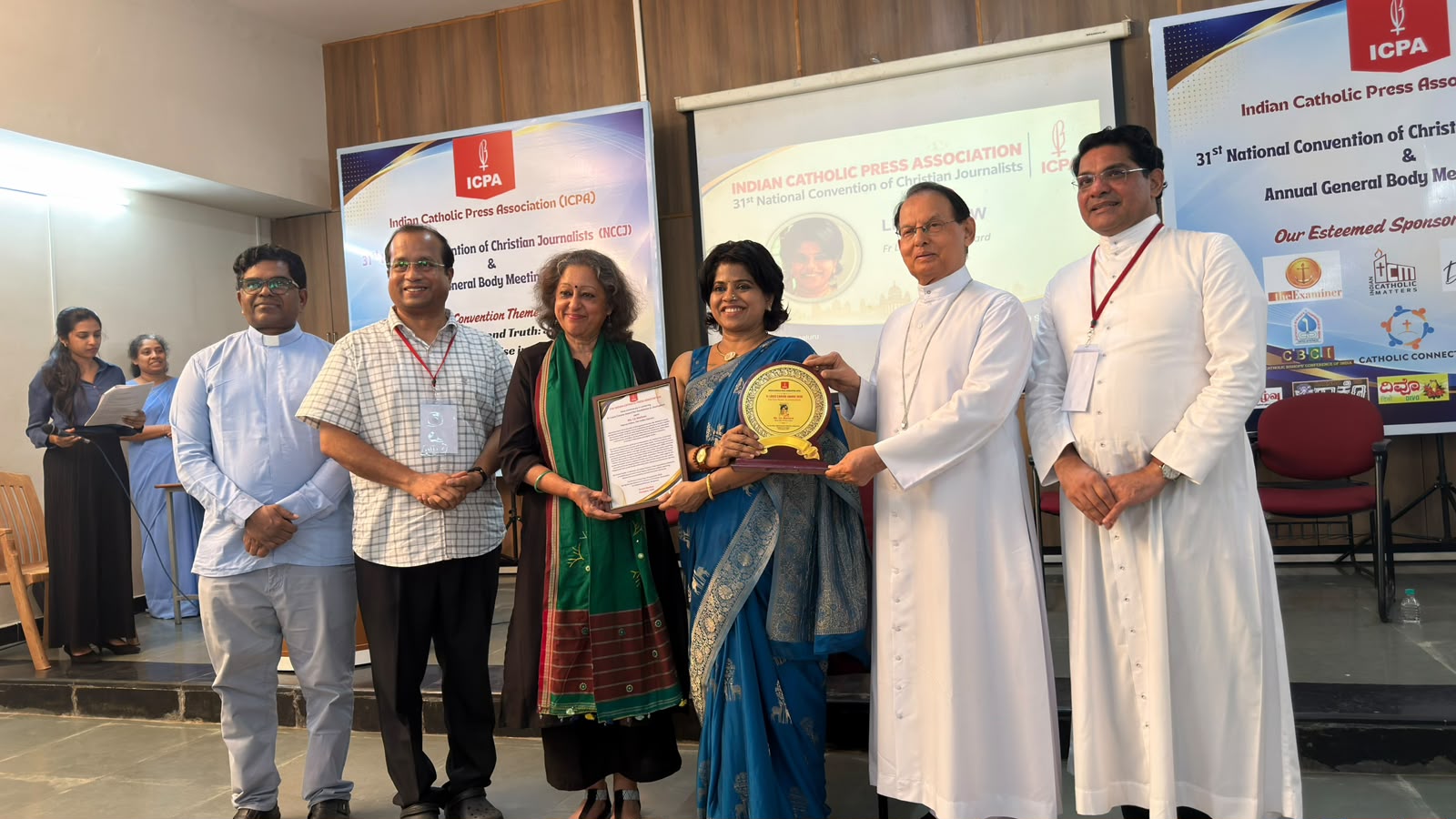
 ICPA
ICPA
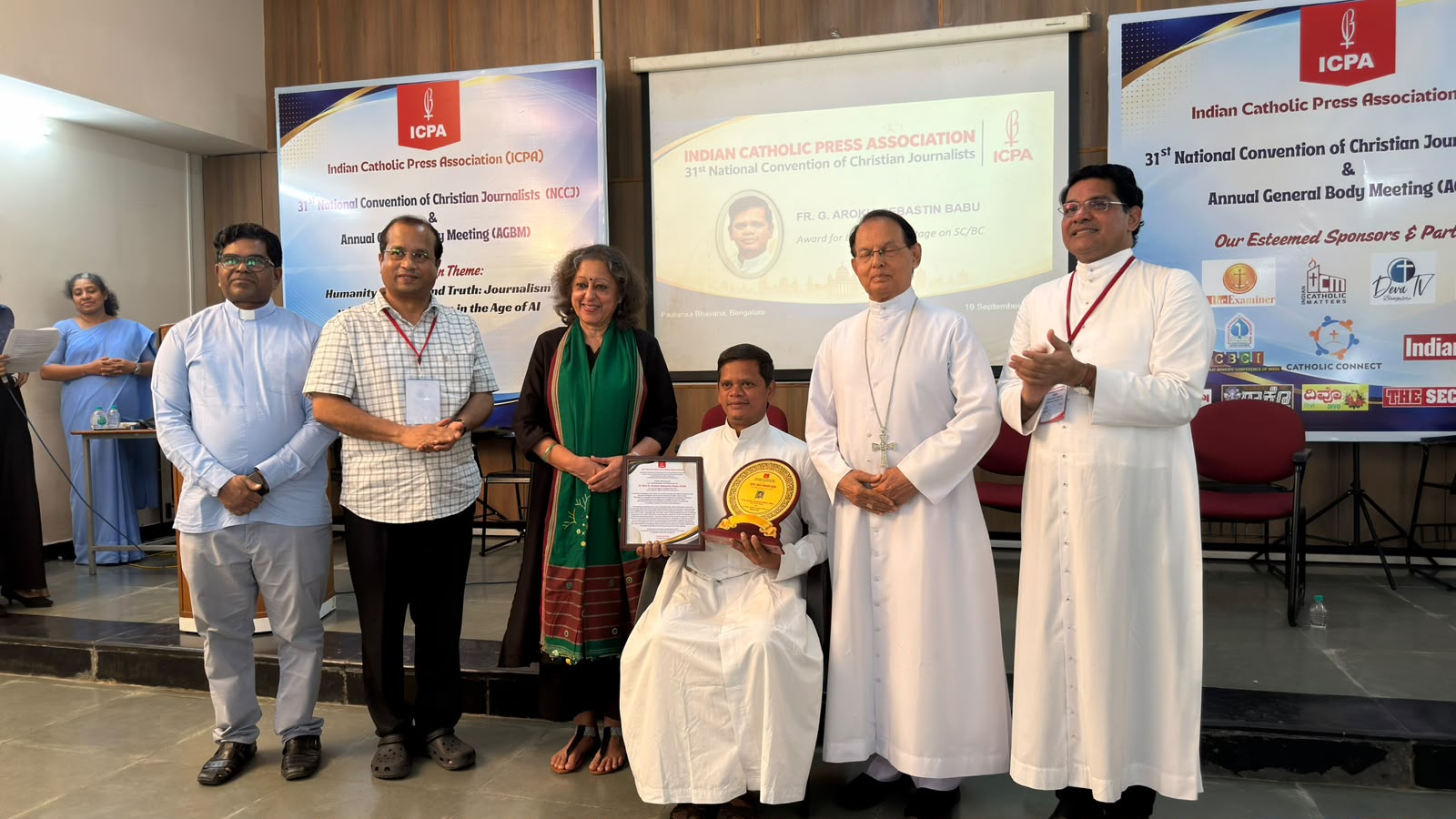 ICPA
ICPA
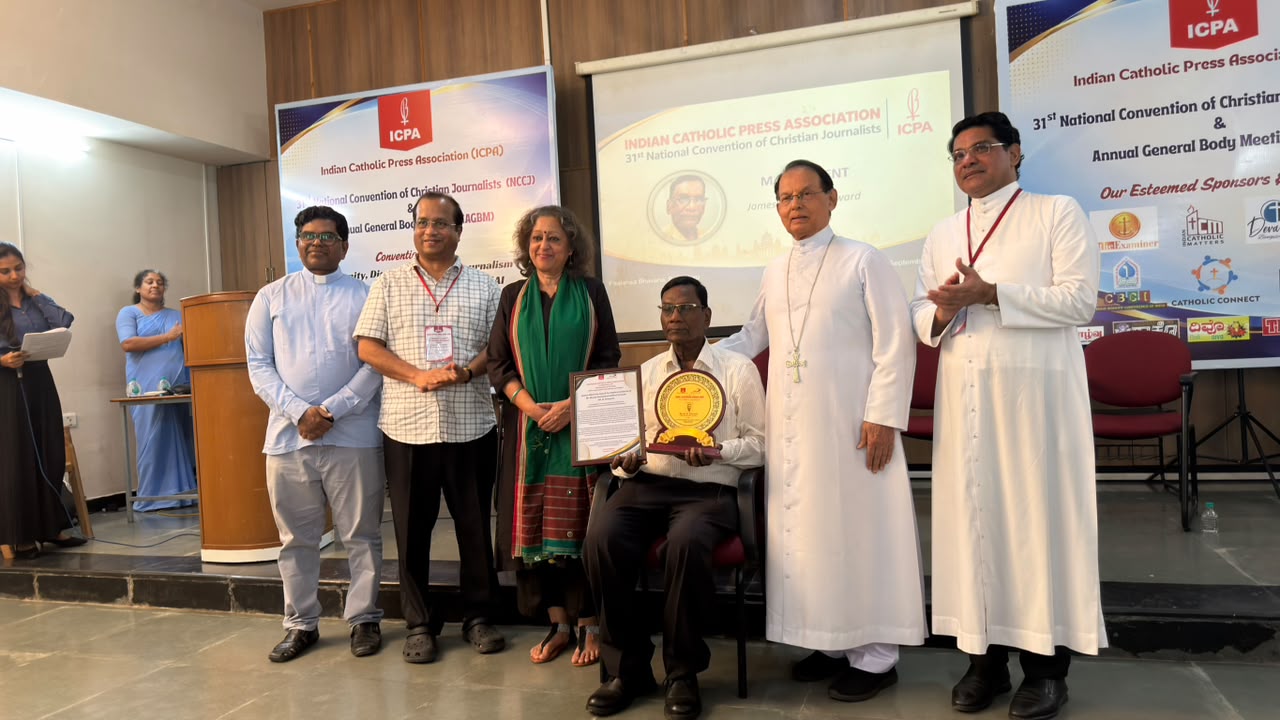 ICPA
ICPA
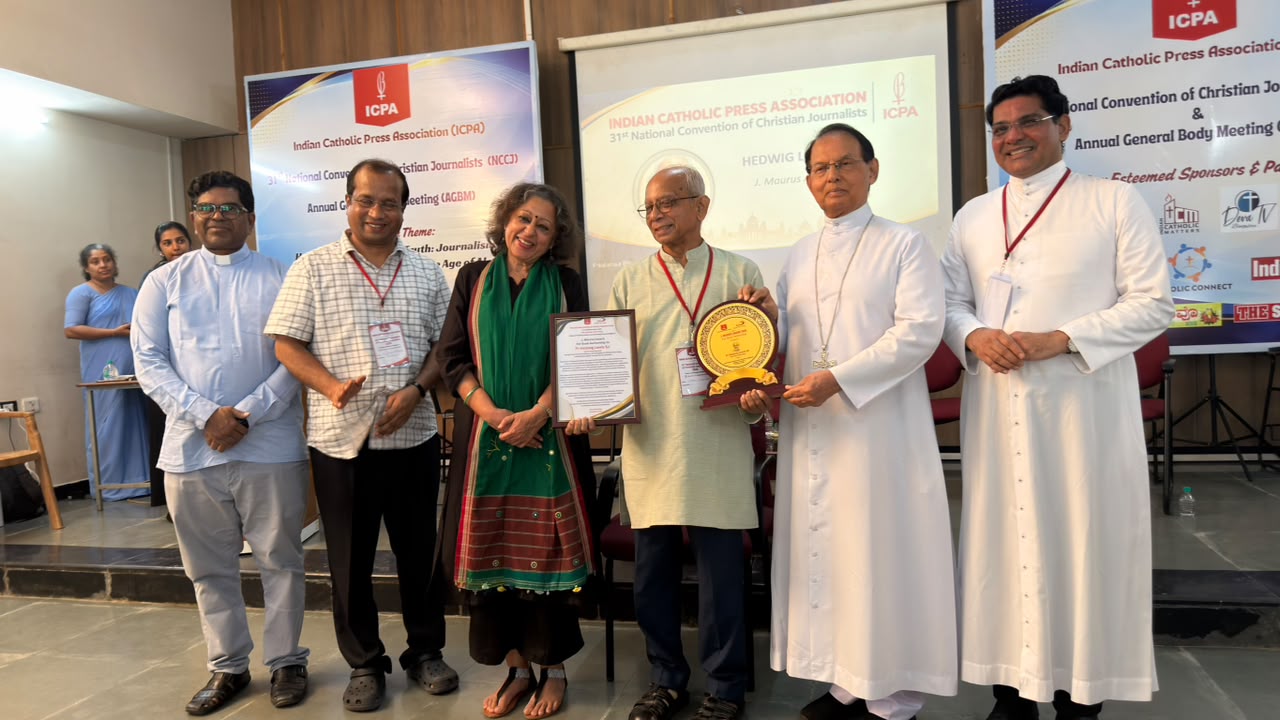 ICPA
ICPA
 ICPA
ICPA
 ICPA
ICPA
.jpg)
 A. J. Philip
.jpg)
.png) Jacob Peenikaparambil
Jacob Peenikaparambil
.jpg)
.png) John Dayal
John Dayal