

.png) Albert Rayan
Albert Rayan
Honourable Prime Minister,
As an educator committed to improving the quality of education in our country, I am writing this open letter to draw your attention to issues that require urgent intervention. I trust these concerns will receive your consideration and appropriate action.
The NEET-UG 2026 question paper leak and the subsequent cancellation of the examination have shaken the confidence of millions of students, parents, and educators across India. What began as allegations of a paper leak has evolved into a national debate on accountability, governance, and the future of our education system. The controversy has further intensified following reports of student suicides allegedly linked to the cancellation, fuelling public demands for accountability at the highest levels.
According to the National Testing Agency (NTA), which conducted the examination on May 3, 2026, a total of 22,05,035 candidates appeared for NEET-UG. For these students, NEET is not merely an examination; it represents years of sacrifice and hope. Families invest enormous financial, emotional, and physical resources to support their children's aspirations of becoming doctors. When the credibility of such a high-stakes examination is compromised, it amounts to a serious breach of public trust.
The human cost of this crisis is particularly distressing. In a suicide note reportedly left by an 18-year-old NEET aspirant from Nagpur, the student apologised to her parents, saying she lacked the courage to appear for the retest despite their unwavering faith in her dream of becoming a doctor. She expressed uncertainty about matching her expected performance in the original examination and feared that she had disappointed her family. Tragically, this was not an isolated case. Reports of severe anxiety, uncertainty, and emotional distress among students following the cancellation should concern every policymaker.
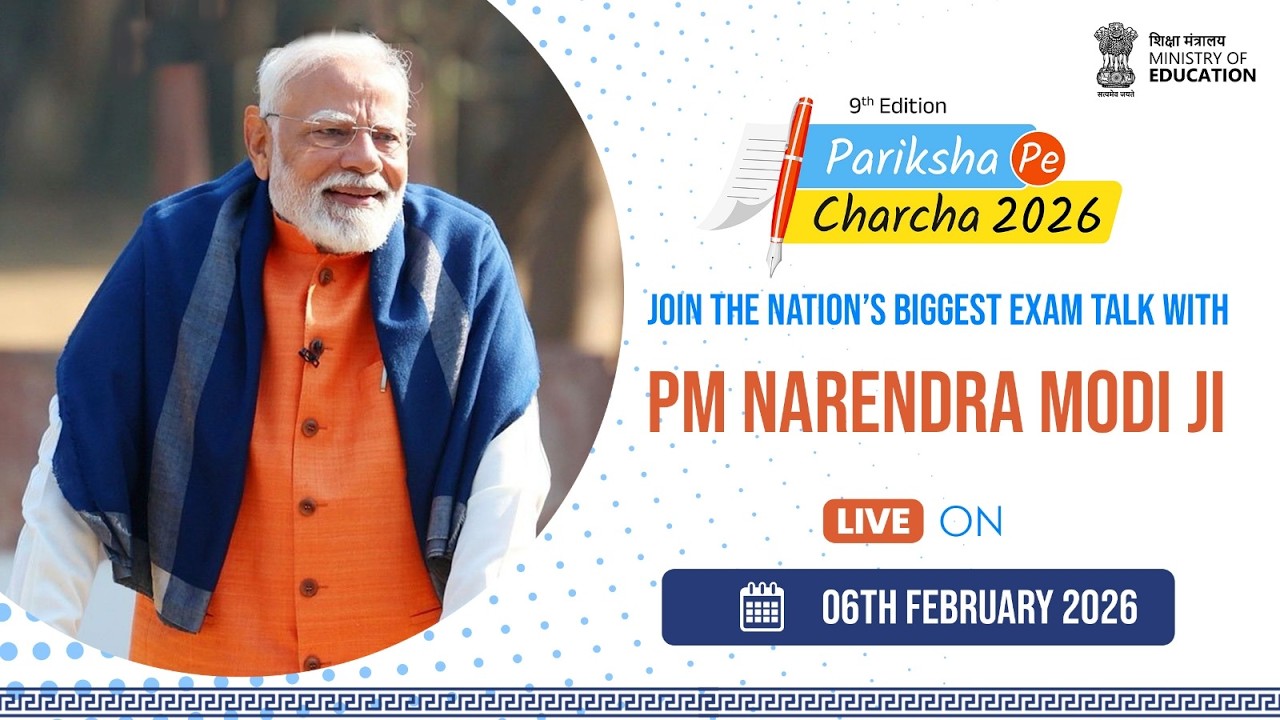
Mr Prime Minister, every year you interact with students through "Pariksha Pe Charcha," encouraging them to manage examination stress, build confidence, and approach challenges with resilience. As someone who has consistently spoken about students' well-being, you must have been deeply affected by reports of young people taking extreme steps because they feared retaking an exam or disappointing their families. These incidents underscore the urgent need to place students' welfare at the centre of educational policymaking.
While the government's assurances that security measures will be strengthened for future examinations are welcome, the country expects more than assurances. It expects accountability and meaningful reform.
Several questions continue to trouble students and parents. How did a national examination involving more than two million candidates become vulnerable to a paper leak despite repeated claims of security and transparency? Who will be held responsible for the failures that allowed such a breach to occur? What action will be taken against officials, agencies, and institutions found responsible? Most importantly, what safeguards will be introduced to ensure that such incidents never happen again?
The controversy has also exposed a deeper and more persistent crisis within India's education system. The intense focus on competitive examinations has created, as many describe, a culture of "coaching mania." Across the country, coaching centres have evolved into a parallel education system. Families routinely spend lakhs of rupees on coaching for examinations such as NEET and JEE, often at considerable financial hardship.
As a result, many schools are increasingly serving as feeders for coaching institutes. Students spend long hours attending coaching classes, while formal school education is often treated as secondary. There are widespread allegations that some educational institutions have developed arrangements with coaching centres, blurring the distinction between genuine education and commercial test preparation.
This raises an uncomfortable but necessary question: Has our education system reached a point where success in competitive examinations depends less on the quality of school education and more on a family's ability to pay for expensive coaching?
If that perception is even partially true, it represents a serious challenge to the principles of equality, merit, and social mobility that public examinations are intended to uphold. The government must therefore look beyond the immediate crisis and undertake a broader review of the coaching industry. Regulatory measures are needed to curb excessive commercialisation, protect students from exploitative practices, and restore the central role of schools in the educational process.
In the aftermath of the NEET controversy, public confidence in our examination system has suffered a serious blow. Trust cannot be restored through statements alone; it requires transparency, accountability, and decisive corrective action. Every day of delay deepens public scepticism and further undermines faith in the institutions entrusted with safeguarding the futures of young Indians.
Mr Prime Minister, your government informed the Supreme Court that you are personally monitoring the NEET-UG examination process. While this assurance may provide some comfort, the nation seeks evidence that accountability extends beyond rhetoric. Those responsible for failures of this magnitude must face consequences commensurate with the damage caused to students and their families. That action should begin with the resignation of Union Education Minister Dharmendra Pradhan.
Mr Prime Minister, you have often said that "Reform, Perform, Transform" is your governance mantra. Today, the nation expects you to apply it to the education system: reform it by strengthening transparency, accountability, and public trust; act decisively against those responsible for the NEET paper leak; and transform it through meaningful changes that students, parents, and the country deserve.
Yours sincerely,
.jpg)
.png) Cedric Prakash
Cedric Prakash
 ICPA
ICPA
 ICPA
ICPA
 ICPA
ICPA
 ICPA
ICPA
 ICPA
ICPA
 ICPA
ICPA
.jpg)
 A. J. Philip
.jpg)
.png) Jacob Peenikaparambil
Jacob Peenikaparambil
.jpg)
.png) John Dayal
John Dayal