

.png) Jacob Peenikaparambil
Jacob Peenikaparambil
.jpg)
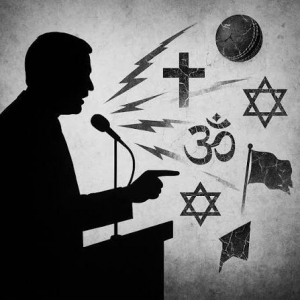
History bears witness to the fact that politicisation and commercialisation are two major distortions of religion. They occur when spiritual systems are repurposed for worldly power or financial gain. When political power and religious identity become closely intertwined, religion often becomes commercialised through donations, religious tourism, fundraising, media enterprises, real estate, and the sale of religious symbols and services. While religion has always had an economic dimension, politicisation often intensifies and institutionalises commercialisation.
Politicisation occurs when religious beliefs, identities, or institutions are used as tools to acquire, maintain, or expand political power. Political leaders are often tempted to exploit religious differences to create an "us versus them" mentality. At times, faith is fused with state identity to demand unquestioning political loyalty. Sacred texts are selectively interpreted or cherry-picked to justify particular laws or suppress minority rights. Persuading or pressuring clergy and religious leaders to endorse political leaders is another dimension of the politicisation of religion.
Commercialisation transforms sacred practices, faith, and spiritual devotion into marketable commodities and profit-driven enterprises. It takes many forms. Some preachers claim that financial donations to places of worship directly result in divine financial blessings. Commercialisation also occurs when pilgrimages and holy sites are heavily commodified, prioritising wealthy religious tourists over poor devotees.
A brief historical survey reveals that the politicisation and commercialisation of religion have often gone hand in hand. The sale of indulgences by the medieval Catholic Church is one of the best-known examples. Political rulers and Church authorities collaborated to finance wars, palaces, and magnificent churches, including the rebuilding of St. Peter's Basilica in Rome. People were encouraged to purchase indulgences with the promise that doing so would reduce their punishment for sins.
The practice turned religion into a lucrative enterprise and provoked widespread criticism, culminating in Martin Luther's Reformation in 1517. What began as a religious institution closely linked with political authority gradually developed significant commercial interests.
Following the English Reformation, the monarchy assumed control over the Church in England. Under Henry VIII, monasteries were dissolved, and their enormous wealth was transferred to the Crown and politically favoured nobles. Religion became deeply politicised, and Church property became a source of political patronage and economic enrichment.
In Sri Lanka, particularly after independence, Buddhism became closely associated with Sinhalese nationalism. Political parties frequently sought the support of influential Buddhist monks. As religious influence increased, many temples expanded through political patronage, donations, land grants, educational institutions, and religious tourism.
Throughout Indian history, rulers patronised temples not only as religious centres but also as instruments of political legitimacy. Major temples accumulated enormous wealth through land grants, taxes, donations, and commercial activities. Large temple complexes functioned as economic hubs employing artisans, merchants, dancers, musicians, and administrators.
In contemporary India, religious identity has become an important factor in electoral politics. As religion has become increasingly politicised, the religious economy has expanded rapidly. Many major pilgrimage centres have evolved into large commercial ecosystems that include hotels, shopping complexes, television channels, online donation platforms, and the sale of religious products. Governments are investing heavily in certain pilgrimage centres to create ultra-modern facilities that attract affluent religious tourists.
The recent controversy regarding the alleged theft of donations received by the Ram Mandir in Ayodhya cannot be separated from the political movement that culminated in the demolition of the Babri Masjid and the subsequent construction of the Ram Mandir, whose consecration was led by Prime Minister Narendra Modi as the chief celebrant.
The statement made by Ram Mandir Trust President Nritya Gopal Das on July 6, 2026, regarding the alleged financial fraud at the Ayodhya Ram Temple must be examined against the backdrop of the Ram Mandir movement spearheaded by the BJP and the RSS. He appealed to the public not to politicise the issue of the theft of donations. "This is a matter of faith for crores of Hindus, and I request that no one should indulge in politics over it for their personal gain," he said.
The people of India, especially the political Opposition, have every right to ask questions when allegations of misappropriation of donations from the Ram Temple in Ayodhya are raised. The Shri Ram Janmabhoomi Teerth Kshetra Trust was officially established by the Government of India on February 5, 2020, in compliance with the mandate of the Supreme Court of India.
The Trust was entrusted with the disputed 2.77-acre site, along with the surrounding 67.703 acres acquired under the 1993 Ayodhya Act. It also includes four bureaucrats appointed by the Government of India as members. The Ayodhya Ram Temple is unlike thousands of other temples in India because of its unique history, the manner in which it was constructed, and its administrative structure. Therefore, issues relating to the Ayodhya Ram Temple Trust legitimately fall within the domain of public and political scrutiny.
Secondly, the entire Ayodhya Ram Mandir movement led by the BJP and the RSS was both a political and a religious movement. The political rise of the BJP, culminating in its assumption of power at the Centre in 2014, coincided with the Ram Temple movement. It is estimated that between 2,000 and 3,000 people were killed across India in violence directly connected with the Ayodhya Ram Janmabhoomi movement, which spanned more than a decade. In its historic 2019 verdict, the Supreme Court of India unequivocally condemned the 1992 demolition of the Babri Masjid, describing it as an "egregious violation of the rule of law."
The movement gradually led to the polarisation of Hindus around the issue of the Ram Temple. The BJP, which had won only two Lok Sabha seats in 1984, increased its strength to 282 in the 2014 Lok Sabha election. The construction of the Ram Temple in Ayodhya dominated the BJP's election campaign, along with several other divisive issues. The entire movement involved mixing religion with politics and using a religious issue to mobilise politically. Therefore, those who were actively involved in the Ayodhya Ram Temple movement have little moral ground to accuse those who question the alleged theft of temple donations of "playing politics with the faith of crores of Hindus."
In a secular democracy like India, the use of religion for political mobilisation is contrary to the spirit of the Indian Constitution. There is an urgent need to stop both the politicisation and commercialisation of religion, as both pose serious threats to democracy and communal harmony.
The way forward lies in educating people about the core values and principles of the Indian Constitution and helping them understand the difference between religiosity and spirituality. Religiosity consists of rituals, worship, prayers, pilgrimages, and similar religious practices, whereas spirituality focuses on living out the core teachings and values of religion. For those who practise spirituality, irrespective of the religion to which they belong, humanity is the highest religion. Religious practices are only means for spiritual growth and should never become ends in themselves. Religiosity without spirituality often leads to religious fundamentalism and violence in the name of religion, as witnessed during the Ayodhya Ram Mandir movement.
Some practical measures can also be adopted to prevent the politicisation and commercialisation of religion:
1. Prohibit the use of religion for political mobilisation by strictly enforcing existing laws and, if necessary, enacting new legislation.
2. Bar political leaders and government functionaries from presiding over public religious ceremonies and rituals.
3. Discontinue the practice of charging fees for religious services in all religions. The maintenance of places of worship and the remuneration of priests should be met through voluntary contributions from the faithful, made in proportion to their income. Receipts should be issued for every donation, and every contribution should be properly accounted for.
4. The faithful should remain free to contribute towards the maintenance of places of worship and the support of priests. However, all donations should be made through digital or traceable payment methods. If even illiterate people are increasingly using digital payment systems, there is no reason why donations to places of worship cannot also be made electronically. The practice of depositing cash in donation boxes should be discontinued, as it creates opportunities for corruption. It may also facilitate the introduction of unaccounted money into religious institutions. God neither needs money nor wishes to be bribed by the faithful in exchange for favours.
5. All places of worship, including the Ayodhya Ram Mandir, that receive public donations should operate as registered societies or trusts, and their audited accounts should be made publicly available. They should also be brought under the purview of the Right to Information Act.
6. All religious and cultural organisations should be made accountable to both the public and the government. If non-governmental organisations are required to maintain transparency and accountability, there is no reason why religious and cultural organisations should be exempt.
.jpg)
.png) Cedric Prakash
Cedric Prakash
 ICPA
ICPA
 ICPA
ICPA
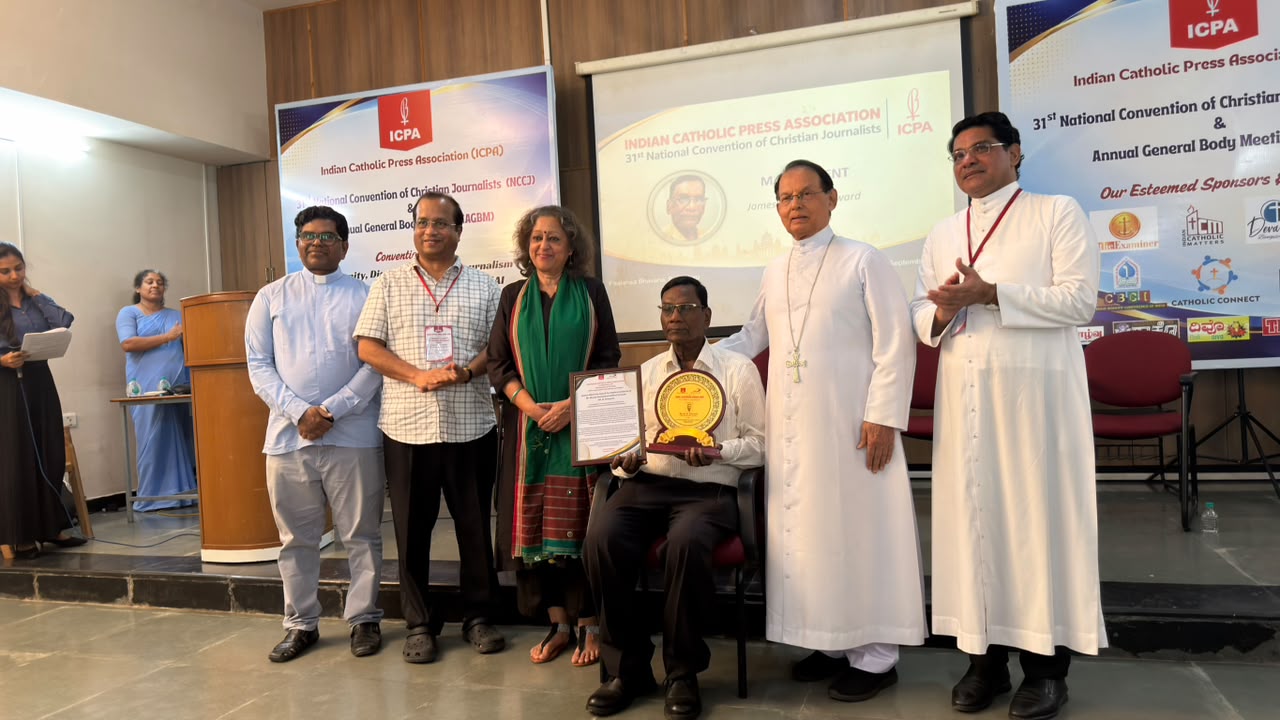 ICPA
ICPA
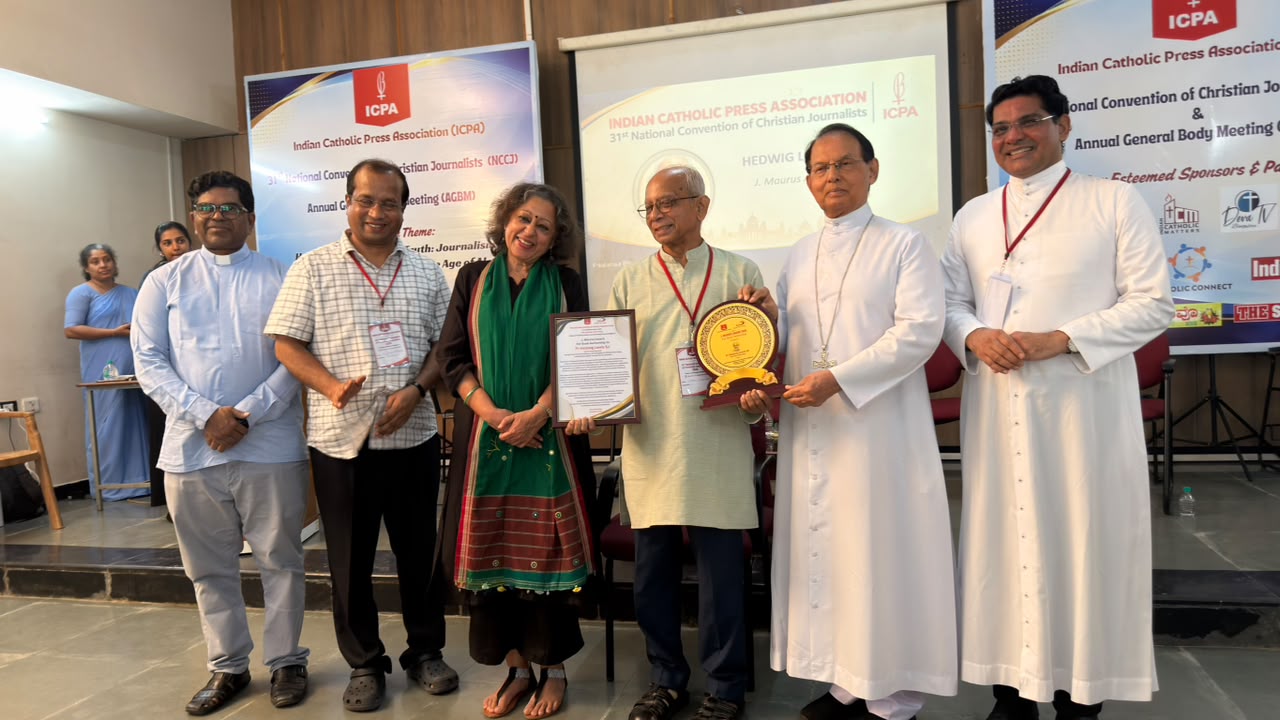 ICPA
ICPA
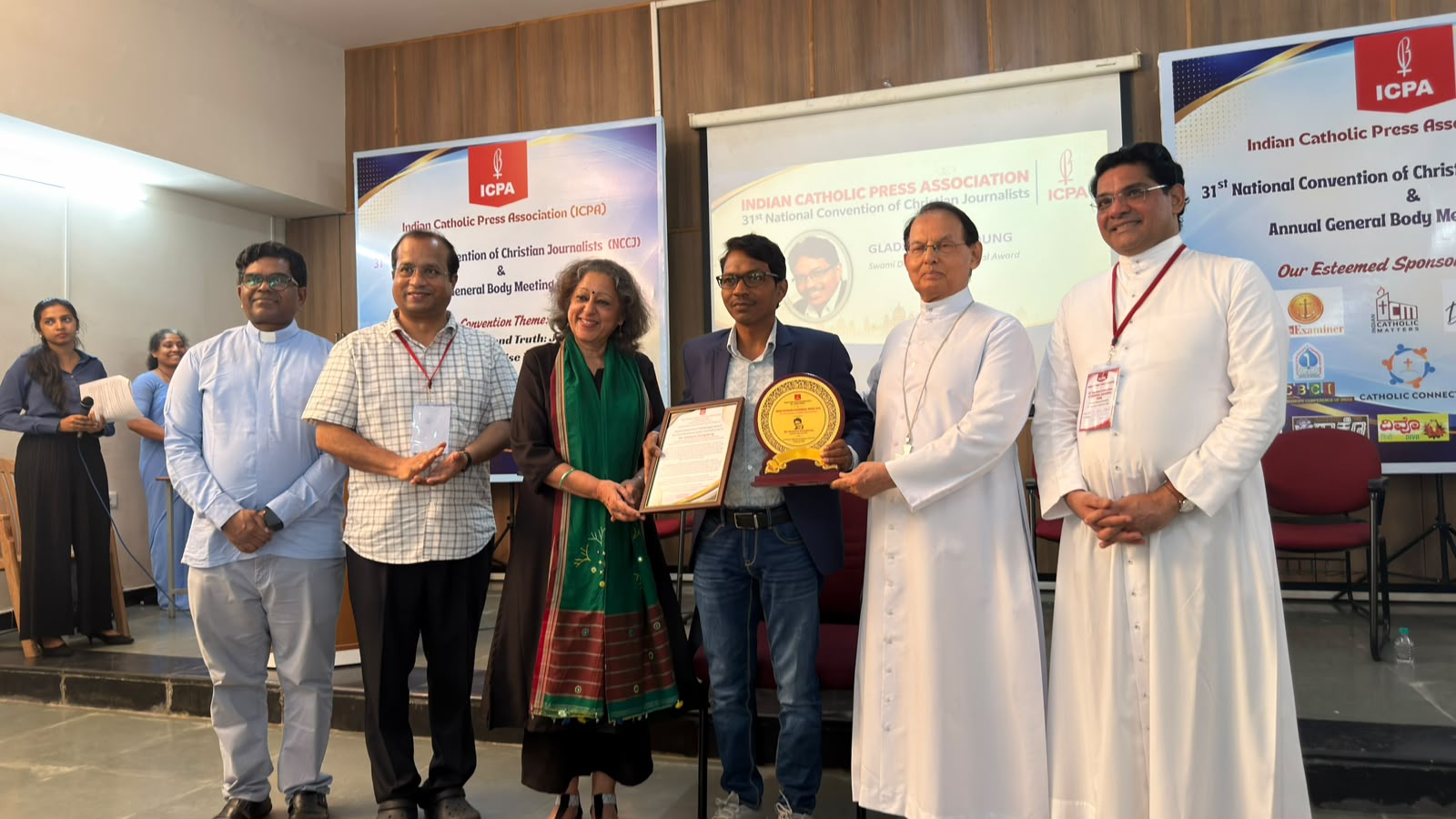 ICPA
ICPA
 ICPA
ICPA
.jpg)
 A. J. Philip
.jpg) Jacob Peenikaparambil
Jacob Peenikaparambil
.jpg)
.png) John Dayal
John Dayal