

.png) Varghese Alengaden
Varghese Alengaden
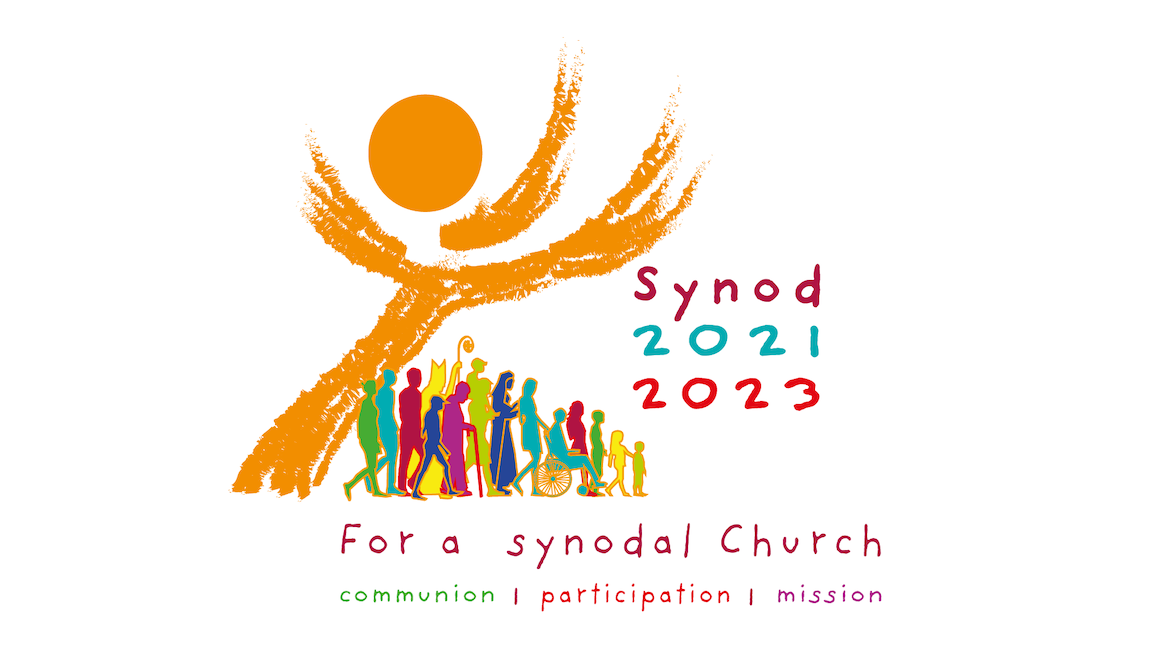
A much-discussed theme in the Church circles today is synodality. Hence many people ask me, “What do you think of synodality?” Since synodality is lived in the USM (Universal Solidarity Movement) community mission for the last three decades, the question on the relevance of synodality is not difficult for me to explain.
The prophetic Pope Francis is making all efforts to make the Church return to the way of Christ. He is envisaging a more participative Church free from institutionalism and clerical dominance. Through the process of synodality, the Pope is dreaming of a more inclusive, participative, accountable and transparent Church at all levels.
Many dioceses and religious congregations are having seminars and discussions about synodality in these days. Questions are raised about the practical application of synodality into the daily living of groups and communities. One of the simple proposals which receives maximum resistance is allowing those who cook food for the communities to eat with the priests and nuns in the same dining hall. I had been hearing hundreds of excuses against this simple suggestion. When we are not able to share table fellowship with those who live and work with us how synodality is going to be practiced?
Practice of synodality demands an inclusive and participative way of life and work. The Universal Solidarity Movement was launched thirty years ago with the dream of experimenting the Christo-centric way of life and mission. One can witness how synodality is being put into practice in the USM by including people of all faiths and walks of life in this community mission. Priests, the religious, the youth and people of all faiths and walks of life are invited to participate in the Annual General Body meeting of USM.
Synodality demands including people of all walks of life in the administrative and decision-making bodies. It is successfully practiced in the USM community mission by including members from three different religions in the governing body. Total participation, transparency and inclusiveness have been experimented successfully.
The USM community consists of priests, nuns of different congregations and lay people of different faiths. They are living together, eating together, praying together, planning and discussing together. Living synodality is successfully experimented through these practices.
Each member feels a sense of belonging and he/she is able to personalize the vision and spirituality of the organization. Synodality is practiced through free and frank evaluation at all levels with total transparency.
Synodality can be practiced when members are trusted. Where there is trust there is no need for numerous rules to control the members. This is successfully experimented in the USM because there are no written laws to control the life and activities of members.
Members follow the vision and spirituality through self-discipline, open discussion and dialogue.
Synodality creates a counter culture against utilitarian culture of “use and throw”. During the daily community meeting, a candle is lit every evening in honour of all deceased persons who were part of the USM mission. Their names with short profiles are read daily to educate members of their partnership in the mission.
Synodality abandons institutional and economic power and influence. Its strength lies in moral authority. In the last 30 years, USM has set the trend of managing a mission across India without the strength of owning land and property. It functions in a rented premise for conducting several retreats and training programmes for people of all faiths. Several bishops, provincials, principals and lay leaders come for exposure and Christo-centric leadership retreats in the community.
Living synodality is nothing but living the Gospel values. It is returning to the Christo-centric way of life. If we are true to synodality there cannot be any more divisions and conflicts within the Church. No one can be excluded and discriminated against.
The success and effectiveness of synodality depend on the change of attitudes and actions of each and every individual, communities, institutions, parishes and dioceses. It demands a radical transformation from individuals, communities and dioceses by correcting the mistakes and returning to the way of Christ.
.jpg) Stanislaus Alla
Stanislaus Alla
.jpg) Stanislaus Alla
Stanislaus Alla

 Adv. Rev. Dr George Thekkekara
.jpg)
 A. J. Philip
.jpg)
.png) John Dayal
John Dayal
.jpg)
.png) Jacob Peenikaparambil
Jacob Peenikaparambil
.jpg)
 P. A. Chacko
.png)
.png) Robert Clements
Robert Clements