


 P. A. Chacko
.jpg)
To crack or not to crack! Crackers or no crackers! It is a much-debated issue. To some, crackers have emotional and sentimental value. Celebrate with high-decibel, eye-filling explosions! Some point to the economic benefit of the many workers employed in the explosives industry. Some bat for its religious reverberations!
Some fervently say fireworks are deeply tied to historical and religious traditions symbolising the triumph of light over darkness. Tourism and entertainment industries promote crowd-pulling pyrotechnics through large-scale public displays. Some even claim that "responsible" use is a matter of personal freedom and festive ex
They have a point, so they believe. But we also need to understand why there is a strong push to ban or restrict them because of severe air pollution. Fireworks release massive amounts of particulate matter (PM2.5 and PM10), toxic heavy metals (like copper, lead, and barium), and sulphur dioxide, causing hazardous spikes in air quality indexes. Think of the health hazards. The toxic smoke triggers acute respiratory attacks in people with asthma, bronchitis, and other chronic conditions, alongside posing risks to infants and the elderly.
Noise pollution from explosions causes severe distress to animals, wildlife, and vulnerable individuals, including senior citizens and infants. What about the injury risks? Every festive season brings reports of numerous burn injuries, eye damage, and property fires caused by accidental blasts or mishandling.
Some strike a compromise formula. They say let "Green crackers" be the in thing. But then, green or red, a cracker is a cracker. They may be said to produce low emissions. But emissions are emissions. When you multiply low emissions umpteen times, low becomes high.
The core paradox of the "green cracker" compromise cannot be wished away. Does reformulating a pollutant make it pure? To use the analogy, slapping a green label on a device that still releases particulate matter, heavy metals, and chemical noise into the air can easily feel like greenwashing a fundamentally harmful practice. Critics rightly point out that being "30% less toxic" is still toxic—especially in already hyper-polluted urban airsheds where any additional spike has immediate health consequences. When enforcement fails and pollution levels still skyrocket despite regulations, the concept of a "green" cracker quickly loses all credibility.
How do we weigh the argument of economic survival of millions of workers against public harm? When the argument shifts to employment, defenders of the fireworks industry often frame it as a matter of livelihood: millions of workers, particularly in manufacturing hubs like Sivakasi in India, depend on this seasonal or year-round work to feed their families. Using employment as a shield to justify the large-scale production of a known public health hazard creates a painful catch-22. Fireworks manufacturing has historically faced severe scrutiny regarding child labour, dangerous chemical exposure, and fatal factory accidents due to lax safety enforcement.
An immediate crackdown and closure of cracker industries may have serious consequences for workers. Before implementing strict bans, it is important to fund guaranteed alternative livelihoods for traditional craft workers.
Another important question that nags at us is: Can cultural habits and arguments for festival demands justify toxic pollution, health hazards, and environmental harm? In a scientific world, are we not intelligent enough to see the contradictions? This profound, complex dilemma sits at the intersection of deeply held cultural traditions, public health, and environmental science. The tension between celebratory rituals, such as burning firecrackers during festivals, and the severe toll they take on air quality and human health is one of the most debated modern ecological issues. Do crackers and explosives chase away evil spirits, or dispel darkness? How do we understand the issue scientifically?
The collective sights, sounds, and participation may create a sense of shared identity, nostalgia, and generational continuity. But the contradiction is that the very participants may be carrying back with them soot and toxic gas in their lungs. Data consistently show massive spikes in respiratory ailments, cardiovascular stress, and asthma attacks in the days immediately following major cracker-burning events. Children, the elderly, and those with pre-existing conditions suffer the most.
How do we "honour" cultural heritage when science clearly proves it causes harm? Some will say that human societies are rarely driven by pure logic alone; they are anchored by emotion, history, and identity. When science asks people to give up a cherished tradition, it is often met with resistance not because people doubt the science, but because they feel their identity is being challenged or unfairly singled out. However, should not awareness and adaptation help shift the paradigm? Culture is not static; it has always evolved to reflect the changing moral and material realities of human civilisation.
There is an argument known as "whataboutism" that the question about cracker pollution does not stay when there are other pollutions like factory emissions and vehicular smoke. Firecrackers should be viewed, cracker advocates say, as an instant recreational exercise! But they cover up, under smoke and spark, the fact that such instant exercises are saturated with an immense amount of toxic heavy metals and particulate matter that fill the air within just a few hours. The air quality data consistently show that cracker-burning causes catastrophic, acute spikes in pollution levels (such as PM2.5 and sulphur dioxide) overnight. This sudden surge pushes already compromised air into hazardous categories, triggering immediate emergency room visits for asthma and heart conditions.
Environmental science does not work on a "pollution budget" where creating pollution in one area is cancelled out by pollution elsewhere. Society actively tries to regulate factories and transition to electric vehicles because baseline pollution is already dangerously high. Adding an intense, avoidable spike on top of an existing crisis worsens an already fragile situation. Ultimately, pointing to systemic pollution to defend a high-impact activity like burning crackers avoids the core issue. True environmental responsibility requires tackling major emissions and eliminating avoidable sources of harm. Framing the issue around personal choice versus collective impact can help change minds and mindsets.
Let us take a case study.
The use of firecrackers across all places of worship and public festivals is heavily regulated and restricted by strict judicial orders and statutory laws. The regulatory landscape regarding fireworks during festivals in Kerala involves several key aspects:
Legal and Judicial Restrictions
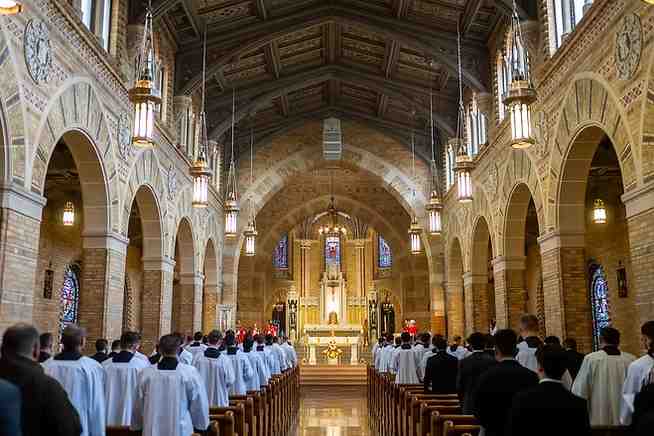
The Kerala High Court has repeatedly issued strict directives and orders on bursting high-decibel firecrackers and fireworks displays at places of worship (including temples and churches). These rulings aim to curb noise pollution, prevent accidents, and restrict illegal or unsafe pyrotechnics during odd hours.
Explosives Act and Safety Norms
Fireworks displays at any public venue or religious festival require explicit permissions and licenses from district authorities (such as the District Collector or Police) under the Petroleum and Explosives Safety Organisation (PESO) guidelines. Compliance with mandatory safety distances from buildings and crowds is legally required.
Internal Church Initiatives and Directives
Beyond government and court regulations, several Christian denominations in Kerala have taken independent steps to curb or completely voluntarily ban fireworks:
a) "Ditch Fireworks for Charity" Calls: Major Church bodies, including the Jacobite Syrian Orthodox Church and various Catholic dioceses, have issued circulars and guidelines urging individual parishes to voluntarily avoid fireworks during annual Church feasts.
b) Redirecting Funds: These Church directives strongly encourage parishes to redirect the substantial funds typically spent on pyrotechnics toward charitable causes, medical aid for the poor, or community welfare.
c) Varying Compliance: While many parishes (especially in certain regions) strictly follow these recommendations, implementation depends heavily on local parish management and committee decisions.
Several states and Union Territories in India have implemented partial bans, seasonal restrictions, or complete prohibitions on traditional pyrotechnics (firecrackers), primarily driven by severe winter air pollution and judicial interventions.
The regulatory approach varies across different regions:
1. Total Bans and Strict Limitations (Delhi-NCR): Delhi and the surrounding NCR districts enforce the strictest regulations in the country. Driven by hazardous winter air quality indices, authorities frequently enact total bans on the manufacture, storage, sale, and bursting of all traditional firecrackers. Even when courts or tribunals occasionally permit limited exceptions, they are strictly restricted to certified "green crackers" for narrow time windows.
2. Partial Restrictions and "Green Crackers Only" Policies: Many states do not have a permanent year-round ban, but enforce strict seasonal prohibitions, especially leading up to winter festivals like Diwali:
Haryana and Punjab: State pollution control boards routinely restrict traditional fireworks, permitting only approved green crackers within tightly monitored time slots (e.g., a two-hour window during festivals) to mitigate heavy smog compounded by stubble burning.
West Bengal: The Calcutta High Court and the State Pollution Control Board have historically restricted fireworks to certified green variants with specific QR codes, banning high-emission and series/chained crackers (laris), especially in silent zones like hospitals and educational institutions.
Bihar and Odisha: State authorities have occasionally imposed targeted bans on the sale and use of conventional firecrackers in major urban centres (such as Patna or Gaya) during peak pollution months.
3. Judicial Stance (Supreme Court): The Supreme Court of India consistently rejects calls for a nationwide 365-day blanket ban, emphasising a balanced approach between religious/cultural sentiments and public health. However, the apex court heavily regulates pyrotechnics by banning toxic chemical components (such as barium salts) in fireworks formulations and enforcing strict time caps for bursting crackers during festival days nationwide.
Delegating authority to state governments and local pollution control boards to enact stricter localised bans depending on their specific Air Quality Index (AQI) levels.
The courts and governments have their compulsions not to bypass certain cultural/religious sentiments. However, I believe a total ban will have more positive results than negative consequences. We cannot build a healthy nation on polluting fire and eye-filling sparks that ultimately eat up our lungs and suffocate our lives. Shaping our religious sentiments and our lives around human values will help build a healthy populace.
Moreover, the environmental aspect cannot be given a backseat drive. We humans are guardians and co-travellers of nature and its resources. Let us not harm or pollute Mother Nature and the atmosphere for our instant pleasure.
.jpg)
.png) John Dayal
John Dayal
.jpg)
.png) Jacob Peenikaparambil
Jacob Peenikaparambil
 P. A. Chacko
.png)
.png) Robert Clements
Robert Clements
.png) Cedric Prakash
Cedric Prakash
.JPG)
 A. J. Philip
 Jacob Peenikaparambil