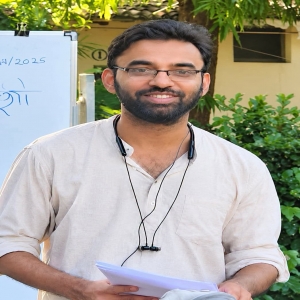


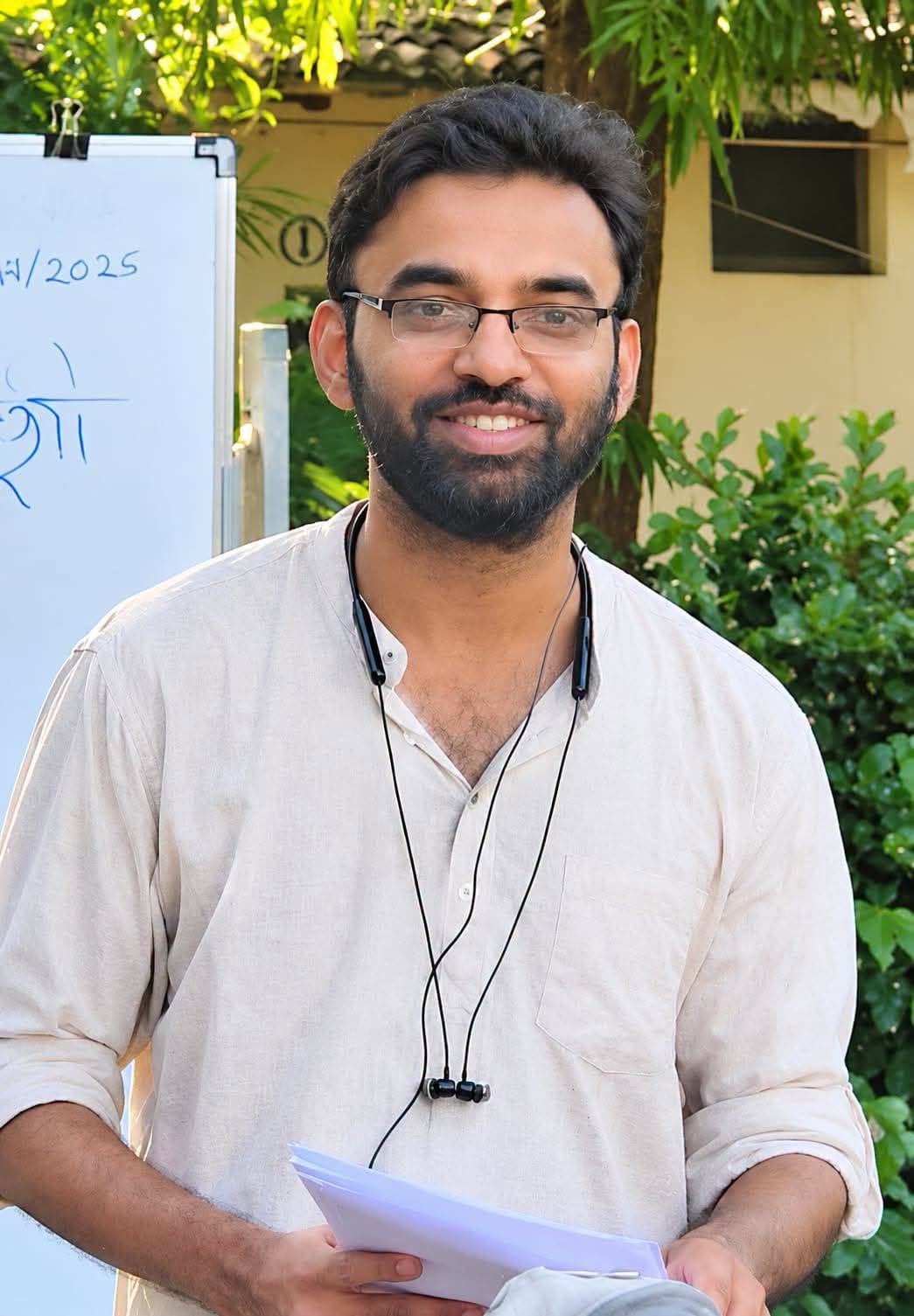
From a promising medical career to years of service among some of Odisha's most underserved tribal communities, Dr Randall Sequeira chose a life very different from the comfortable professional existence he could have enjoyed in a major city. Today, he finds himself behind bars following his arrest in connection with an anti-mining protest in Odisha.
His arrest has sparked protests, appeals from fellow doctors and civil society organisations, and serious questions about the treatment of those who work alongside Adivasi communities defending their ancestral lands.
The central question is disturbing: when a doctor dedicates his life to serving the poor and becomes sympathetic to their struggle for land, forests and livelihoods, should that association make him a target of criminal prosecution?
A Doctor Who Chose Service Over Comfort
Originally from a Mangaluru-based family and raised in Mumbai, Dr Randall Sequeira had an impressive academic background and promising professional prospects. He graduated in medicine from the prestigious St. John's Medical College, Bengaluru, in 2011. After completing his compulsory rural posting with the Tribal Health Initiative in Sittilingi, Tamil Nadu, he pursued postgraduate studies in Internal Medicine at Sawai Man Singh (SMS) Medical College, Jaipur, completing his MD in 2017.
That same year, instead of pursuing a financially rewarding career in a metropolitan hospital, he moved to Odisha to work among tribal communities. His decision brought him to the remote and economically disadvantaged regions of Kalahandi and Rayagada, where access to healthcare remains a major challenge.
For many inhabitants of these remote settlements, reaching a functioning healthcare facility can mean travelling considerable distances over difficult terrain.
Dr Sequeira gradually became familiar with the villages and their people. He learnt Odia and Kui, the language spoken by many members of the Kandha tribal community, and developed a close understanding of their health problems, traditional knowledge and everyday struggles.
According to accounts from his friends and colleagues, he frequently travelled by motorcycle to reach patients in isolated villages. His work included treating common illnesses, improving access to medical services, and supporting community health initiatives.
He also helped establish a tuberculosis clinic in Sukinda, Odisha, around 2022, in response to concerns about health problems in a mining-affected area.
His philosophy of medicine extended beyond prescribing medicines. He believed malnutrition, poverty, food insecurity, environmental degradation, and the loss of traditional livelihoods could directly affect people's health.
For him, healthcare was not simply about treating disease; it was also about understanding the circumstances that made people sick.
When Healthcare Meets the Struggle for Tribal Rights
Over the years, Dr Sequeira grew increasingly concerned about the potential health and environmental consequences of mining in tribal regions.
The Sijimali hills, situated along the Kalahandi-Rayagada border, have become the centre of a prolonged controversy over proposed bauxite mining by Vedanta Limited.
In February 2023, the Odisha government awarded a 50-year mining lease for a bauxite-bearing area reportedly covering about 1,549 hectares. Several Adivasi communities, including Kondh, Kutia and Jhodia groups, have opposed the project. They fear that mining and associated infrastructure development could threaten their ancestral lands, forests, water sources, traditional occupations, cultural identity and livelihoods.
The protesters have also raised questions about the Gram Sabha process and whether the rights and consent of affected communities have been properly respected under the Forest Rights Act and the Panchayats (Extension to Scheduled Areas) Act. These questions deserve transparent examination by the appropriate authorities.
Dr Sequeira's association with the communities brought him closer to their concerns. He became involved in supporting their struggle and was associated with the wider movement opposing the proposed mining activities.
His supporters maintain that his involvement stemmed from concern for the health, dignity, and survival of the people with whom he had worked for years.
Arrest and Serious Criminal Charges
On the night of October 16, 2026, Kashipur police arrested Dr Randall Sequeira from his residence in Bhawanipatna, Kalahandi district. Dalit rights activist Laxman Naik was arrested along with him.
The arrests relate to Case No. 85, involving a confrontation between police personnel and villagers in Kantamal village in April 2026, during protests linked to a road project associated with the proposed Sijimali mining operation.
According to media reports, the two men were produced before a judicial magistrate in Rayagada on October 17 and remanded to judicial custody at Rayagada Sub-Jail.
Dr Sequeira faces serious allegations, including attempted murder, rioting with deadly weapons, dacoity, armed robbery and criminal intimidation. The charges are reportedly framed under relevant provisions of the Bharatiya Nyaya Sanhita and the Arms Act.
However, an important point has emerged in the controversy: Dr Sequeira was reportedly not named in the original FIR relating to the April incident. His supporters and civil society organisations argue that he was subsequently implicated despite his name being absent from the initial complaint.
The police have a different version. Rayagada police officials have maintained that the arrest was lawful and based on the investigation and complaints received. Police have alleged that Dr Sequeira was involved in instigating unrest and threatening members of the public. Officials have also referred to other criminal cases registered against him.
The allegations made by the police, the objections raised by his supporters, and the evidence collected during the investigation must all be considered through the judicial process.
An accused person is not a convicted criminal. The constitutional presumption of innocence and the right to a fair trial must be respected.
Questions About the Circumstances of His Arrest
Civil society organisations, including the People's Union for Civil Liberties (PUCL), have strongly criticised the arrests of Dr Sequeira and Laxman Naik.
In its October 21 statement, PUCL alleged that police took the two men from their residence without informing them of the grounds for arrest and that their families and lawyers could not establish their whereabouts for several hours.
The organisation also questioned the circumstances of their production before the magistrate and raised concerns about compliance with constitutional safeguards governing arrest and detention.
A Family's Anguish
The arrest has caused considerable distress to Dr Sequeira's family in Mumbai. His father, Alex Sequeira, travelled from Mumbai to Rayagada to meet his son in prison. His parents, Alex and Nancy, have appealed for his release and expressed confidence in the judicial system.
His father has maintained that his son devoted several years to providing medical assistance to poor and marginalised communities and believes that he has been unfairly implicated because of his perceived sympathy for people opposing mining activities. His mother has also appealed for his early release, noting that the villagers he served still need medical assistance.
The family's anguish has been accompanied by ex
In Rayagada and surrounding areas, tribal communities and supporters of the anti-mining movement have organised demonstrations demanding the release of Dr Sequeira and Laxman Naik.
The Larger Battle Over Sijimali
Dr Sequeira's arrest cannot be viewed in isolation from the continuing conflict over the proposed Sijimali bauxite mine. The debate involves several interconnected issues: economic development, mineral extraction, environmental protection, tribal rights, public health and the constitutional safeguards available to indigenous communities.
For the affected Adivasi population, the hills and forests are not merely mineral-bearing geographical areas. They are connected to their history, identity, food security, traditional knowledge, culture and survival.
Development projects may bring economic benefits, employment and infrastructure. However, these benefits must not come at the cost of disregarding the rights and legitimate concerns of communities who have lived in these areas for generations.
Justice Must Not Become a Casualty of Development
Dr Randall Sequeira's case raises important questions. Can a medical professional who works among vulnerable communities be prevented from expressing solidarity with their legitimate concerns? Can those who question the environmental and social consequences of large development projects expect a fair hearing? Can the rights of indigenous communities be protected while maintaining law and order?
The immediate concern must be that Dr Sequeira receives a fair and speedy judicial process. The evidence against him must be examined objectively, his legal rights must be protected, and the court must determine the truth.
Equally important is ensuring that the people of Sijimali are heard and that their constitutional and statutory rights are not overlooked in the pursuit of mineral development.
India needs doctors who are willing to serve people in remote villages where healthcare is scarce. It also needs citizens who are prepared to stand up for the rights of vulnerable communities. If such individuals are accused of crimes, the law must take its course. But the law must be applied fairly, impartially and without prejudice.
.jpg)
 P. A. Chacko
.jpeg)
 A. J. Philip
.jpg)
 Jacob Peenikaparambil
.jpeg)
 John Dayal
.jpg)
 Jose Vattakuzhy
.png)
.png)
 Robert Clements
 Cedric Prakash