

.jpg) Nikil Robin
Nikil Robin
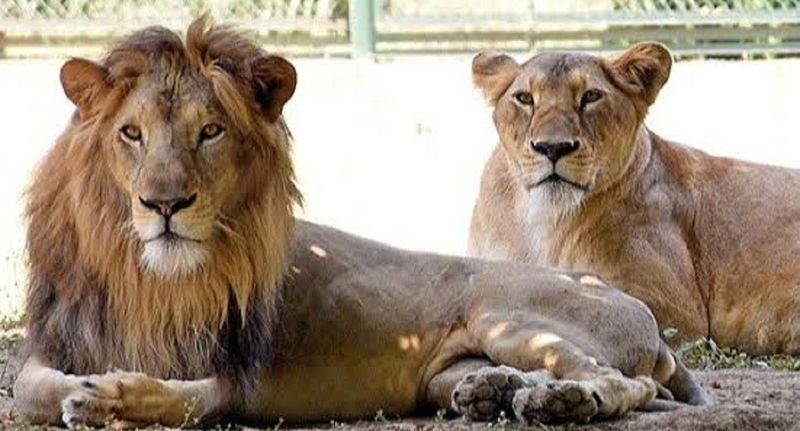
The recent controversy surrounding the names of two lions, Sita and Akbar, at a zoo in Kolkata, has ignited a heated debate about the power of religious beliefs and their impact on society. This incident, which escalated to a plea in the High Court, serves as a stark reminder of the delicate balance between religious sensitivities and secular values in India. The Vishwa Hindu Parishad's petition challenging the names of the lions as "blasphemous" and an "assault on Hindu religious beliefs" is a clear example of how religious sensitivities can lead to irrational and extreme reactions.
The VHP's argument that naming a lioness after Sita, a revered figure in Hindu mythology, alongside a lion named Akbar, a Mughal emperor, violated their right to freedom of religion and equality reflects the deep-seated religious tensions that exist in Indian society. The belief that such a naming choice could cause immense hurt to the Hindu community's religious sentiments shows the extent to which people are willing to go to protect their religious beliefs, even if it means resorting to legal action.
The High Court's observation that the names of the lions could potentially cause controversy and advisory to the West Bengal government to consider renaming them to "avoid controversy" is a troubling indication of how even the judiciary can be swayed by religious sentiments. The court's suggestion that the government should prioritise maintaining peace and harmony over upholding the right to freedom of ex
The case of Sita and Akbar and the legal drama are cautionary tales about the dangers of allowing religious beliefs to influence decision-making in a secular society. The fact that a simple naming choice could lead to such a divisive and contentious legal battle is a stark reminder of the need for tolerance, understanding, and respect for diversity. It's concerning to note that blind belief has led even to animals being tied to religious divisions, with attempts to sow seeds of hatred and discrimination even among them. This situation reflects a troubling trend where people struggle to accept names chosen for animals that are completely separate from religious contexts, raising questions about their ability to embrace other religions. Such actions may fuel future rivalries or conflicts among religions. Moreover, it's disheartening to witness the judiciary being influenced by religious beliefs, mirroring the sentiments of those who petitioned. This underscores the need for a more secular approach within the government, ensuring decisions are based on principles of justice and equality rather than religious bias.
.jpg)
.jpg) Stanislaus Alla
Stanislaus Alla

 Adv. Rev. Dr George Thekkekara
.jpg)
 A. J. Philip
.jpg)
.png) John Dayal
John Dayal
.jpg)
.png) Jacob Peenikaparambil
Jacob Peenikaparambil

.jpg)
 P. A. Chacko
.png)
.png) Robert Clements
Robert Clements