


.png) Manoj Varghese
Manoj Varghese
.jpg)
Sanjay Gandhi was criticized widely and is learnt to be still in the bad books for his ‘gruesome campaign’ of forceful sterilization on a section of the society during the Emergency. Once upon a time, leprosy people, with no cure around and the disease considered to be hereditary, were advised for sterilization. It brought about a lot of ire on the part of human rights groups and was finally called off. Stray dogs are often picked up by the Municipal authorities and sterilized, and has been at crossroads with the animal lovers. China’s move to adopt the one child policy in 1916 was pooh poohed all over the world. Men in power often try to impose their ideology on the general populace violating the human rights for their vested interests.
The draft bill on population control by the Uttar Pradesh Government to promote the two-child policy has invoked strong reactions from several quarters. Some have questioned its intentions owing to the hate speeches doing rounds, and since the state goes to polls in eight months. The policy has also been criticised for being unnecessary, violating women’s rights and for allegedly discriminating against Muslims.
Although, a lot of hue and cry is made on the issue, efforts to curtail population rise on the same lines is already in place in several other states. In Rajasthan, those having more than two children are not eligible for appointments in government jobs. The Rajasthan Panchayati Raj Act, 1994, also states that if a person has more than two children, he or she will be disqualified from contesting the elections.
Under Madhya Pradesh civil services rules, if the third child was born on or after January 26, 2001, a person becomes ineligible for government services. In Maharashtra, too, candidates with more than two children are disqualified from contesting local body elections. The Maharashtra civil services rules also bar a person with more than two children from holding a post in the state government. Women with more than two children are not allowed to benefit from the public distribution system.
Gujarat also amended the local law in 2005 to disqualify anyone with more than two children from contesting elections for bodies of local self-governance. Under the Panchayati Raj laws in Andhra Pradesh and Telangana, if a person had more than two children after May 30, 1994, they will be disentitled from contesting elections. In Uttarakhand too, the condition of the two-child norm applies to elections of zila panchayat and blocks development committee membership.
Enacted in 1992, the Odisha Zilla Parishad Act prohibits people with more than two children from holding any post in panchayats and urban local bodies. A population policy is already in place in Assam. In 2019, the previous BJP government decided that those with more than two children would not be eligible for government jobs from January 1, 2021. In 2011, the law reforms commission headed by former Supreme Court judge VR Krishna Iyer recommended the two-child norm in respect of certain provisions in Kerala women’s code bill.
In its reply to the Supreme Court in 2020, the Centre said it is “unequivocally” against forcing people to have only a certain number of children in a bid to control the population. It maintained that family welfare programme in India gives couples the right to decide the size of their family without compulsion as it rejected the need for a two-child norm or a specific law limiting the size of families in India.
The way out should be “promotional and motivational measures” that emphasize quality of life, rather than through numerical targets for the use of specific contraceptive methods, which plagued previous programs. The proposed policy should emphasise on better management of public health, education, and sanitation, and focus on women’s employment. Other supportive measures would be keeping girls in school longer, raising the age at which girls marry to 20, reducing infant and maternal mortality, and achieving universal immunization of children against vaccine-preventable diseases. Bihar Chief Minister Nitish Kumar strongly advocated for creating awareness on the issue rather than implementing it forcefully.
The success of the population policy, if it is implemented, will depend on a judicious mixing of the roles of males and females. It is well known that women in India generally do not decide their reproductive behavior. Although most contraceptive methods are for women, many women have no say in limiting their family size or in adopting a particular preventive method. The proposed policy should focus information and education campaigns on men to promote small families and to raise awareness of the benefits of birth spacing, better health and nutrition, and better education.
Unfortunately, seventy years after Independence, India is still looking for a viable policy to control population growth. Although it was the first country to adopt a family planning program, in 1952, the country is still growing by over 25 million people each year. If this trend continues, India will overtake China in 2027 by reaching a population of 1.5 billion. After Independence, an all-out visionary effort was made to feed the population by improvising upon the industries, agriculture and technology, keeping the generations to come in mind. And now, rather than looking beyond, the move is to curtail population and be limited with the available resources.
On May 31, China announced a landmark policy shift to allow couples to have three children in an attempt at raising its birth rate. The change comes five years after the country's 2016 decision to scrap its one-child policy and raise the quota to two-kids-per-family. In a holistic manner, population control is good in terms of sharing the same resources with a smaller number, but any forceful implementation is a violation of freedom of rights, and inhuman if addressed to a particular community.
.jpg)
.png) Cedric Prakash
Cedric Prakash
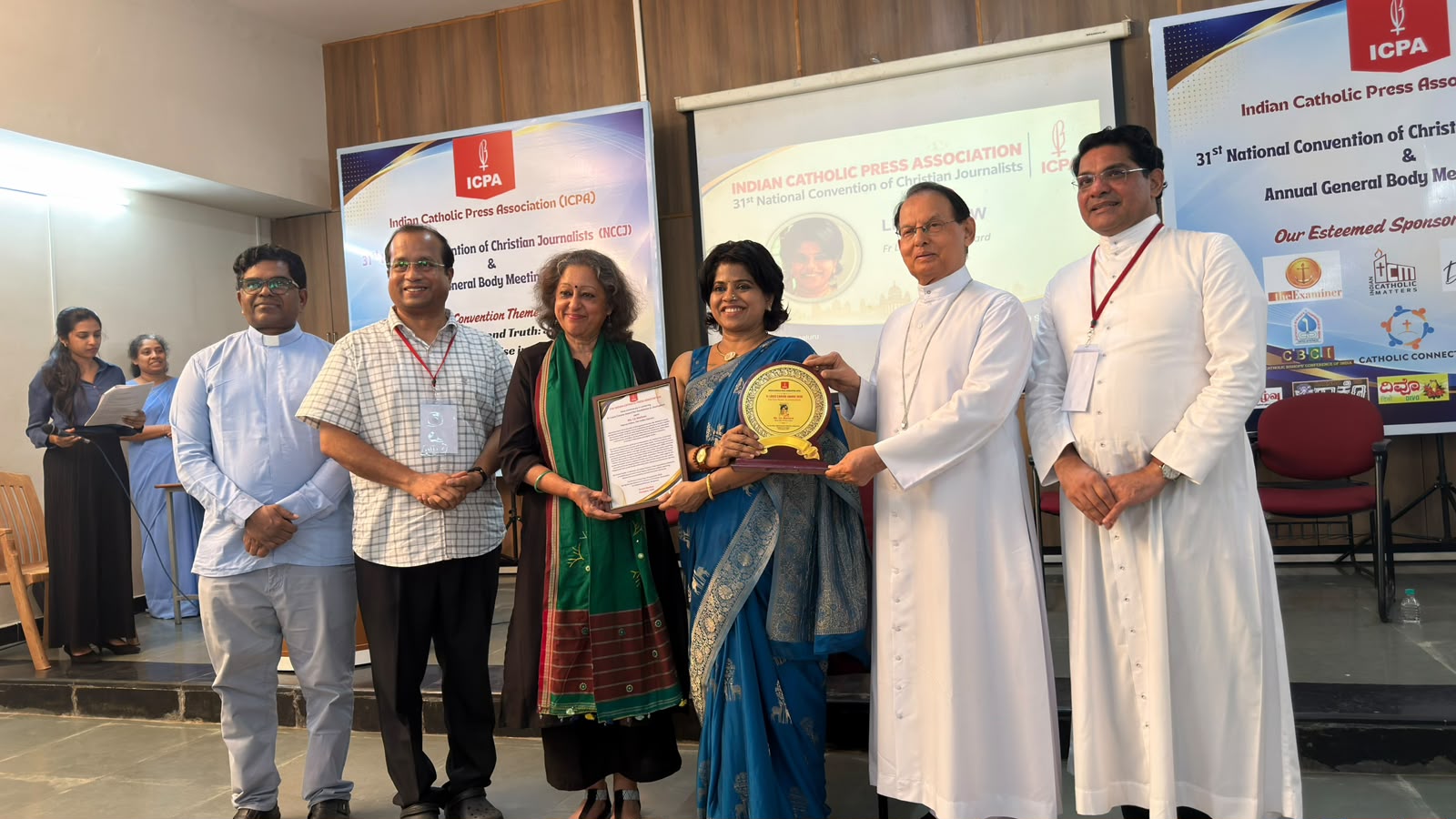
 ICPA
ICPA
 ICPA
ICPA
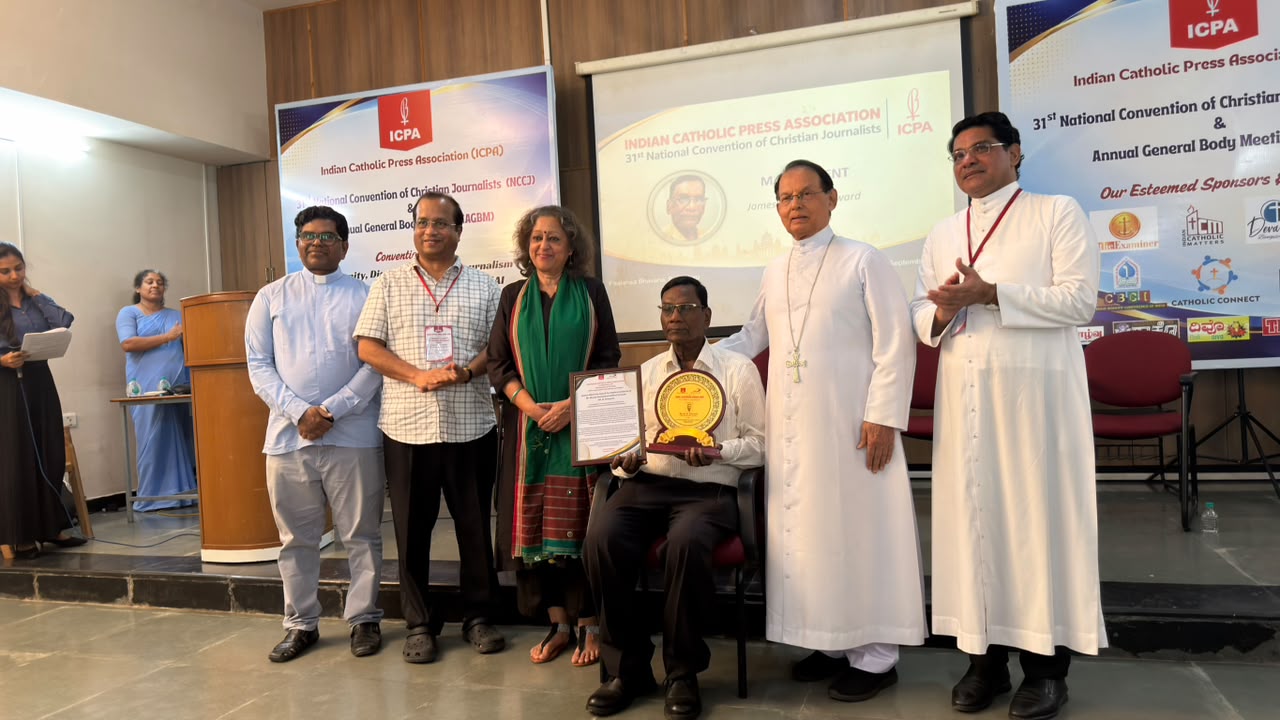 ICPA
ICPA
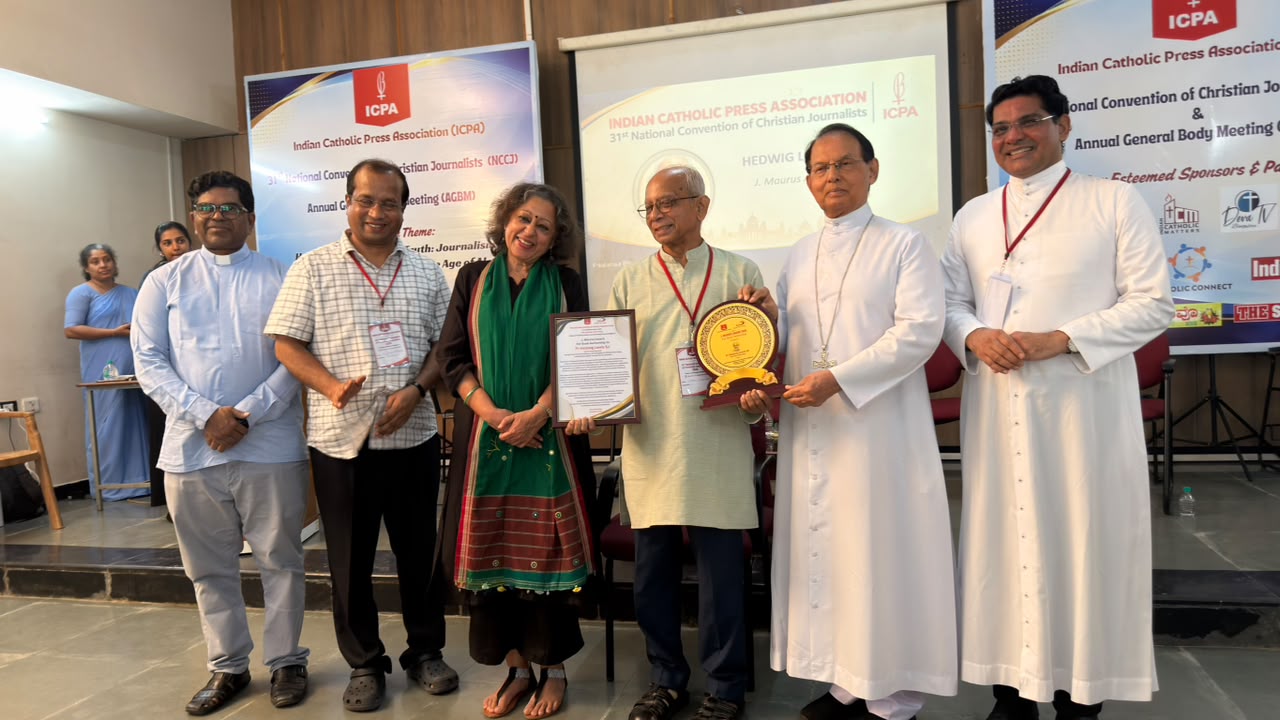 ICPA
ICPA
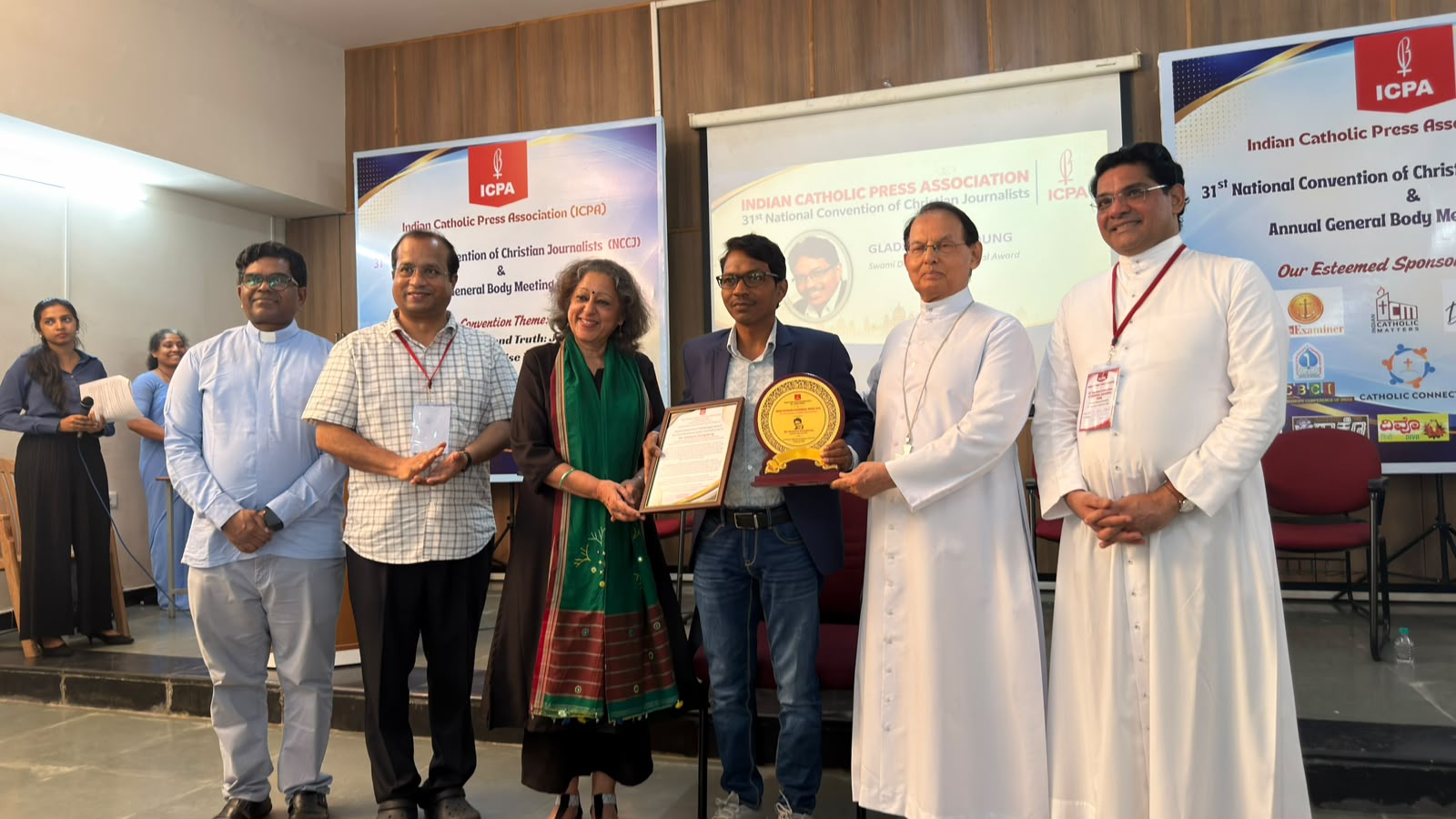 ICPA
ICPA
 ICPA
ICPA
.jpg)
 A. J. Philip
.jpg)
.png) Jacob Peenikaparambil
Jacob Peenikaparambil
.jpg)
.png) John Dayal
John Dayal