


The concept of generation was first developed by Karl Mannheim about a century ago. Mannheim viewed a generation as a product of rapid, disruptive change, in which individuals re-encounter tradition through new 'cultural carriers,' becoming an active force of social change. However, the meaning of generations shifted post-World War II, particularly in marketing typology, leading to labels such as Baby Boomers, Generation X, and Generation Y.
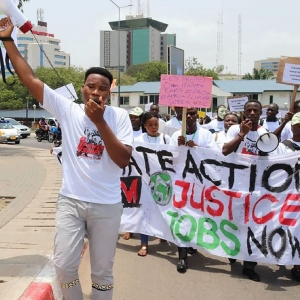
In recent times, particularly amidst youth protests in South Asia, Gen Z has become a catchphrase, symbolising a movement. The youth born between 1995 and 2010, who are spearheading these protests, are frustrated by limited development opportunities, faulty governance, inadequate employment, and growing corruption. Their inspirations often stem from a blend of indigenous and international influences, fueling their activism.
The Global South is home to a vibrant, youthful population with a median age of 25. Africa, in particular, has a remarkably young population, with a median age of 19 years – the lowest among all continents. Countries like Niger (15.3), Mali (15.5), Uganda (16.5), Angola (16.5), and Zambia (17.5) are among the youngest nations in the world.
However, this demographic dividend is facing significant challenges. Debt-austerity policies, climate catastrophes, poverty, and uncertainties are fueling frustration and restlessness among young people. The lingering legacy of colonialism has created deep-seated inequalities and power imbalances, resulting in substantial disparities in wealth distribution and access to public goods and services.
Social and political elites often exploit these inequalities, grabbing a large share of public opportunities meant for the underprivileged. Governance challenges, corruption, and internal conflicts further complicate development trajectories, with autocratic regimes sometimes hindering progress.
The Context and Concerns of Gen Z Protests
Gen Z protesters are products of an era marked by 'the end of history,' born amidst neo-liberalism's jobless growth and widening inequality, post-global economic crisis and COVID pandemic. Digital natives are immersed in social media and face unprecedented employment uncertainty fueled by AI's rise.
In the Global South, neo-liberal policies have weakened state capacity for employment. At the same time, privatised education has opened doors for marginalised groups, including children of the middle and lower middle classes, the working class, and small farmers. However, limited job opportunities lead to structural unemployment and skills mismatch, creating a contradiction between aspirations and precarity that fuels youth resentment.
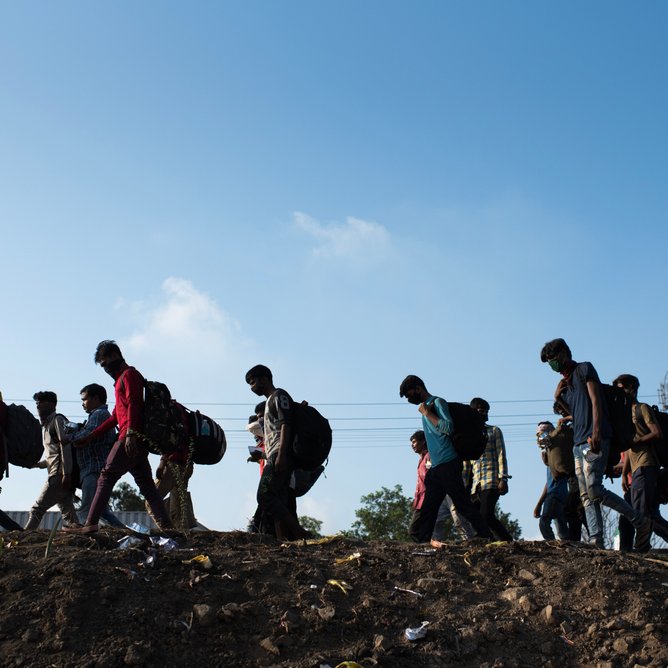
Significantly, today's youth resist migration for jobs, valuing cultural roots over opportunities abroad, as seen in Nepal's protests, where slogans highlight the disconnect from tradition and culture. With 168 million migrant workers globally – a figure that would make them the ninth-largest nation, after Bangladesh and ahead of Russia – the rise of informal work disorganises societies, eroding worker solidarity and mass organisations such as trade unions.
Examples include Nepali construction workers in the Gulf states and Andean and Moroccan agricultural workers in Spain. The 'uberisation' of work creates informal lives, alienating workers from connections. Social media fills the void, becoming a primary medium for transmitting ideas and facilitating political organisation, supplanting traditional modes.
The Ripple Effect: Gen Z Protests Reshape Neighbouring Countries
The ruling elites in neighbouring countries are shaken, as Gen Z protests have toppled governments, sparking regional tensions. Similar situations brew discontent elsewhere, targeting authoritarian, corrupt, and non-performing regimes plagued by favouritism and nepotism. These protests transcend mere consumerism or 'rising expectations'; they're a rejection of systemic failures that demand change and accountability. The reverberations are palpable, as youth-driven movements redefine the regional landscape.
The Governance Conundrum: Gen Z's Uncharted Path
Gen Z protesters aren't seeking fundamental governance changes or power capture. Their movements lack a clear policy roadmap, risking power vacuums that opportunists or militaries might exploit, as seen in Bangladesh and Nepal. This differs from historical movements such as the French Revolution (1789), the Russian Revolution (1917), the Chinese Revolution (1949), and the Vietnamese Revolution (1945), which had defined goals and outcomes.
While sparking change is possible, sustaining it requires an alternative developmental plan that engages citizens, especially youth, amid the Global South's youth bulge. Such a plan requires a realistic assessment of the situation and an understanding of people's aspirations, ensuring effective, people-centric governance.
Lessons for Responsive Governance
In a growing democracy like India, centralising power for individual or family gain can have disastrous consequences, sparking youth discontent. Social media and electronic media fuel their awareness and sensitisation. Public institutions like parliament and the judiciary are crucial; attempts to cripple them can cause educated youth dissatisfaction.
Institutionalised communication between governments and citizens is crucial for responsive governance. Unlike Switzerland, India lacks provisions for referendums, recalls, and initiatives, which would enable citizens to exercise their democratic rights between elections.
India's 1992 constitutional amendment aimed to empower grassroots democracy through Gram Sabhas and Ward Committees. However, these bodies are losing significance due to infrequent meetings and unimplemented resolutions. To revitalise them, it's essential to ensure the active participation of younger citizens and ensure their voices are heard. There appears to be a lack of governmental will to make these bodies effective, hindering citizen engagement and participatory governance.
Civil society is strengthening in the neoliberal system; governments should partner with them for development rather than strangling their voices. Reducing bureaucratic strongholds and introducing citizen-centric governance, as recommended by the Second Administrative Reforms Commission, can facilitate effective democratic governance, ensuring participatory governance policies and youth engagement. There should be regular communication between the government and the youth organisations.
.jpg)
 A. J. Philip
.png) Cedric Prakash
Cedric Prakash
.jpg)
 P. A. Chacko
.jpg)
.jpg)
.jpg) Thomas Menamparampil
Thomas Menamparampil
.png)
.png)
.png) Robert Clements
Robert Clements
.jpg)
.png)
.png) Chhotebhai
Chhotebhai