.png)


 Fr. Gaurav Nair
.png)
India's democratic future now rests, more than ever, on the shoulders of its young. This may sound like a familiar refrain, but the circumstances today are sharper and more unforgiving. The old political class has settled into its habits. The institutions built to check power have grown timid. The public sphere is thick with noise, propaganda and mistrust. In this atmosphere, only the imagination and impatience of the young can force a different outcome.
Yet the Indian youth is not a monolith. Nor is it flawless. Many young Indians are alert, digitally savvy and eager to question authority. But others fall easily into the echo chambers crafted for them. They mistake online skirmishes for political participation. They recoil from the slow, unglamorous work of building organisations. They drift between anger and apathy. This mix of energy and ennui is India's paradox.
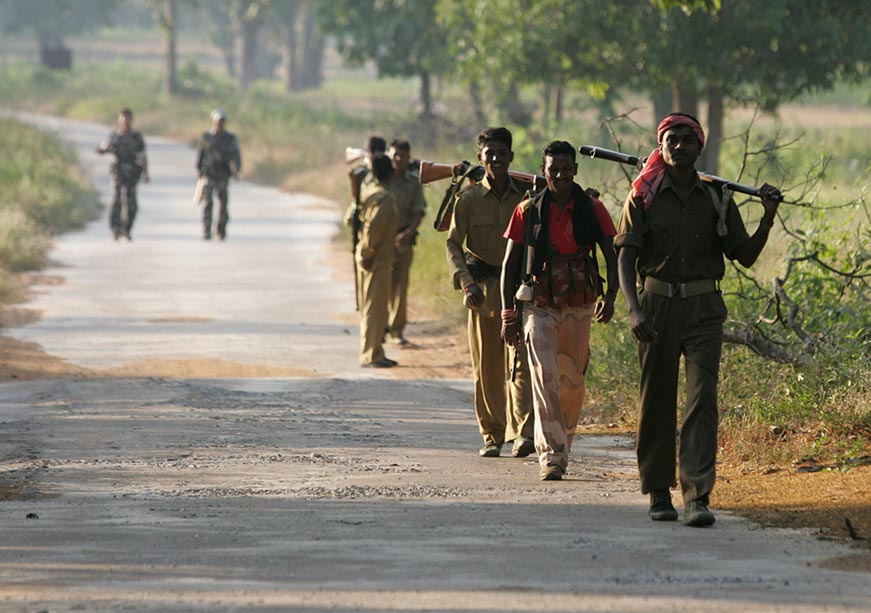
By contrast, the youth movements in neighbouring countries have shown a different mettle. Students in Sri Lanka, Nepal and Bangladesh have walked the streets, toppled governments, and staked claims to public life with remarkable clarity. They have created leaderless formations that nevertheless act with common purpose. They understand that protest is not a weekend hobby but a sustained confrontation with entrenched interests. Indian youth, barring a few exceptions, have yet to match this vigour.
That does not mean it cannot. India's young face a particular set of challenges: unemployment that drains confidence, a digital culture that rewards outrage, a political landscape that prizes loyalty over competence, and a social order fractured by caste, religion and region. These burdens often sap initiative. They teach young people to stay in line, to aim low, to treat politics as a distant spectacle. Overcoming this requires something beyond sentiment - discipline.
The first step is to widen their field of vision. They must read beyond their social-media feeds, listen to unfamiliar voices, and cultivate a scepticism that cuts through the fog of misinformation. They must learn to challenge both majoritarian narratives and the complacencies of their own peer circles. A democracy cannot survive on reflexes alone; it needs reflection.
Second, the youth must develop leaders within their ranks. Not the demagogues who thrive on rancour, but thinkers and organisers who can articulate alternatives. Every generation produces a few such figures who push society to reconsider its settled opinions. India needs them now—individuals willing to confront the politics of resentment, to question the easy binaries of patriot and traitor, and to insist that the republic belongs to all its citizens.
Finally, young Indians must reclaim collective action. Change does not emerge from solitary indignation. It requires groups that can argue, plan, and persevere. The older generation has grown too comfortable, too resigned, too willing to believe that nothing can truly shift. The youth must resist this fatalism. They must draw on their creativity, their restlessness, and their refusal to accept the world as given.
If they do, India's democracy will not merely survive; it will renew itself. If they do not, the republic will drift further into the hands of those who mistake power for destiny.
.jpg)
 A. J. Philip
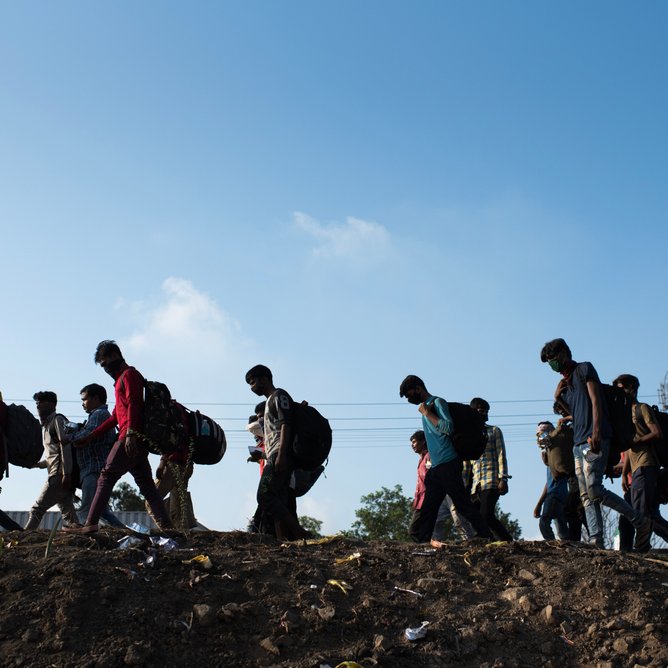
.png) Cedric Prakash
Cedric Prakash
.jpg)
 P. A. Chacko
.jpg)
.jpg)
.jpg) Thomas Menamparampil
Thomas Menamparampil
.png)
.png)
.png) Robert Clements
Robert Clements
.jpg)
.png)
.png) Chhotebhai
Chhotebhai