.png)


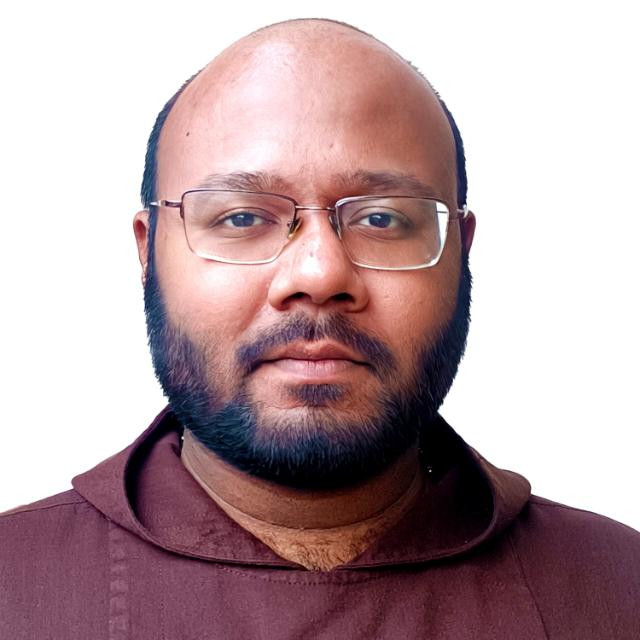 Fr. Gaurav Nair
.png)
In a parliamentary democracy, the opposition is generally understood as the political party or coalition that challenges the government and seeks to replace it at the next election. But this conventional understanding is increasingly becoming inadequate. Democracy cannot afford to leave the responsibility of holding the government accountable exclusively to political parties whose ultimate objective is to capture state power.
India needs a distributed and decentralised opposition, comprising students, youth movements, trade unions, professional associations, civil society organisations, independent journalists, academics and ordinary citizens. Such an arrangement would not make political parties irrelevant. Rather, it would complement their institutional role by creating a permanent network of democratic vigilance that operates independently of electoral calculations.
The recent mobilisation of Generation Z offers an interesting illustration. Young citizens have demonstrated an ability to organise around specific grievances, mobilise public opinion and compel those in authority to respond. Their strength lies partly in their independence from conventional political hierarchies. They do not necessarily wait for a political leader to identify an issue or a party to authorise a protest.
This is what may be described as a networked civic opposition: a decentralised, non-partisan and issue-based countervailing force. Its effectiveness comes from the ability to mobilise different sections of society without demanding ideological uniformity or permanent political allegiance.
Political parties, by contrast, are constrained by electoral compulsions, factional rivalries, leadership ambitions, and the need to preserve their organisational interests. A party may oppose an unjust policy when out of power but become reluctant to challenge similar practices when it assumes office. Its commitment to accountability can consequently become selective. An independent civic movement has no comparable obligation to defend a political establishment.
The argument finds support in the political theory of countervailing power and Elinor Ostrom's concept of polycentric governance, in which multiple autonomous centres cooperate without surrendering their independence. Democratic accountability need not emanate from one commanding organisation. It can emerge from several centres of citizen participation, each monitoring a different aspect of public life.
India's farmers' movement demonstrated how diverse organisations and local networks could sustain a prolonged campaign. Similarly, student mobilisation can bring examination irregularities into public consciousness, environmental groups can scrutinise destructive projects, and independent journalists can expose institutional failures. Their demands need not always originate in opposition party offices.
However, decentralisation must not become fragmentation. Civic movements need reliable information, internal accountability, organisational continuity and clearly articulated objectives. Political parties, meanwhile, must provide parliamentary representation, legislative intervention and the institutional means to translate public demands into policy. The relationship should be complementary, not competitive.
The opposition parties must learn to support movements without appropriating them. Equally, civic movements must resist becoming appendages of political parties. Their credibility depends on applying the same standards to whoever occupies the seat of power.
Governments change, parties rise and fall, and electoral coalitions dissolve. Constitutional accountability, however, cannot be seasonal. India needs an opposition that does not disappear after an election, does not wait for instructions from party headquarters and does not measure every public grievance by its electoral usefulness.
The ultimate safeguard of democracy is not merely a strong opposition party. It is an organised, vigilant citizenry capable of questioning every government. Political parties may compete for power; citizens must retain the power to hold them accountable.
.jpg)
 Jacob Peenikaparambil
.jpg)
 John Dayal
.jpg)
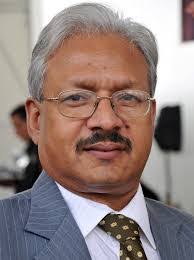 A. J. Philip
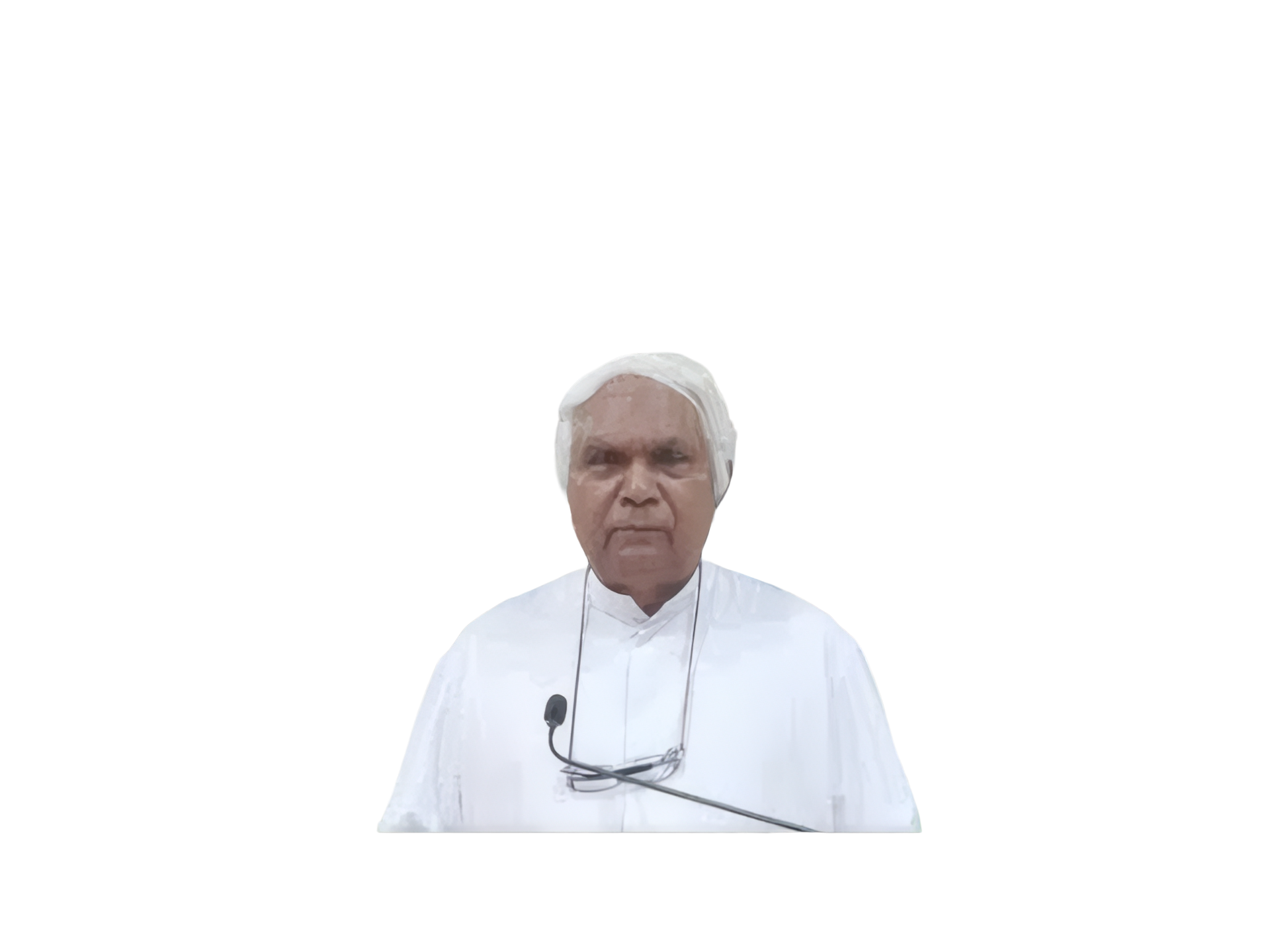 Monsignor Susai Sebastian
.jpg)
 Joseph Maliakan

.jpg) Dr Mudita Menona Sodder
.png)
 Robert Clements
.jpg) Stanislaus Alla
.jpg)
 Cedric Prakash