

.png) Dr Suresh Mathew
Dr Suresh Mathew
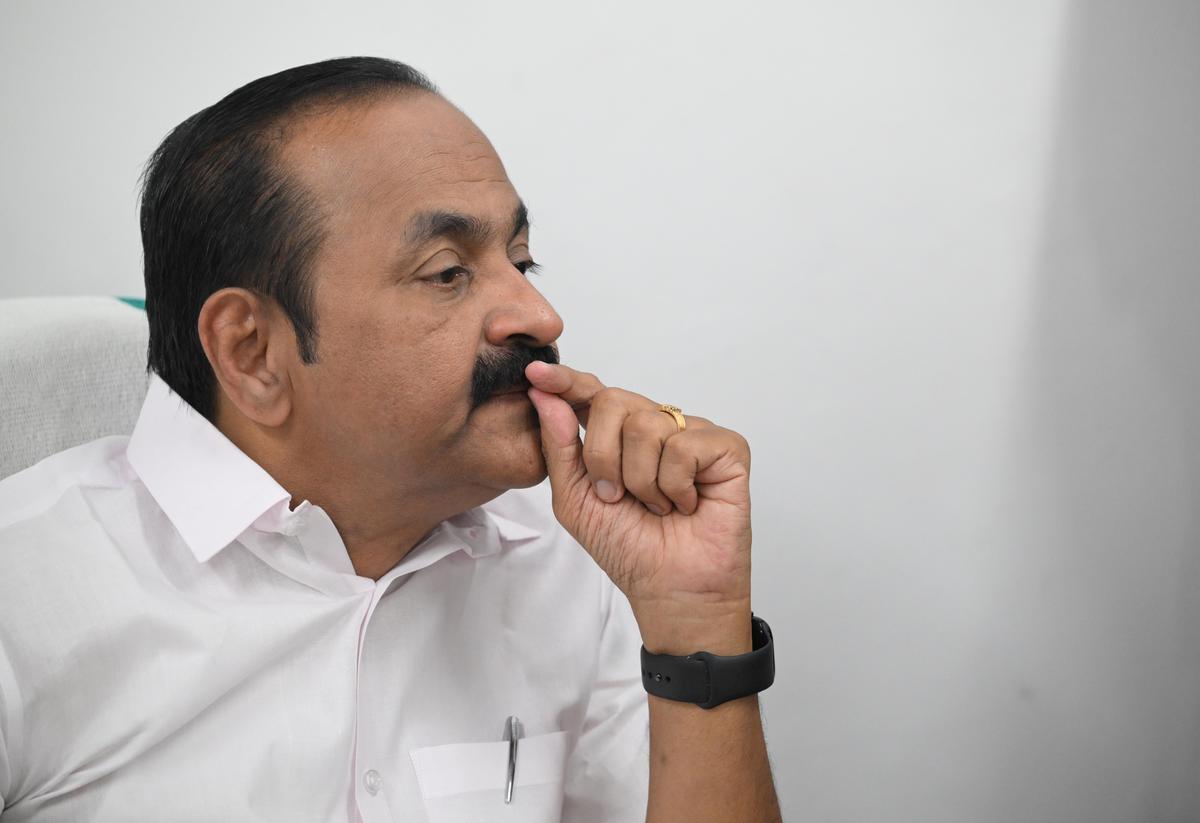
In an era when political speeches are measured more by their electoral potential than their moral resonance, Adam Nee Evide Aakunnu? By VD Satheesan offers something rare.
The compilation of 32 speeches delivered over the years by VD Satheesan is not just about Jesus Christ alone. The book's title itself, God's question to Adam in Genesis: "Where are you?" acts as an underlying thread throughout Satheesan's discourse. This question is posed to the readers and the society at large, prompting introspection on conscience, accountability, and one's relationship with the divine.
Despite Satheesan being a Hindu, his discourse demonstrates an exceptional grasp of Christian theology, scripture, and devotional practices.
This deeply personal connection with Christianity is palpable. Satheesan recounts how his engagement with the Bible, initially an exploration of another religion, evolved into a daily practice and a profound source of inspiration, shaping both his personal and public life. His writings are not superficial allusions for political gain but the product of years of dedicated study and reflection.
The book's greatest strength lies in Satheesan's erudition regarding biblical narratives and Christian spirituality. He approaches sacred texts with the reverence of a devoted student, skilfully weaving the Old Testament, especially the book of Psalms and the New Testament, particularly the Sermon on the Mount, into his addresses, far removed from the posturing of a typical political speech. His references span beyond biblical scholarship to include Christian authors, hymns, and theological commentaries, demonstrating a level of familiarity many ardent followers would envy.
Beyond the spiritual, the book carries a strong moral compass, consistently highlighting themes of religious freedom, human dignity, and the rights of marginalised communities.
Satheesan meticulously draws attention to the violence and discrimination faced by Christians across India, citing factual reports and data on attacks on churches and the intimidation of believers. The volume boldly tackles issues many in public life tend to avoid. He consistently paid tribute to the late Jesuit priest Fr. Stan Swamy, labelling his incarceration and death a national concern.
He has eloquently articulated the challenges faced by Christian communities in places like Manipur and the hardships endured by believers in Bastar.
He also acknowledged the imprisonment of Fr Babu Francis and remembered the martyrdom of Graham Staines as ongoing reminders of religious minorities' vulnerabilities. What distinguishes these interventions is their integration into his general speeches rather than being confined to special events.
Even when discussing purely spiritual topics, he seamlessly links Christ's message to justice, compassion, and solidarity. This is particularly evident in his eloquent tribute to Fr. Stan Swamy, which showcases the profound influence of Fr Stan's conviction on Satheesan's interpretation of Christian witness.
Few religious leaders (read bishops and priests) in contemporary Kerala have spoken as persistently about the plight of persecuted Christians throughout India; this book attests to an engagement far exceeding mere participation in church events.
Despite the gravity of the issues addressed, the book refrains from descending into a mere catalogue of grievances. Running concurrently with discussions of suffering is an enduring message of hope. Satheesan continually emphasises that a Christian's ultimate reliance should not be on political might or social influence, but on God, drawing inspiration from scripture to advocate for faith in divine providence. The tone remains one of reassurance rather than alarm.
A significant and commendable aspect of this volume is its steadfast adherence to secular and democratic principles.
Satheesan's deep respect for Christianity never devolves into sectarianism. Instead, he positions Christ's teachings as a universal moral framework for constructing a more equitable society, emphasising universal values like justice, equality, compassion, and human dignity. His work suggests that true secularism transcends hostility towards faith, embracing religious traditions as enrichment for public life.
Dr Cyriac Thomas' foreword amplifies this perspective, describing Satheesan as a politician whose engagement with faith is characterised by genuine authenticity, demonstrating independence of thought and a commitment to ethical public service, significantly influenced by the moral vision of Mahatma Gandhi. The perennial question, of course, is whether faith and politics can truly coexist without one corrupting the other.
Adam Nee Evide Aakunnu? offers no definitive answer. Rather, it presents the personal journey of a politician striving to be inspired by Christ's teachings. Whether readers agree with his political stance, his relentless focus on justice, truth, compassion, and courage is undeniable. Ultimately, this is not just a book about Christianity.
It is a testament to a politician's effort to engage with the message of Jesus, ultimately challenging every reader to reflect on that central, eternal question: Where are you? For Christians, it offers both solace and inspiration; for observers of politics, it illuminates an extraordinary facet of a leading Keralite politician. And for all, it is a stirring reminder of the enduring power of faith in public life when approached with humility and sincerity.
ISBN: 9789376918638
Publisher: DC BOOKS
Number of pages: 200
Language: Malayalam
.jpg)
.png) Cedric Prakash
Cedric Prakash
 ICPA
ICPA
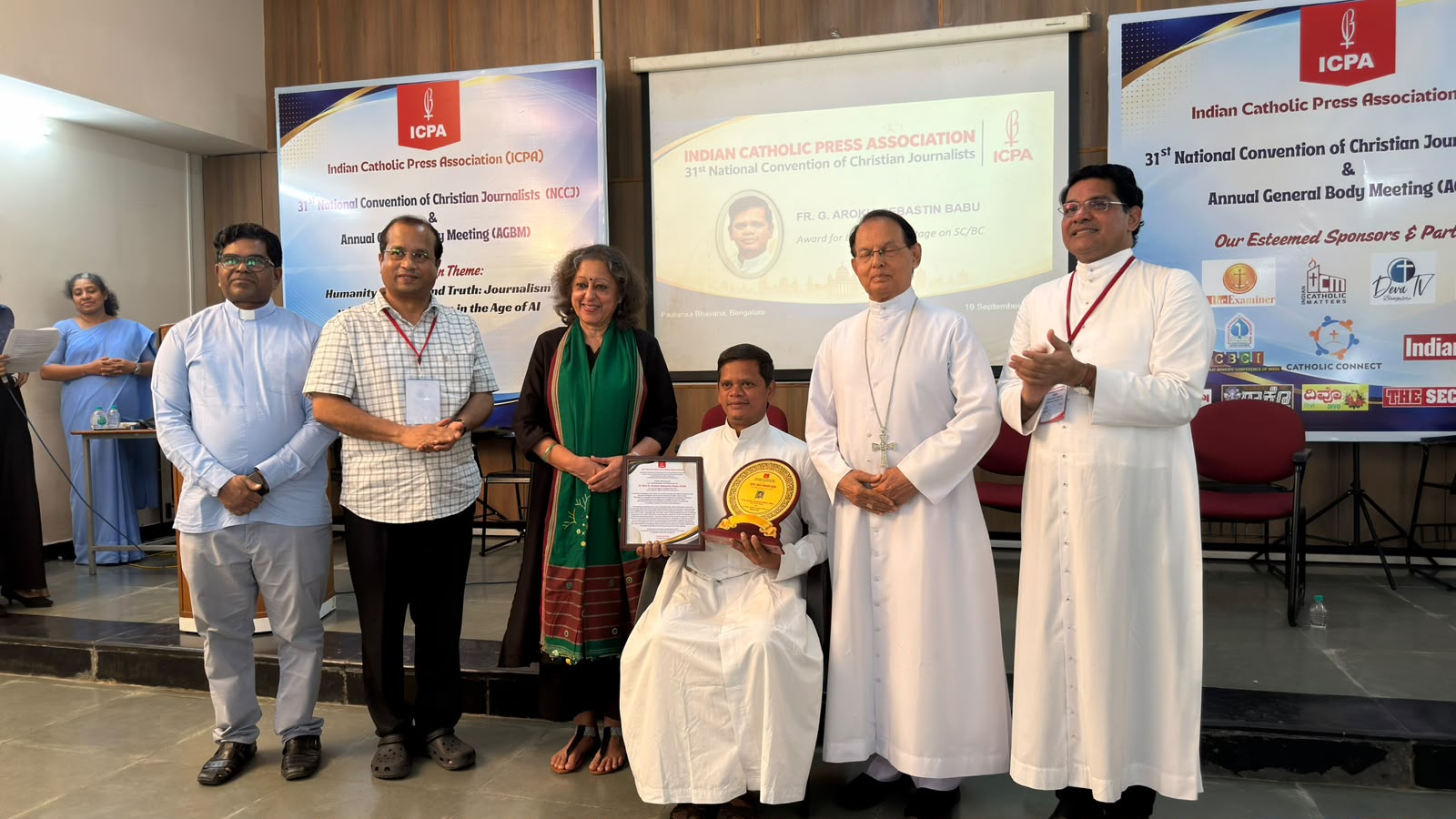 ICPA
ICPA
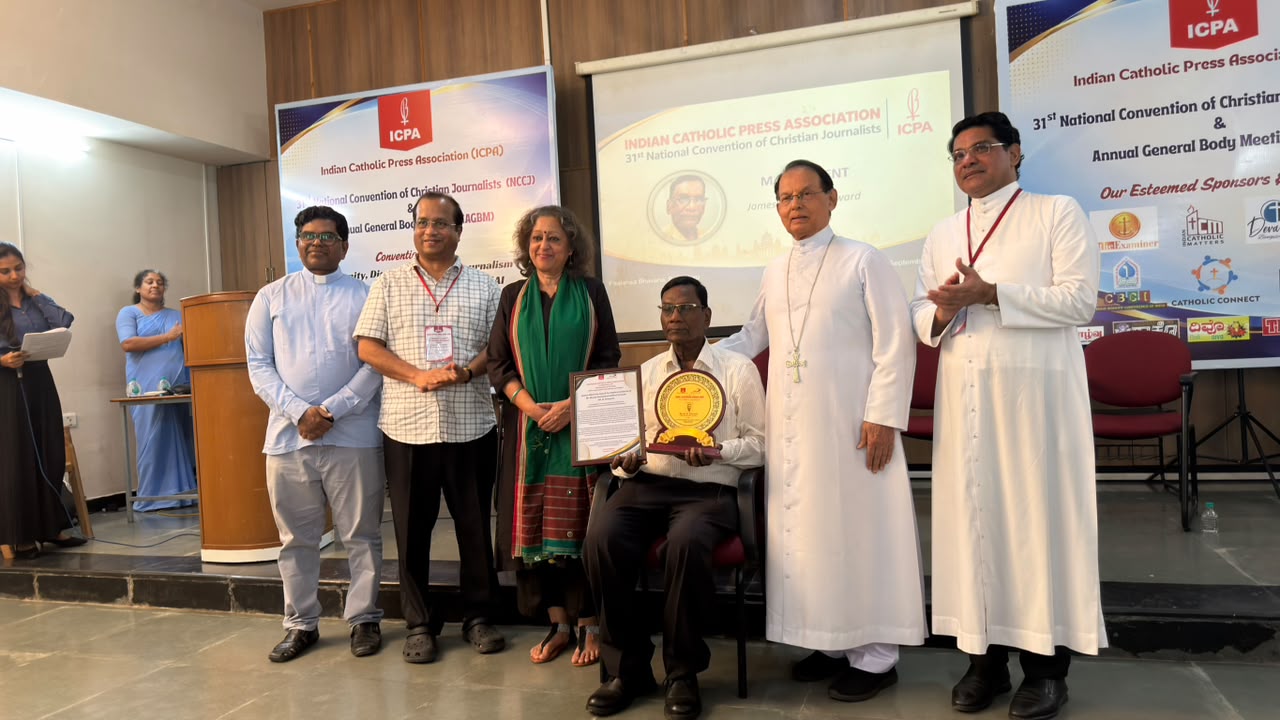 ICPA
ICPA
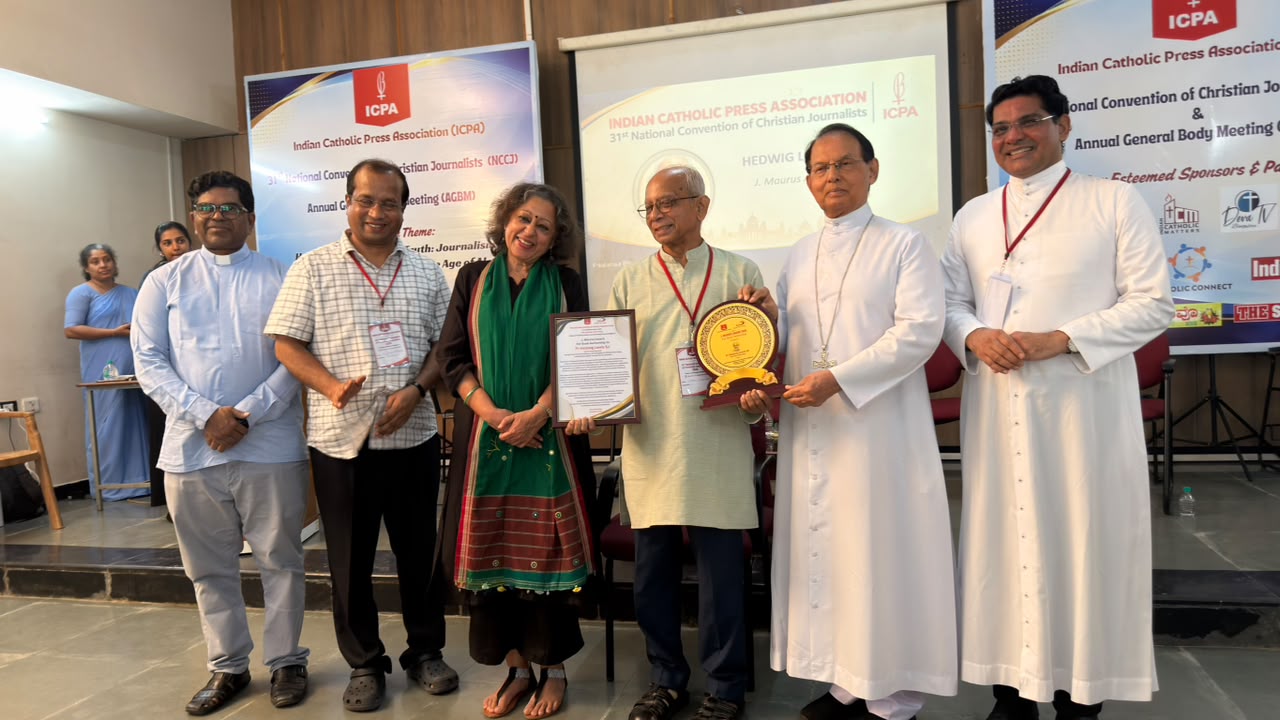 ICPA
ICPA
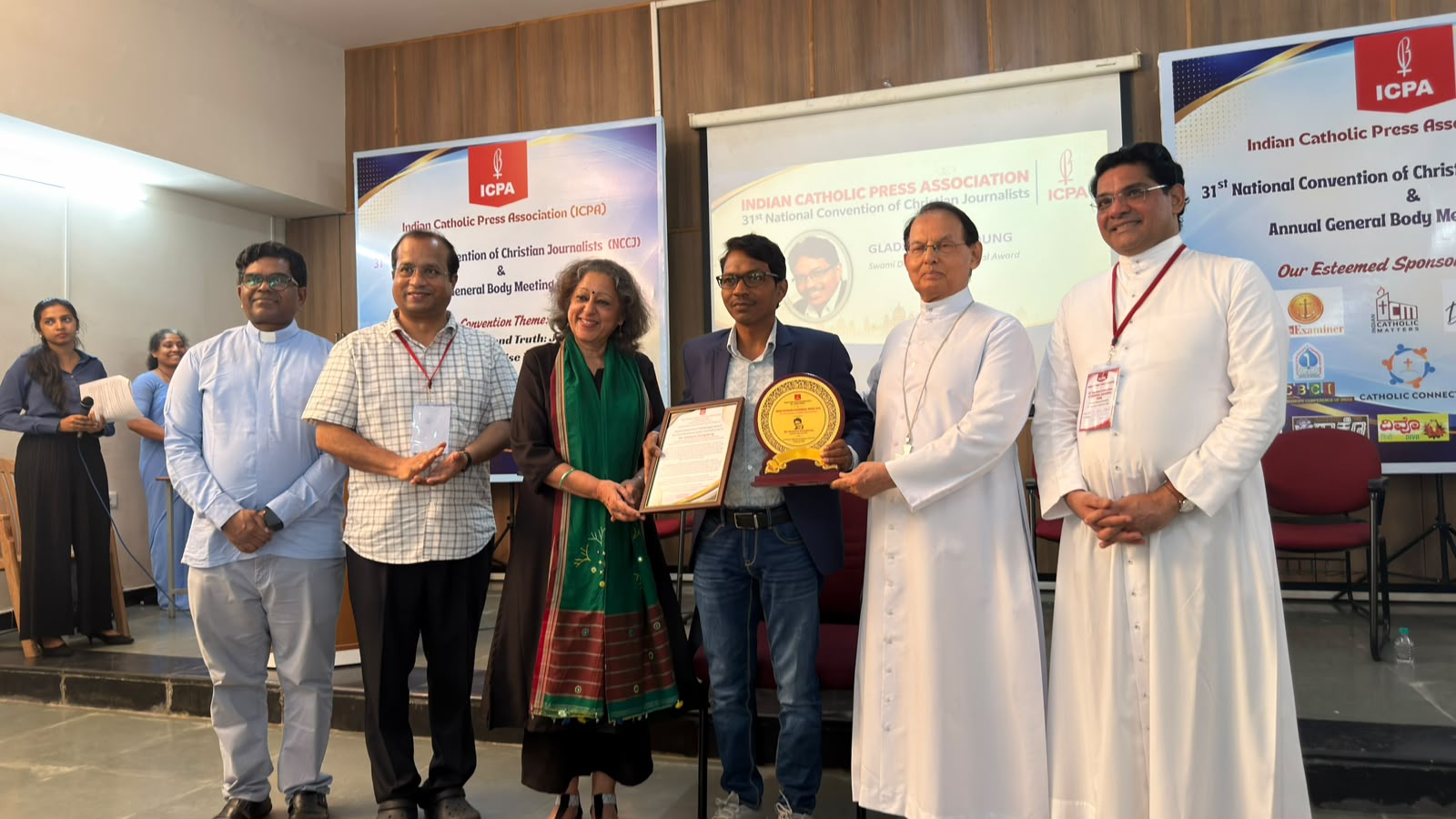 ICPA
ICPA
 ICPA
ICPA
.jpg)
 A. J. Philip
.jpg)
.png) Jacob Peenikaparambil
Jacob Peenikaparambil
.jpg)
.png) John Dayal
John Dayal